

Parrots have long captivated human hearts with their vibrant plumage and intelligent personalities. Beyond their beauty, some parrots are renowned for another feature: their volume. These talkative avians do not just chirp; they can fill a room with their squawks and calls, simultaneously charming and challenging their owners. In the United States, the affection for these noisy companions is palpable, reflecting both our fascination with nature and our need for connection with the animal kingdom.
The Fascination with Parrots

Parrots belong to the order Psittaciformes, encompassing more than 390 species found in warm climates worldwide. America’s love for these feathered friends is deeply rooted in their intelligence and capability for mimicry. Many parrot species can replicate sounds and human speech, an ability that endears them to pet owners looking for an engaging companion.
Decibels and Determination: Why Volume Matters

In the wild, a parrot’s call can carry over vast distances, serving both territorial and communication purposes. When domesticated, these calls remain loud and can be quite surprising to new owners. This impressive volume isn’t just for show; it plays a crucial role in their social interactions and survival strategies.
Meet the Cockatoos: Loud but Lovable

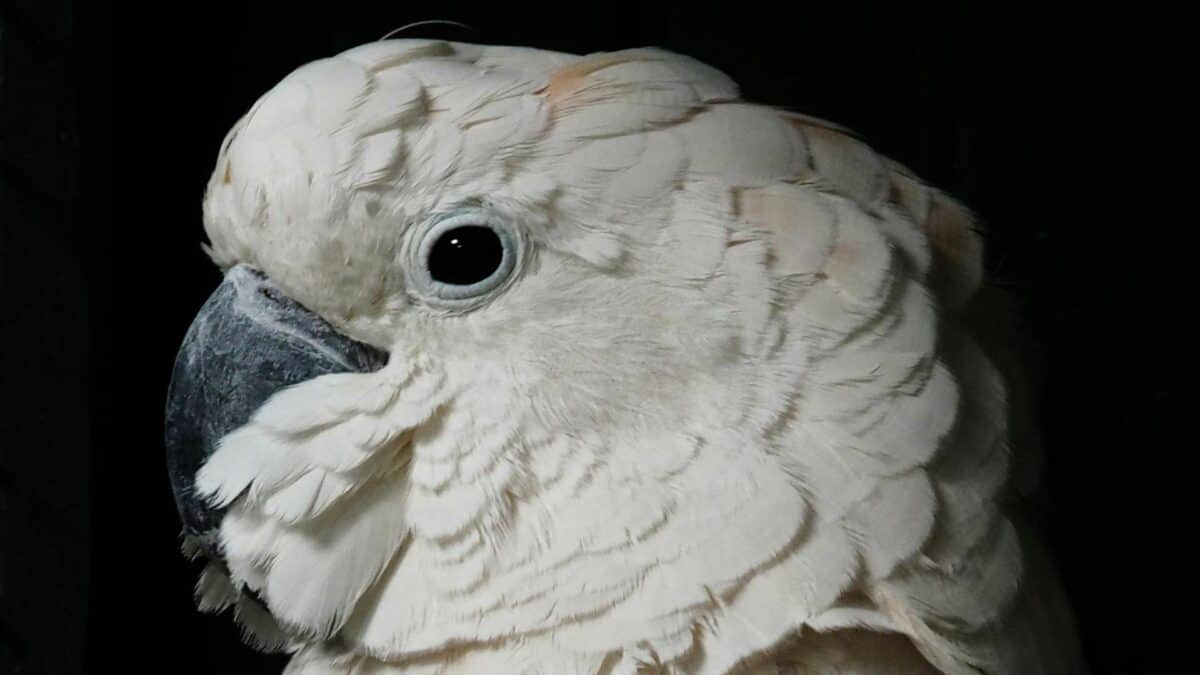
Cockatoos are notorious for their vocal abilities. Characterized by their expressive crest and powerful beak, species like the Moluccan cockatoo have been known to exceed 120 decibels, rivaling the sound of a rock concert. Their distinctive screeches and expressive nature make them both a joy and a challenge to keep.
Macaws: Beauty with a Boisterous Voice

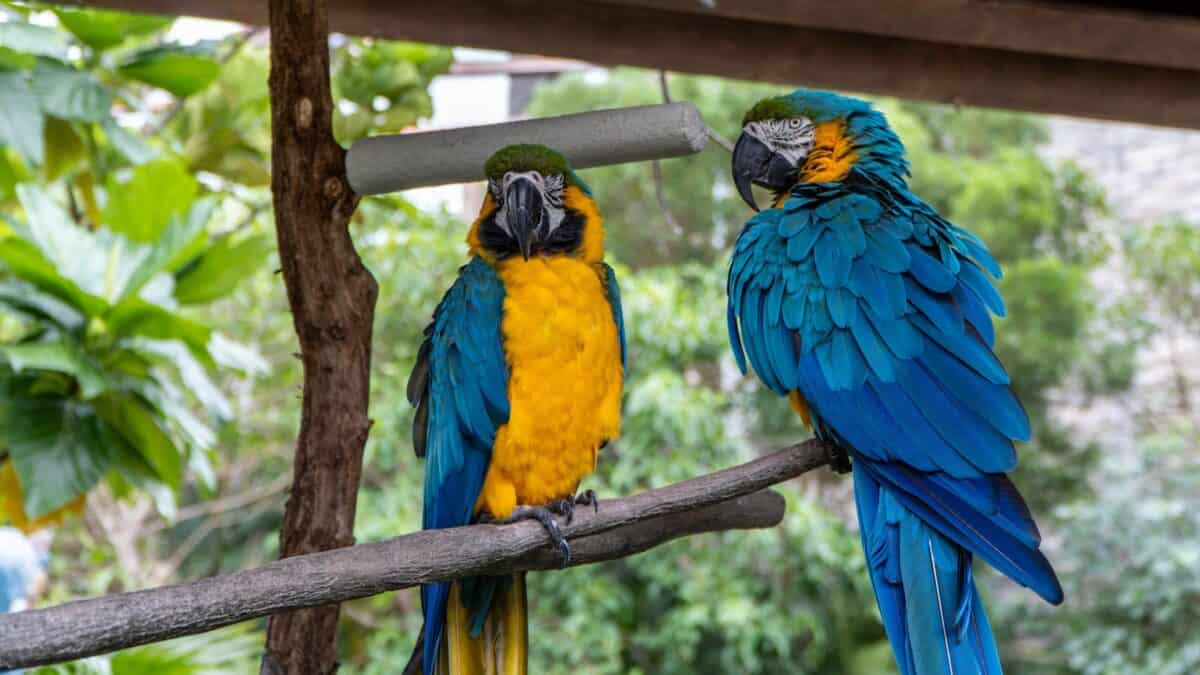
Among parrots, macaws stand out for their size and colorful appearance. Species such as the Blue and Gold Macaw are particularly loud, using their strong voices for calling to their flock and communicating over the dense forest. Their social nature and vibrancy have made them sought-after pets despite their volume.
Amazon Parrots: Vocal Virtuosos

Amazon parrots are renowned not just for their sounds but for the variety in their vocalizations. These entertaining birds are known for their ability to mimic human speech and other sounds with remarkable clarity. Their loud calls are a staple in their wild communication and remain a unique part of their charm in captivity.
Understanding the Parrot’s Need for Noise
Noisy behavior in parrots isn’t arbitrary; it fulfills essential functions. In the wild, their calls help them find mates, warn against danger, and locate food. Understanding this helps owners provide a more enriching environment that meets a parrot’s instinctual needs.
Training and Channeling the Clamor

Managing the noise levels of pet parrots can be done through positive reinforcement and targeted training. Encouraging quiet times, providing stimulating toys, and creating a consistent routine can aid in mitigating excessive noise, helping to create a harmonious household.
The Challenges of Living with Loud Parrots

The exuberant vocalizations of parrots are not suitable for everyone. Potential owners should be aware of the commitment required, as these birds need plenty of attention and mental stimulation. Prospective parrot parents must weigh the balance between charm and clamor.
How Volume Influences Housing Choices

The volume of a parrot’s call can influence where and how they are kept. Those living in apartments or close communities may face challenges with parrot noise, necessitating consideration of neighbors and living arrangements when choosing a species.
The Role of Companionship in Noise Control

Parrots are inherently social creatures that need interaction and companionship. Isolation can lead to increased noise as they seek attention. Ensuring they have adequate social interaction, whether human or avian, can lead to a healthier, quieter bird.
Legal and Ethical Considerations for Loud Parrots
Owning a loud parrot requires understanding the legalities and responsibilities involved. Some regions have noise regulations that may affect pet ownership, while ethical considerations demand ensuring the best quality of life for these intelligent birds.
A Love for Parrots That Surpasses Their Volume

Despite the challenges associated with their noise levels, parrots maintain a special place in the hearts of many Americans. Their intelligence, beauty, and unique personalities outweigh the decibel levels for those who cherish their companionship.
In conclusion, while parrots may be known for their loud calls, their engaging nature and intelligence explain why they continue to be beloved companions. Understanding these birds’ natural behaviors, training needs, and lifestyle considerations helps create a better living environment for both parrot and human. Parrots remind us of nature’s complexities and the importance of compassion and understanding in cohabitating with creatures of the wild.

- The Glasswing Butterfly: Nature’s Invisible Beauty - July 21, 2026
- What Happens If a Whale Dies in the Ocean? - July 21, 2026
- Why You Should Stop Feeding Ducks at the Park - July 21, 2026