
You’ve probably noticed your dog wagging their tail a million times. Maybe you assumed it always meant they were happy, right? Honestly, most of us grew up with that simple interpretation. A wagging tail equals a happy pup.
It’s hard to say for sure, but that’s only part of the story. A wagging tail doesn’t necessarily mean a happy dog; it simply means arousal of some kind, which can be happy arousal, fear, excitement, or even aggressive arousal. Think of it less like a single message and more like a whole language with dialects, accents, and subtle variations. The position, speed, and even the direction of that wag can reveal what’s really going on in your dog’s mind. Let’s dive in and decode what your furry friend is actually saying.
Speed Matters More Than You Think
Let’s be real, the tempo of your dog’s tail can tell you a lot. The faster the wag, the more excited the dog. Picture this: your dog sees you grab the leash for their evening walk. That tail is probably moving so fast it looks like a blur, maybe even vibrating with pure joy.
Yet a slow, deliberate wag tells a completely different story. When a dog moves its tail slowly while keeping it low, this can be a sign of uncertainty or submission, as dogs that are unsure about a new person or environment may display this type of wag as they assess the situation, and a slow wag can also be a way of signaling that the dog does not pose a threat but is still wary. It’s their way of saying they’re not quite sure about what’s happening around them. Sometimes it’s caution, sometimes it’s just them taking their time to figure things out.
A tail wag may range from very slow to extremely rapid, known as flagging, and sometimes the dog’s tail wags so fast that it appears to vibrate. So next time you see that tail moving, pay attention to how fast it’s going. It’s like reading the pulse of their emotions.
Tail Position Reveals Hidden Emotions
Here’s the thing: where your dog holds their tail is just as important as how they move it. When a tail moves from neutral to taut vertical to a tight arch over the back, it indicates increased arousal, and this tail position is an assertive posture that can progress to an intense aggressive display. A high tail isn’t always friendly confidence. Sometimes it’s a warning.
Lowering the tail from a neutral position can represent a dog’s intention to maintain a submissive role in the interaction, and a tightly tucked, low tail can also occur when a dog is fearful. I know it sounds crazy, but a tucked tail is basically your dog saying they’re uncomfortable or scared. They might even tuck it between their legs if they’re really anxious.
The neutral position varies by breed, though. The neutral or natural position of a dog’s tail varies by breed, with most dogs having tails that hang down near their heels when relaxed, but some dogs like beagles hold their tails more vertically. So you need to know what’s normal for your specific pup before you can spot when something’s off.
The Fascinating Science of Left Versus Right Wags
This one surprised me when I first learned about it. Studies show that dogs wag their tails to the right when they are happy or confident, and to the left when they are frightened. It’s connected to how their brains work, with different hemispheres controlling different emotions.
When dogs looked at tails wagging to the left, their heart rate increased and they showed more signs of stress and anxiety. Other dogs actually pick up on this directional cue. They can sense whether another dog is feeling positive or negative based on which way that tail swings.
Usually positive feelings within a dog are associated with the right side, like if a dog is about to receive a treat their tail will likely move with a bias towards its right, while negative feelings are typically connected with a bias towards its left side, and if a dog is being approached by another dog and feels threatened, the dog’s tail will usually move more to its left. The asymmetry is subtle, but it matters more than we ever realized.
Context Is Everything With Tail Language
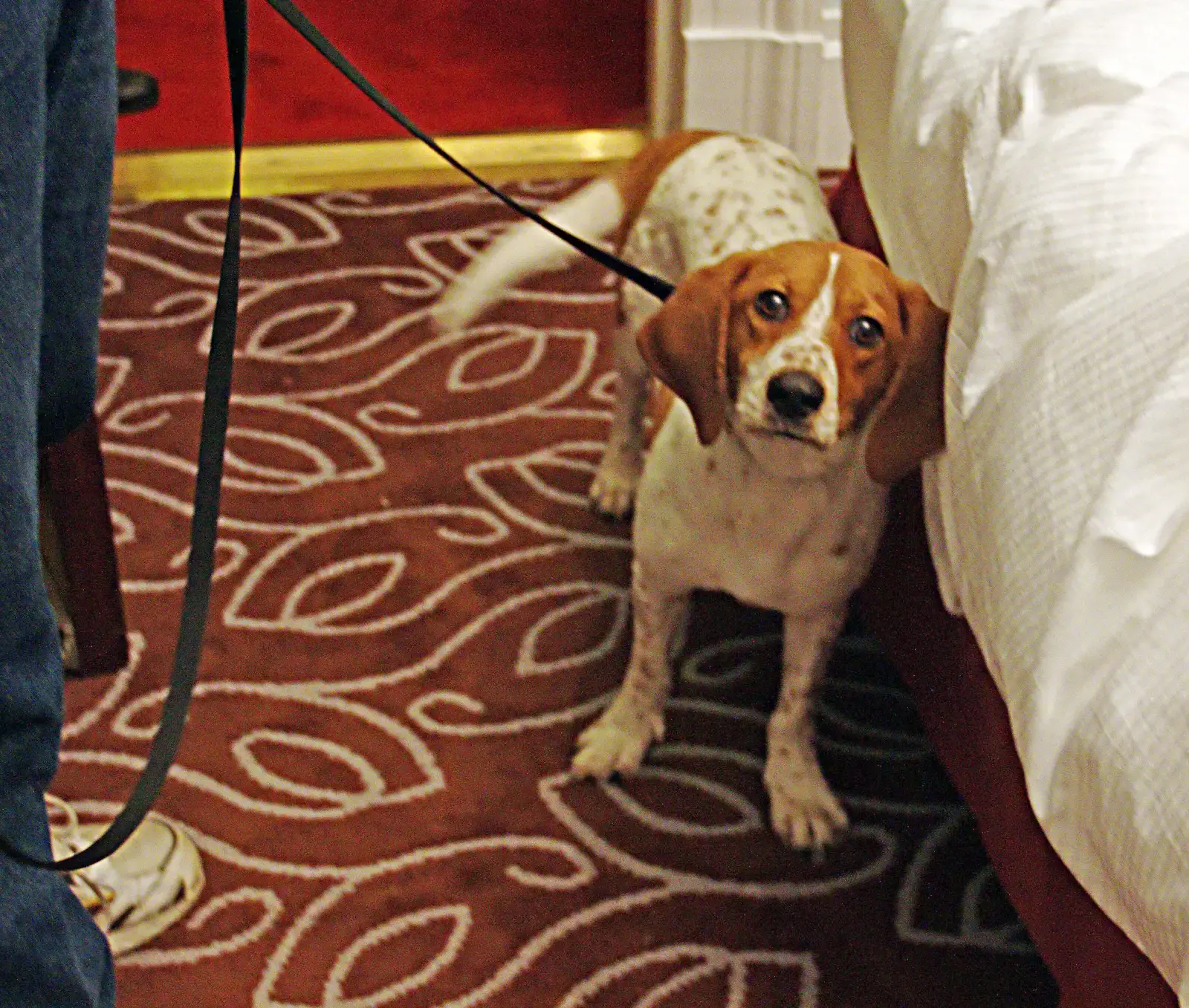
I think one of the biggest mistakes people make is looking at the tail in isolation. It is always important to observe and interpret the tail wag in conjunction with all the dog’s postures. You need to check out their ears, eyes, body stance, and overall vibe.
Happy, relaxed tail wagging is usually accompanied by a happy facial expression, with a happy dog usually having bright eyes, a relaxed open mouth, and possibly a gentle pant. But if that tail is wagging while their body is stiff and their eyes are hard? That’s not happiness. That’s tension.
A dog with a wagging tail does not necessarily mean they want to interact or continue an interaction, as a tail may begin to wag tentatively during an interaction with the message being pause, and dogs experiencing emotional conflict may begin to wag their tails rapidly as a reflection of their discomfort, with tail wags often misinterpreted to mean that the dog is friendly and wants to engage when the dog may be trying their best to find a way to end the interaction. Sometimes a wag is actually a plea to back off.
The Special Signals You Might Be Missing
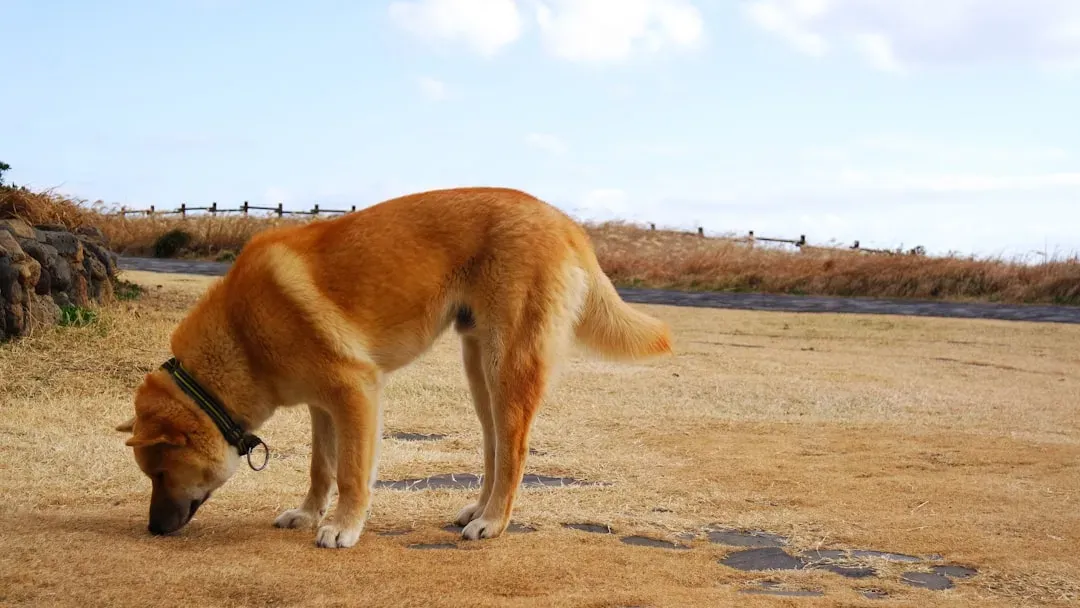
There are some tail movements that are pretty unambiguous once you know what to look for. The circle tail wag is the most unambiguous of all the tail wags, with a dog most often wagging her tail in a circle if she is particularly overjoyed to see someone special, especially someone she hasn’t seen recently. That helicopter motion? Pure, undiluted happiness.
When dogs are eager for an interaction, they may wag their tails quickly, typically in a neutral or high position, while when dogs are fearful, they may also wag their tails rapidly, typically in a low position. See how confusing that can be? Same speed, totally different meanings depending on height.
And here’s something you might not have thought about: dogs tend not to wag their tails unless there is another animal or human nearby with whom to interact. Tail wagging is social. It’s communication, not just an automatic response to feeling good. Your dog is literally trying to talk to you every time that tail moves.
What do you think about it? Have you noticed these different wags in your own dog? Pay closer attention next time, and you might be amazed at what they’ve been trying to tell you all along.
