


Dogs are more than just pets; they are family members who enrich our lives with their companionship and loyalty. Ensuring that your dog feels safe and secure is vital for their mental and physical well-being. By integrating certain daily habits into your routine, you can provide your furry friend with a sense of comfort and protection. This guide explores 15 daily habits designed to help dogs feel safe, bringing peace of mind to both pet and owner.
15. Establish a Consistent Routine
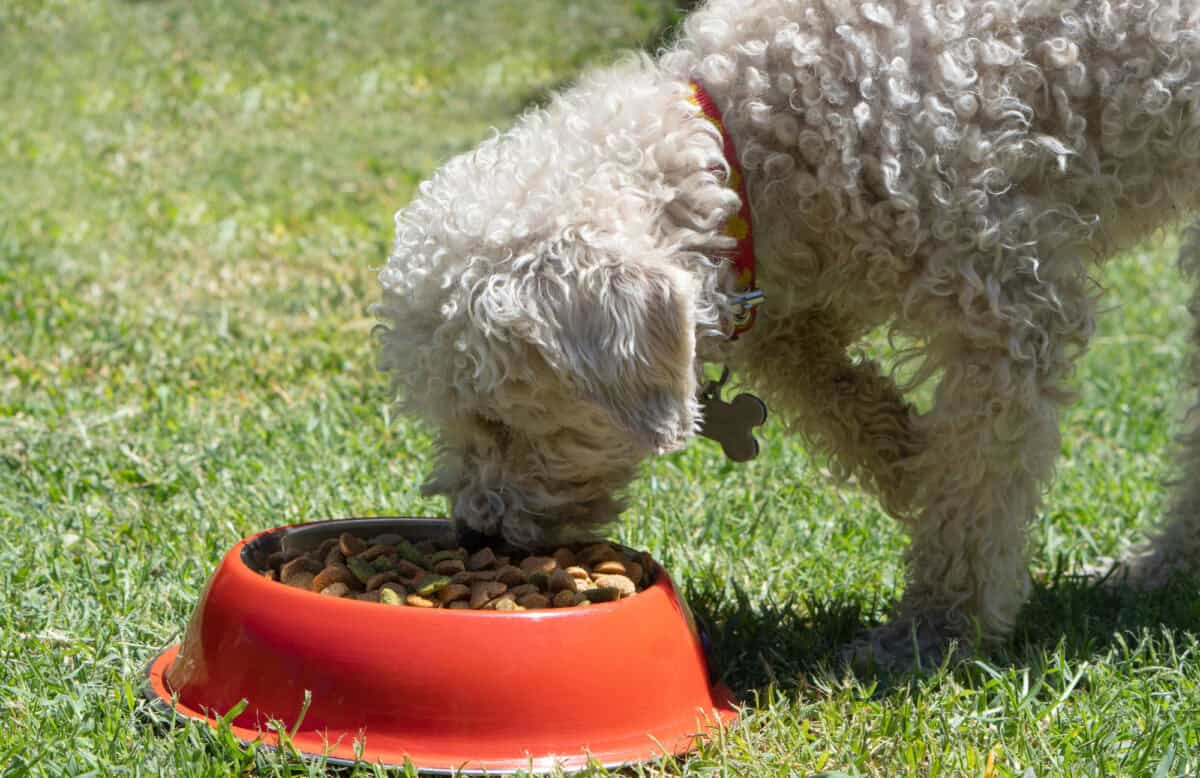
Much like humans, dogs thrive on routine. The predictability of knowing when they will be fed, walked, or played with gives dogs a comforting sense of stability. Establish a consistent schedule for feeding, bathroom breaks, playtime, and bedtime. Regularity in daily activities reduces anxiety and helps your dog understand what to expect next.
14. Create a Safe Space

Every dog should have a designated safe zone where they can retreat to feel secure. This could be a cozy corner with a comfortable bed, away from loud noises and high traffic areas. Providing a sanctuary where they can relax undisturbed is essential for their peace of mind.
13. Use Positive Reinforcement

Positive reinforcement is a powerful tool for establishing trust and security. Reward your dog with treats, praise, or playtime whenever they exhibit good behavior. This approach encourages positive actions and helps your dog associate certain behaviors with positive outcomes, reinforcing their sense of safety.
12. Maintain a Calm Environment

Dogs are highly perceptive and can easily pick up on stress and tension in their environment. Maintaining a calm and peaceful home environment helps prevent anxiety. Try to keep loud noises, aggressive tones, and sudden movements to a minimum to foster a tranquil atmosphere for your pet.
11. Provide Ample Exercise
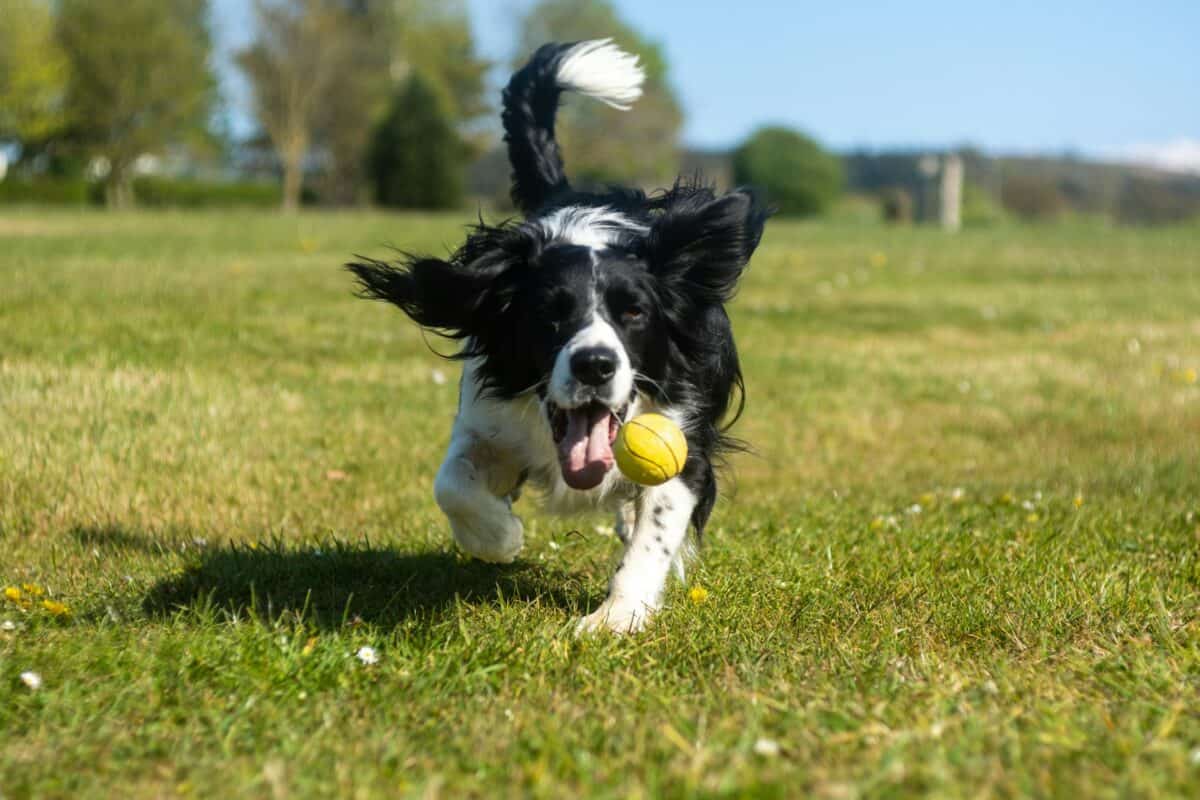
A well-exercised dog is generally a happier and more content dog. Regular physical activity can reduce stress and anxiety, helping them feel more secure. Make sure your dog gets enough exercise each day through walks, playtime, or interactive toys.
10. Engage in Consistent Training

Training not only teaches your dog essential commands but also strengthens the bond between you and your pet. Consistent training sessions enhance communication, allowing your dog to understand expectations, which boosts their sense of security.
9. Foster Socialization

Proper socialization with other dogs and people is crucial for your dog’s confidence and safety. Regular social interactions help them become comfortable in different environments and with various stimuli. Ensure these experiences are positive and controlled to avoid overstimulation.
8. Monitor Nutrition

A balanced diet is crucial for your dog’s health and well-being. Feeding your dog the right amount of high-quality food at regular intervals contributes to their physical health, which in turn affects their emotional security. Consult your veterinarian for dietary recommendations tailored to your dog’s needs.
7. Ensure Regular Vet Visits

Regular check-ups with a veterinarian are essential to keep your dog healthy and reassure them of their physical safety. Preventive care and early detection of health issues play a vital role in your dog’s overall sense of well-being. Make these visits routine to align with their steady routine.
6. Practice Gentle Grooming

Grooming is more than just keeping your dog clean; it’s an opportunity to bond and provide care. Regularly brushing your dog, cleaning their ears, and trimming their nails not only promote good hygiene but also helps them feel loved and protected.
5. Provide Mental Stimulation

Mental stimulation is key to a well-balanced dog. Engage your dog with puzzle toys, scent games, or new tricks to keep their mind active. Mental challenges prevent boredom and anxiety, contributing to a safer and more comfortable environment for them.
4. Communicate Affection Through Touch

Physical affection is an essential component of a dog’s emotional security. Regular pets, cuddles, and gentle strokes tell your dog that they are loved and secure. This tactile form of communication is especially reassuring to them.
3. Respect Their Boundaries

Understanding and respecting your dog’s boundaries plays an important role in making them feel safe. Pay attention to their body language and cues, and avoid forcing them into situations where they feel uncomfortable or scared.
2. Address Fear Triggers

Identify and mitigate environmental factors that cause fear or stress in your dog. Whether it’s the vacuum cleaner or fireworks, recognizing these triggers allows you to manage them better. Provide comfort and reassurance when these situations arise.
1. Be Present and Attuned

Your presence is one of the most reassuring things to your dog. Be attentive to them daily, ensuring you take time to engage directly with their needs and emotions. This builds trust and reinforces their sense of safety, knowing you are always there.
In conclusion, incorporating these 15 habits into your daily routine can significantly enhance your dog’s sense of safety and overall well-being. By doing so, you’ll be fostering a more secure, happy, and healthy environment for your beloved pet. A safe dog is a content dog, and when your dog feels secure, their loyalty and joy become even more evident. Remember that a little effort each day to nurture these habits can lead to a lifetime of trust and companionship.

- Wildlife Mysteries That Took Decades to Solve - July 21, 2026
- The Largest Python Ever Captured in Florida’s Everglades - July 21, 2026
- How Crickets Chirp Using Their Wings - July 20, 2026