
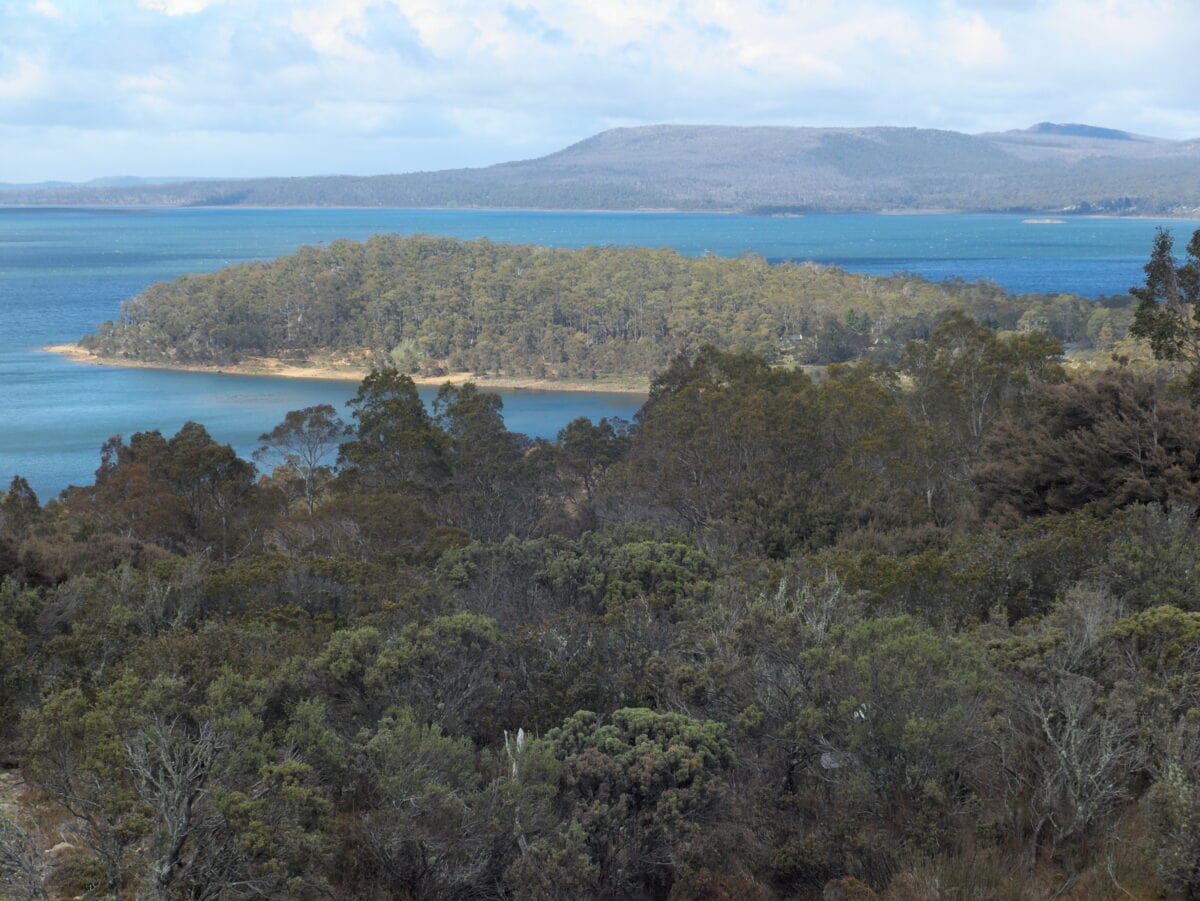
The Great Lakes, comprising Lakes Superior, Michigan, Huron, Erie, and Ontario, are vital to North America’s ecological balance, economy, and culture. These vast freshwater bodies hold about 20% of the world’s surface fresh water, serving as a critical resource for millions of people and countless wildlife. But what if, one day, these lakes were to vanish completely? The impact on the environment, economy, and our daily lives would be profound and far-reaching. In this article, we will explore the various consequences that would arise if the Great Lakes were to suddenly dry up.
Understanding the Great Lakes

Spanning more than 94,000 square miles, the Great Lakes are a collective natural wonder, formed around 14,000 years ago from glacial activity. These lakes are interconnected and act as a massive freshwater reservoir, influencing the region’s climate, providing water for consumption and agriculture, and supporting a diverse range of ecosystems.
Ecological Impact

The sudden disappearance of the Great Lakes would trigger an ecological crisis. These lakes provide habitat for over 3,500 species, including fish, birds, and a variety of flora and fauna. Wetlands surrounding the lakes would disappear, leading to a collapse in biodiversity and alteration of migratory bird routes, affecting ecosystems across North America.
Economic Consequences

The Great Lakes are a focal point of the regional economy, drawing in revenue from tourism, recreation, and fisheries. This freshwater system plays a crucial role in industries such as shipping, agriculture, and manufacturing. If the lakes dried up, it would devastate these economic sectors, eliminating jobs and disrupting trade routes dependent on this natural resource.
Impact on Drinking Water Supply
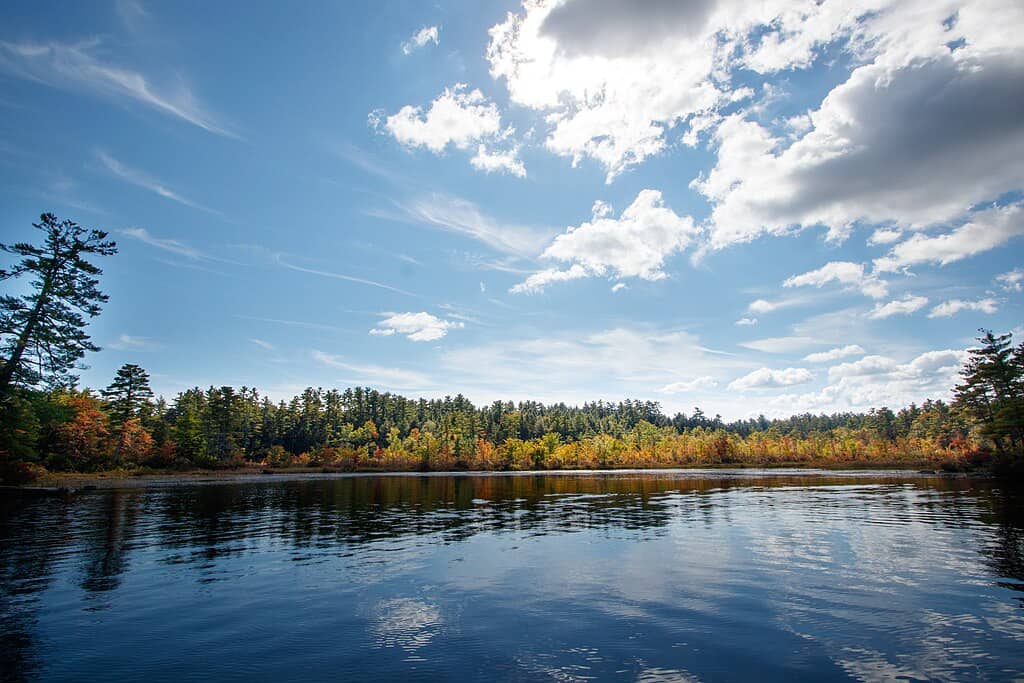
Approximately 40 million people rely on the Great Lakes for their drinking water. The sudden loss would lead to a severe water crisis, forcing cities to scramble for alternative sources. This may cause increased competition for remaining freshwater resources, leading to potential conflicts and public health emergencies.
Effects on Climate
The Great Lakes have a moderating effect on the climate of the surrounding areas by absorbing heat in the summer and releasing it during winter. If these lakes vanished, it could lead to harsher winters and hotter summers, impacting agriculture and increasing energy demands for heating and cooling.
Impact on Agriculture
Agriculture relies heavily on the water from the Great Lakes region for irrigation and livestock. The disappearance of these lakes would threaten crop yields and farm sustainability, leading to food shortages and economic strain on farmers and agricultural businesses.
Shift in Migration Patterns
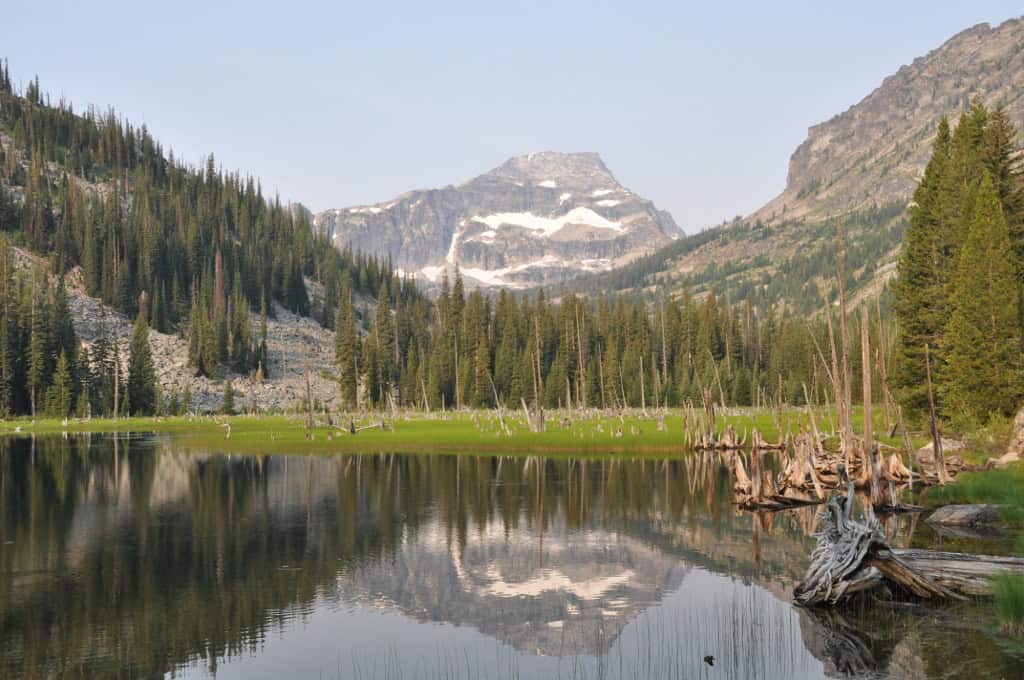
Humans and wildlife alike might be forced to migrate in search of new water sources and habitable climates. This shift would add pressure to areas already dealing with water scarcity, inflating environmental and social stresses.
Alteration of Water Tables and River Systems
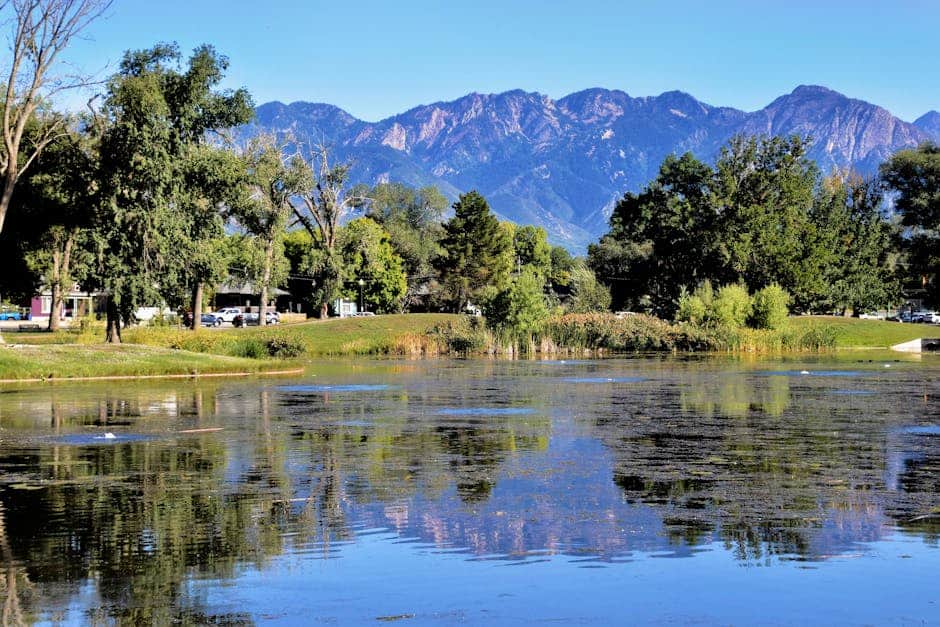
The sudden drying up of the Great Lakes would dramatically alter regional aquifers and groundwater systems. River flows that feed into the lakes would be disrupted, affecting water quality and the viability of settlements dependent on these water sources downstream.
Impacts on Transportation
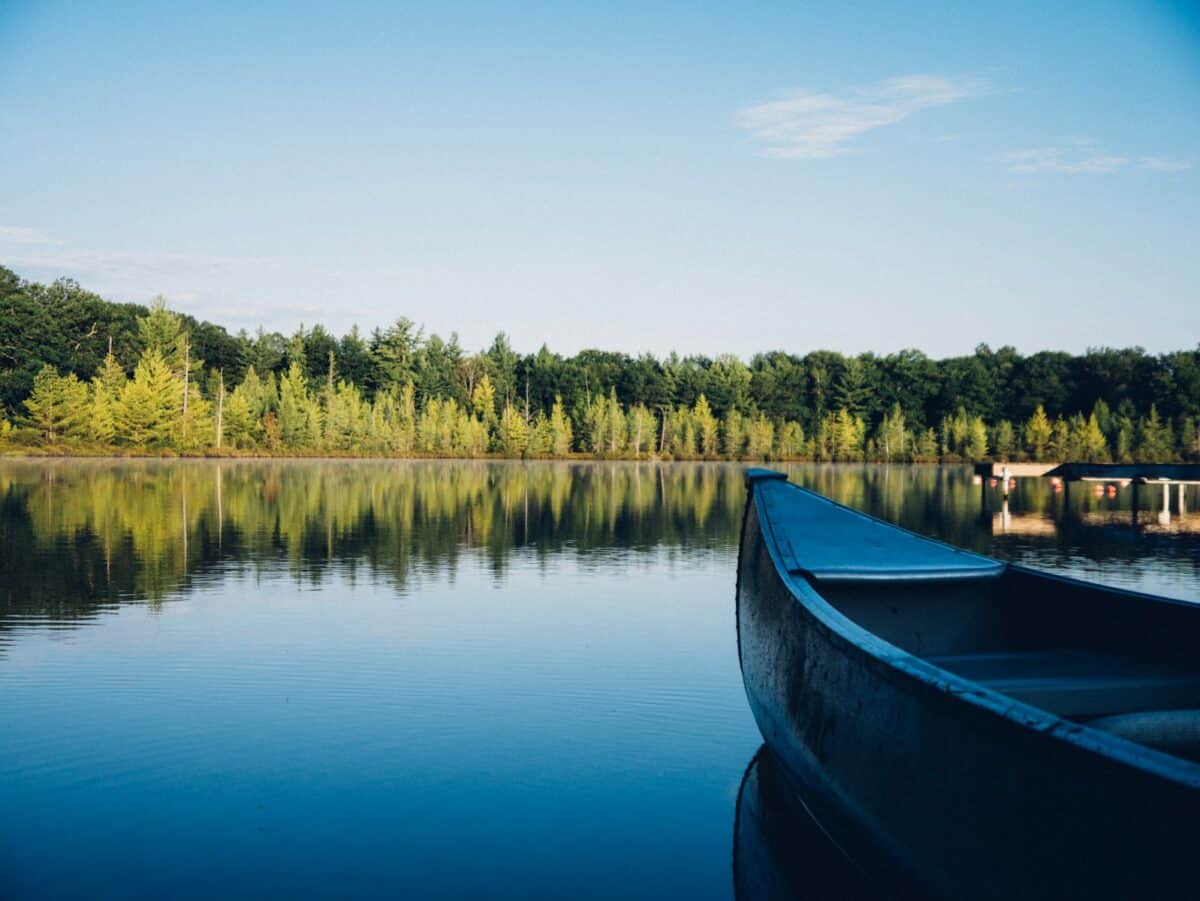
The Great Lakes are a crucial component of international shipping routes. A loss would divert or halt maritime trade, impacting goods transportation costs worldwide and possibly causing significant economic repercussions beyond the region.
Loss of Cultural Heritage

Aside from being a natural resource, the Great Lakes hold cultural and historical significance for the Indigenous peoples of the region and residents who have depended on these waters for centuries. Their loss would mean a profound erosion of cultural identity and heritage.
Impact on Recreational Activities
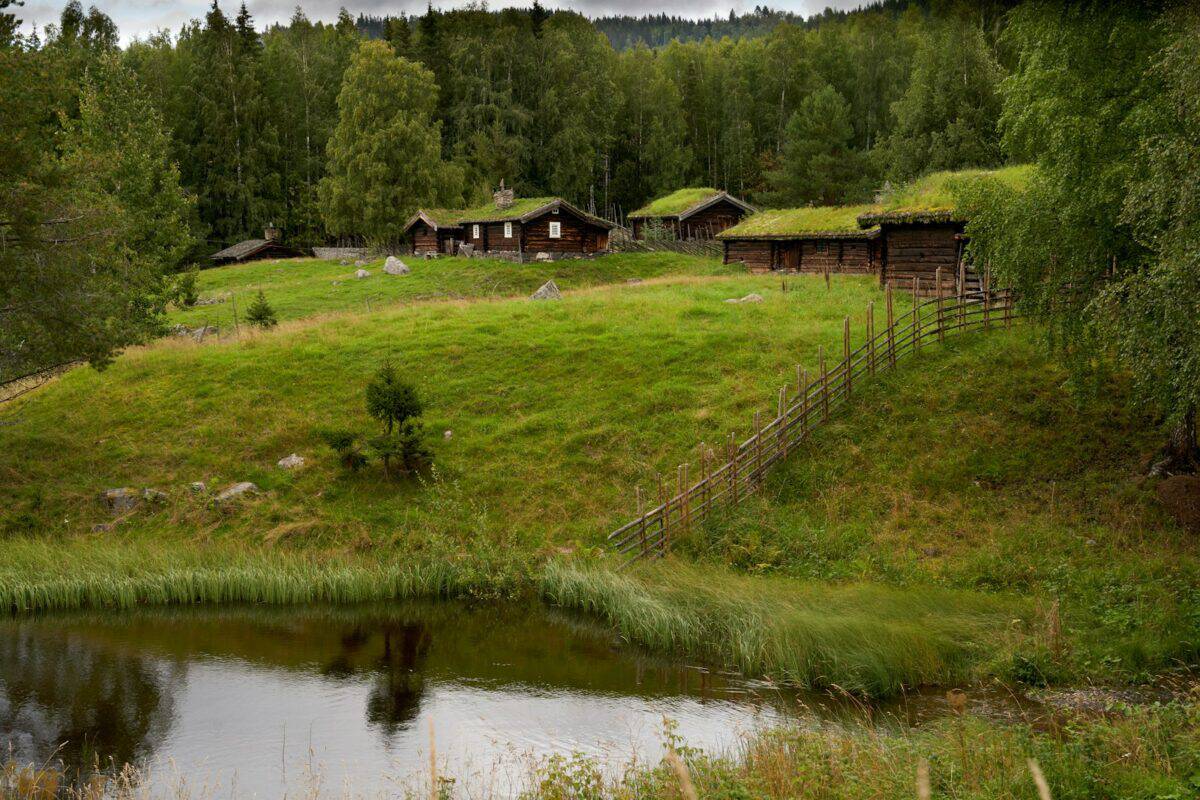
The Great Lakes region is a hotspot for activities like fishing, boating, and tourism. Without the lakes, these leisure pursuits and the industries surrounding them would collapse, impacting personal lifestyles and local economies dependent on tourism dollars.
Scientific and Educational Consequences
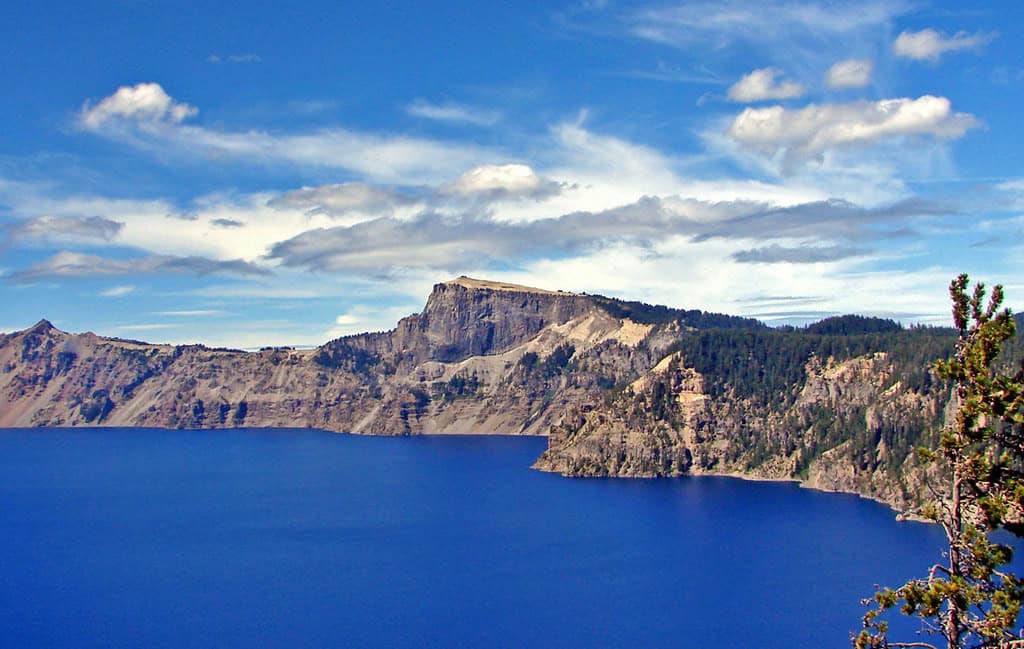
Research related to limnology, climatology, and sustainable water management benefit greatly from studies conducted in the Great Lakes. Their disappearance would severely hamper scientific progress, affecting education and research opportunities in these fields.
The Need for Conservation and Action
Imagining a world without the Great Lakes underscores the importance of ongoing conservation efforts. Addressing threats like pollution, climate change, and unsustainable water usage is crucial to preserve these vital resources. Proactive management and policy changes can help ensure the Great Lakes continue to sustain both nature and human livelihoods for generations to come.
Conclusion

The hypothetical scenario of the Great Lakes vanishing highlights their irreplaceable role in the ecological, economic, and social fabric of North America. Though unlikely to dry up suddenly, these lakes face gradual threats from environmental changes and human activity. Understanding the enormity of the impact helps drive home the necessity for diligent conservation efforts and awareness of the precarious balance these freshwater systems maintain. By valuing and protecting this precious natural resource, we can preserve them for future generations.

- The Secret Language of Dolphins Decoded by Researchers - July 20, 2026
- 7 Animals That Can Survive Extreme Environments You Couldn’t - July 20, 2026
- The Longest Snake Ever Found in the U.S. - July 20, 2026