

Tsunamis are among nature’s most powerful and destructive forces, capable of reshaping coastlines and altering human and animal habitats. These massive waves, often generated by underwater earthquakes, can travel thousands of miles across the ocean, impacting distant shores. The power and unpredictability of tsunamis have left an indelible mark on human history and the natural world. This article explores 13 significant tsunamis that have reshaped coastlines and the lives of those who inhabit them.
The Great Lisbon Earthquake of 1755

The Great Lisbon Earthquake of 1755 was one of the deadliest tsunamis in history. Occurring on the morning of November 1st, the earthquake struck off the coast of Portugal. This catastrophic event generated a massive tsunami that devastated the city of Lisbon and several other coastal areas. The waves reached heights of up to 20 meters, sweeping away entire communities and causing widespread destruction. The tragedy highlighted the vulnerability of coastal cities to natural disasters and led to significant architectural and urban planning changes in Lisbon.
The Krakatoa Eruption of 1883

In 1883, the eruption of the Krakatoa volcano in Indonesia triggered a series of tsunamis that caused immense devastation. The explosions were so violent that they were heard thousands of miles away. The resulting tsunamis reached heights of over 40 meters, obliterating coastal villages and killing tens of thousands of people. The event also had a profound impact on the global climate, leading to what was known as the “year without a summer.” The Krakatoa eruption stands as a stark reminder of the interconnectedness of natural forces and their potential to alter the environment.
The 1946 Aleutian Islands Earthquake

The Aleutian Islands earthquake of 1946 generated a tsunami that traveled across the Pacific Ocean, reaching as far as Hawaii and causing significant damage and loss of life. The earthquake had a magnitude of 8.6 and struck the uninhabited Scotch Cap Lighthouse on Unimak Island, destroying it completely. When the tsunami reached Hawaii, it caused extensive flooding and damage to Hilo, leading to the establishment of the Pacific Tsunami Warning Center. This event underscored the need for early warning systems to mitigate the impact of tsunamis on coastal communities.
The 1960 Valdivia Earthquake

The Valdivia Earthquake in Chile, occurring on May 22, 1960, is the most powerful earthquake ever recorded, with a magnitude of 9.5. The earthquake triggered a series of tsunamis that traveled across the Pacific Ocean, affecting countries as far away as Japan and the Philippines. The waves caused significant damage to coastal areas in Chile, where entire communities were submerged, and infrastructure was destroyed. The Valdivia Earthquake and its resulting tsunamis highlighted the global reach of such natural disasters and the need for international cooperation in response efforts.
The 1964 Alaska Earthquake

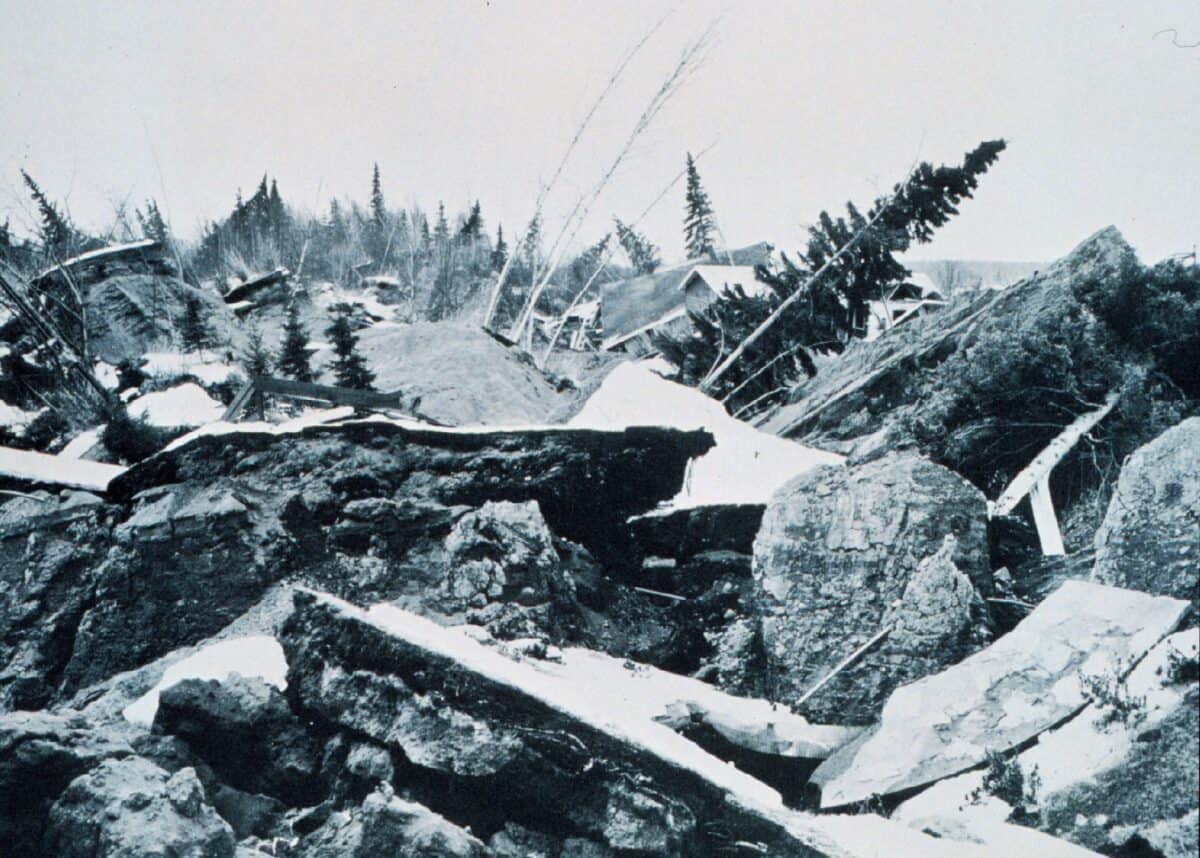
The 1964 Alaska Earthquake, also known as the Great Alaskan Earthquake, was the second most powerful earthquake ever recorded, with a magnitude of 9.2. Occurring on Good Friday, the earthquake triggered a massive tsunami that caused destruction along the Alaskan coastline and beyond. The waves reached heights of up to 30 meters in some areas, devastating coastal towns and infrastructure. The event led to significant advancements in seismology and tsunami research, emphasizing the importance of understanding and predicting these natural phenomena.
The 1976 Moro Gulf Tsunami

In 1976, a powerful earthquake struck the Moro Gulf in the Philippines, generating a tsunami that caused widespread devastation. The waves reached heights of up to 9 meters, inundating coastal communities and leading to the deaths of thousands of people. The Moro Gulf Tsunami highlighted the vulnerability of the Philippines to seismic activity and underscored the need for improved disaster preparedness and response measures. The event also raised awareness about the importance of preserving natural barriers, such as mangroves, which can mitigate the impact of tsunamis.
The 1998 Papua New Guinea Tsunami

The 1998 tsunami in Papua New Guinea was triggered by a submarine landslide following an earthquake. The waves, reaching heights of up to 15 meters, struck the northern coast of the island, sweeping away entire villages and causing significant loss of life. The tragedy highlighted the need for a better understanding of the complex triggers of tsunamis, such as underwater landslides, and the importance of establishing early warning systems in vulnerable regions. The event also emphasized the role of international aid and cooperation in disaster response and recovery efforts.
The 2004 Indian Ocean Tsunami

The Indian Ocean Tsunami of 2004, also known as the Boxing Day Tsunami, was one of the deadliest natural disasters in recorded history. Triggered by a massive undersea earthquake off the coast of Sumatra, the tsunami affected 14 countries, with waves reaching heights of up to 30 meters. The disaster claimed the lives of over 230,000 people and caused widespread devastation. The Indian Ocean Tsunami underscored the need for a global tsunami warning system and highlighted the importance of community preparedness and resilience in the face of natural disasters.
The 2009 Samoa Tsunami

In 2009, an earthquake with a magnitude of 8.1 struck the Samoa Islands region, generating a tsunami that caused significant damage and loss of life. The waves reached heights of up to 14 meters, inundating coastal communities and destroying infrastructure. The Samoa Tsunami highlighted the importance of educating communities about tsunami risks and the need for effective evacuation plans. The event also emphasized the role of regional cooperation and coordination in disaster response efforts, as neighboring countries provided assistance in the aftermath of the disaster.
The 2010 Chile Earthquake and Tsunami

The earthquake that struck Chile in 2010 had a magnitude of 8.8, making it one of the most powerful earthquakes in recent history. The quake generated a tsunami that caused extensive damage to coastal areas, with waves reaching heights of up to 10 meters. The disaster underscored the importance of robust building codes and infrastructure resilience in minimizing the impact of natural disasters. The Chile Earthquake and Tsunami also highlighted the need for effective communication and coordination among government agencies and communities in disaster response and recovery efforts.
The 2011 Tōhoku Earthquake and Tsunami

The Tōhoku Earthquake and Tsunami of 2011 was a catastrophic event that struck Japan, causing widespread devastation and loss of life. The earthquake had a magnitude of 9.0, making it one of the most powerful ever recorded. The resulting tsunami reached heights of up to 40 meters, inundating coastal areas and causing a nuclear disaster at the Fukushima Daiichi Nuclear Power Plant. The event highlighted the vulnerabilities of modern infrastructure to natural disasters and underscored the importance of disaster preparedness and resilience. The Tōhoku Earthquake and Tsunami also prompted significant advancements in tsunami research and early warning systems.
The 2018 Sulawesi Earthquake and Tsunami

In 2018, a powerful earthquake struck the island of Sulawesi in Indonesia, generating a tsunami that caused widespread devastation. The waves reached heights of up to 6 meters, inundating coastal communities and leading to significant loss of life. The Sulawesi Earthquake and Tsunami highlighted the challenges faced by developing countries in disaster response and recovery efforts. The event also emphasized the importance of community-based disaster preparedness and the role of local knowledge in mitigating the impact of natural disasters.
The 2018 Anak Krakatoa Eruption

The eruption of Anak Krakatoa in 2018 triggered a tsunami that struck the Sunda Strait between the islands of Java and Sumatra. The waves reached heights of up to 5 meters, causing significant damage and loss of life in coastal communities. The event highlighted the complex interactions between volcanic activity and tsunamis, emphasizing the need for comprehensive monitoring and early warning systems. The Anak Krakatoa Eruption also underscored the importance of international cooperation in disaster response and recovery efforts.
The 2019 Java Earthquake and Tsunami

In 2019, an earthquake struck the Java region in Indonesia, generating a tsunami that affected coastal communities. The waves reached heights of up to 3 meters, causing damage to infrastructure and leading to loss of life. The Java Earthquake and Tsunami highlighted the importance of public awareness and education in disaster preparedness and response efforts. The event also emphasized the need for effective communication and coordination among government agencies, communities, and international partners in the aftermath of natural disasters.
The 2020 Aegean Sea Earthquake and Tsunami

The Aegean Sea Earthquake of 2020, which struck off the coast of Turkey and Greece, generated a tsunami that caused damage to coastal areas. The waves reached heights of up to 2 meters, inundating low-lying areas and causing destruction. The event highlighted the importance of regional cooperation in disaster response and recovery efforts, as neighboring countries provided assistance in the aftermath of the disaster. The Aegean Sea Earthquake and Tsunami also underscored the need for comprehensive risk assessments and mitigation strategies to minimize the impact of natural disasters on vulnerable communities.
The 2021 Tonga Volcanic Eruption and Tsunami

The 2021 volcanic eruption in Tonga generated a tsunami that affected several Pacific island nations. The waves reached heights of up to 1 meter, causing damage to coastal infrastructure and leading to loss of life. The event highlighted the challenges faced by remote island communities in disaster response and recovery efforts. The Tonga Volcanic Eruption and Tsunami also emphasized the importance of international aid and cooperation in supporting affected communities and rebuilding infrastructure in the aftermath of natural disasters.

As a little kid, I fell in love with nature, wildlife, and animals. Living in the USA, South Africa, Italy, China and Germany gave me the opportunity to discover the world's Wildlife. My favorite animals are Mountain Gorillas, Siberian Tigers, and Great White Sharks.
I'm a certified PADI Open Water Diver, went to Everest Base Camp and Trekked Gorillas in Uganda. I hold a Master of Science in Economics and Finance.
Please send any feedback to feedback@animalsaroundtheglobe.com
- 10 Most Unique Reptiles You will See in the US - July 21, 2026
- 3 Dangerous Invasive Species the USA Must Eradicate - July 21, 2026
- 10 Things That Calm Cats And 4 That Make Them Nervous - July 21, 2026