
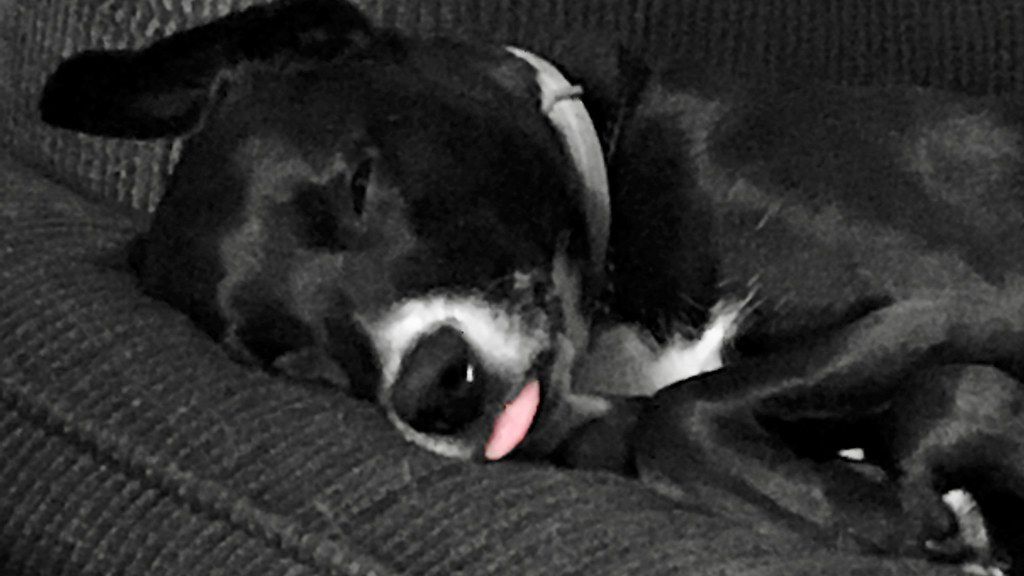
Picture this: your furry companion sprawled out on the floor, paws paddling furiously, tiny whimpers escaping their muzzle. Those aren’t just random spasms. They’re windows into a vivid inner world we rarely ponder.
Science reveals dogs slip into dream states much like ours, replaying adventures with surprising detail. Honestly, it makes you wonder what wild scenarios play out in their heads. Let’s uncover the layers.
Dogs Experience REM Sleep Too
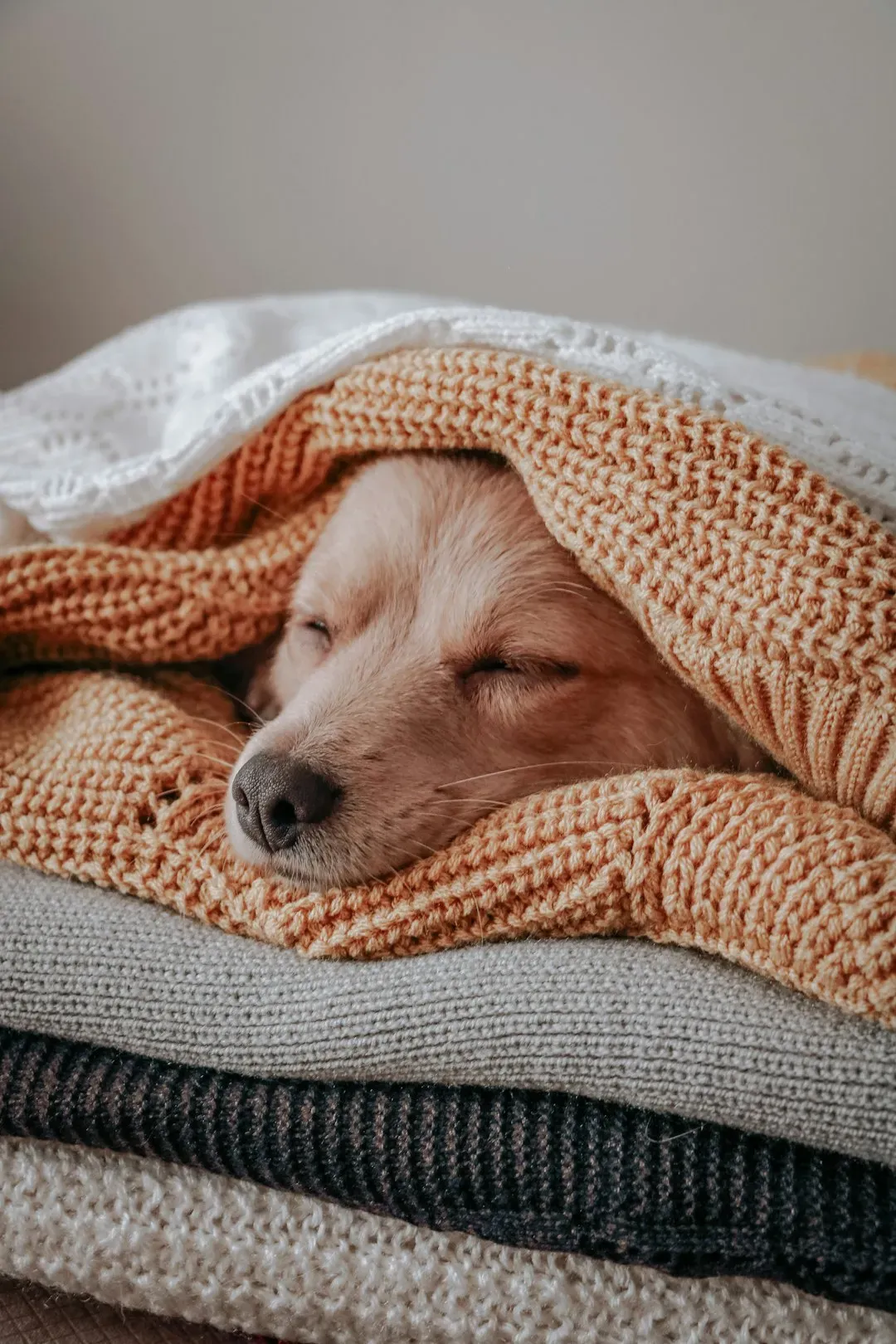
Dogs cycle through sleep stages remarkably similar to humans, hitting REM where dreams ignite.[1] Their eyes dart rapidly under closed lids, breathing quickens irregularly. Brain waves mirror our patterns during this phase.
Puppies and older dogs dive into REM more often, sometimes every ten minutes. Larger breeds take longer stretches between dreams. This setup hints at rich mental activity unfolding nightly.[2]
Those Twitches Reveal Active Minds
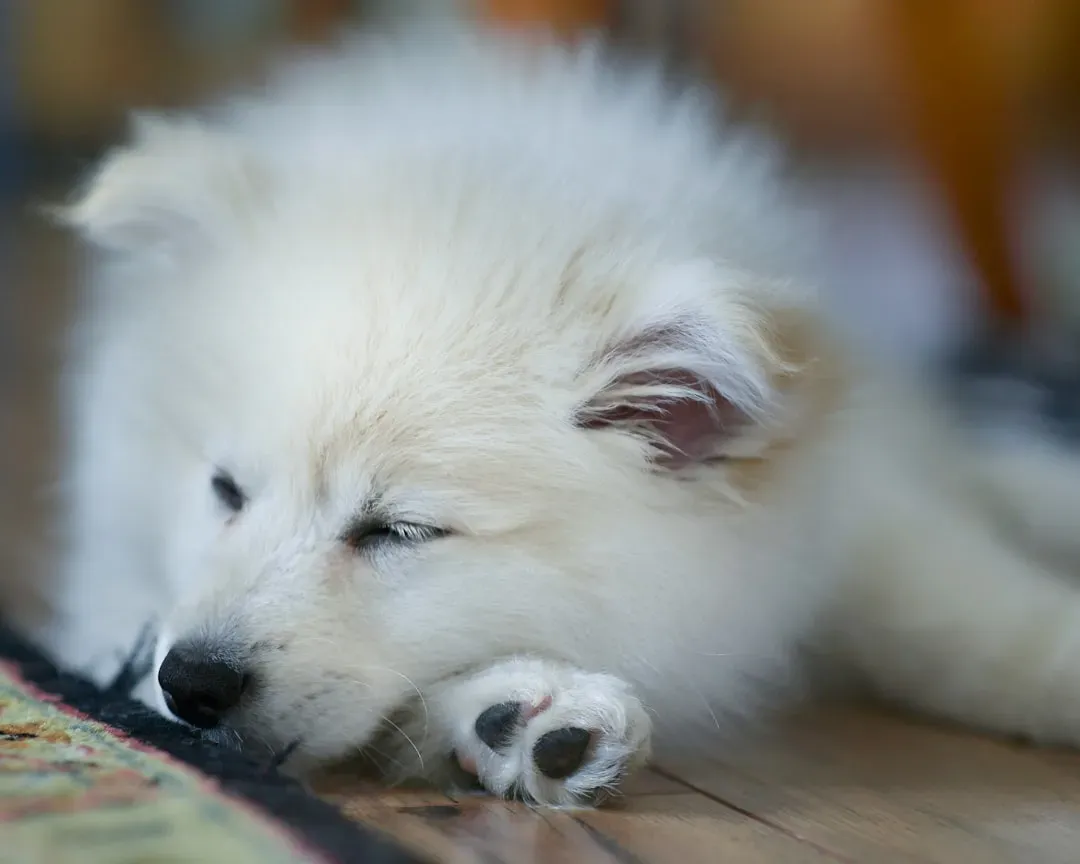
Watch closely next time your dog kicks or chases invisible foes in sleep. These movements signal REM at work, muscles mostly paralyzed to prevent acting out dreams fully. Yet subtle twitches leak through, like previews of their nocturnal escapades.[3]
Whimpers, tail wags, even barks emerge softly. Researchers link this to processing daily stimuli. It’s no simple nap; their brains buzz with purpose.
Replaying Daily Adventures in Dreams
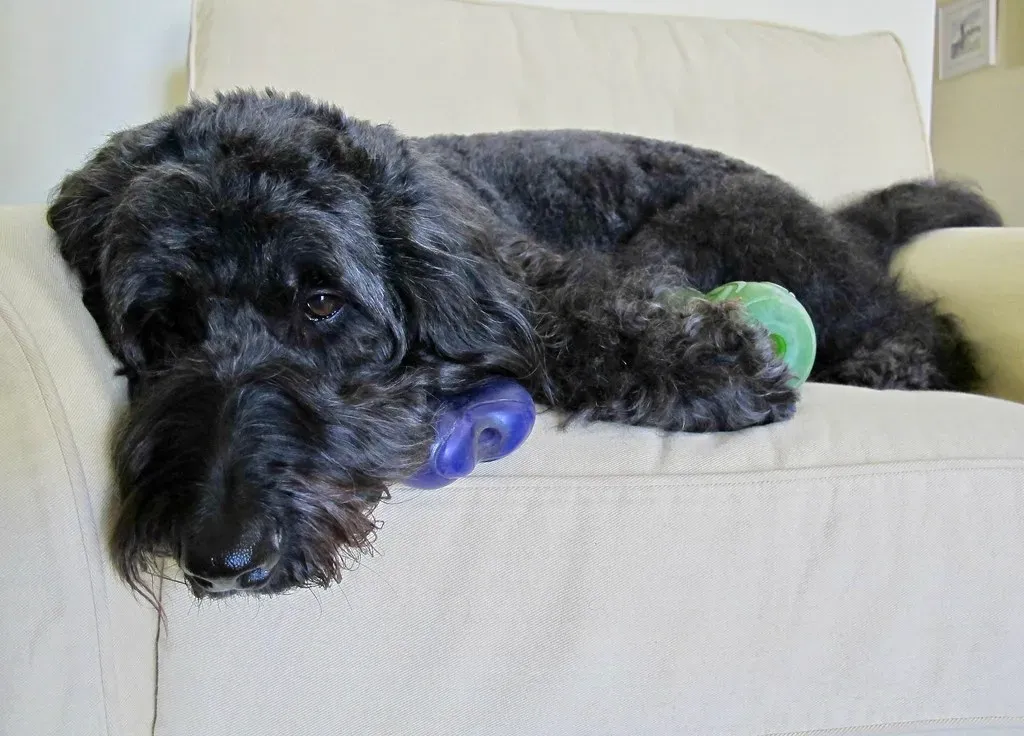
Studies on rats showed brains replay maze runs during sleep, firing neurons in sequence. Dogs, with far more complex brains, likely do the same for walks, fetch games, squirrel chases.[4] MIT’s Matthew Wilson pioneered this insight, extending it to pups.
Your dog’s dream might relive that park romp frame by frame. These replays consolidate memories, sharpen skills. Pretty clever for a creature we pat on the head.
Dreams Often Feature Their Humans
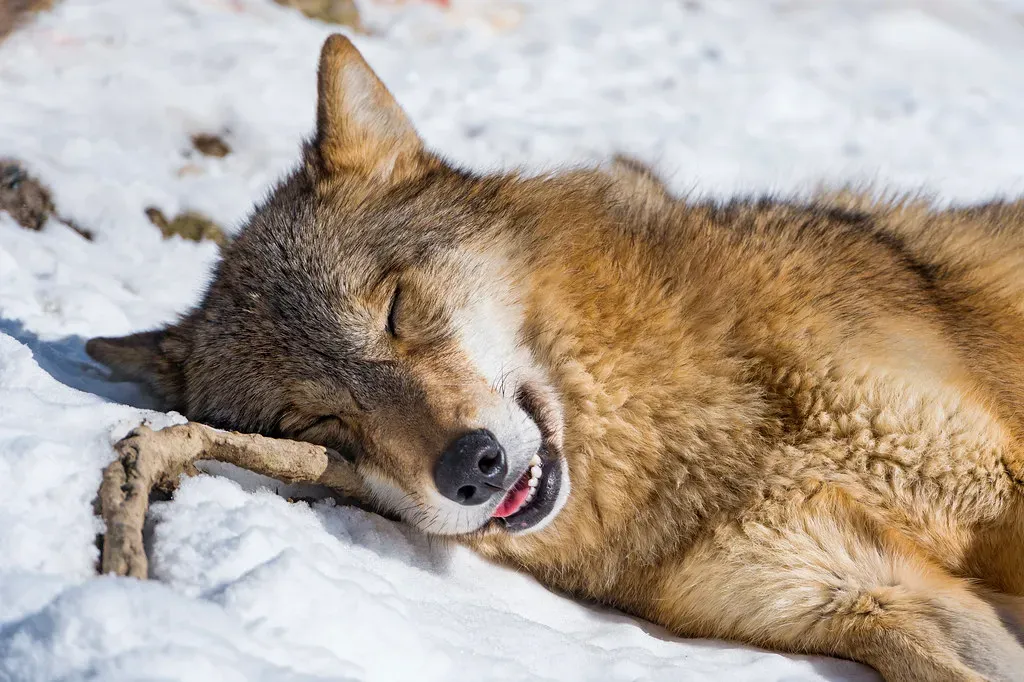
Far from just rabbits or bones, dogs weave owners into their dreamscapes. Research suggests they dream of faces, scents, playful interactions with us.[5] Daily bonds replay vividly, strengthening emotional ties.
Imagine your pup reliving belly rubs or car rides together. It explains those content sighs amid the action. We’re central characters in their subconscious stories.
Small Dogs Dream More Frequently
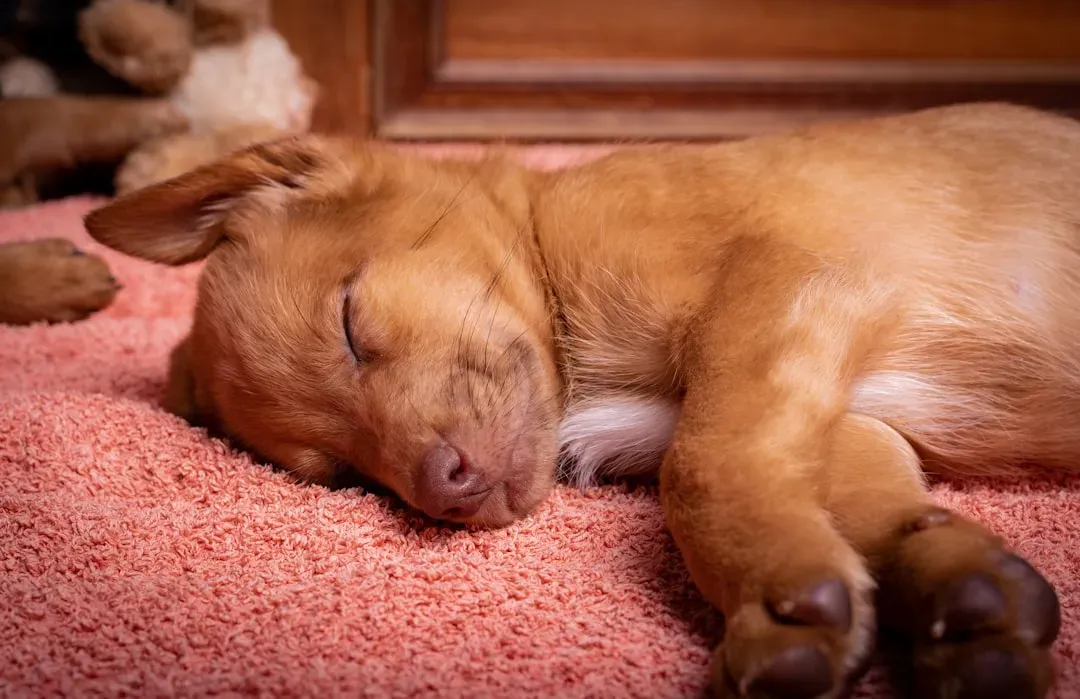
Toy breeds enter dreamland often, sometimes every ten minutes, while giants like Great Danes wait an hour.[2] Shorter sleep cycles mean more REM bouts overall.
This ties to lifestyle; active small dogs process busier days. Larger ones conserve energy with deeper, less frequent dreams. Size shapes their dream rhythm uniquely.
Here’s the thing: it levels the playing field for mental processing.
Emotional and Sequential Complexity
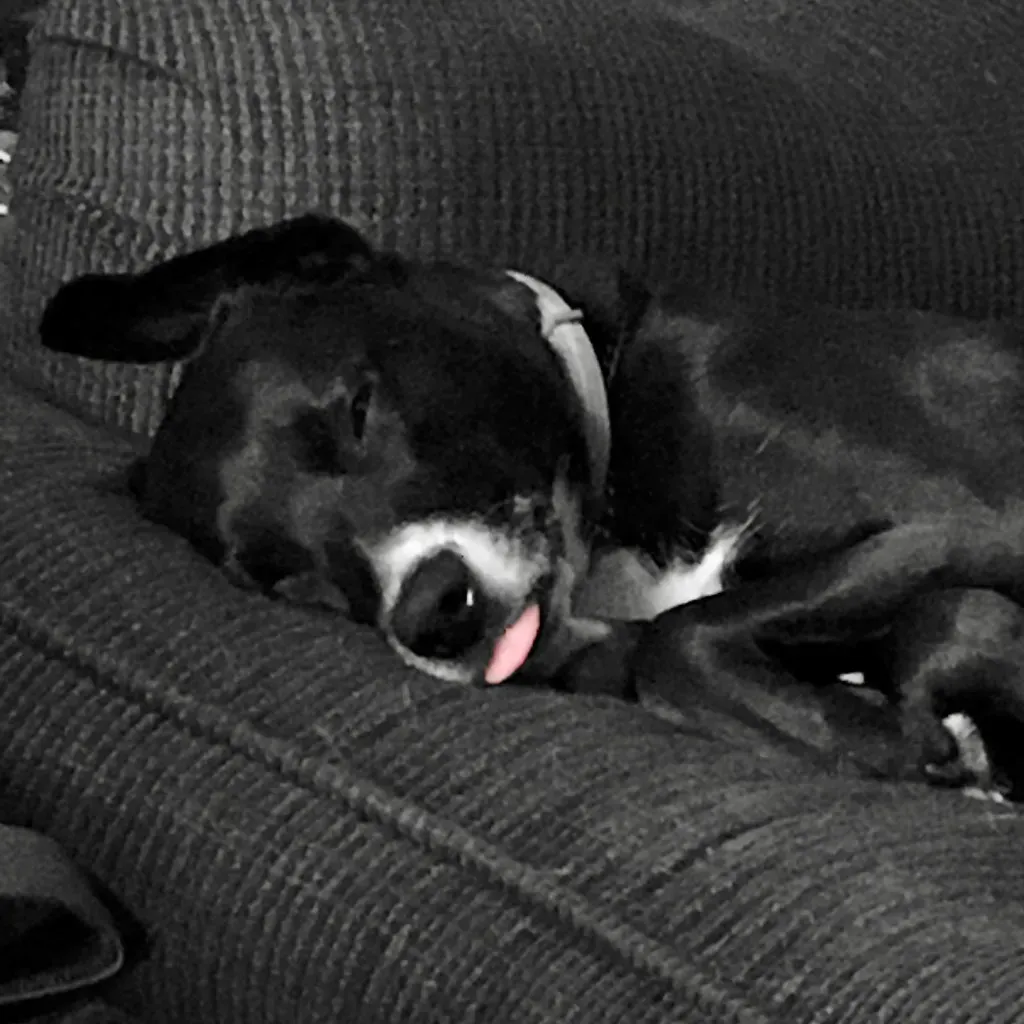
Beyond chases, dogs process emotions in sleep, replaying joyful or tense moments.[6] Brain patterns suggest narrative sequences, not random flashes. Like rats reconstructing mazes, dogs stitch experiences into coherent tales.
This complexity rivals simpler animals, hinting at deeper cognition. Anxiety from separation or excitement from play lingers in dream form. Their minds weave stories we can only guess at.
Key Differences from Human Dreams
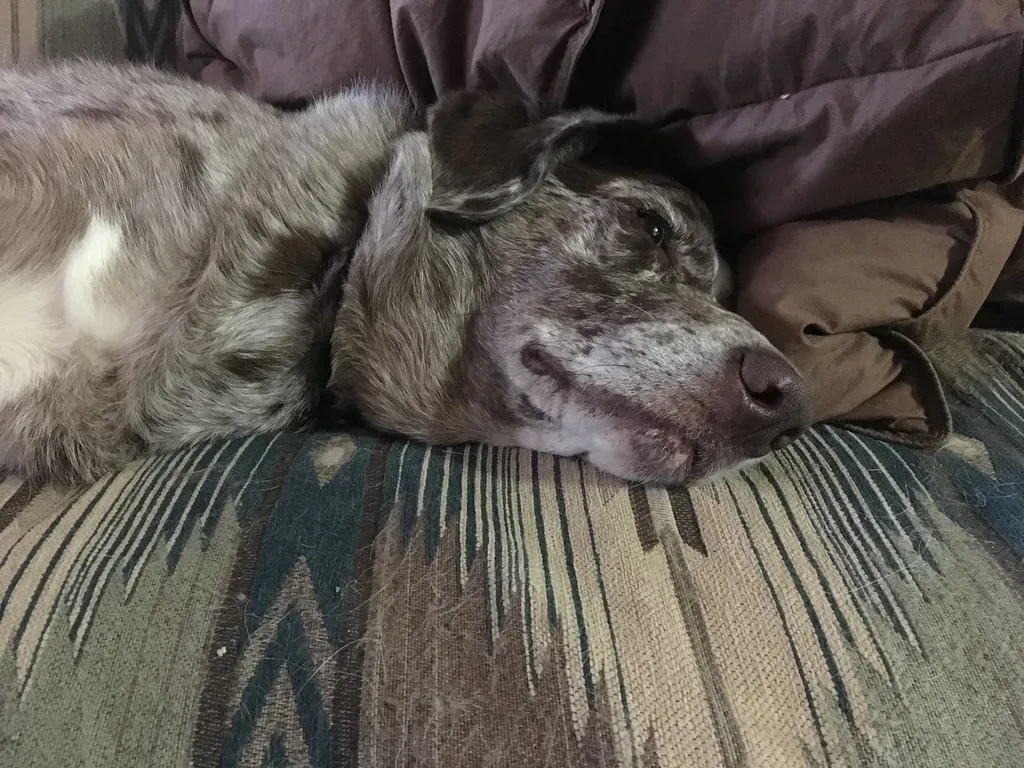
Dogs lack our abstract fantasies; dreams stick close to waking life smells, sounds, actions.[4] No flying or surreal plots, but hyper-realistic replays grounded in senses. Humans layer symbolism; pups keep it literal.
Still, emotional weight matches ours. Both species use dreams for memory and feeling. The gap narrows more than you’d think.
Wrapping Up the Mystery
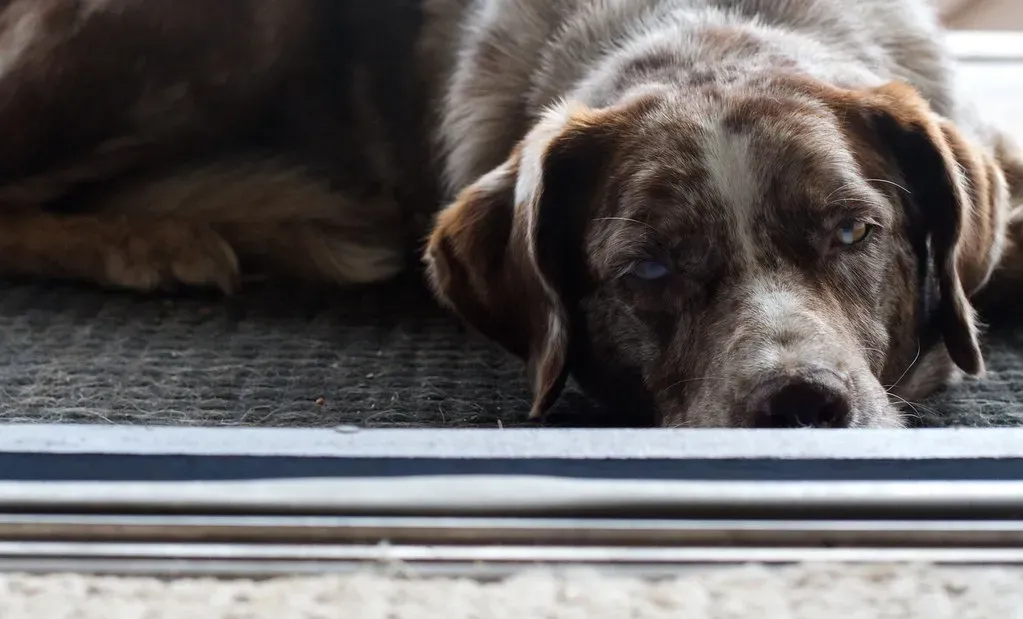
Dog dreams blend replay, emotion, and daily essence into tapestries more intricate than twitches suggest. Next time you catch your pup mid-dream, smile knowing they’re adventuring with you in spirit.
What adventure do you suspect starred in their last dream? Share below.
