


Dogs have been our companions for thousands of years, captivating us with their loyalty, intelligence, and endearing quirks. One of the most charming behaviors exhibited by our canine friends is their tendency to tilt their heads when we talk to them. This head tilt can melt the heart of any dog owner, but it also raises the question: why do dogs do this? In this article, we delve into the fascinating reasons behind this behavior, exploring everything from communication and empathy to sensory processing and anatomy. Grab a cup of tea, sit back, and prepare to see your dog’s head tilt in a whole new light.
Understanding Canine Communication

Dogs use a variety of signals to communicate with us and with each other. From barking and tail wagging to subtle changes in posture, every movement has a potential meaning. The head tilt is part of this intricate system of communication. When a dog tilts its head, it may be attempting to understand us better, using visual and auditory cues to interpret our words and emotions.
Enhancing Auditory Perception

One of the most common explanations for the canine head tilt relates to a dog’s remarkable sense of hearing. By adjusting the position of their ears through head tilts, dogs can better locate the source of a sound. This is particularly useful when the source is a human voice, as pinning down its direction helps dogs differentiate who’s speaking and may enable them to recognize familiar voices more easily.
Improving Visual Acuity

Another reason dogs might tilt their heads is to gain a better field of vision. Dogs’ muzzles can obstruct their view of our facial expressions, and a head tilt can provide a clearer line of sight. This view helps them gather more information through our facial cues, further aiding in their interpretation of our mood and communication intentions.
Encouraging Human Interaction
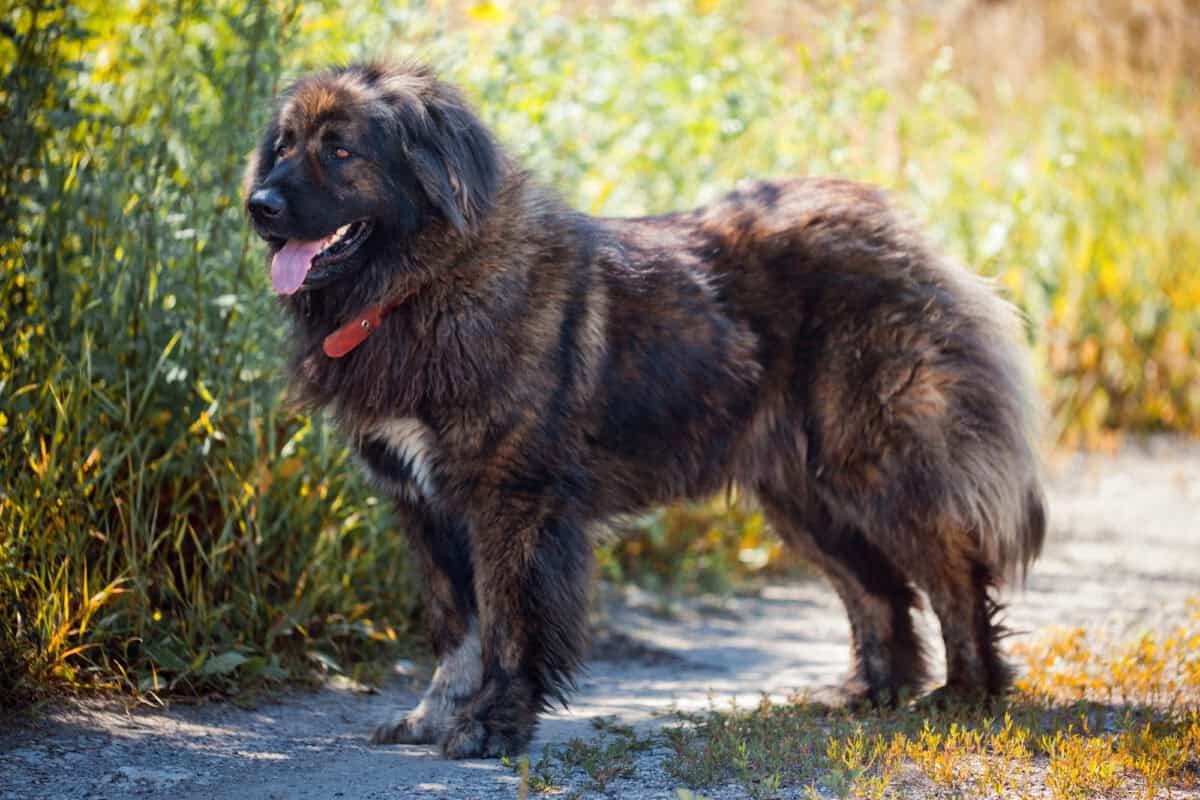
Head tilting might be a learned behavior through positive reinforcement. Many dogs enjoy attention and affection from their owners. If tilting their head results in more interaction, they might perform the action deliberately to receive love and feedback from us. Over time, this behavior becomes a habitual and endearing way to engage their humans.
Assessing Emotional Intelligence

Dogs are known for their emotional attunement, often picking up on subtle emotional cues from their owners. The head tilt may indicate that your dog is trying to empathize with you, understanding that you’re conveying emotion through your words and tone. This empathy reflects their deep-rooted bond with humans and their role as our compassionate companions.
Evaluating Human Cues and Commands

Your tone of voice and choice of words can influence your dog’s behavior. A dog may tilt its head in a genuine attempt to decipher specific commands or questions like “Do you want a treat?” or “Want to go for a walk?” The head tilt indicates concentration as the dog focuses on understanding the task or reward at hand.
Investigating Breed Differences

While many dogs exhibit the head-tilt behavior, some breeds are more prone to it than others. Breeds with larger or more mobile ears may tilt their heads more frequently due to enhanced auditory sensitivity. Meanwhile, brachycephalic breeds, such as pugs or bulldogs, may tilt their heads less due to differences in ear and skull structure.
Exploring Developmental Stages

Puppies often tilt their heads more than adult dogs. This increased frequency might be linked to their growth phase, as puppies are continually learning about their environment, testing their sensory abilities, and developing social bonds. As dogs mature, some may continue to tilt their heads in certain circumstances, while others may outgrow the behavior.
Considering Anatomical Factors

Beyond the behavioral and social reasons, anatomical factors can also play a role. Ear infections or discomfort could lead to increased head tilting as dogs try to alleviate the irritation or signal that something is wrong. Regular veterinary check-ups can ensure that such issues are detected and treated early.
Addressing Hearing Impairments
Sometimes, head tilting might be related to a hearing impairment. Dogs with hearing difficulties may tilt their heads as a compensatory mechanism, attempting to amplify sounds or focus on vibrations to make sense of their surroundings better. Consulting with a veterinary audiologist can help diagnose and manage such conditions.
Experimenting with New Stimuli

Introducing new sounds and experiences to a dog’s environment can prompt head tilting. The novelty engages their natural curiosity, leading them to analyze the unfamiliar stimuli closely. Whether it’s music, an appliance sound, or a speaker’s voice, the tilt signals their investigation and open-mindedness.
Recognizing Personality Traits
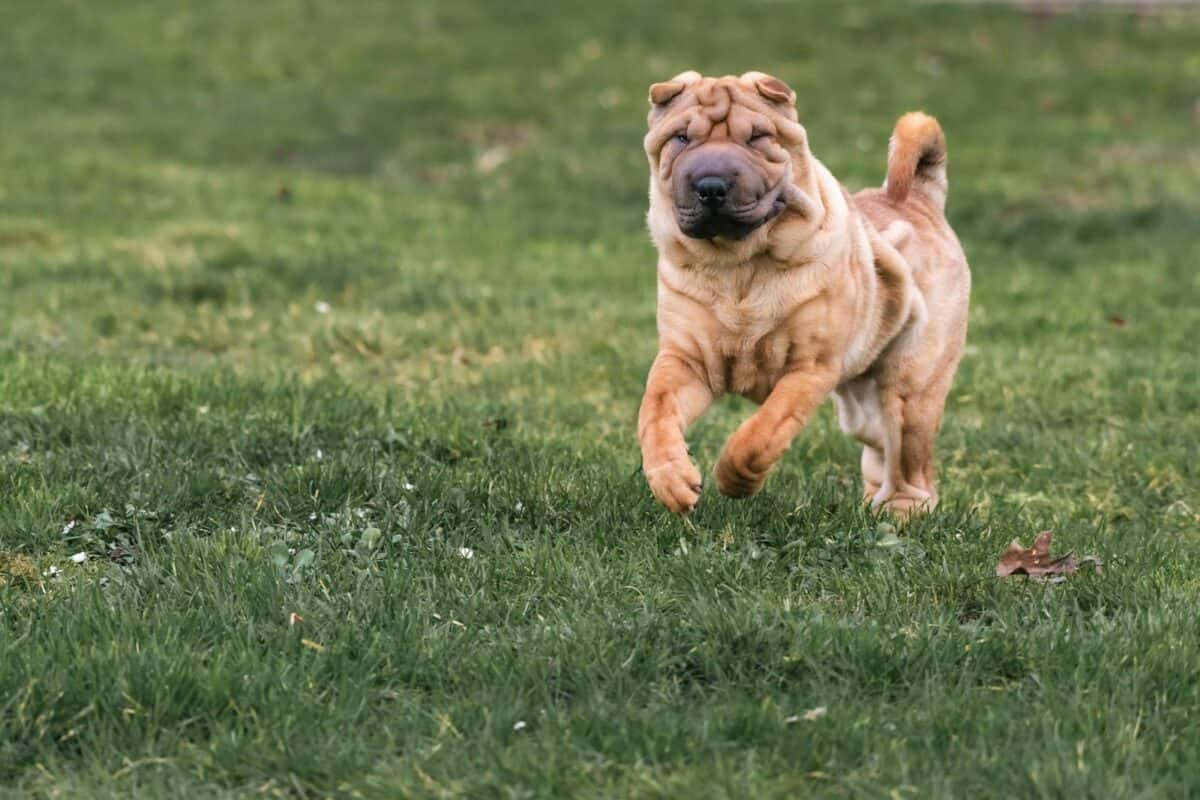
Like humans, dogs have unique personalities that influence their behaviors. Some individual dogs might naturally tilt their heads more frequently due to an inquisitive temperament or gentler disposition. Paying attention to these traits can deepen your understanding of your dog’s unique character and preferences.
Conclusion: A Window into Canine Cognition

The endearing head tilt is more than just a cute quirk; it is a window into the complex and intelligent world of canine cognition. By better understanding why dogs tilt their heads, we gain insight into their sensory processing, emotional intelligence, and deep connection with humans. Awareness of these nuances allows us to strengthen our bonds with our furry friends and appreciate the depth of their communicative capabilities. Next time your dog tilts its head, smile back, knowing it’s part of a shared and meaningful exchange.

As a little kid, I fell in love with nature, wildlife, and animals. Living in the USA, South Africa, Italy, China and Germany gave me the opportunity to discover the world's Wildlife. My favorite animals are Mountain Gorillas, Siberian Tigers, and Great White Sharks.
I'm a certified PADI Open Water Diver, went to Everest Base Camp and Trekked Gorillas in Uganda. I hold a Master of Science in Economics and Finance.
Please send any feedback to feedback@animalsaroundtheglobe.com
- 10 Most Unique Reptiles You will See in the US - July 21, 2026
- 3 Dangerous Invasive Species the USA Must Eradicate - July 21, 2026
- 10 Things That Calm Cats And 4 That Make Them Nervous - July 21, 2026