


Parrots have long fascinated humans with their vibrant plumage and exotic calls. However, recent studies suggest that these avian wonders possess a cognitive prowess that rivals the intellect of young children. But how valid is this claim? Are parrots truly as smart as 5-year-olds? This article delves into the scientific evidence and numerous aspects of parrot intelligence to provide a comprehensive understanding of these captivating birds.
Understanding Parrot Intelligence
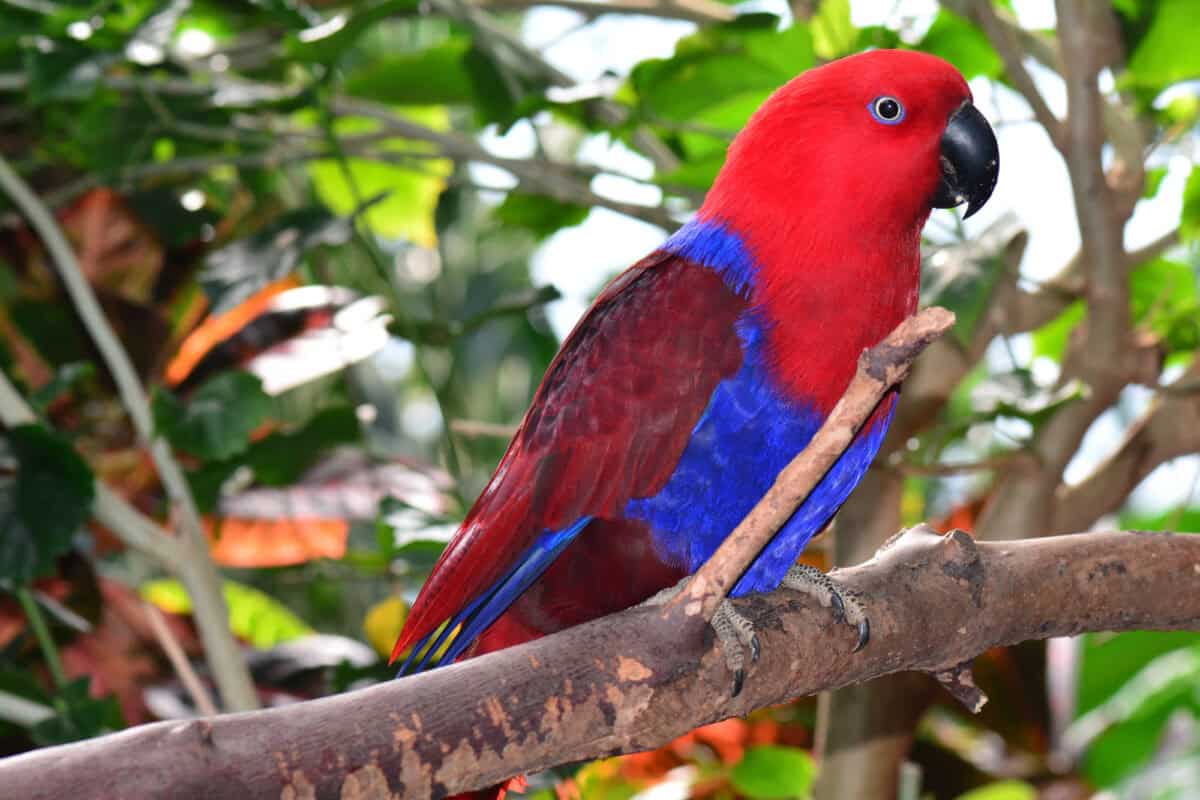
Parrots are often lauded for their high level of intelligence, which is believed to parallel that of young children. Their ability to solve complex problems, engage in sophisticated communication, and exhibit social behaviors showcases a cognitive depth similar to that seen in human toddlers. Researchers use a variety of methods, including problem-solving tasks and vocal mimicry, to explore and measure parrot intelligence.
The Parrot’s Brain: Behind the Cognitive Curtain
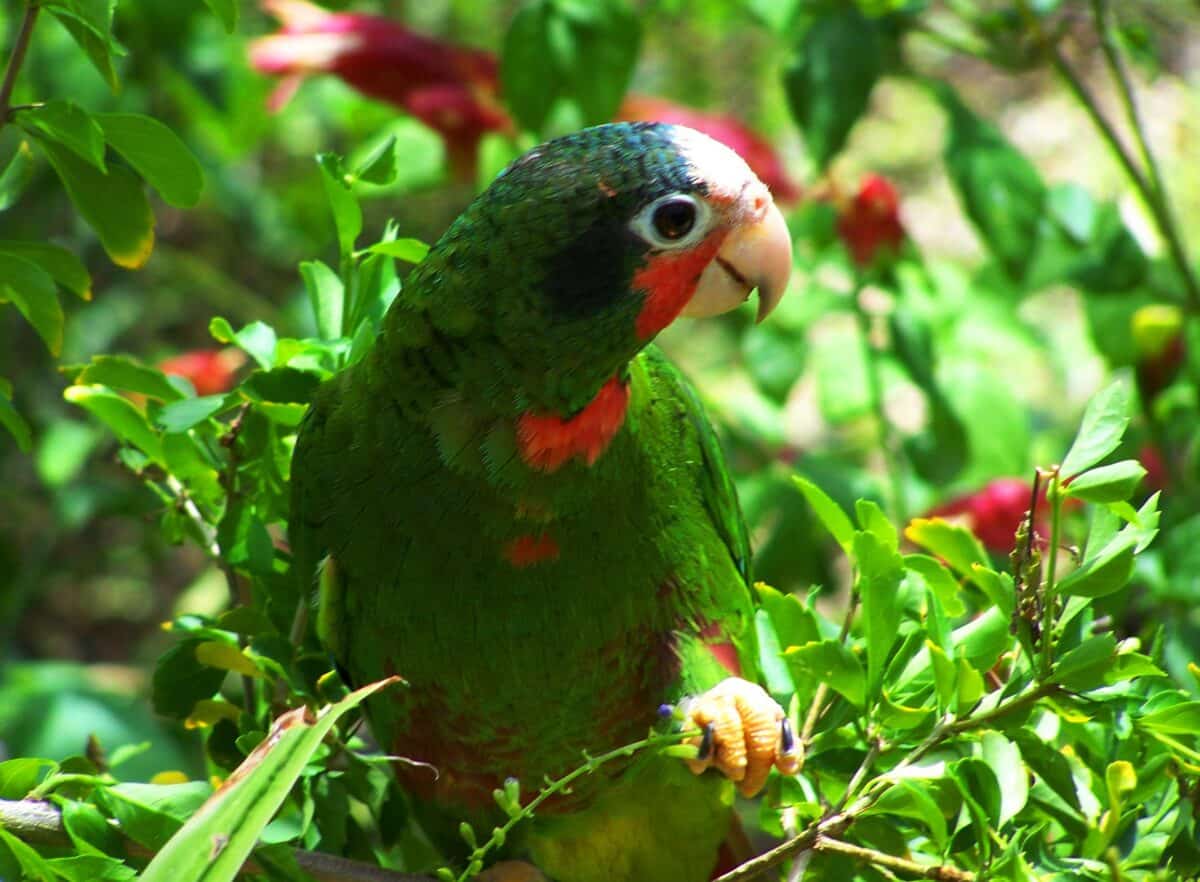
The parrot’s brain is uniquely structured. While it is small in size, it is densely packed with neurons, particularly in areas associated with intelligence and social interaction. This neuroanatomic feature is similar to the human neocortex, which in humans is responsible for higher-order brain functions. This structural similarity underpins their impressive cognitive abilities.
Communication Skills: More Than Just Talking Birds
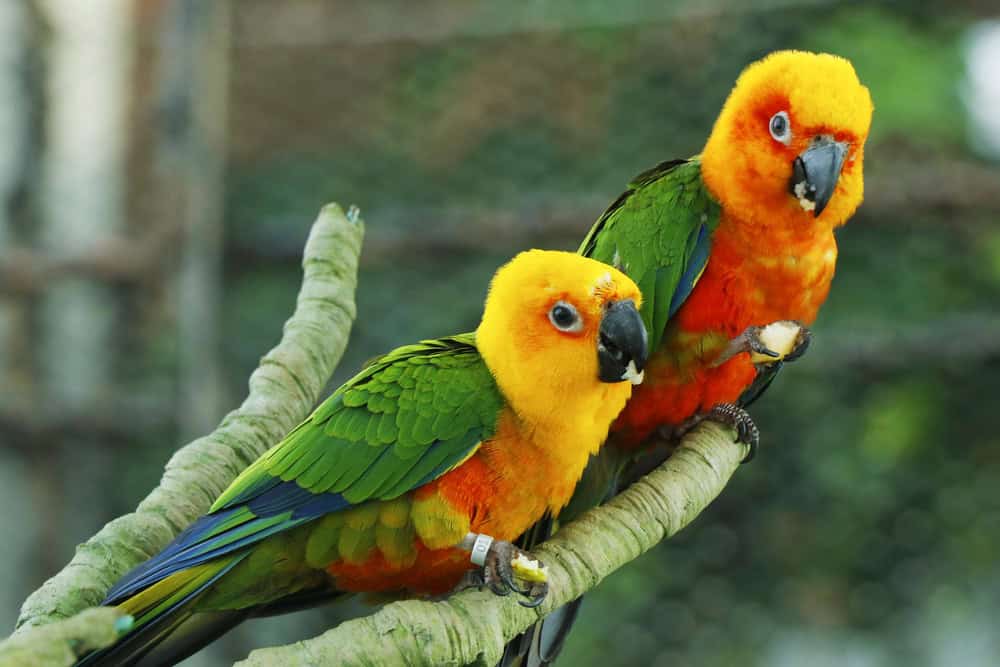
Parrots are renowned for their ability to mimic human speech, but their communication skills go beyond mere imitation. Some species, like the African Grey Parrot, demonstrate the ability to understand and use words contextually. They can label objects, identify colors and shapes, and even express their desires through words—skills akin to those of a 5-year-old child.
Problem Solving and Tool Use
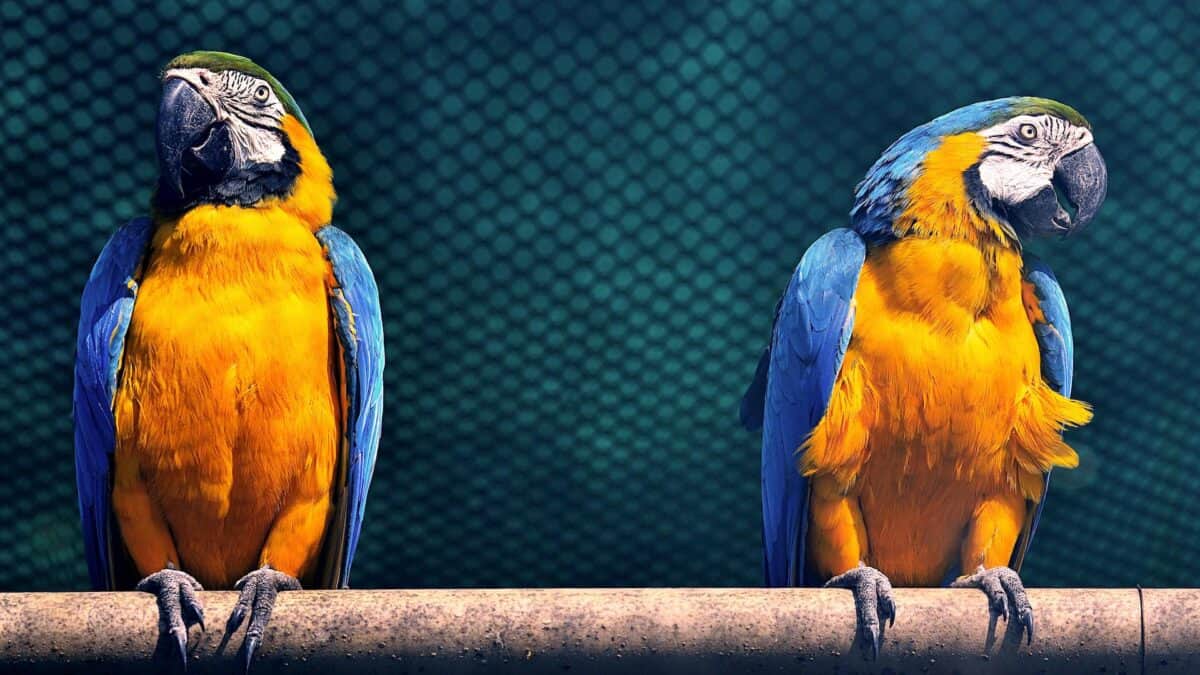
Recent experiments have shown that parrots are capable problem-solvers, demonstrating advanced strategies to overcome challenges. Like children, they can engage in logical tasks, employ tools, and often show an understanding of cause and effect. This ability for abstract thinking and problem solving highlights their intellectual depth and flexibility.
Social Complexity in Parrot Communities

Parrots are highly social creatures, thriving in complex family groups much like young children thrive in social playgroups. They exhibit social behaviors such as cooperation, hierarchical structuring, and caretaking. These interactions in their natural habitats underline their emotional intelligence and adaptability.
Memory and Learning Capabilities
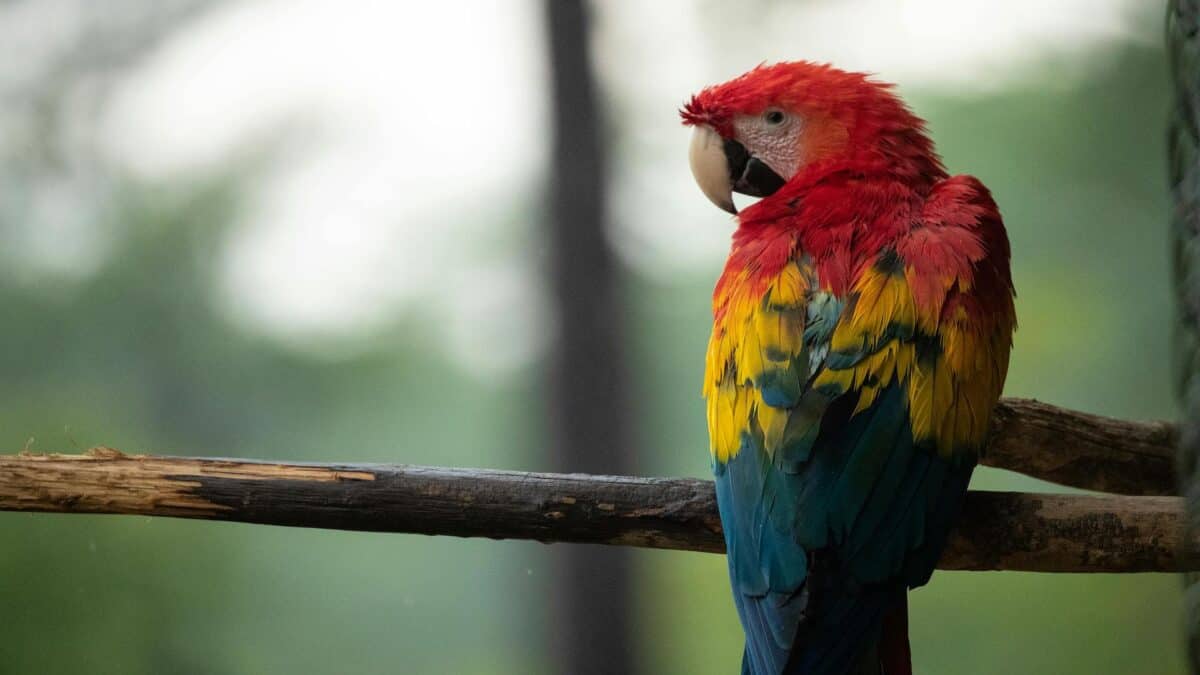
Parrots exhibit remarkably strong memory skills, which aid in both their survival in the wild and their interactions with humans. They can remember the locations of hidden food, learn long sequences of actions, and retain information over extended periods. This retention ability is comparable to—if not exceeding—that of young children.
The Role of Play in Cognitive Development
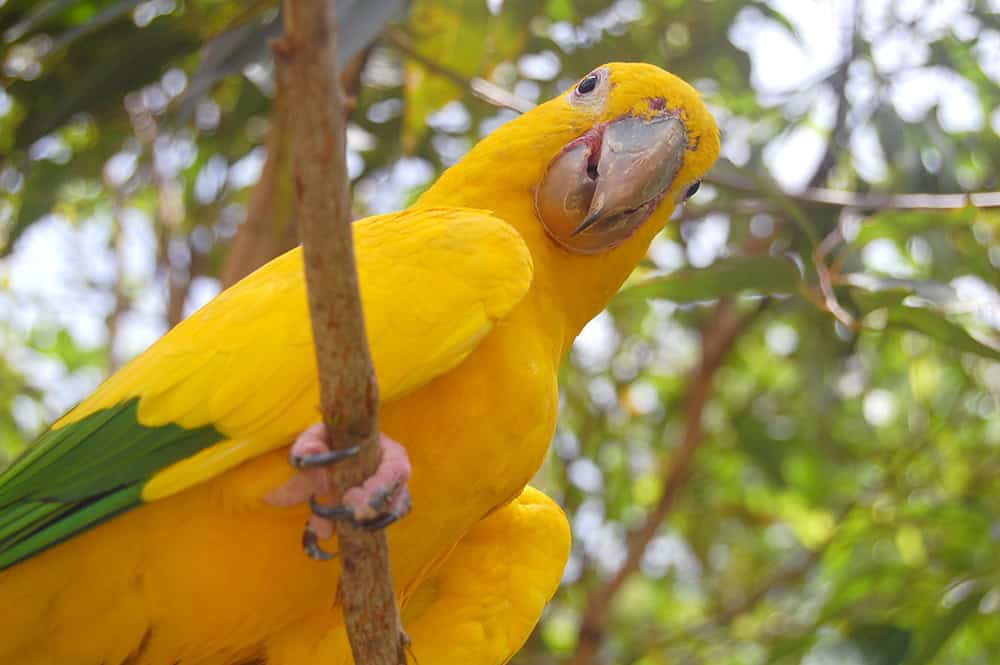
Like children, play is an essential aspect of a parrot’s development. Engaging in games and playful activities are vital for their cognitive growth, promoting problem-solving and social interaction. Observations of parrots playing with toys, interacting with their environment, and engaging in pretend play offer insights into their thought processes and creativity.
Emotion and Empathy: A Bird’s Ability to Bond
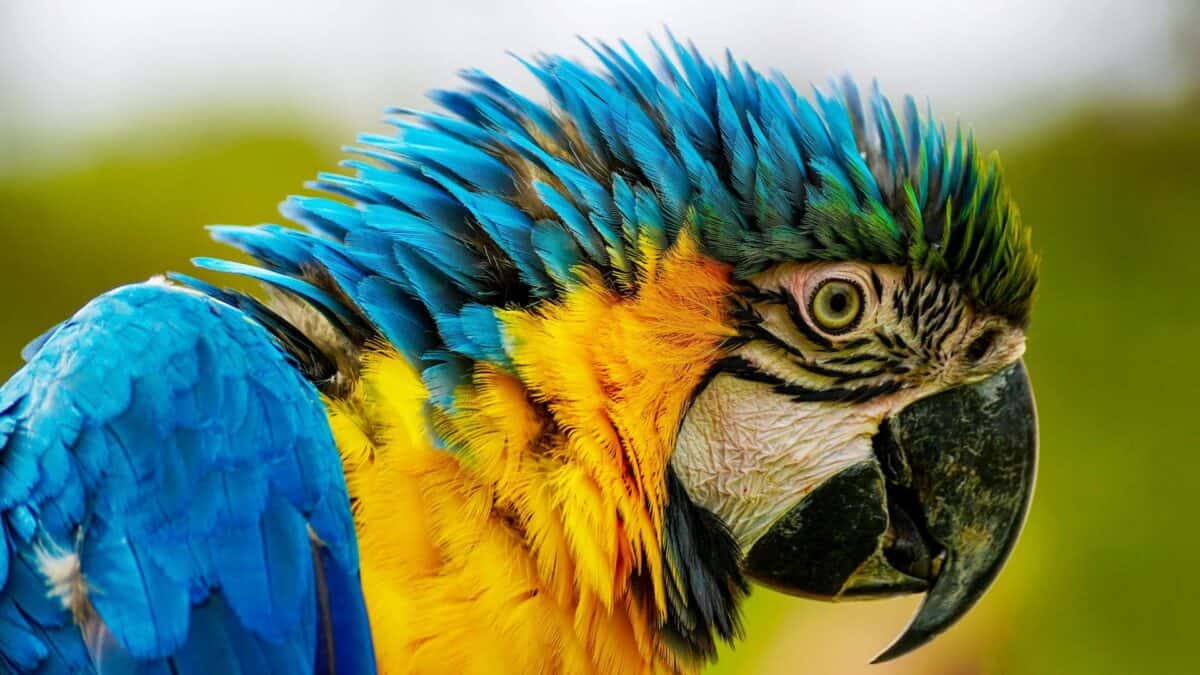
Parrots are capable of forming strong emotional bonds with both humans and other birds, exhibiting signs of empathy and understanding. They can interpret and respond to the emotions of their companions, paralleling a child’s ability to sense and react to emotional cues in social settings.
The Alex Studies: A Case Study of Avian Intelligence

The groundbreaking work by Dr. Irene Pepperberg with Alex, an African Grey Parrot, showcases some of the most compelling evidence of parrot intelligence. Alex demonstrated an understanding of colors, shapes, numbers, and even complex concepts like ‘same’ and ‘different.’ His abilities were a revelation in avian cognition study, drawing direct comparisons to the cognitive capabilities of young children.
Challenges in Measuring Avian Intelligence

While parrots display undeniable intelligence, accurately measuring their cognitive abilities poses challenges. Traditional IQ tests are not applicable, leading scientists to develop tasks and experiments tailored to these avian subjects. This ongoing research continually refines our understanding of what intelligence means in different species.
Beyond the Laboratory: Observations in Natural Habitats
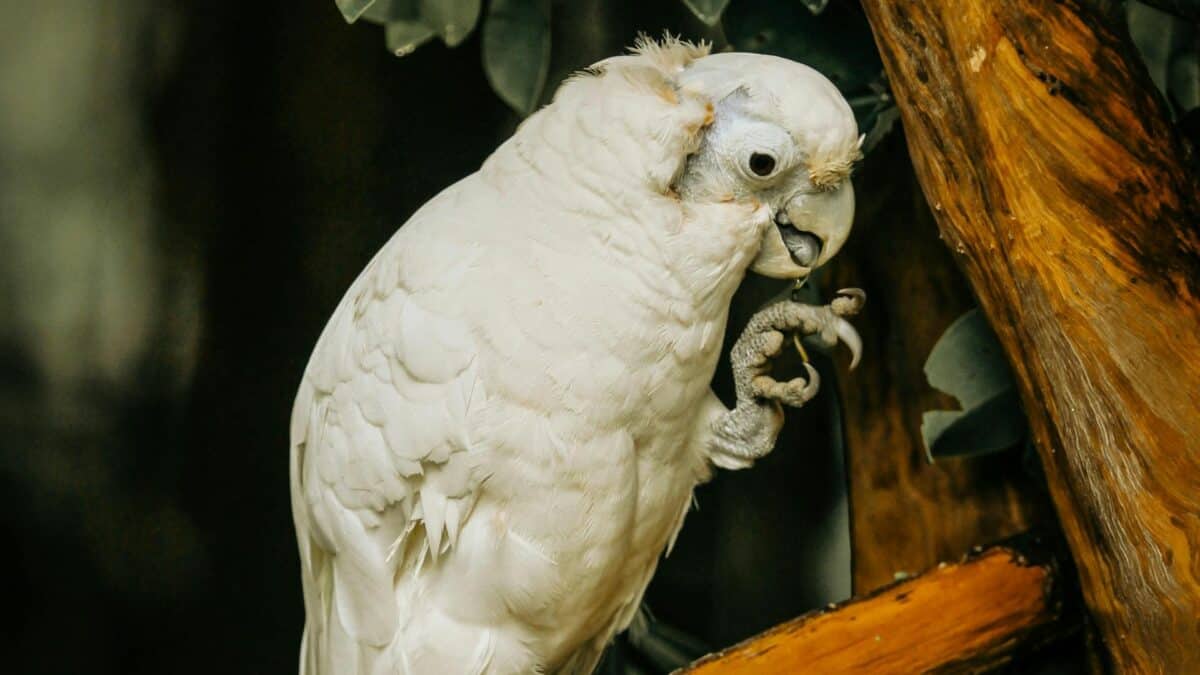
Beyond controlled experiments, observing parrots in their natural environment offers valuable insights into their intelligence. In the wild, parrots engage in complex behaviors such as cooperative hunting, societal bonding, and environmental manipulation, further reinforcing their cognitive capabilities.
Implications of Parrot Intelligence for Pet Owners

Understanding parrot intelligence has significant implications for those who keep parrots as pets. As intelligent beings, parrots require mental stimulation, social interaction, and environments that promote their cognitive well-being. Proper care and understanding of their needs are essential to ensure their health and happiness in captivity.
Are Parrots as Smart as 5-Year-Olds?

The assertion that parrots may possess intelligence akin to that of a 5-year-old child is grounded in extensive research. Their problem-solving abilities, complex communication skills, social interactions, and capacity for empathy demonstrate a sophisticated level of understanding and intelligence. While there are differences across species and individual birds, these avian marvels certainly challenge our perceptions of what it means to be intelligent in the animal kingdom.

From exploring the marine wonders in the Azores and witnessing the vast savannas of Kenya, to delving deep into the rich biodiversity of South Africa and traversing iconic landscapes in Australia and the US like Yellowstone, Chris's experiences are vast.
With a penchant for diving alongside sharks, the ocean holds a special place in his heart.
Through his academic insights, he champions wildlife conservation, striving with 'Animals Around The Globe' to cultivate a profound connection between humans and animals, enhancing our mutual appreciation.
Connect with him at Feedback@animalsaroundtheglobe.com.
- The Deep Sea’s Most Bizarre Predators - July 11, 2026
- Seals Use Icebergs to Avoid Predators - July 11, 2026
- How Bison Are Reshaping the American Prairie - July 10, 2026