
The majestic elk, known for its imposing antlers and haunting bugles, is often a subject of fascination for wildlife enthusiasts and researchers alike. Recently, scientists have had the rare opportunity to observe a seldom-seen mating ritual within a wild elk herd, shedding new light on the complex social behaviors of these magnificent creatures. This discovery not only provides insights into elk behavior but also underscores the importance of conservation efforts to protect these critical natural phenomena.
The Significance of the Discovery

The observation of this rare mating ritual is significant as it offers an unprecedented glimpse into the private lives of elk, providing valuable information about their behavioral ecology. Understanding these rituals is crucial for conservationists working to ensure the sustainability of elk populations across North America, where they play a key role in maintaining the ecological balance.
Understanding Elk: A Brief Overview

Elk, also known as wapiti, are one of the largest species within the deer family. Native to North America and parts of Asia, they typically inhabit forests, meadows, and grasslands. Elk are known for their seasonal migrations and strong herd dynamics, which can be influenced by environmental factors and human activities.
Elk Herd Dynamics
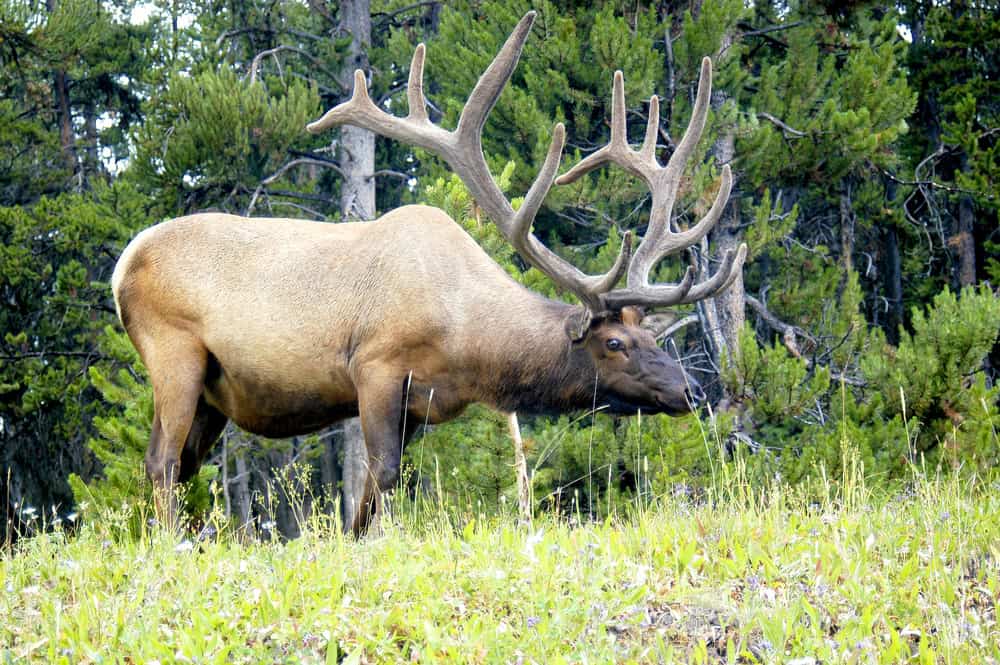
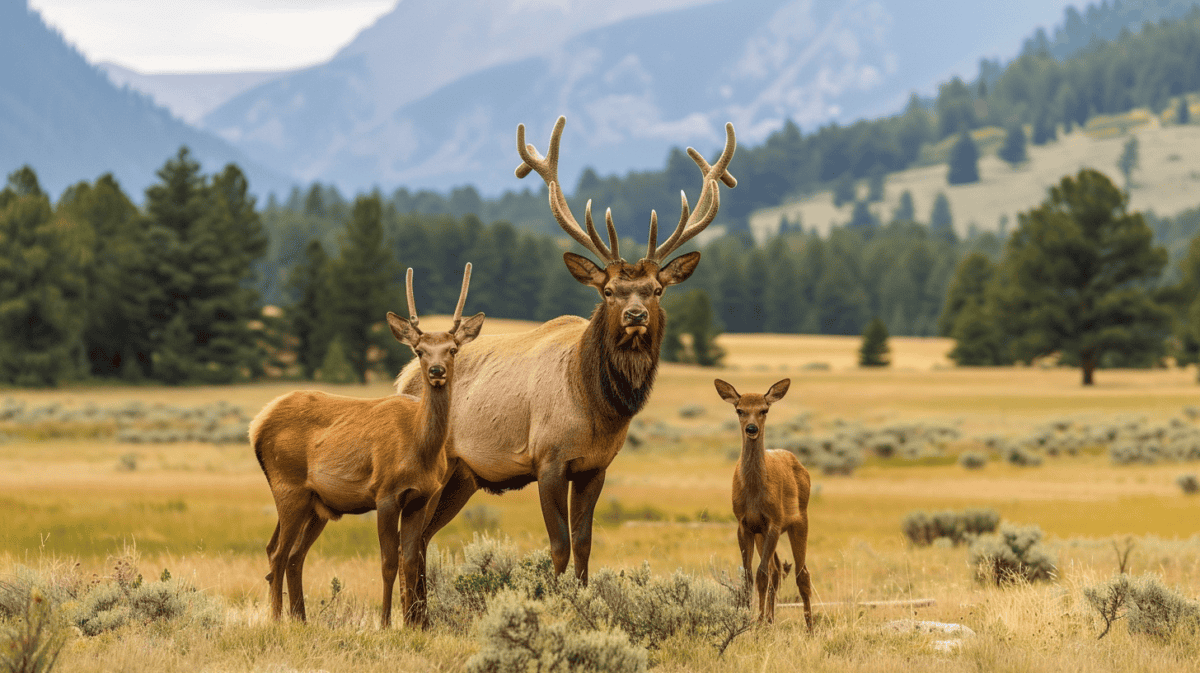
Elk herds are usually comprised of females and their young, with mature males (bulls) often remaining solitary or in bachelor groups outside the breeding season. During the mating season, or rut, which typically occurs in late summer or early fall, bull elk engage in intense competition for breeding rights.
The Rut: A Time of Competition and Display

The rut is a critical period for elk, characterized by elaborate displays and vocalizations. Bulls emit loud, resonant calls known as bugles to establish dominance and attract potential mates. These mating calls can carry for several miles, indicating the presence of a strong, viable partner to females and a challenge to rival males.
The Role of Antlers in Mating Rituals

Antlers play a crucial role in the mating rituals of elk. Bulls use their impressive antlers not only for display but also for sparring with other males. These fights determine hierarchy and access to females, but are often more about display than actual aggression, minimizing injury among competitors.
Observed Phenomenon: The Rare Mating Ritual
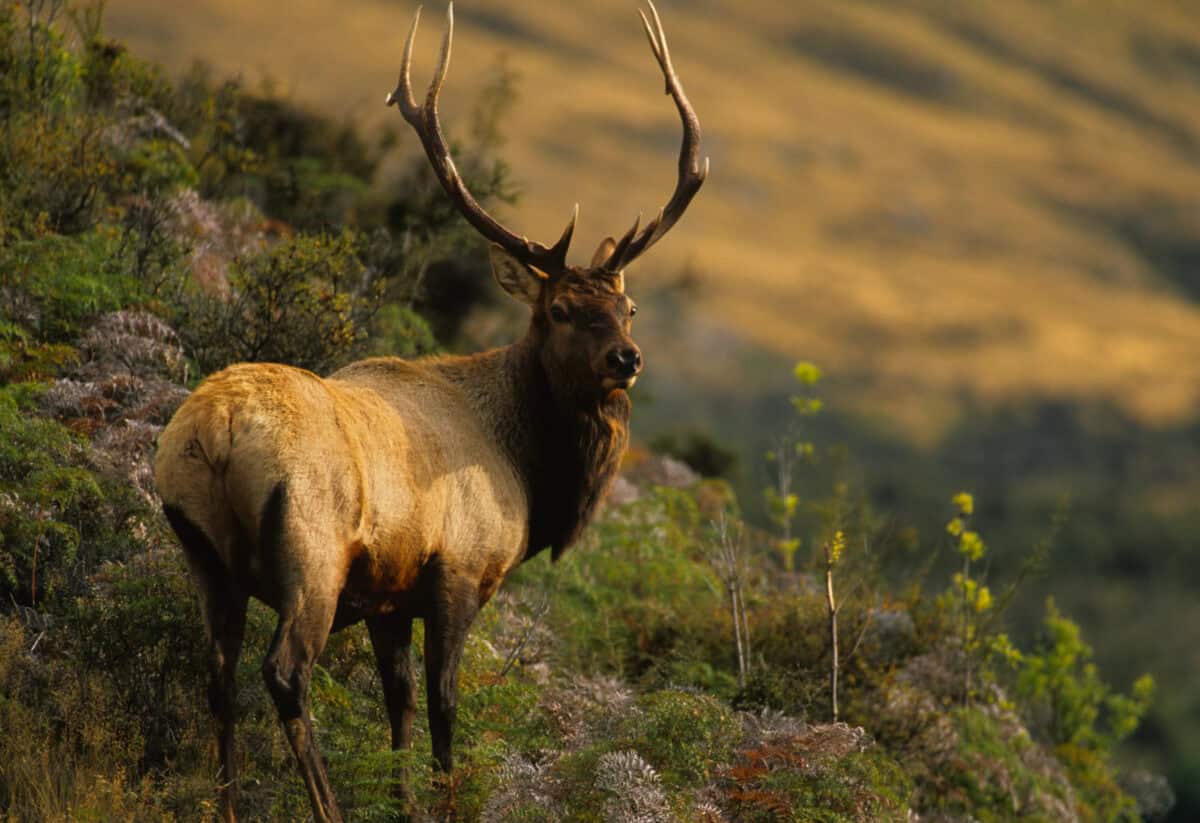
During the recent study, scientists observed a particularly rare and intricate ritual involving synchronized movements, vocalizations, and displays by both bulls and cows. This complex interaction suggests a deeper level of communication and partnership in the mating process than previously understood.
Behavioral Insights from the Ritual

The observed ritual indicates a sophisticated level of behavioral adaptation. The coordinated actions between males and females suggest that ritualized behavior may help enhance reproductive success by ensuring that only the most compatible pairs mate, thus contributing to the fitness and resilience of the population.
Environmental Influences on Elk Mating Behavior

Environmental factors such as habitat quality, resource availability, and climate conditions can significantly influence elk mating behaviors. For example, changes in these factors can alter timing and intensity of the rut, affecting overall reproductive success within a herd.
The Impact of Human Activity

Human activities, including habitat encroachment, climate change, and hunting pressure, can disrupt elk mating rituals and herd dynamics. Fragmented landscapes and increased human presence can lead to stress and behavioral shifts that may negatively impact reproductive success in elk populations.
Conservation Efforts and Research

Protecting elk and their habitats is crucial for the preservation of these intricate mating rituals. Conservation strategies focus on habitat restoration, reducing human-wildlife conflicts, and ensuring sustainable management practices. Continued research is vital to understand the complex interplay of factors affecting elk populations.
Implications for Future Studies
The observation of the rare mating ritual opens up new avenues for future research. It provides a baseline for studying how elk behaviors may evolve or adapt in response to environmental pressures and contributes to our broader understanding of animal behavior and ecology.
Conclusion: Importance of Preserving Natural Behaviors

The revelation of this rare elk mating ritual emphasizes the richness and complexity of wildlife behaviors that remain largely unexplored. Preserving these natural behaviors is essential not only for the ecological health of elk populations but also for maintaining the natural heritage of the regions they inhabit. By continuing to study and protect these majestic creatures, we ensure that future generations can also marvel at the wonders of the natural world.

- The Secret Language of Dolphins Decoded by Researchers - July 20, 2026
- 7 Animals That Can Survive Extreme Environments You Couldn’t - July 20, 2026
- The Longest Snake Ever Found in the U.S. - July 20, 2026