
In the vast, windswept plains of Wyoming, a revolution is taking place beneath the surface. Recent discoveries of rare dinosaur fossils in this geological treasure trove have captured the attention of paleontologists and dinosaur enthusiasts worldwide. These remarkable finds have not only enriched our understanding of prehistoric life but have also challenged long-held beliefs about dinosaur evolution and behavior.
The Land of Dinosaur Giants

The state of Wyoming has long been a hotspot for paleontological research, boasting a rich tapestry of fossils that date back millions of years. Known for yielding an extraordinary array of dinosaur remains, Wyoming’s sedimentary rock formations continue to surprise and intrigue scientists. The recent discovery of exceptionally well-preserved fossils in the area has reignited interest in the region’s prehistoric past.
Unearthing the Unexpected

In recent excavations, scientists stumbled upon fossils that belong to species previously unknown—or poorly understood—in the scientific community. These fossils, recovered from the Morrison Formation, include remnants of both herbivorous and carnivorous dinosaurs, providing fresh insights into their ecosystems and interactions.
Reexamining Dinosaur Evolution

Among the most groundbreaking discoveries is evidence suggesting that certain evolutionary adaptations of these dinosaurs occurred much earlier than previously thought. These findings challenge the traditional timelines and charts used in depicting dinosaur evolution, prompting a rewrite of many scientific texts.
New Insights into Dinosaur Behavior

The fossils uncovered in Wyoming offer clues about the behavior of these prehistoric giants. Marks found on bones suggest complex hunting strategies and social behaviors previously not attributed to these species. Some tracks indicate that certain dinosaurs may have hunted in packs, a trait more commonly associated with mammals.
How Fossils Are Formed

The fossils found are remarkable not only for their condition but also for how they were preserved. Rapid burial by sedimentary flows during the Jurassic period created conditions ideal for fossilization, protecting them from scavengers and natural decay.
The Role of Technology in Paleontology
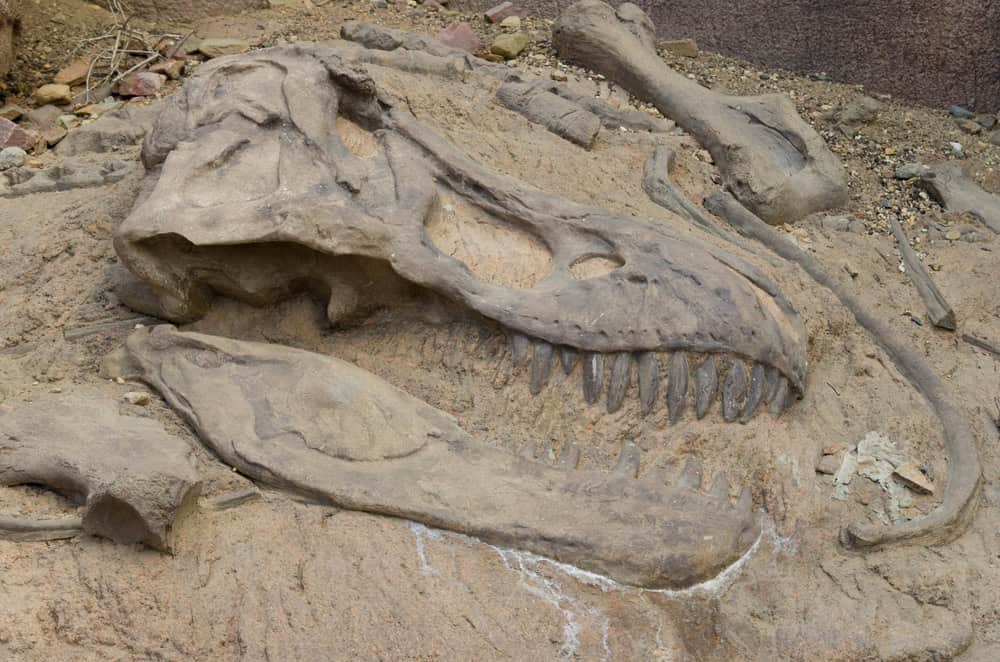
The excavation and analysis of these fossils have been greatly aided by advancements in technology. High-resolution imaging, 3D scanning, and computer simulations have enabled paleontologists to reconstruct the movement and appearance of these ancient creatures with unprecedented accuracy.
Expanding the Dinosaur Family Tree
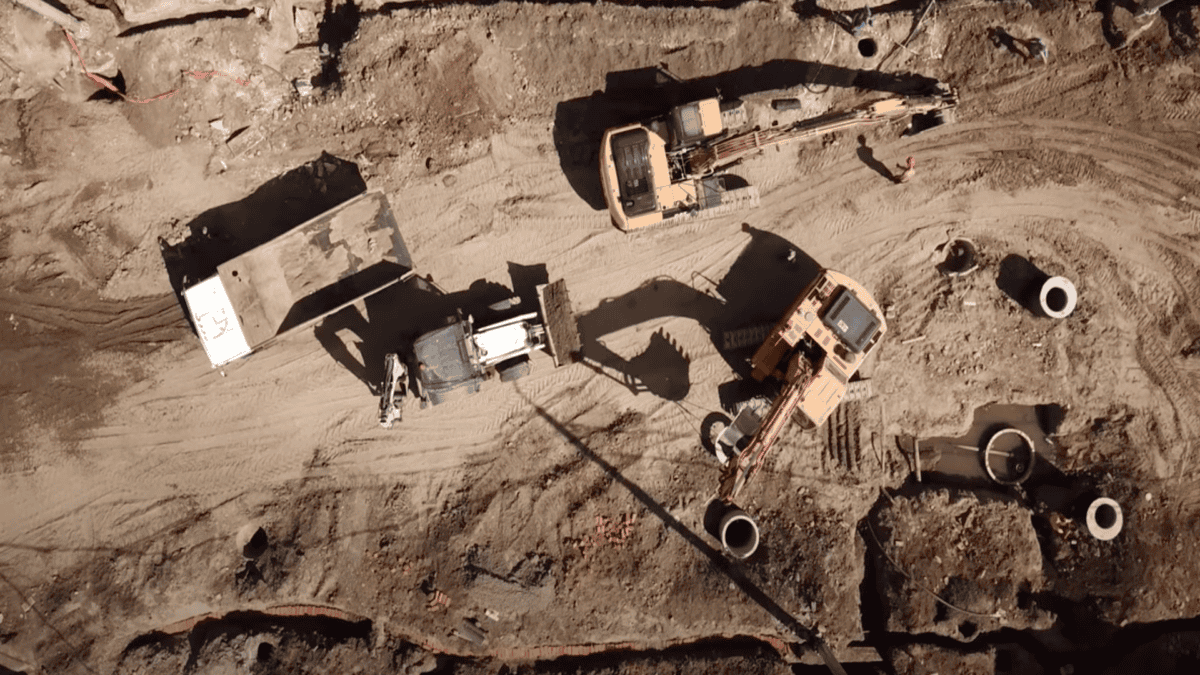
These new discoveries have led to the identification of several new genera and species. The expansion of the dinosaur family tree means scientists now have a better understanding of the diversity and specialization that occurred within different clades.
Linking Past Biodiversity to Modern Ecosystems

The diversity revealed by these fossils highlights how ecosystems of the past thrived and informs how current ecosystems might adapt to environmental changes. Understanding the past biodiversity of dinosaurs can aid in conservation efforts for present-day species.
The Impact on Geological Studies

This wealth of fossilized information offers geologists fresh data to better understand Earth’s climatic and environmental dynamics during the Mesozoic era, contributing valuable information about historical climatic shifts.
The Cultural Significance
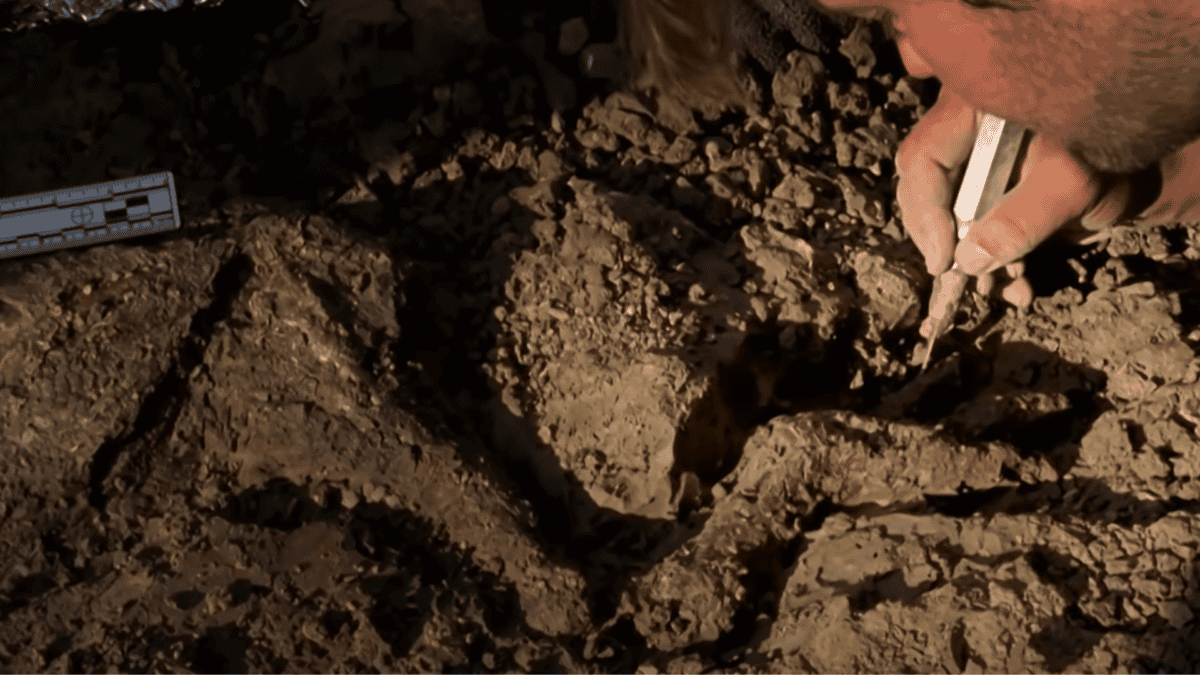
These discoveries have also had cultural ramifications, reigniting public interest in dinosaurs and drawing visitors to Wyoming. The boost in paleontological tourism emphasizes the continued fascination with these ancient giants and their stories.
Preservation and Ethical Excavation

The importance of ethical practices in the excavation and preservation of fossils cannot be overstated. Scientists and local authorities work together to ensure that these precious resources are handled responsibly and made accessible for future generations to study and appreciate.
Future Prospects in Paleontological Research
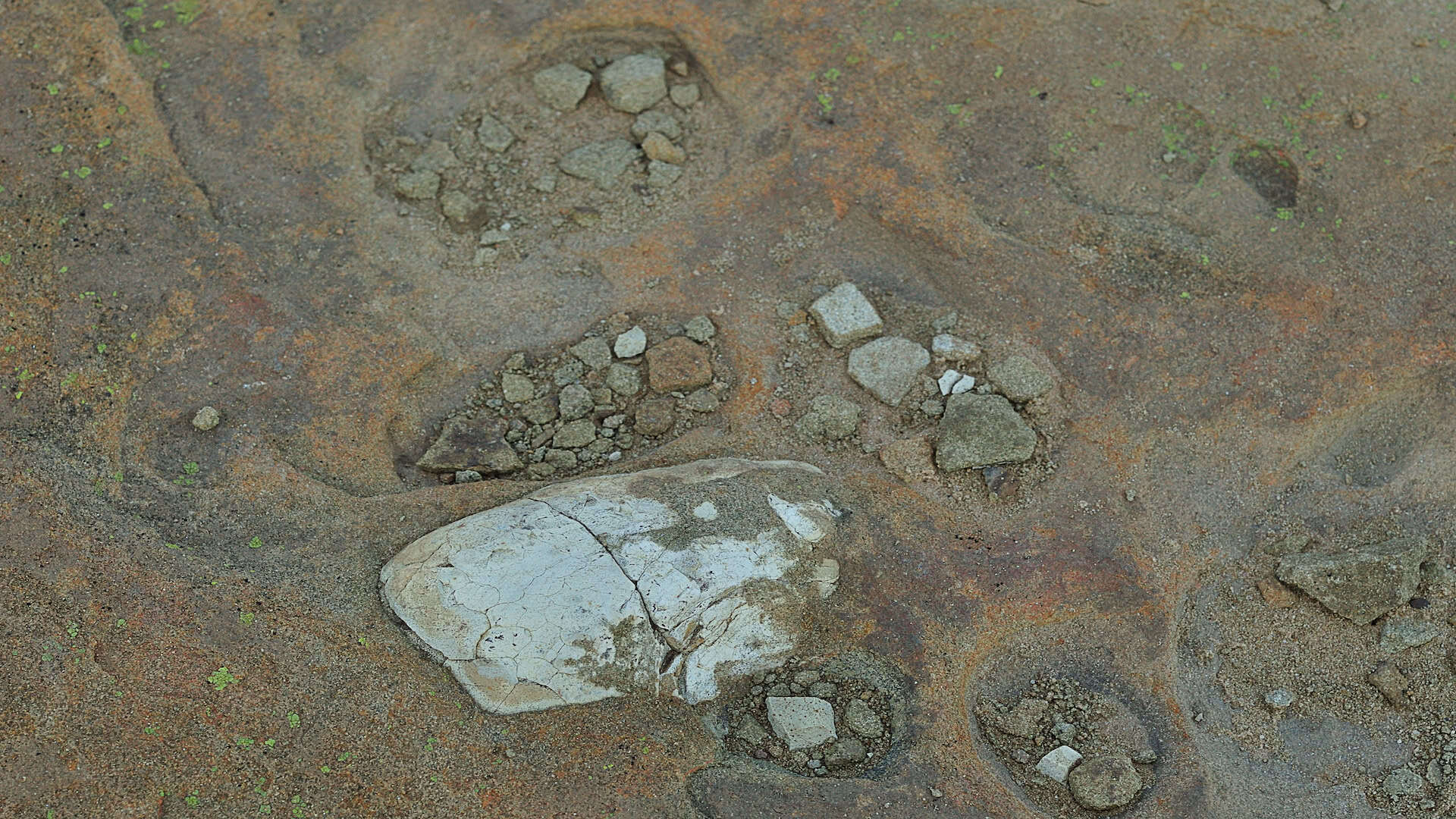
As technology continues to advance and uncover more about these prehistoric creatures, the future of paleontological research appears bright. The discoveries in Wyoming serve as a reminder of how much there is still to learn about the history of life on Earth.
In summary, the rare fossils found in Wyoming have provided new insights that are reshaping our understanding of dinosaurs. These findings have not only clarified aspects of dinosaur evolution and behavior but have also expanded the scientific knowledge of ancient ecosystems. As research progresses, Wyoming continues to be a crucial site for uncovering the secrets of our planet’s distant past.

- 10 Animals That Cheat Death in the Most Unexpected Ways - July 19, 2026
- The Shrimp That Punches Like a Bullet - July 19, 2026
- This Tiny Mammal Can Slow Its Heartbeat to One Beat Per Minute - July 19, 2026