


Owning a rabbit is a rewarding experience marked by the gentle companionship of these charming creatures. As a responsible pet owner, understanding your rabbit’s emotional well-being is crucial in ensuring they lead a happy, healthy life. Vets provide valuable insights into rabbit behavior, helping owners decipher their pet’s happiness. Let’s explore the signs that indicate a rabbit is delighted, offering guidance from veterinary experts.
Purring or Soft Clicking
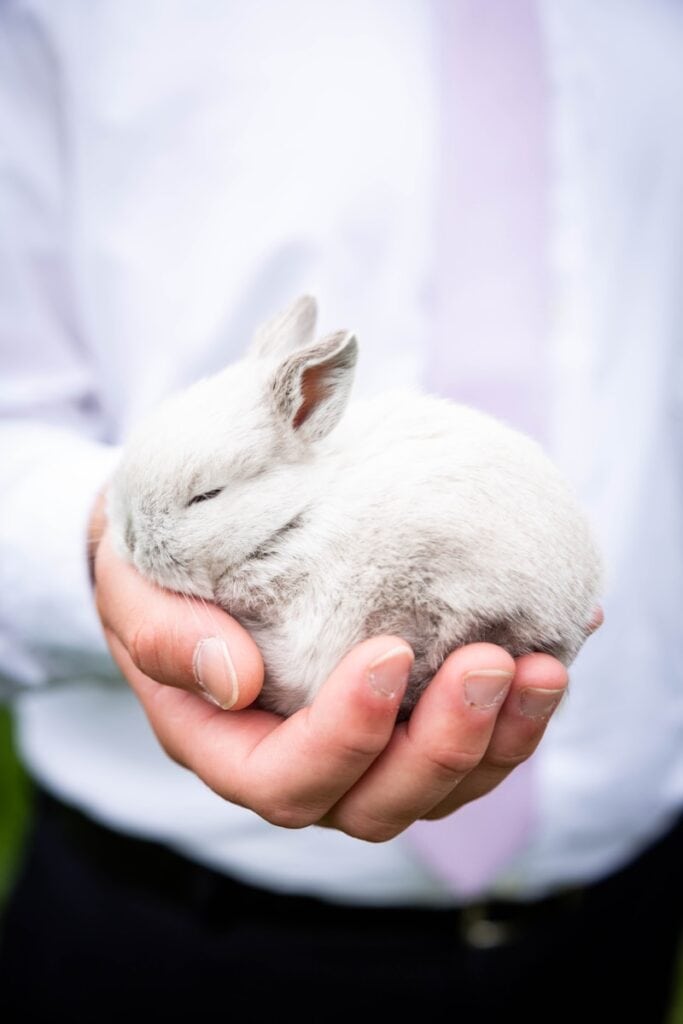
Just like a cat, a rabbit’s version of purring can be a sign of contentment. When a rabbit grates its teeth gently, it produces a soft clicking noise that indicates pleasure. However, deeper and more forceful grinding could mean discomfort or pain, needing immediate attention. Vets often liken this soothing sound to a feline purr, and it’s usually heard when the rabbit is relaxed or being petted.
Binkying and Zoomies

One of the most expressive behaviors of a happy rabbit is ‘binkying’. This joyful action involves a spontaneous leap into the air, often with a twist and a kick. Another sign of happiness is when rabbits exhibit ‘zoomies’, where they dash around the room with rapid speed. According to vets, these actions are analogous to a child’s playful antics, demonstrating unadulterated joy and energy.
Relaxed Body Language

Observing your rabbit’s bodily posture provides crucial clues about their mood. A content rabbit often lounges with its legs stretched out behind or beside it, adopting what vets call a “flop” position. This level of relaxation shows the rabbit feels safe and secure in its environment. A rabbit that remains in this position without abrupt movements indicates supreme comfort and satisfaction.
Curiosity and Exploration

Happy rabbits are naturally curious and engage with their environment keenly. They explore their surroundings, sniffing and investigating new scents and objects. Vets emphasize monitoring a rabbit’s willingness to interact with its habitat, as active exploration signals a healthy, spirited disposition. Encouraging exploration with toys or tunnels can further stimulate their happy curiosity.
Appetite and Eating Habits

A robust appetite is an excellent indicator of a rabbit’s well-being. Happy rabbits will eat their fill of hay, vegetables, and pellets enthusiastically. Vets advise monitoring a rabbit’s eating habits closely, as sudden changes can indicate stress or health issues. A balanced diet tailored to your rabbit’s needs ensures they maintain their happiness and health.
Grooming Behavior

Rabbits are meticulous groomers. A rabbit that regularly cleans itself is usually content and healthy. Additionally, happy rabbits often groom their human companions as a display of affection and trust. Vets point out that when a rabbit grooms others, it’s a sign they regard the individual as part of their group, a bond signifying complete trust and happiness.
Social Interactions

Rabbits are inherently social beings, thriving in environments where they receive attention and interaction. Happy rabbits will seek attention from their humans or other rabbits, displaying social behaviors such as nudging or circling. Vets suggest providing ample opportunities for interaction to ensure the rabbit feels valued and socially fulfilled.
Calm and Steady Breathing

Observing your rabbit’s breathing pattern can also indicate their happiness. Calm and steady breathing usually means the rabbit is relaxed and comfortable. Vets caution that rapid or labored breathing could suggest anxiety or illness, necessitating a prompt visit to a veterinarian. Providing a peaceful environment helps maintain a rabbit’s happy, calm demeanor.
Playfulness

A playful rabbit is a happy rabbit. Engaging in activities such as playing with toys or engaging in interactive games with their humans are signs of happiness. Vets recommend providing a variety of toys to stimulate their mental and physical well-being, which ultimately contributes to their overall happiness.
Chinning Behavior
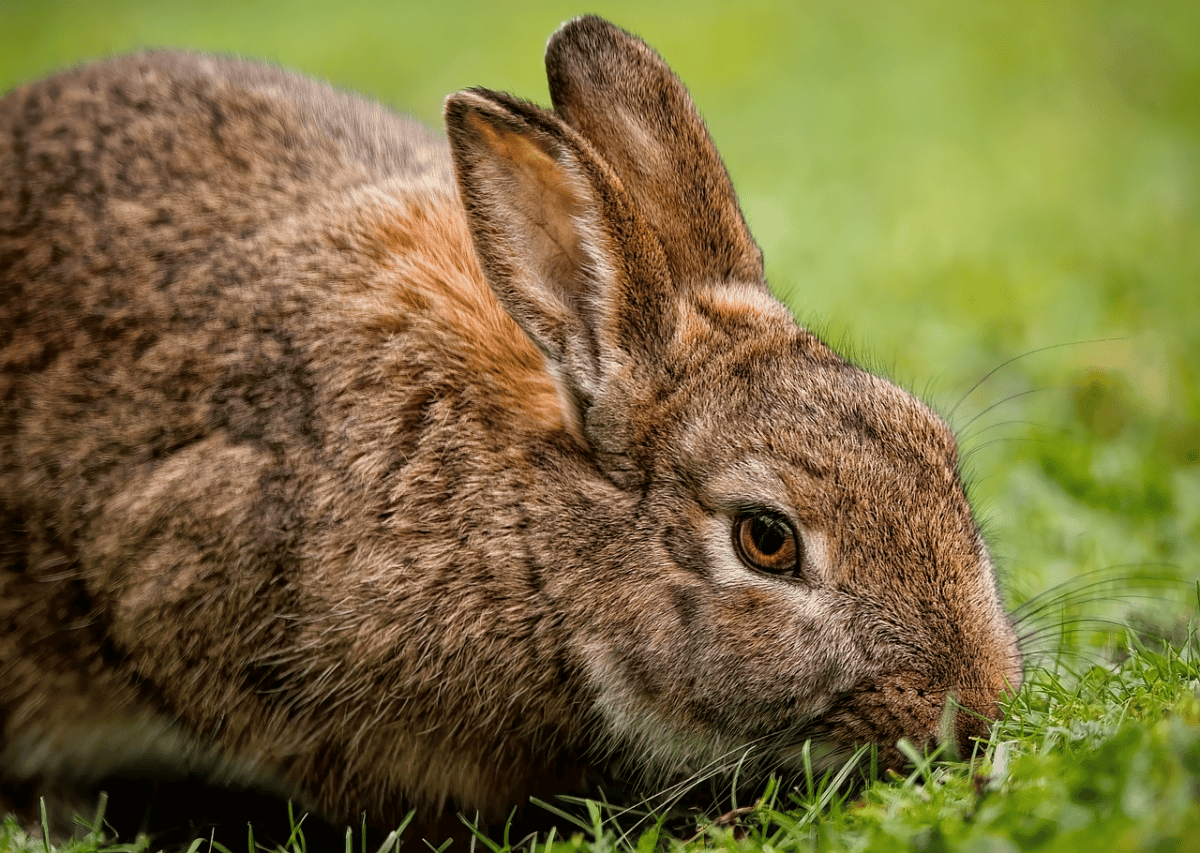
Rabbits have scent glands under their chins, and they often chin objects in their environment to mark their territory. A rabbit that confidently claims their environment is typically happy and comfortable. Vets explain this behavior as an assurance that the rabbit feels safe and in charge of their space.
Licking and Affection

When a rabbit licks its human, it’s showing a deep bond of affection and trust similar to grooming. Vets note that licking is a sign of strong emotional bonds, akin to saying “I love you.” It indicates the rabbit is secure and happy with their human companions, enhancing the overall relationship.
Responsive to Training

Rabbits that respond well to training and commands often display signs of contentment. A rabbit willing to learn can mean they feel safe and mentally stimulated. Vets highlight the importance of positive reinforcement through treats and affection to maintain a rabbit’s interest and happiness during training sessions.
In summary, a rabbit’s happiness is portrayed through various behaviors that reflect their emotional state. From purring to playfulness, these signs convey a content and thriving pet. Understanding and nurturing these behaviors with proper care, nutrition, and environmental enrichment ensures your rabbit will live a joyful and healthy life. By recognizing these signs as advised by veterinary experts, owners can build a loving and happy relationship with their furry companions.

- Why Japanese Macaques Love Hot Springs - July 17, 2026
- Could Dogs Be Used to Detect Illness in Humans? - July 17, 2026
- Why Sloths Give Gentle Smiles - July 17, 2026