

Forests are enchanting ecosystems, brimming with life and mystery. While many are familiar with charismatic creatures like bears, deer, and squirrels, the vast woodlands of the United States are also home to a multitude of lesser-known but equally intriguing animals. These unsung residents contribute significantly to the biodiversity and ecological balance of their environments. Let us embark on a journey to uncover these hidden gems of the American forests.
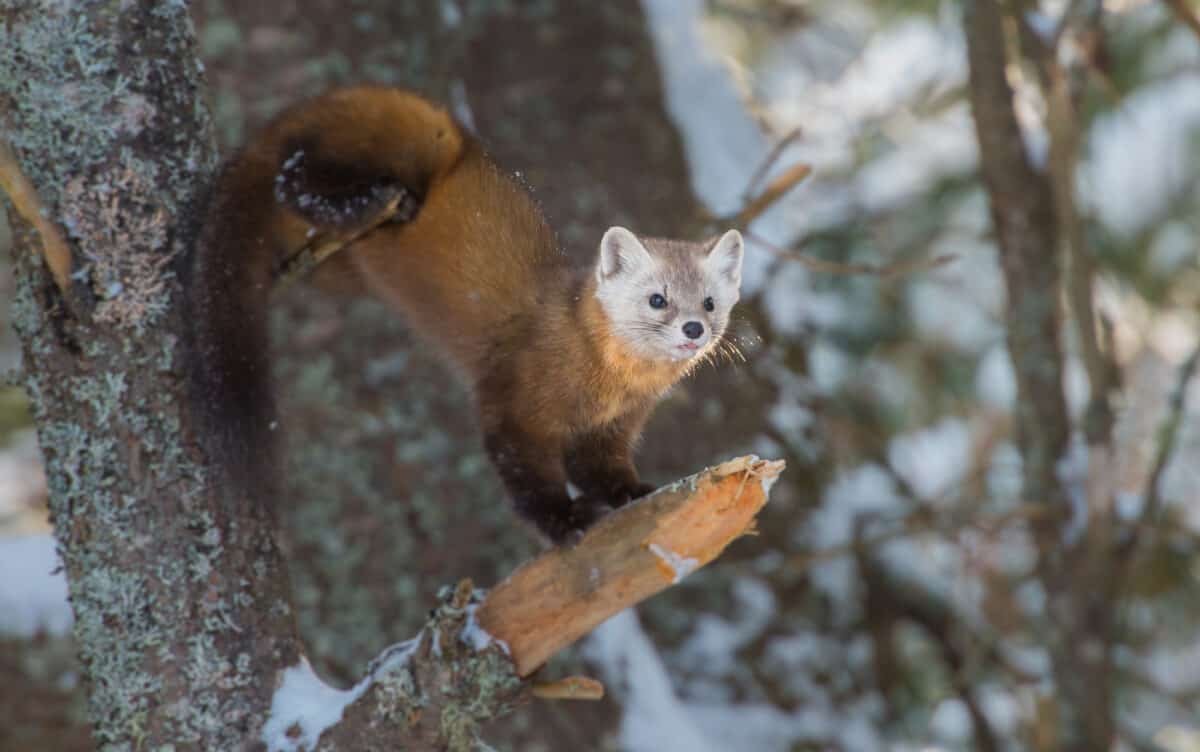
15. American Marten

The American Marten, a member of the weasel family, thrives in the dense, mature coniferous forests of the northern United States. This agile mammal is known for its silky fur and bushy tail. Unlike its more famous relative, the fisher, the marten is smaller but plays an equally vital role in the ecosystem. It helps regulate small animal populations, feasting primarily on voles and squirrels. Their elusive nature and excellent climbing skills make them fascinating yet challenging to spot in the wild.
14. Northern Flying Squirrel
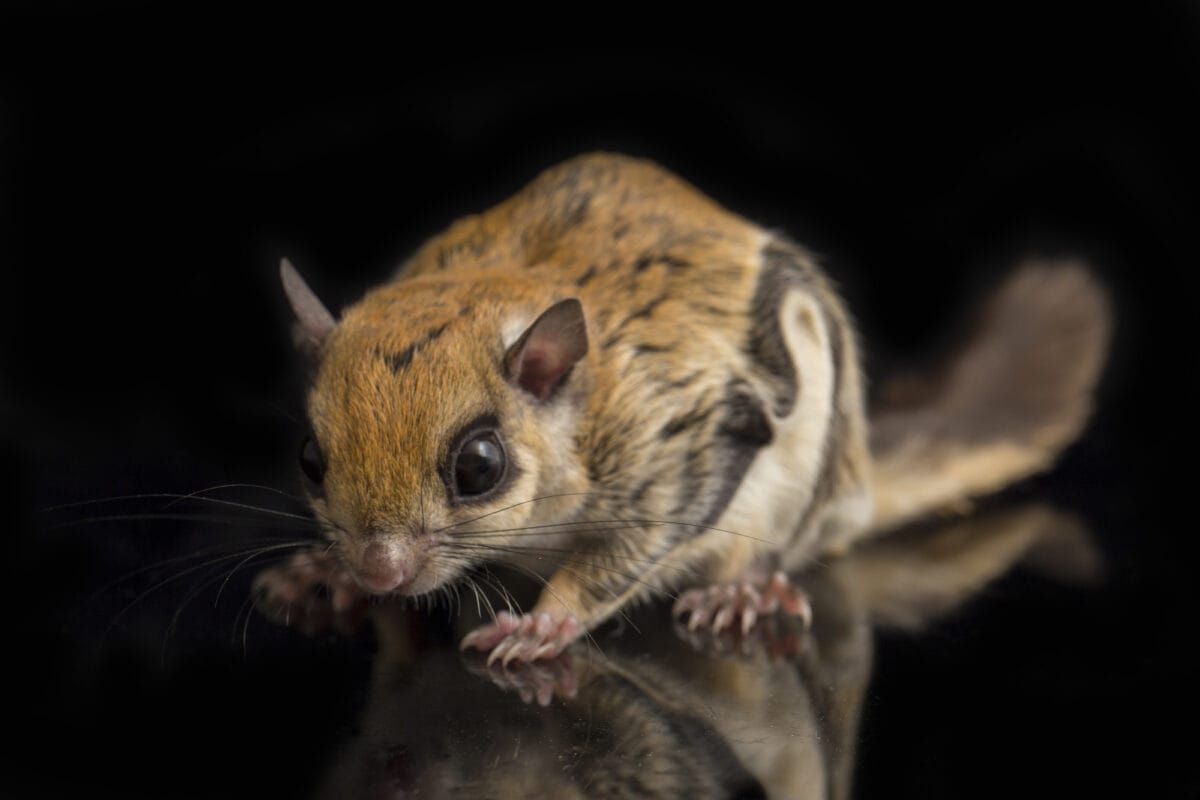
The Northern Flying Squirrel is a nocturnal wonder. Equipped with a membrane connecting its forelimbs to hind limbs, it glides gracefully between trees, often in coniferous and mixed forest habitats. This squirrel plays a critical role in forest ecology by dispersing spores of fungi essential for tree health. Although it doesn’t technically fly, its gliding capabilities allow it to escape predators and efficiently navigate its arboreal world.
13. Eastern Spotted Skunk
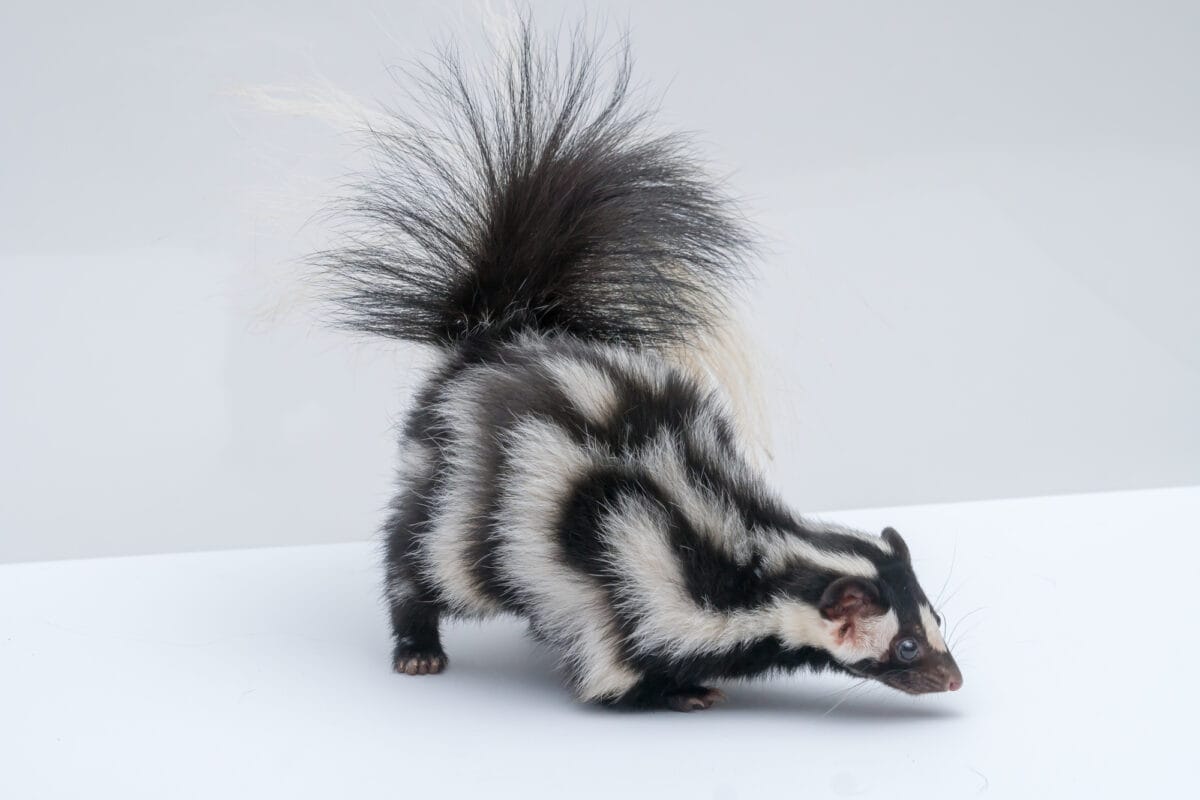
A smaller, agile relative of the striped skunk, the Eastern Spotted Skunk is known for its acrobatic escape tactics, performing handstands when threatened. This skunk prefers forests and open woodlands, opting for dens in hollow logs or abandoned burrows. Unlike their larger cousins, spotted skunks are adept climbers and play a pivotal role as insectivores, controlling pest populations.
12. Red Crossbill

The Red Crossbill is a bird with an uncanny beak adaptation, perfect for prying seeds from conifer cones. Often found in pine forests across the U.S., these birds exhibit a diversity of vocalizations and have distinct sub-groups or “types” based on beak shape and call. Their erratic nomadic lifestyle is driven by the availability of seeds, which they need in large quantities for survival and breeding.
11. Allegheny Woodrat

Largely confined to the Appalachian Forests, the Allegheny Woodrat is not your typical urban rat. Preferring rocky outcrops and dense woodlands, these nocturnal rodents help seed dispersal and forest regeneration. Unfortunately, their populations face pressures from habitat fragmentation and competition with the more aggressive invasive black rat.
10. Pygmy Shrew
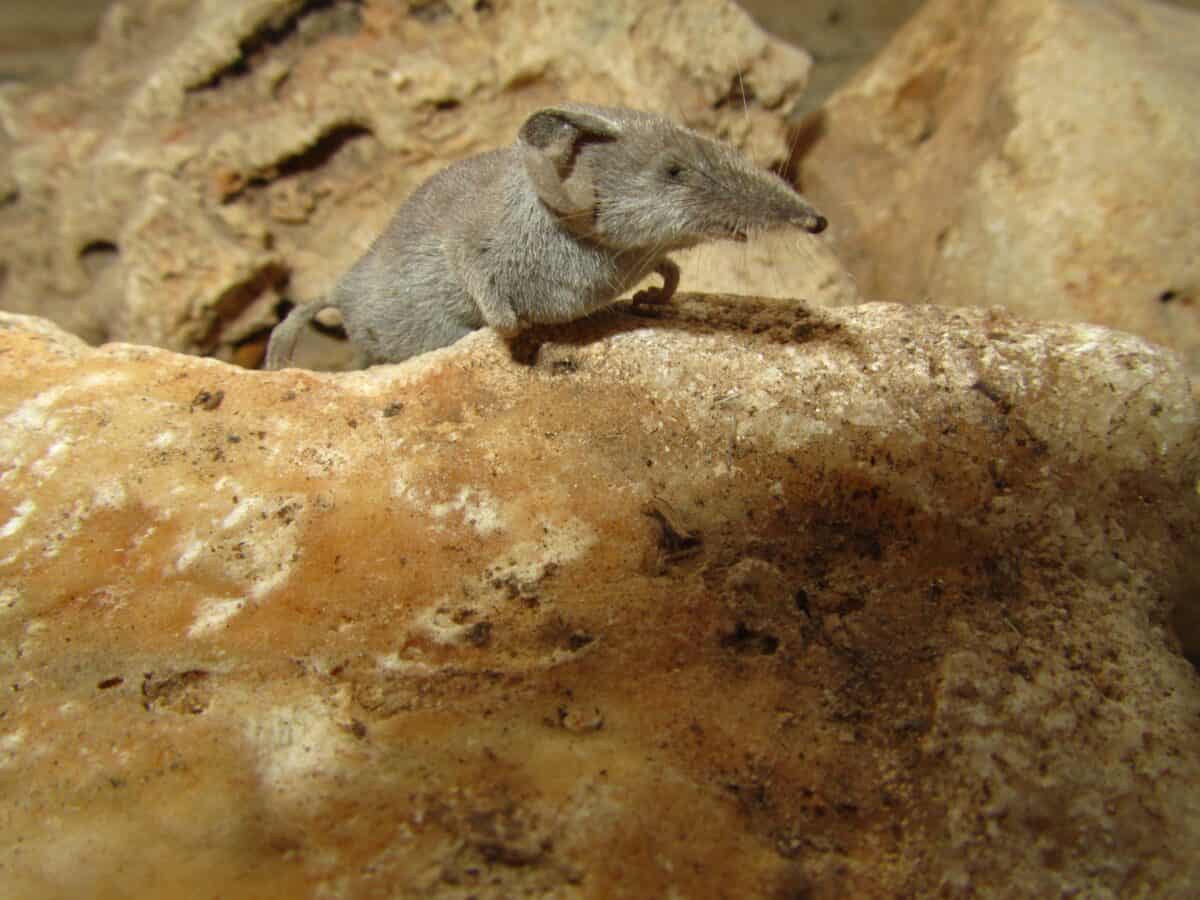
The Pygmy Shrew, one of the world’s smallest mammals, is a voracious insectivore inhabiting northern forest soils. Despite their tiny size, they possess a high metabolism requiring them to consume up to three times their body weight daily. Pygmy shrews are elusive and least observed, but they are crucial for maintaining the invertebrate populations under control.
9. Lost River Sucker
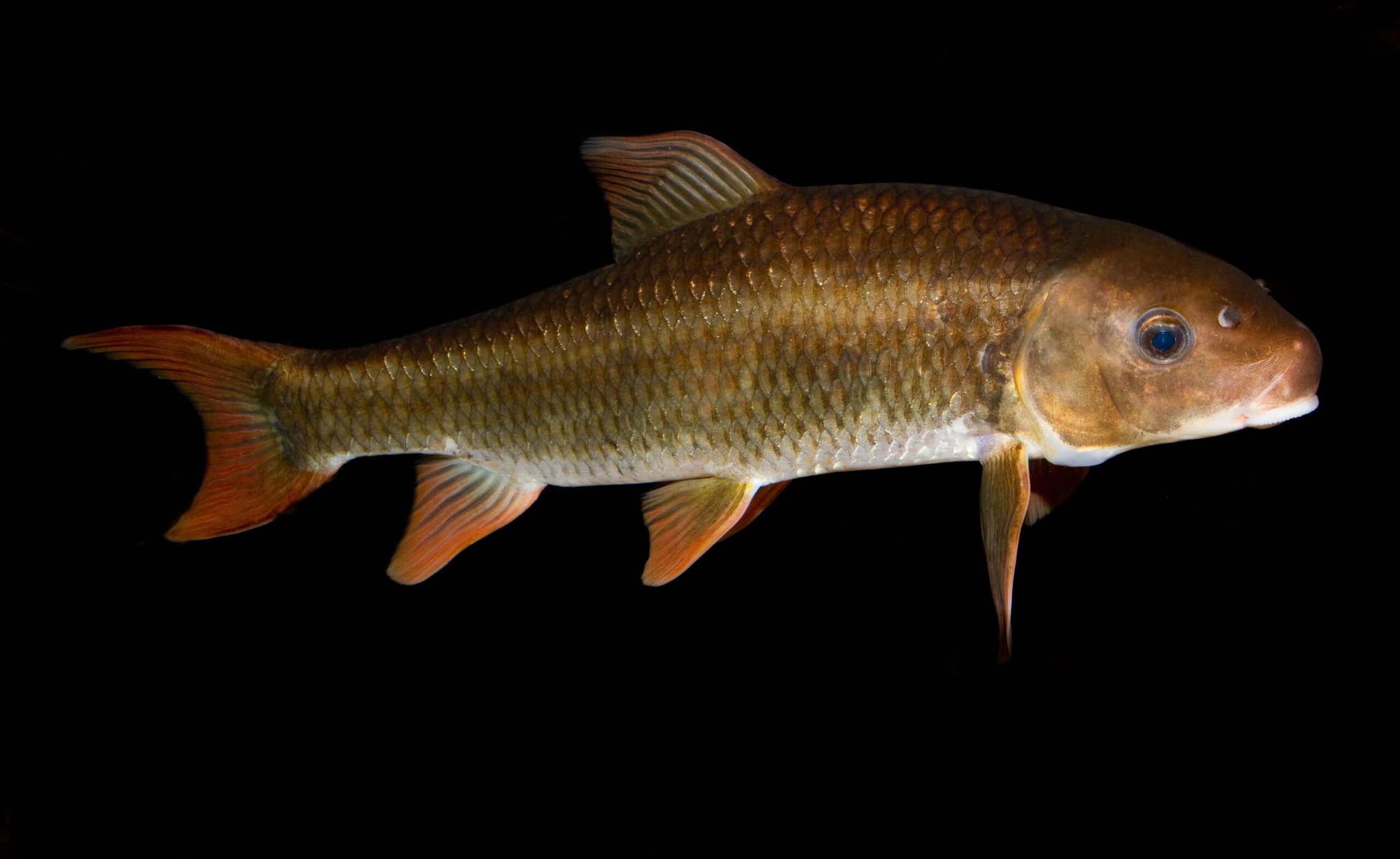
While primarily associated with aquatic environments, the Lost River Sucker has a critical relationship with forest ecosystems, especially in Oregon’s Klamath Basin. This fish relies on the clean, cool waters fed by forested wetlands to survive. Seasonal flooding of these areas provides prime spawning habitats, linking healthy forests with thriving fish populations.
8. Star-Nosed Mole

The Star-Nosed Mole, mainly residing in the moist lowland areas across the eastern U.S., is one of the more bizarre forest dwellers. It has a unique star-shaped snout comprising 22 fleshy appendages. This organ is filled with sensory receptors, allowing the mole to detect prey and navigate through its dark, underground world swiftly.
7. Long-Tailed Weasel
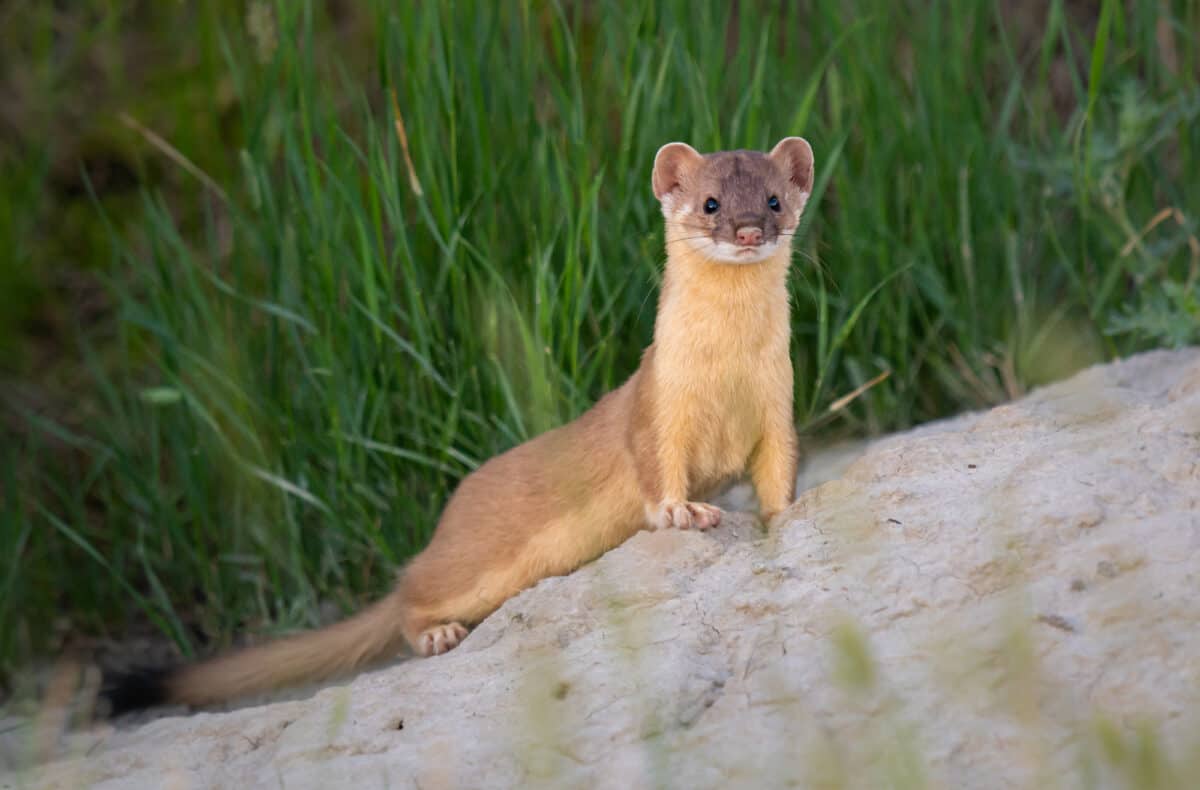
Long-tailed weasels, common in most forest habitats, are agile hunters that employ their sinuous bodies to pursue prey in burrows. This fierce predator can target a wide range of animals, from rodents to birds. Their presence is vital for controlling populations of small mammals, thus maintaining ecological balance in forest systems.
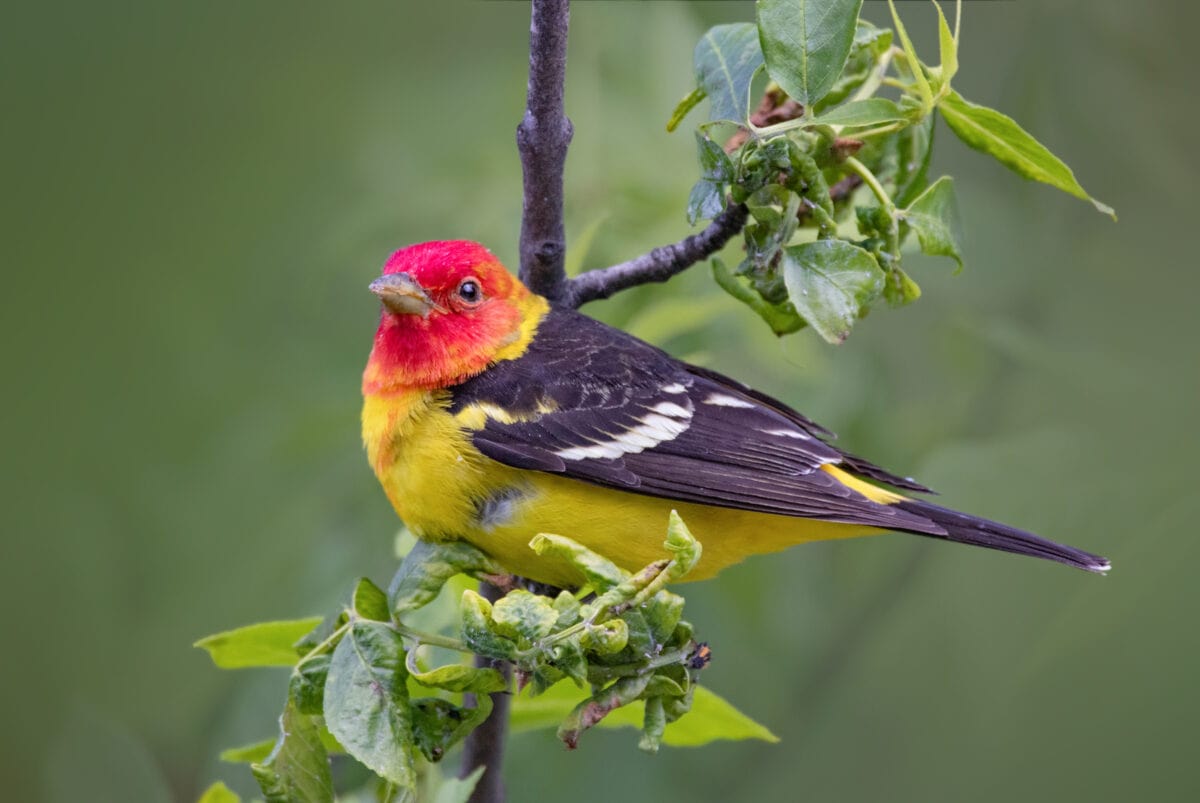
6. Western Tanager
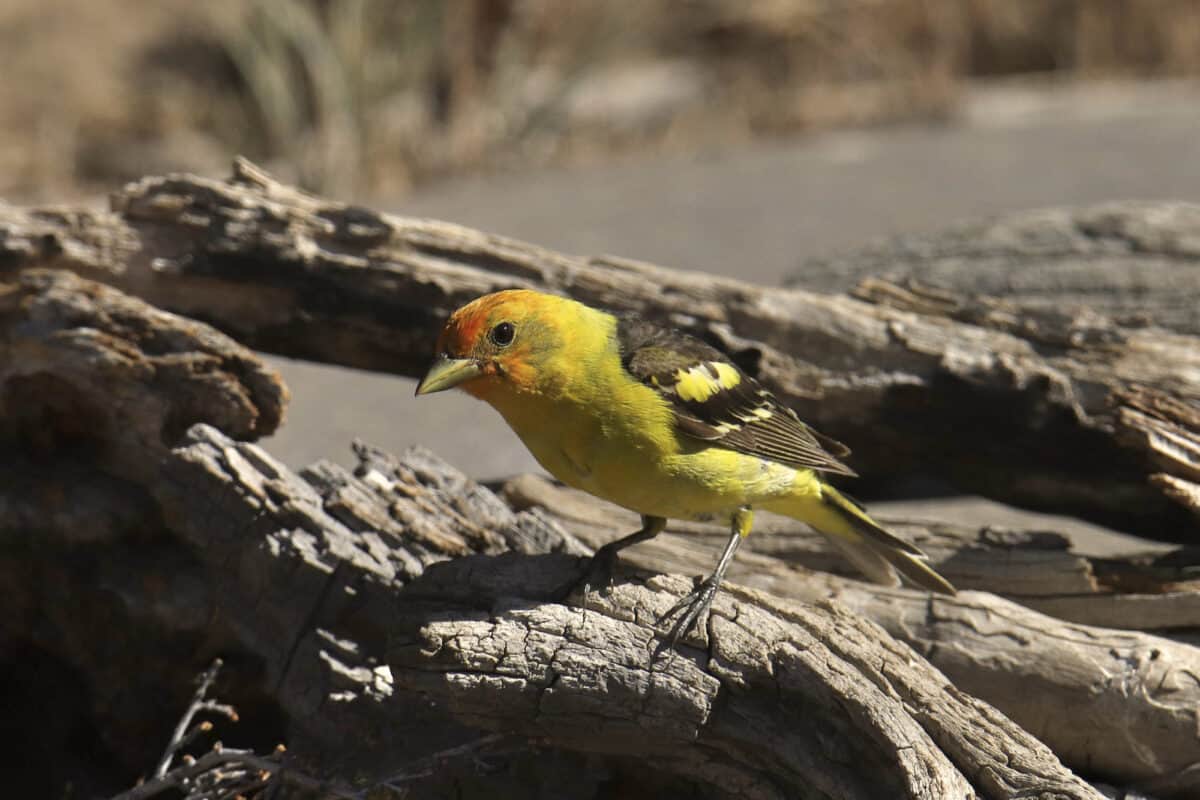
With their vibrant plumage, the Western Tanager adds a splash of color to coniferous forests in the western U.S. These striking birds are not only beautiful but also significant pollinators and insect control agents within their habitats. They migrate from Central America to breed in the cooler, forested North, displaying the importance of international conservation collaborations.
5. Pacific Fisher

The Pacific Fisher, a relative of the American Marten, resides in the dense forests of the Northwest. It is known for its elusive behavior and skillful tree navigation. As one of the few predators of porcupines, it is instrumental in maintaining their populations. Unfortunately, habitat loss and environmental changes threaten their survival, making conservation efforts crucial.
4. Southern Red-Backed Vole
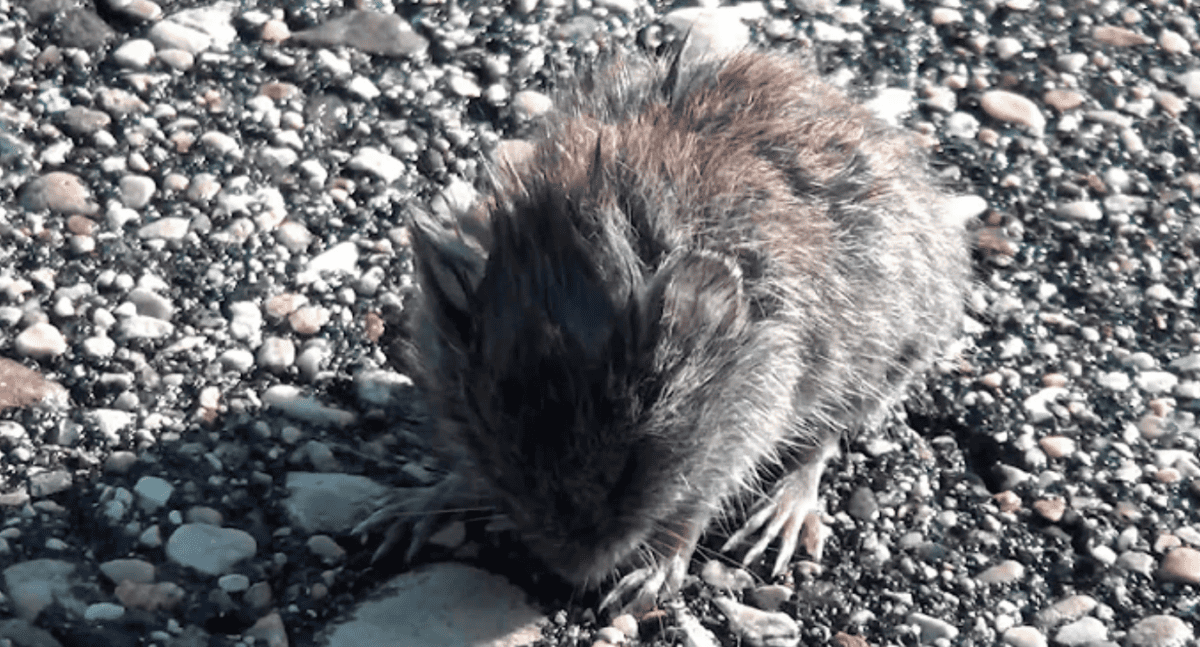
Inhabiting forests of the northern U.S., the Southern Red-Backed Vole contributes to nutrient cycling and serves as a prey base for many forest predators. These voles create a network of burrows, impacting soil structure and aeration. Their seed caching behavior also aids in the dispersal and germination of various plant species, demonstrating their role in forest regeneration.
3. Rafinesque’s Big-Eared Bat

Rafinesque’s Big-Eared Bat uses forested areas for roosting and foraging, primarily feeding on moths and other insects. This bat is distinguished by its oversized ears and sharp sense of hearing. Found in the southeastern U.S., their population is an indicator of healthy forest ecosystems. Bats are crucial pollinators and pest controllers, making their conservation vital.
2. Cerulean Warbler

The Cerulean Warbler, residing in deciduous forests, is one of the most beautiful and high-priority conservation birds in the U.S. It lives in the canopy, playing a role in controlling insect populations. Unfortunately, this bird is experiencing population declines due to habitat loss, and efforts are underway to protect and restore breeding and migratory habitats.
1. Dusky Salamander

The Dusky Salamander thrives in moist forest environments near streams and seepages across the eastern U.S. These amphibians have permeable skin, requiring a damp habitat for gas exchange and temperature regulation. They are key bioindicators, reflecting the health of their ecosystems, and are vital for controlling insect populations.
Conclusion
In conclusion, the forests of the United States are home to a captivating array of creatures, each playing unique roles in maintaining the delicate balance of these ecosystems. From tiny shrews to the elusive Pacific fisher, these animals underline the importance of forest conservation. Protecting forest habitats ensures biodiversity, sustains ecosystems, and preserves the natural beauty of these woodlands for generations to come.

As a little kid, I fell in love with nature, wildlife, and animals. Living in the USA, South Africa, Italy, China and Germany gave me the opportunity to discover the world's Wildlife. My favorite animals are Mountain Gorillas, Siberian Tigers, and Great White Sharks.
I'm a certified PADI Open Water Diver, went to Everest Base Camp and Trekked Gorillas in Uganda. I hold a Master of Science in Economics and Finance.
Please send any feedback to feedback@animalsaroundtheglobe.com
- 13 Cat Breeds That Get Along with Dogs - July 20, 2026
- The 12 Largest Dog Breeds That Still Love to Cuddle - July 20, 2026
- 12 Pet Habits That Secretly Mean They Love You - July 20, 2026