
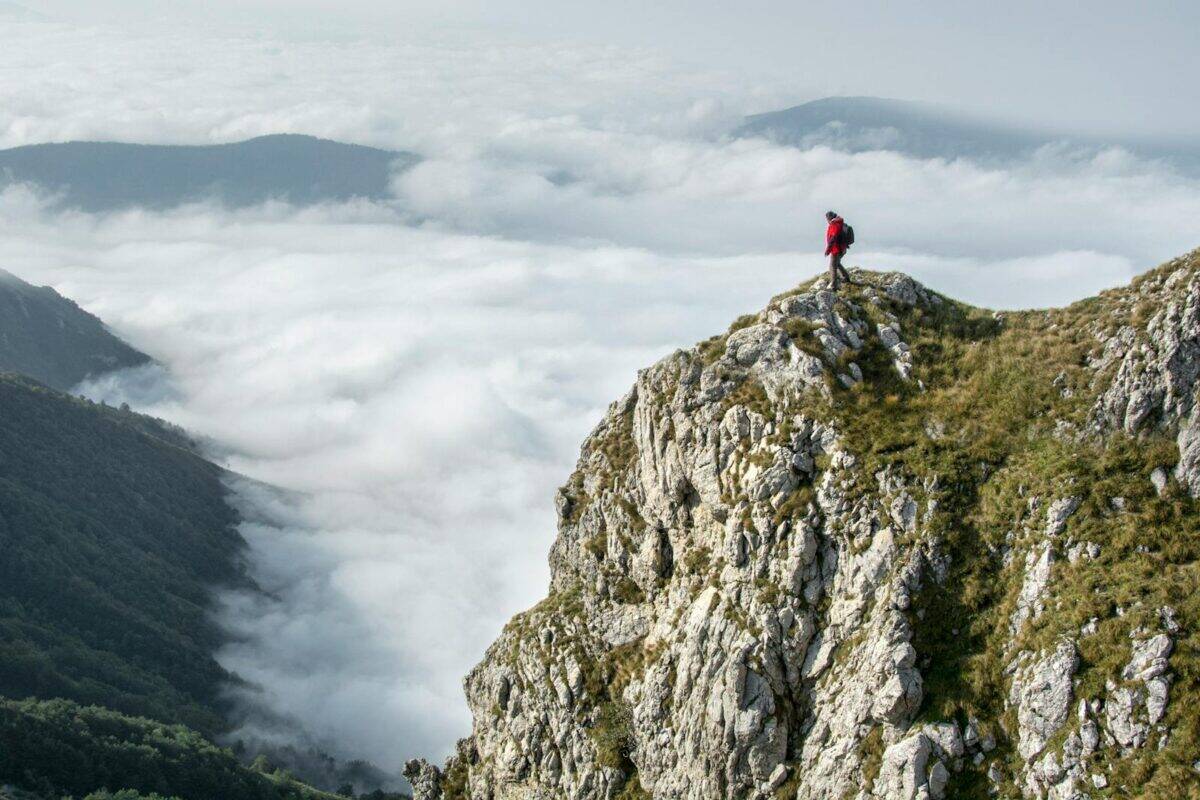
The United States is home to breathtaking landscapes and diverse ecosystems, but some of these natural wonders pose significant challenges for wildlife. Cliffs, with their stunning vistas and rugged features, can be perilous environments for many species. This article sheds light on some of the most dangerous cliffs in the U.S. for wildlife, examining how these majestic terrains become sites of both natural beauty and ecological concern.
Understanding Cliffs as Habitats

Cliffs are unique geological formations characterized by steep, almost vertical drops. They provide habitats for a variety of wildlife, including birds, mammals, and plants that have adapted to life on the edge. However, these environments can be extremely dangerous, both for the creatures that reside there permanently and those that venture temporarily.
The Appeal of Cliffs to Wildlife

Wildlife is drawn to cliffs for various reasons. Birds of prey, such as hawks and falcons, use cliffs as nesting sites because they offer vantage points and protection from ground predators. Meanwhile, mountain goats and bighorn sheep navigate these steep terrains to graze on vegetation and escape predators. Despite these advantages, the hazards that cliffs present often outweigh the benefits for many species.
Yosemite National Park’s Glacier Point: A Treacherous Beauty

Glacier Point in Yosemite National Park offers breathtaking views of the Yosemite Valley, but it also poses considerable risks for wildlife. The sheer drop-offs make it difficult for animals to navigate, and the risk of falling is significant. Animals that come too close to the edge often find themselves in perilous situations, leading to accidents and fatalities.
Grand Canyon’s Rim: A Precarious Perch

The Grand Canyon is known for its incredible grandeur and steep cliffs. The canyon’s rim might provide a spectacular view, but it also places wildlife at risk. Birds nesting on the cliffs face challenges from high winds and strong thermal currents that can lead to fatal accidents. Meanwhile, mammals risk falling as they traverse the rugged edges.
Big Sur’s Coastal Cliffs: Risky Refuge for Marine Birds
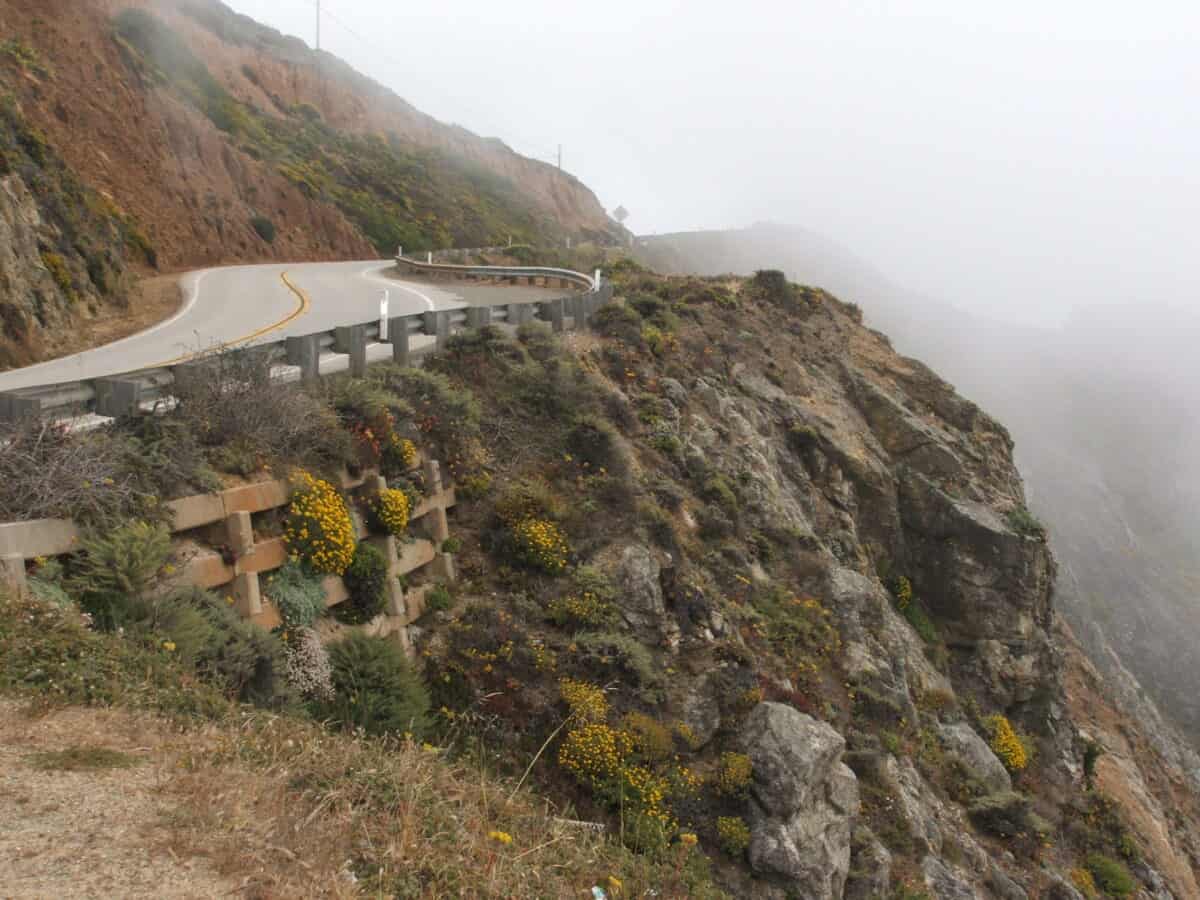
The cliffs of Big Sur are a striking feature of California’s coastline, providing nesting sites for various seabirds. However, the proximity to the ocean means that storms and high waves can be deadly. Marine birds, such as pelicans and cormorants, are often battered by strong winds, leading to high rates of injury and mortality.
Devils Tower: A Vertical Challenge for Raptors

As an isolated column of rock rising majestically from the Black Hills in Wyoming, Devils Tower is a challenging environment for wildlife. Raptors use its cliff face for nesting, but strong winds and limited nesting space can make survival difficult. The unique structure of Devils Tower can also complicate feeding flights for young birds learning to fly.
Zion’s Angel’s Landing: A Hazard for Desert Wildlife
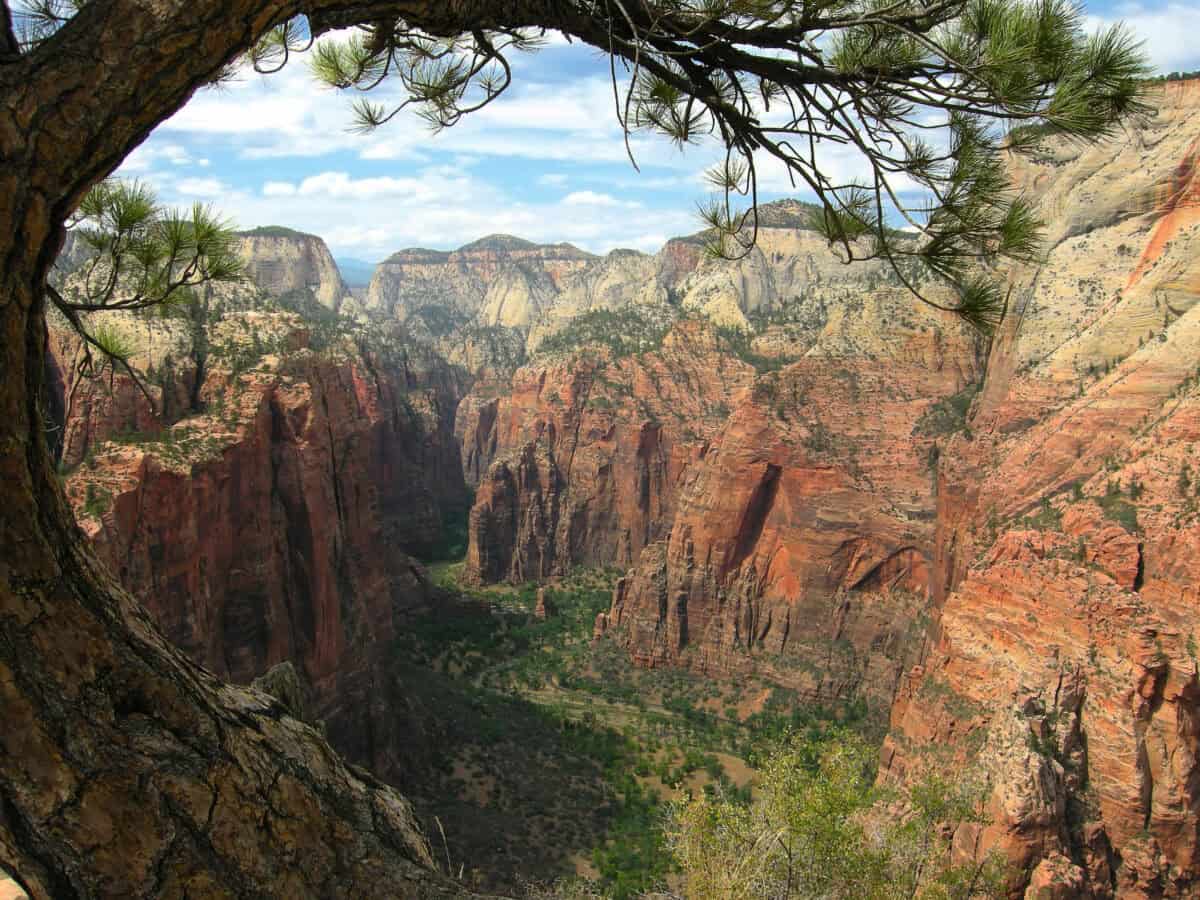
Angel’s Landing in Zion National Park is a popular spot for hikers and a dangerous cliff for wildlife. The narrow paths and steep drop-offs are risky for animals, particularly larger mammals that have difficulty navigating the limited space. As temperatures rise, the cliff also presents the threat of heat exhaustion and dehydration to resident wildlife.
Hawaii’s Na Pali Coast: Beauty with Hidden Dangers
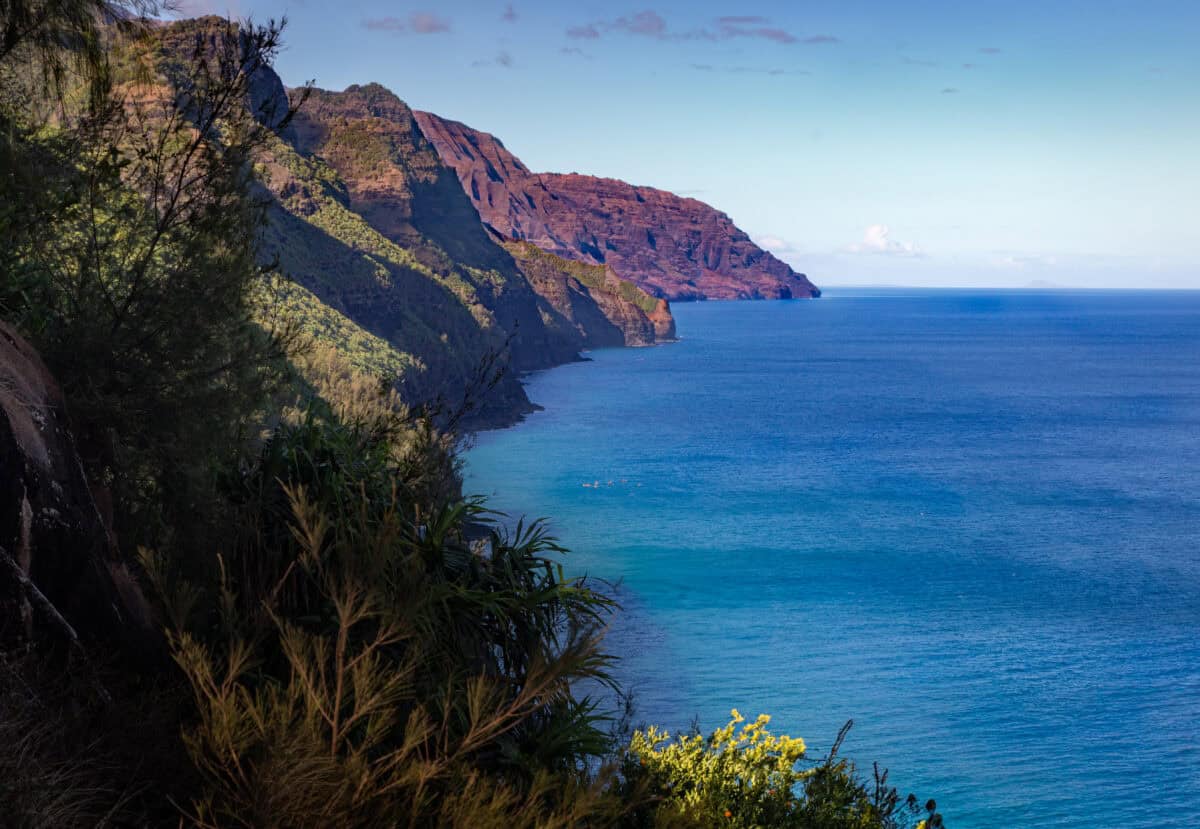
Hawaii’s Na Pali Coast boasts some of the most stunning cliffs in the world. The lush, rugged cliffs are home to several endemic species, but they are also fraught with danger. Frequent rockslides and unpredictable weather patterns pose constant threats to wildlife. Seabirds nesting on the cliffs face additional peril from invasive species that disrupt their habitats.
Sequoia’s Kings Canyon: A Steep Learning Curve for Wildlife
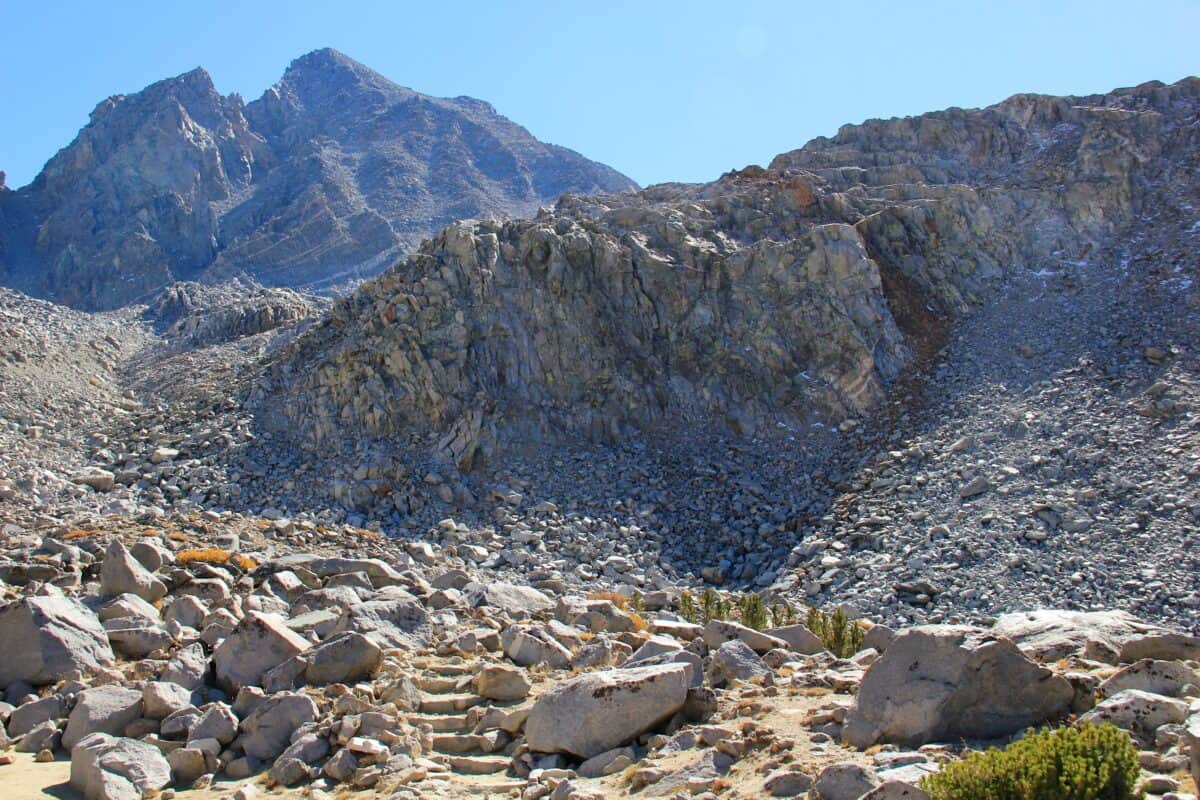
Kings Canyon’s rocky cliffs are an iconic feature of Sequoia National Park but present formidable challenges to wildlife. Animals such as foxes and deer risk falling from the steep slopes, and limited access to food and water can make survival precarious — especially during dry seasons and drought conditions.
Acadia’s Precipice: Risky Heights for Peregrine Falcons
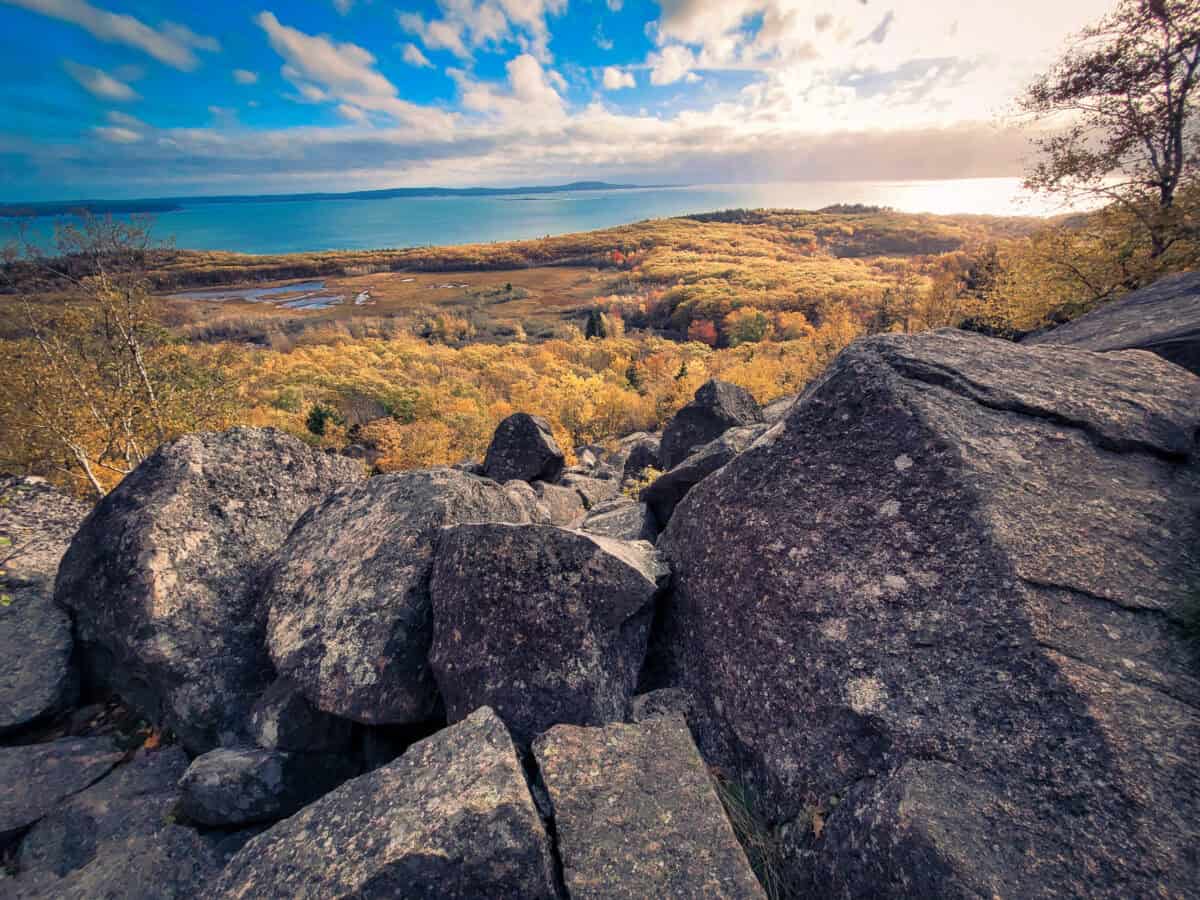
The Precipice in Acadia National Park is not only famous for its hiking challenges but also for its resident peregrine falcons. These birds find it challenging to nest on such exposed ledges, where strong winds can dislodge eggs or young birds. The threat of human disturbance also adds to the peril these falcons face atop Acadia’s cliffs.
Arches National Park: Delicate Sandstone Cliffs at Risk

The fragile sandstone formations in Arches National Park create an intriguing landscape. However, both ecological and geological instability present dangers. Wildlife traversing these arches and cliffs must contend with collapsing arches, rockfalls, and limited vegetation for sustenance. This environment requires exceptional adaptation for survival.
Efforts to Mitigate the Risks
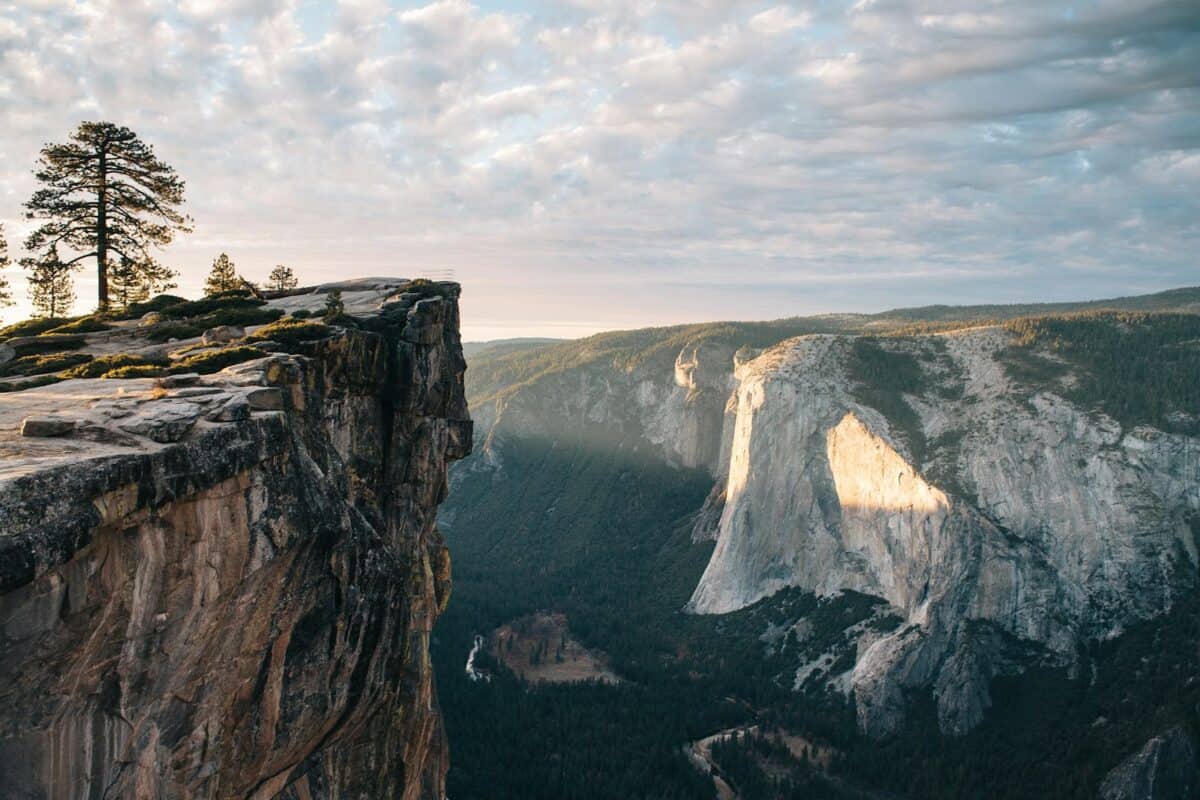
Conservation efforts are vital for mitigating the dangers cliffs pose to wildlife. Measures include restricting human access during nesting seasons, controlling invasive species that threaten native wildlife on cliffs, and implementing habitat restoration projects. Educating visitors and enforcing regulations are essential to ensure that these magnificent yet dangerous landscapes remain safe havens for wildlife.
While cliffs across the U.S. present unparalleled vistas and ecological sanctuaries for some species, their challenges to wildlife are profound. From high winds to unstable surfaces, the threats are numerous, requiring a delicate balance between natural ecosystems and human interaction. Continued conservation efforts and mindful tourism practices can help safeguard the diverse creatures that call these cliffs home, ensuring these natural wonders persist as thriving ecosystems for generations to come.

- The Secret Language of Dolphins Decoded by Researchers - July 20, 2026
- 7 Animals That Can Survive Extreme Environments You Couldn’t - July 20, 2026
- The Longest Snake Ever Found in the U.S. - July 20, 2026