


Glaciers are a captivating natural phenomenon that holds a special place in Earth’s climatic system. They are both a testament to the planet’s past and a crucial factor in its future. In this regard, Alaska’s glaciers have become focal points in the study of climate change. Increasingly, scientists are warning about the alarming rate of ice loss in these glaciers, with far-reaching implications for the environment and human society. This article will delve into the multifaceted aspects of this pressing issue.
Understanding Glaciers: Nature’s Ice Reservoirs
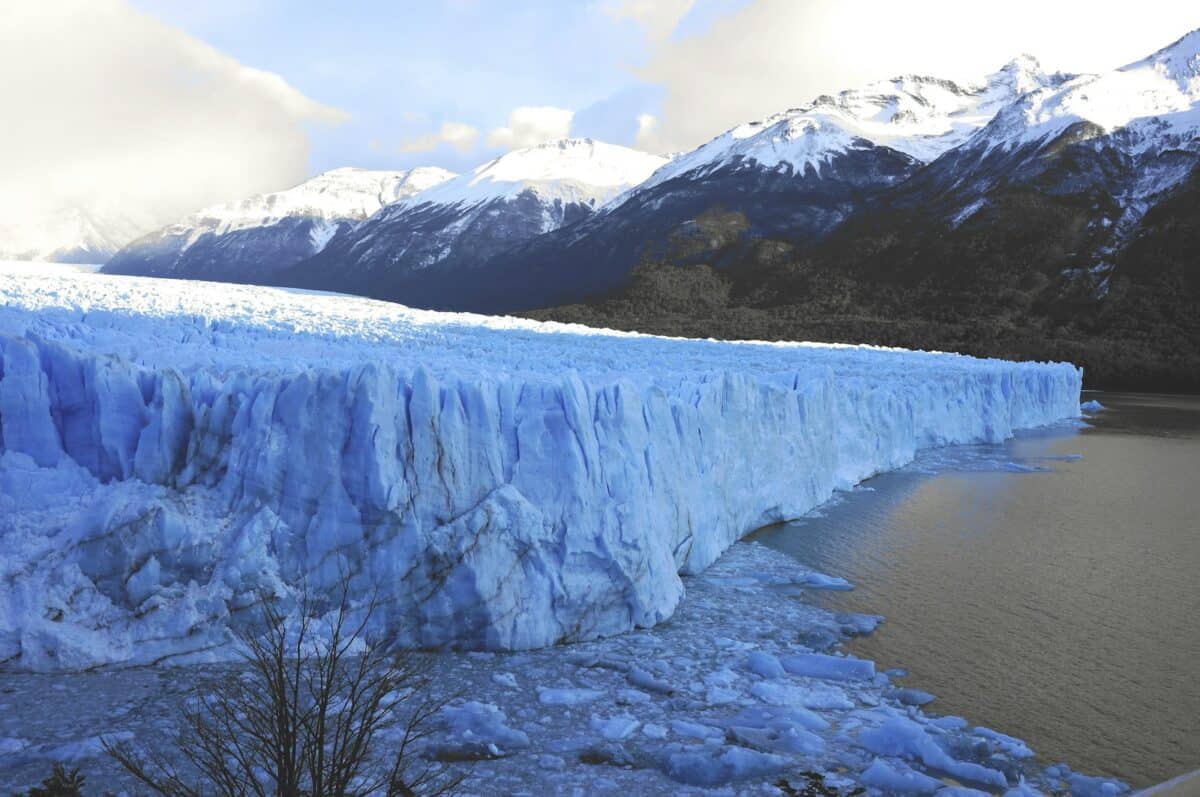
Glaciers are immense masses of compacted ice that move and flow under their own weight, acting as natural reservoirs of freshwater. These icy giants store about 69% of the world’s freshwater, making them crucial for both local ecosystems and global climate regulation. Glaciers naturally accumulate snow in the winter and release water in the summer, maintaining a balance that supports downstream ecosystems and human water supplies.
The Significance of Alaska’s Glaciers
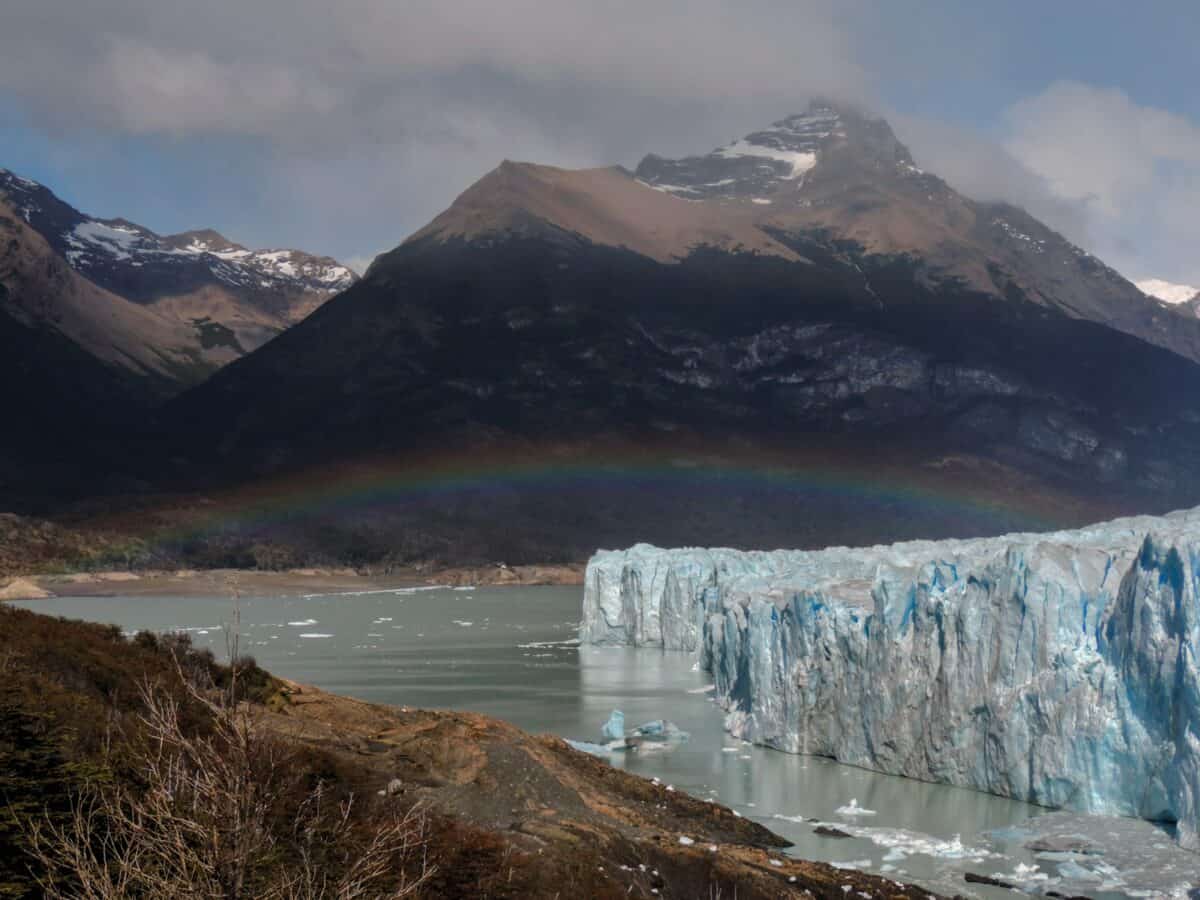
Alaska is home to numerous glaciers, many of which are among the largest in North America. These glaciers significantly influence the local and regional climate, serving as essential indicators of environmental changes. As a result, understanding the health and behavior of Alaska’s glaciers provides vital insights into broader climatic trends.
Current Trends in Glacial Ice Loss
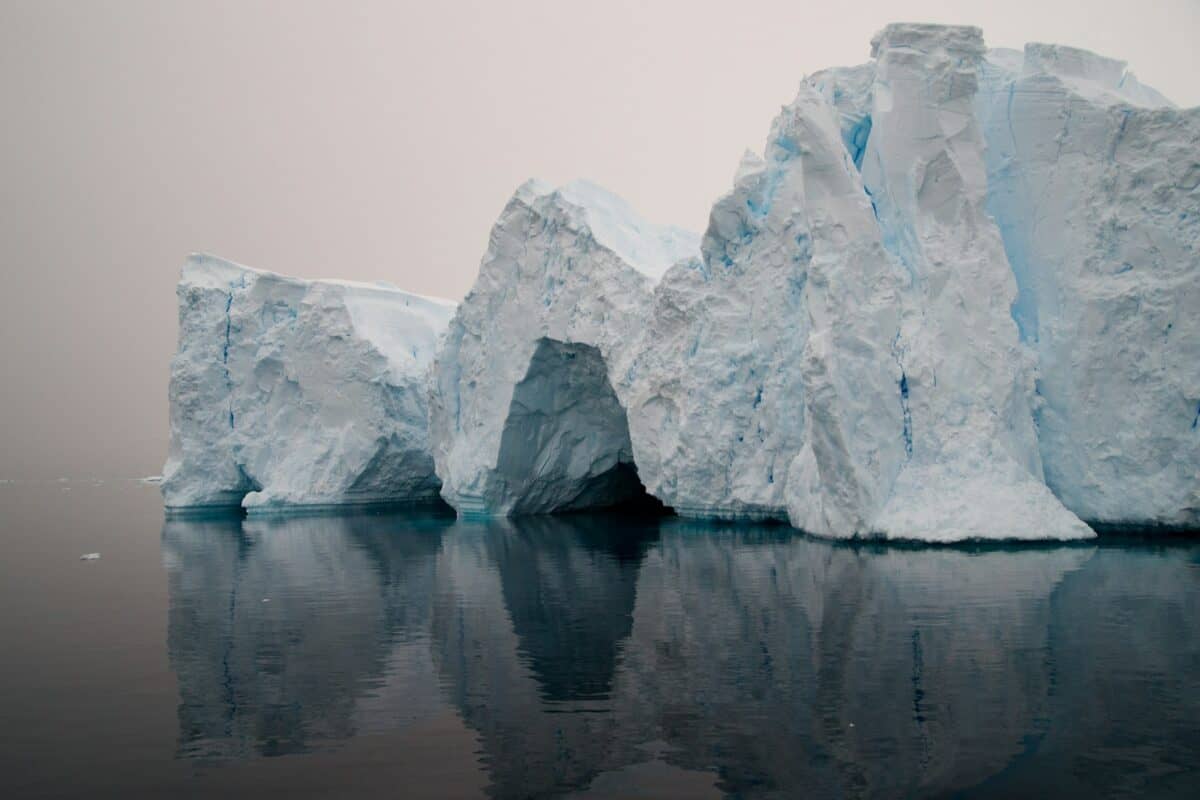
Recent studies highlight a worrying acceleration in ice loss from Alaska’s glaciers. Data collected over the past few decades reveals that the rate of ice melt has more than doubled since the early 20th century. The increased melt is attributed primarily to rising global temperatures, a principal component of climate change.
Contributing Factors to Ice Loss
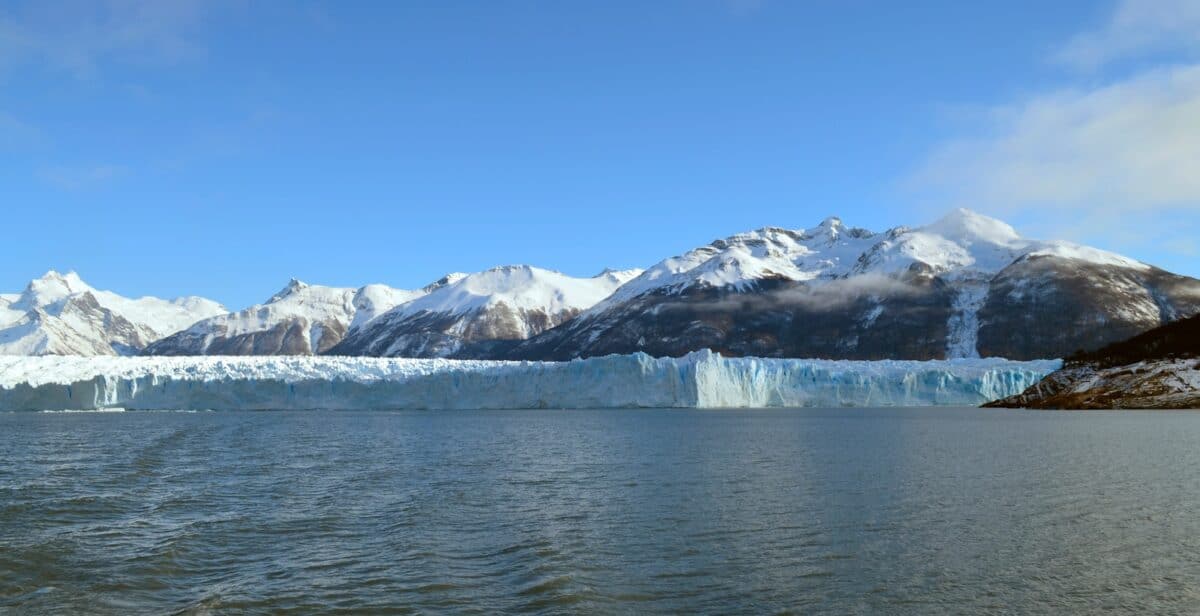
Multiple factors contribute to the rapid ice loss experienced by Alaska’s glaciers. Chief among these are atmospheric temperatures, which have been sharply rising due to increased greenhouse gas concentrations. Other factors include decreased precipitation and changes in ocean currents that contribute to warmer coastal waters.
The Role of Human Activity

Human activities, such as carbon emissions from burning fossil fuels and deforestation, significantly contribute to global warming, thereby accelerating glacial melting. In Alaska, industrial activities related to oil extraction and mining operations also play a role in local environmental changes, further exacerbating ice loss.
Impact on Sea Level Rise
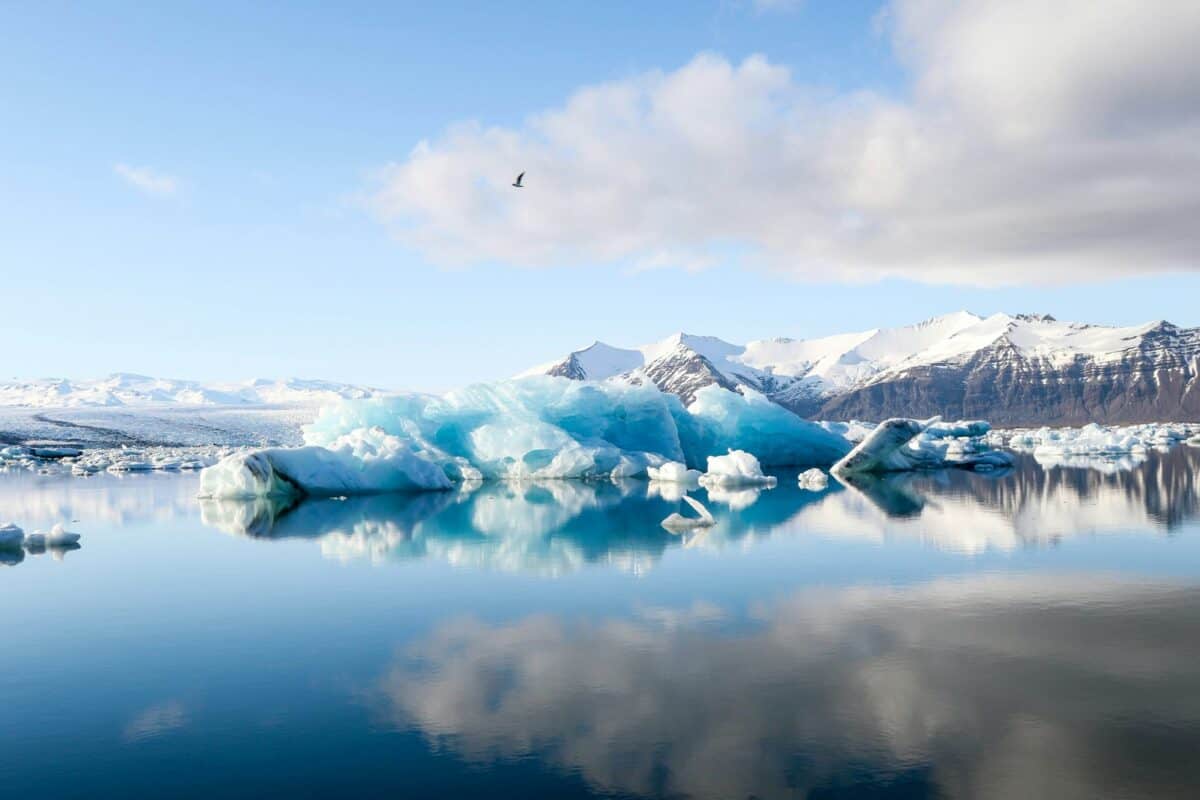
As Alaska’s glaciers continue to lose ice, the resultant meltwater contributes to global sea level rise. Current estimates suggest that glacier melt in Alaska alone contributes approximately 0.12 millimeters annually to sea level rise. Though seemingly small, when combined with other sources, this accumulation poses significant risks to coastal communities worldwide.
Effects on Local Ecosystems

The retreat of glaciers in Alaska has profound impacts on local ecosystems. Species that rely on glacial meltwater for habitat, such as salmon, are facing habitat loss and altered migration patterns. Additionally, as freshwater influx decreases, marine ecosystems near coastlines experience heightened salinity, impacting diverse forms of marine life.
Consequences for Indigenous Communities
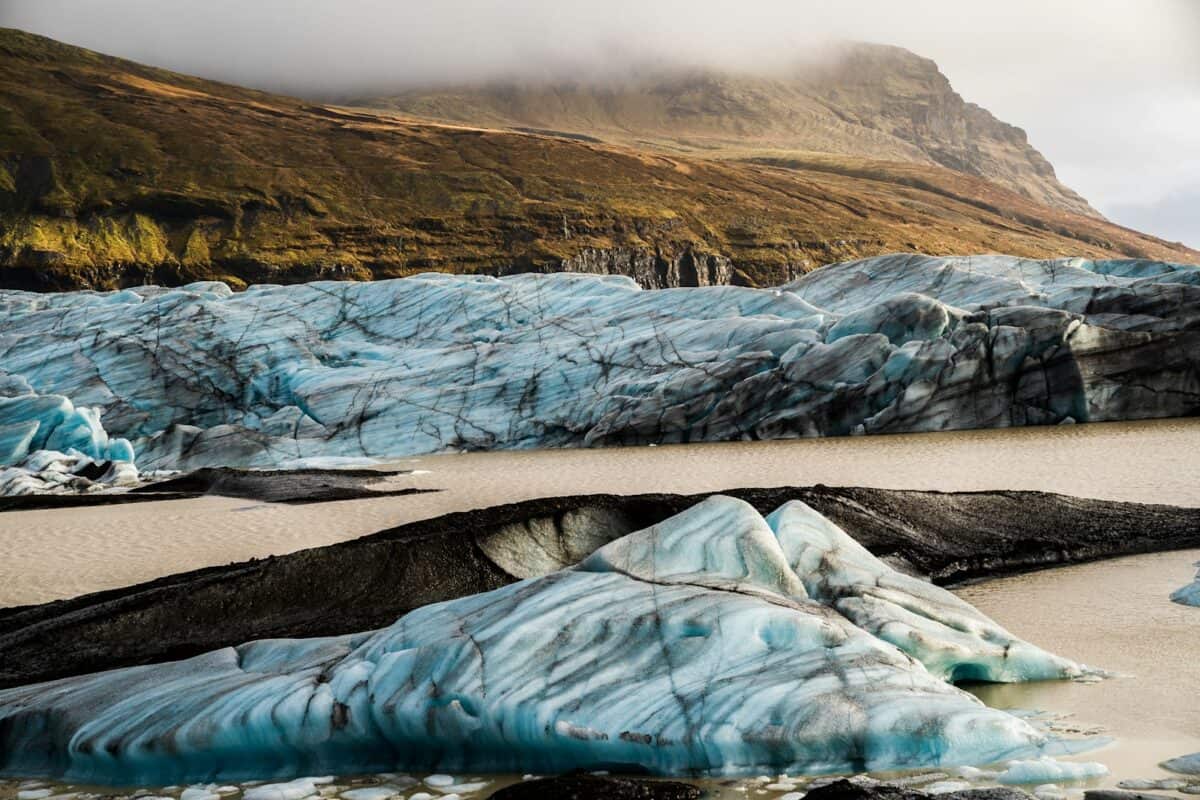
The rapid change in glacier dynamics directly affects Alaska’s Indigenous communities, many of whom rely on glacial ecosystems for subsistence hunting and fishing. The alteration in traditional migration routes and availability of resources poses challenges in maintaining cultural practices and food security.
Scientific Methods in Monitoring Ice Loss
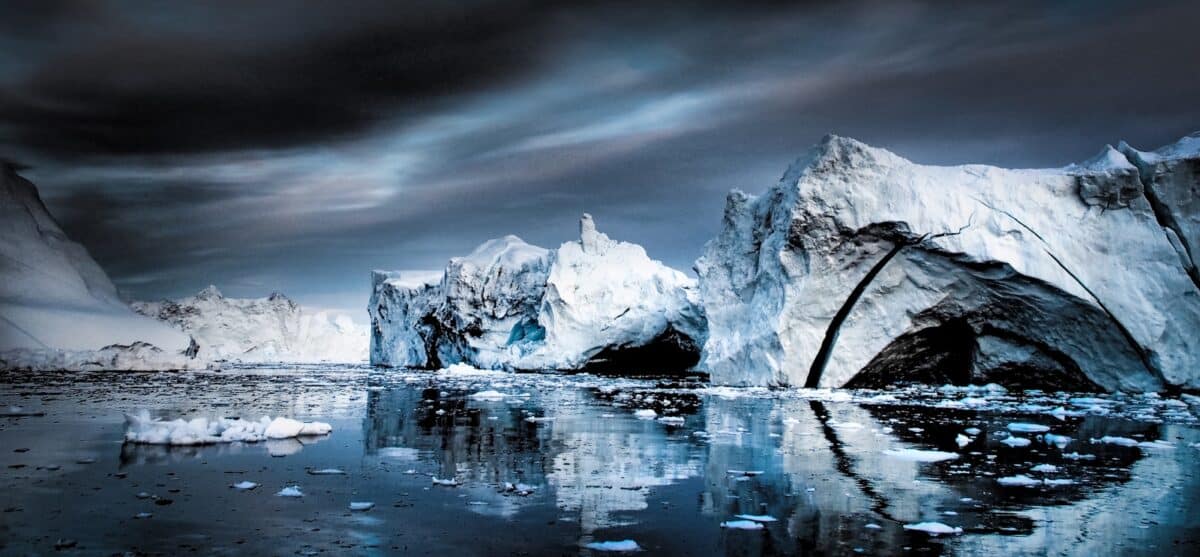
Scientists employ a range of techniques to monitor glacial ice loss, including satellite imagery, aerial surveys, and ground-based measurements. Advanced technologies such as LIDAR (Light Detection and Ranging) and remote sensing are instrumental in providing accurate data and facilitating predictive models.
Global Implications of Glacial Melt
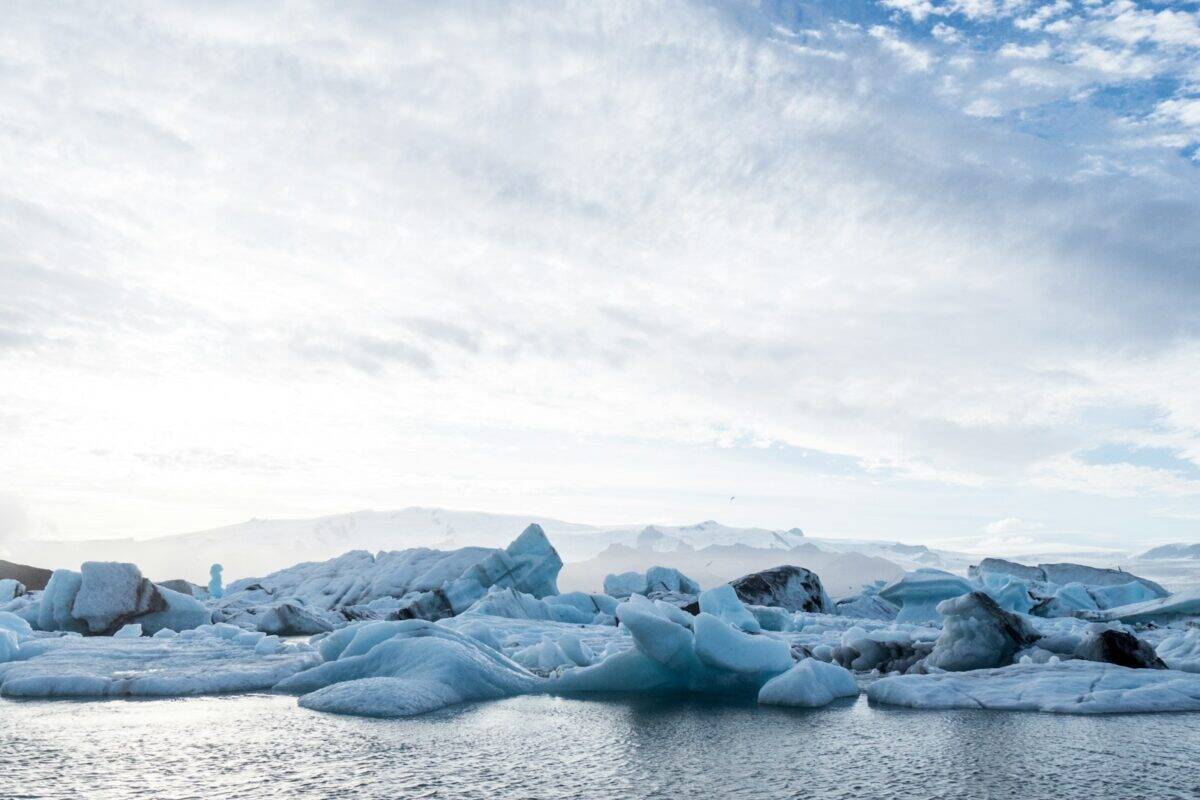
The impacts of glacial melt in Alaska extend far beyond regional concerns. Alaska’s glaciers are part of a larger system that influences ocean currents and atmospheric patterns globally. As these glaciers diminish, alterations in these systems can lead to unpredictable weather patterns and contribute to global warming feedback loops.
Steps Towards Mitigating Ice Loss
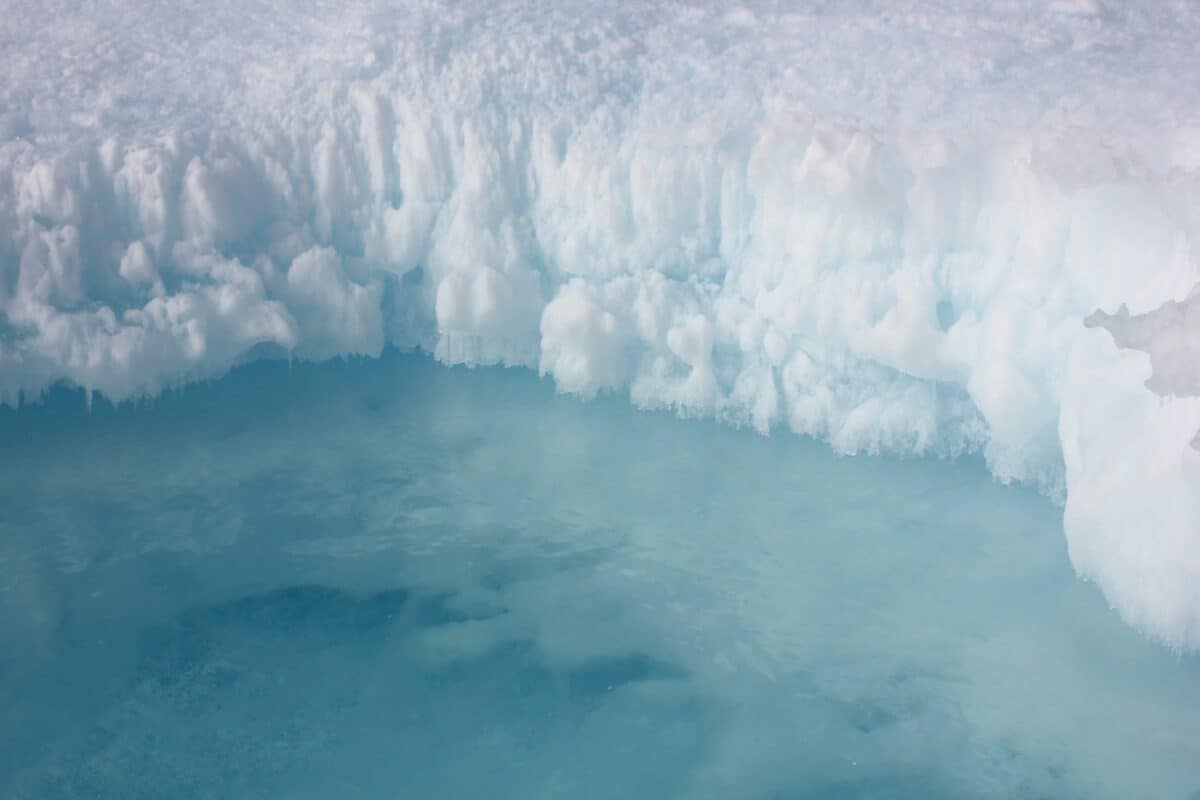
Efforts to mitigate glacier ice loss focus largely on reducing global greenhouse gas emissions and adopting sustainable practices. International agreements, such as the Paris Agreement, aim to curb carbon output. Additionally, investment in renewable energy sources and conservation initiatives are crucial steps towards preserving glacial environments.
Focus on Future Research and Collaboration

Scientists emphasize the importance of continued research and international collaboration to fully understand and address the challenges associated with glacial ice loss. Collaborative efforts can drive innovations in climate modeling and foster political will to take meaningful action against climate change.
Conclusion: A Call to Action

Alaska’s glaciers stand as a stark testament to the reality of climate change and its far-reaching implications. With the rate of ice loss increasing, the need for urgent action is clear. Protecting these vital natural resources will require a concerted effort from governments, scientists, and the public. Through heightened awareness and proactive strategies, we can hope to mitigate some of the profound impacts on our planet’s climate system.

From exploring the marine wonders in the Azores and witnessing the vast savannas of Kenya, to delving deep into the rich biodiversity of South Africa and traversing iconic landscapes in Australia and the US like Yellowstone, Chris's experiences are vast.
With a penchant for diving alongside sharks, the ocean holds a special place in his heart.
Through his academic insights, he champions wildlife conservation, striving with 'Animals Around The Globe' to cultivate a profound connection between humans and animals, enhancing our mutual appreciation.
Connect with him at Feedback@animalsaroundtheglobe.com.
- 15 Wild Animals You Might Spot in U.S. National Parks - July 22, 2026
- What Happens If Coral Reefs All Disappear? - July 22, 2026
- Penguins Are Moving North—What This Means for the Arctic - July 22, 2026