

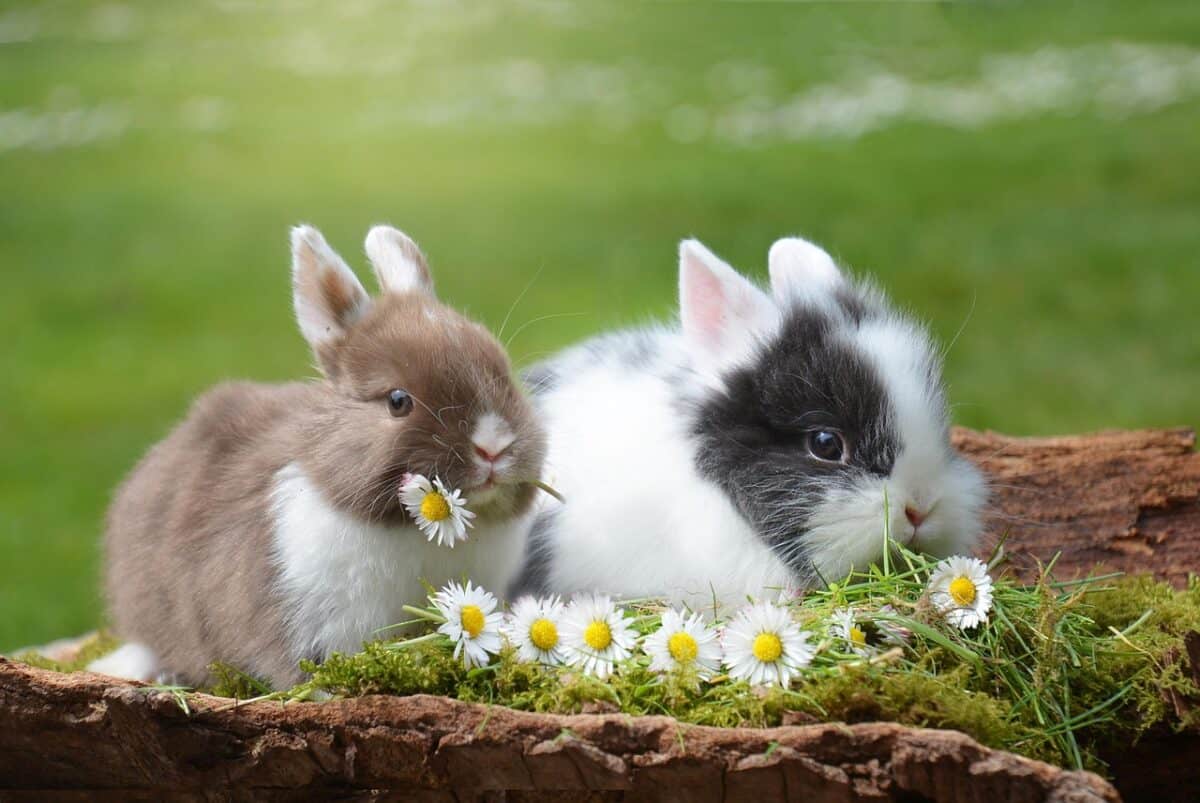
Rabbits, often adored for their gentle nature and twitching noses, are beloved pets and majestic creatures in the wild. While they are commonly assumed to nibble endlessly on carrots—as portrayed in cartoons—their dietary needs are far more complex and nuanced. Feeding rabbits correctly is crucial not only for their health but also for their overall happiness. Let’s explore what rabbits really eat and uncover what should be avoided to ensure their well-being.
The Basics of a Rabbit’s Diet
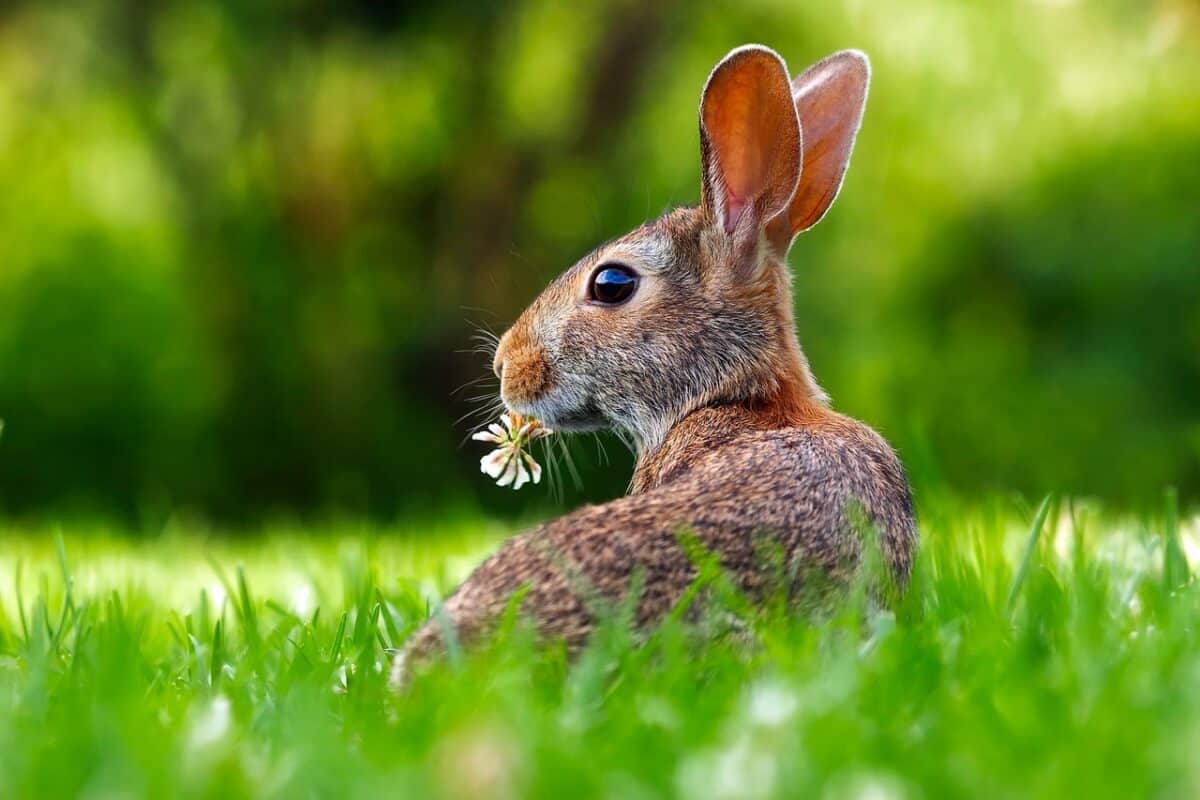
At the heart of a rabbit’s dietary needs is fiber. Rough, fibrous materials are essential to keep their digestive system running smoothly. Their diet in the wild includes grasses, leaves, and weeds, which significantly contribute to their health. An ideal rabbit diet should mimic this natural intake as closely as possible.
Hay: The Cornerstone of Rabbit Nutrition

Hay makes up the bulk of a domestic rabbit’s diet, providing the necessary fiber needed for proper digestion. Timothy hay, orchard grass, and meadow hay should be readily available to rabbits at all times. Not only does chewing hay keep their digestive system in check, but it also helps wear down their ever-growing teeth.
Fresh Vegetables: Adding Variety and Nutrition

Beyond hay, fresh vegetables are a vital component of a balanced rabbit diet. Leafy greens such as romaine lettuce, kale, and cilantro provide essential vitamins and minerals. Introducing a variety of greens ensures a broad nutrient intake, but it is equally crucial to monitor for digestive upsets when adding new vegetables.
Pellets: A Supplemental Necessity

While hay should dominate a rabbit’s diet, commercially prepared pellets complement their nutritional needs. It’s important to choose high-quality pellets that are rich in fiber and free from artificial ingredients. Pellets should be limited to prevent obesity, ensuring they enhance rather than dominate the diet.
Fruits as Occasional Treats
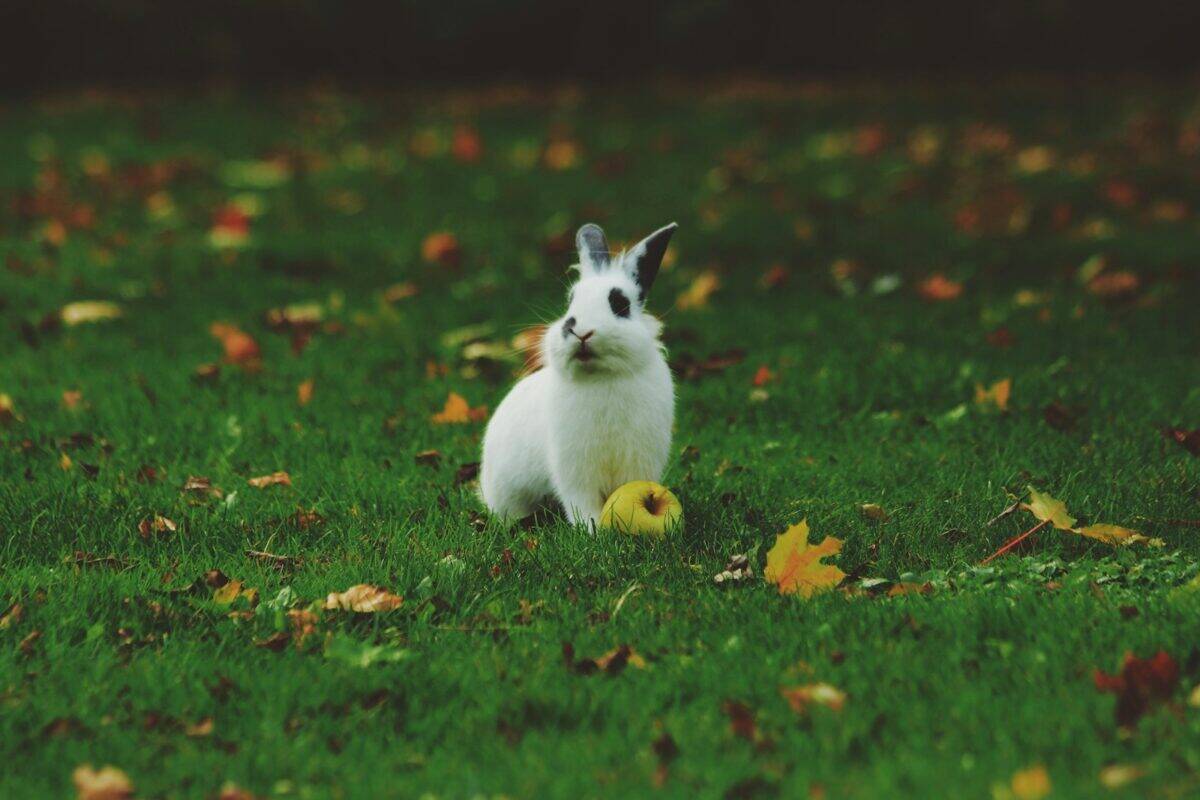
Though rabbits have a sweet tooth, fruits should be given sparingly due to their high sugar content. Small pieces of apple, pear, or berries can be delightful treats, but they should not comprise a significant portion of the diet to prevent digestive issues and obesity.
Foods to Avoid: Potential Hazards

Not all human foods are safe for rabbits. Certain vegetables like iceberg lettuce and rhubarb are harmful and should be avoided. Likewise, foods high in carbohydrates, sugars, and fat—such as bread, chocolate, and nuts—are unsuitable for their delicate digestive systems.
Understanding Nutritional Balance
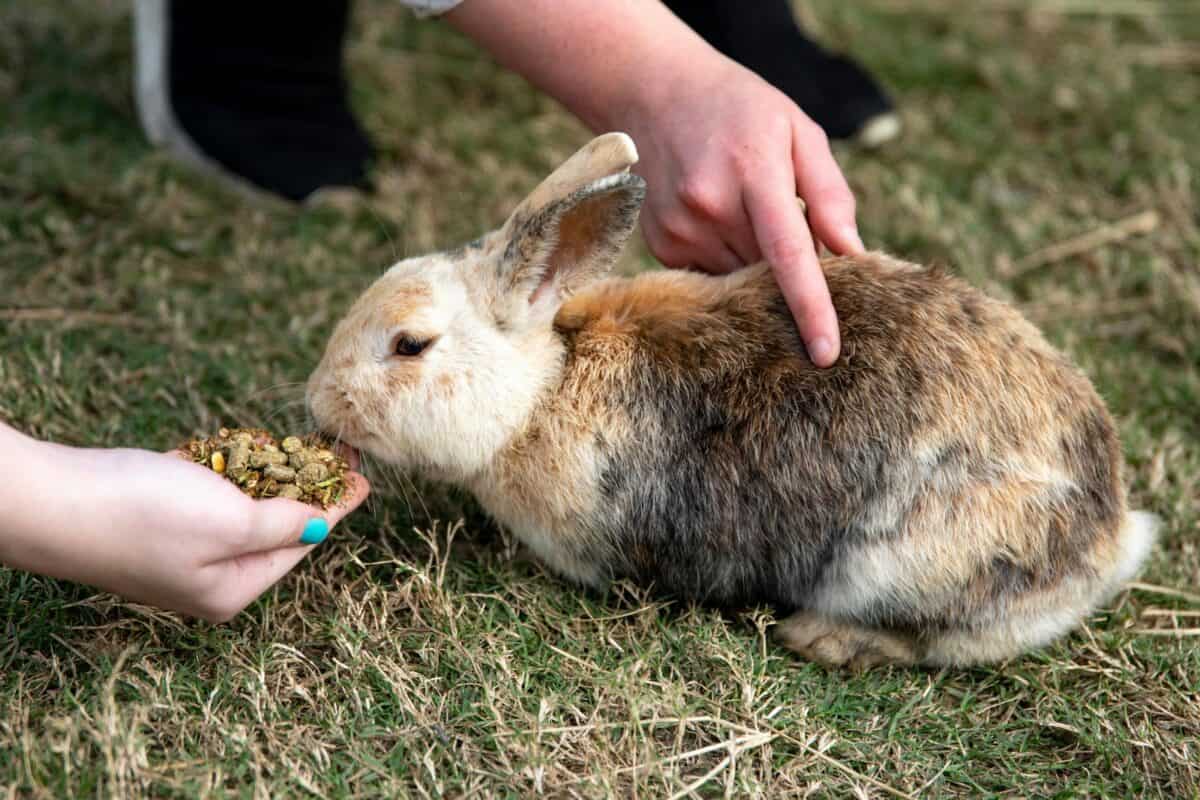
Balancing protein, fiber, and essential nutrients is key to maintaining a rabbit’s health. An imbalance, especially excess carbohydrates and insufficient fiber, can lead to gastrointestinal stasis, a potentially life-threatening condition. Monitoring their intake and ensuring a varied diet is pivotal.
Common Myths About Rabbit Diets

Several myths surround rabbit diets, such as the belief that rabbits can survive solely on carrots. While rabbits can occasionally enjoy carrots as a treat, their high sugar content means they should not be a staple. Educating oneself on rabbit nutrition is essential to dispel misconceptions.
Signs of a Healthy Diet

A well-fed rabbit generally displays lively behavior, a sleek coat, and consistent droppings. Observing a rabbit’s physical condition and behavioral changes can offer insights into their dietary health. Lethargy or a lack of appetite may indicate that dietary adjustments are needed.
Transitioning to a New Diet

When introducing new elements to a rabbit’s diet, it should be done gradually. A slow transition over a week or two reduces the risk of stomach upset and allows you to monitor any adverse reactions. Patience and careful observation are crucial during this period.
Consulting with Veterinarians

Regular veterinary check-ups are vital to ensure your rabbit’s diet is meeting their needs. Veterinarians can offer sage advice on dietary adjustments and diagnose potential nutritional deficiencies or digestive issues, providing peace of mind for rabbit owners.
Benefits of a Balanced Diet
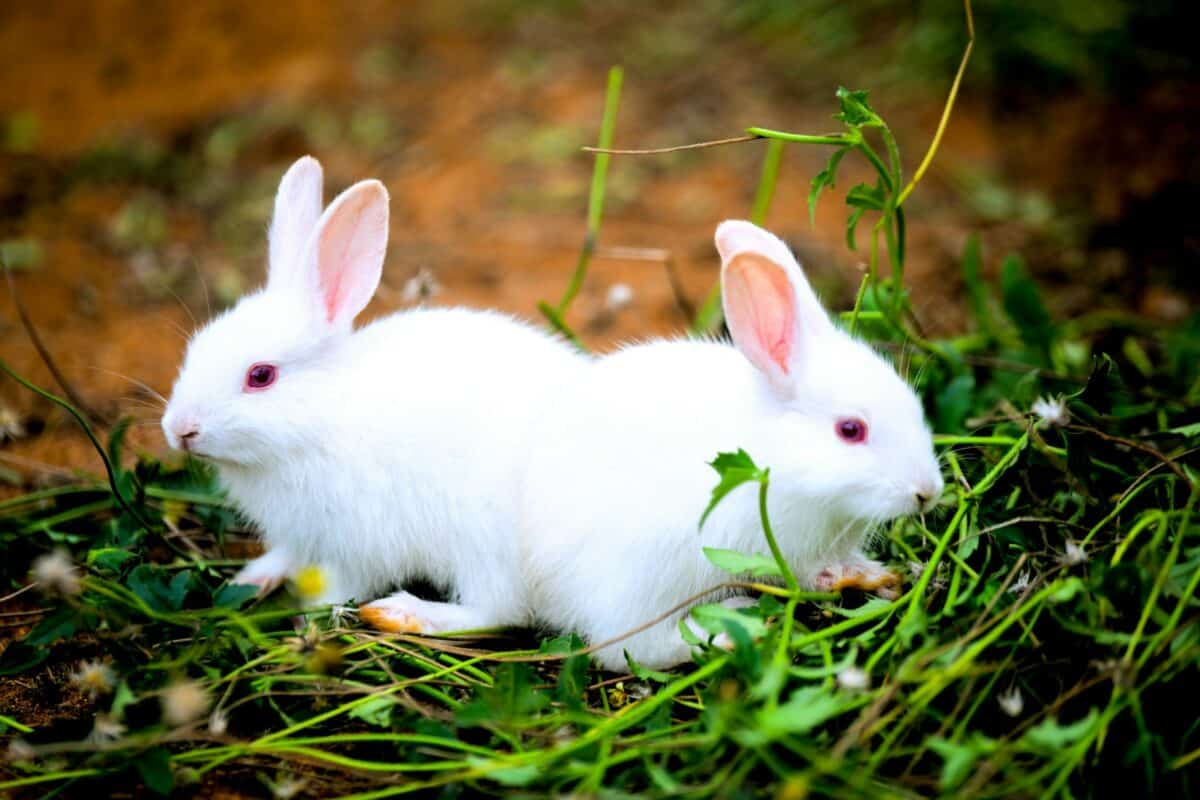
A properly planned rabbit diet not only extends their lifespan but also enriches their quality of life. The right nutrition promotes a healthy weight, prevents dental issues, and supports an active and happy lifestyle. Such diligence in feeding practices ensures your rabbit can enjoy their days full of energy and contentment.
In conclusion, understanding what rabbits eat—and equally what they shouldn’t—plays an integral role in their overall care. Responsible feeding practices are paramount to achieving a balance that contributes to a healthier, happier rabbit, clear of health complications commonly born from dietary negligence. Educate yourself continuously and take the necessary steps to provide your rabbit with the best possible nutrition, ensuring years of companionship and joy.

- Fastest Fish in American Waters Identified - July 15, 2026
- How Ants Build Living Bridges - July 15, 2026
- Why Foxes Scream at Night—and What It Means - July 15, 2026