


If you’ve ever been startled awake by what sounds like a woman screaming in the distance, only to discover it’s actually a fox, you’re not alone. The blood-curdling screams foxes make during the night can be unnerving for those unfamiliar with these vocalizations. While fox screams might sound alarming to human ears, they serve important functions in fox communication and behavior. Let’s explore the fascinating world of fox vocalizations, particularly their notorious nighttime screaming, and decode what these sounds actually mean in the context of fox behavior and ecology.
The Eerie Sound of Fox Screams
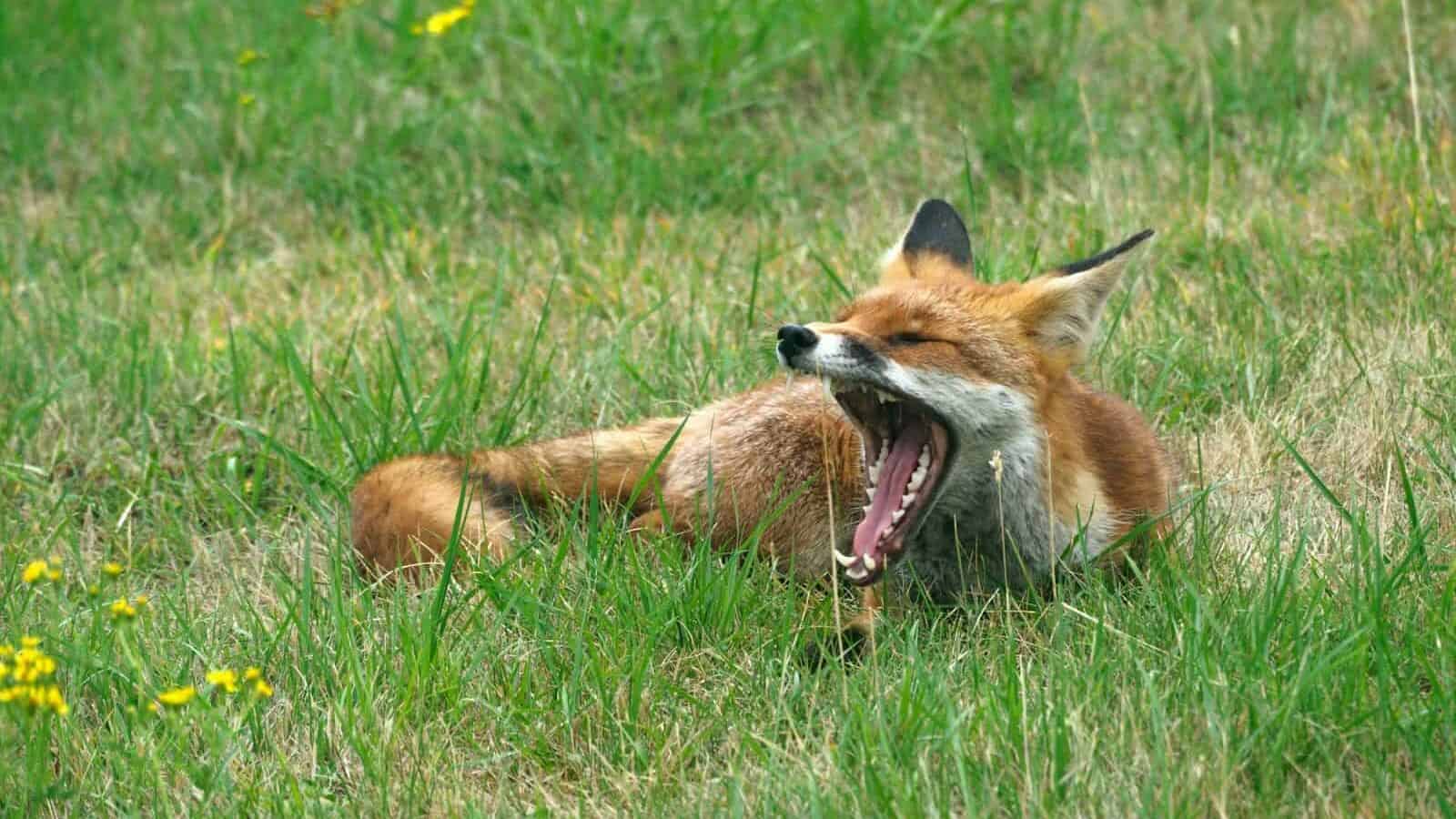
Fox screams are often described as sounding like a human in distress. The red fox (Vulpes vulpes), the most widespread fox species globally, is particularly known for its piercing, high-pitched wail that can cut through the silence of night. These vocalizations can vary from sharp, explosive screams to more drawn-out howls and even series of barking sounds. The intensity and tone of these calls often catch people off guard, especially when heard in suburban or urban environments where many foxes now make their homes.
The sound itself is distinctive—starting with a sharp, high-pitched note that often descends into a more guttural, raspy call. The similarity to human screams is not coincidental; both contain frequencies that our brains are wired to respond to with alertness and concern. This similarity likely contributes to why fox screams can be so disturbing and memorable to those who hear them echoing through the darkness.
Mating Season: The Primary Reason for Nighttime Screaming
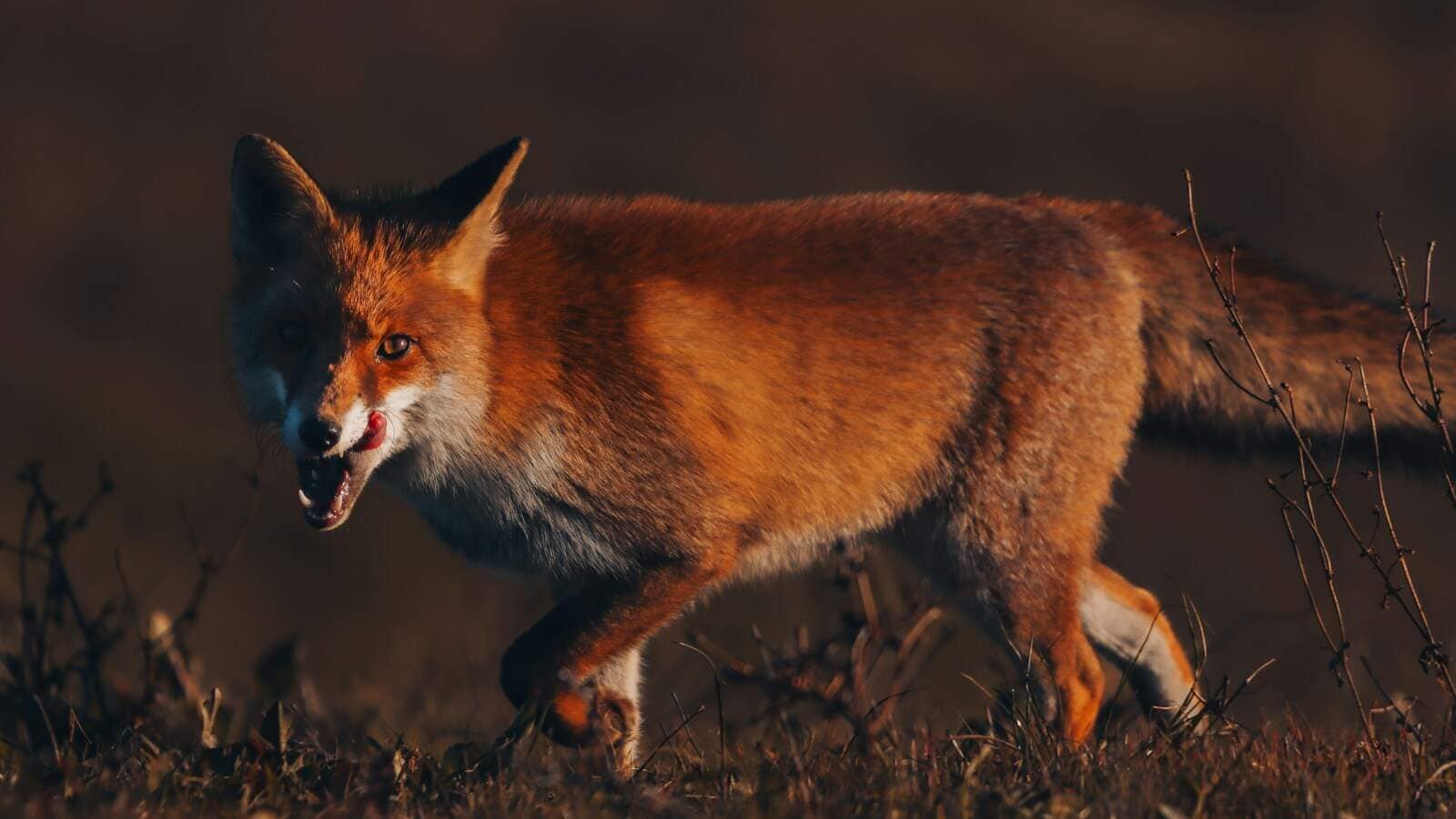
The most common reason for fox screaming is related to mating behavior. In the Northern Hemisphere, fox mating season typically occurs between December and February, with peak activity in January. During this period, the frequency and intensity of fox vocalizations increase dramatically. Female foxes (vixens) make a distinctive screaming call to advertise their availability to males, while male foxes use similar vocalizations to respond to females and to ward off competing males.
These mating calls are particularly prevalent at night because foxes are primarily nocturnal animals, with most of their social and reproductive activities taking place under the cover of darkness. The screams serve as long-distance communication tools, allowing foxes to find potential mates across their territory without having to constantly patrol or risk exposure to predators during daylight hours. The harshness and volume of these calls ensure they carry over considerable distances, even in densely populated areas or through wooded terrain.
Territorial Disputes Among Foxes

Beyond mating calls, fox screams also play a crucial role in territorial disputes. Foxes are territorial animals that mark and defend specific areas where they hunt, find shelter, and raise their young. When boundaries are challenged by neighboring foxes or when young foxes are establishing new territories, screaming contests can ensue. These vocal confrontations help foxes assert dominance or defend their territory without necessarily engaging in physical combat, which could lead to injury.
The screams during territorial disputes often have a different quality than mating calls—they may be shorter, more aggressive in tone, and frequently accompanied by other vocalizations like growls or barks. Foxes may also scream when they encounter potential threats, using the sound to intimidate predators or express alarm to nearby family members. This territorial screaming tends to increase during seasonal changes when territories are being established or when food resources become more limited.
Different Types of Fox Vocalizations
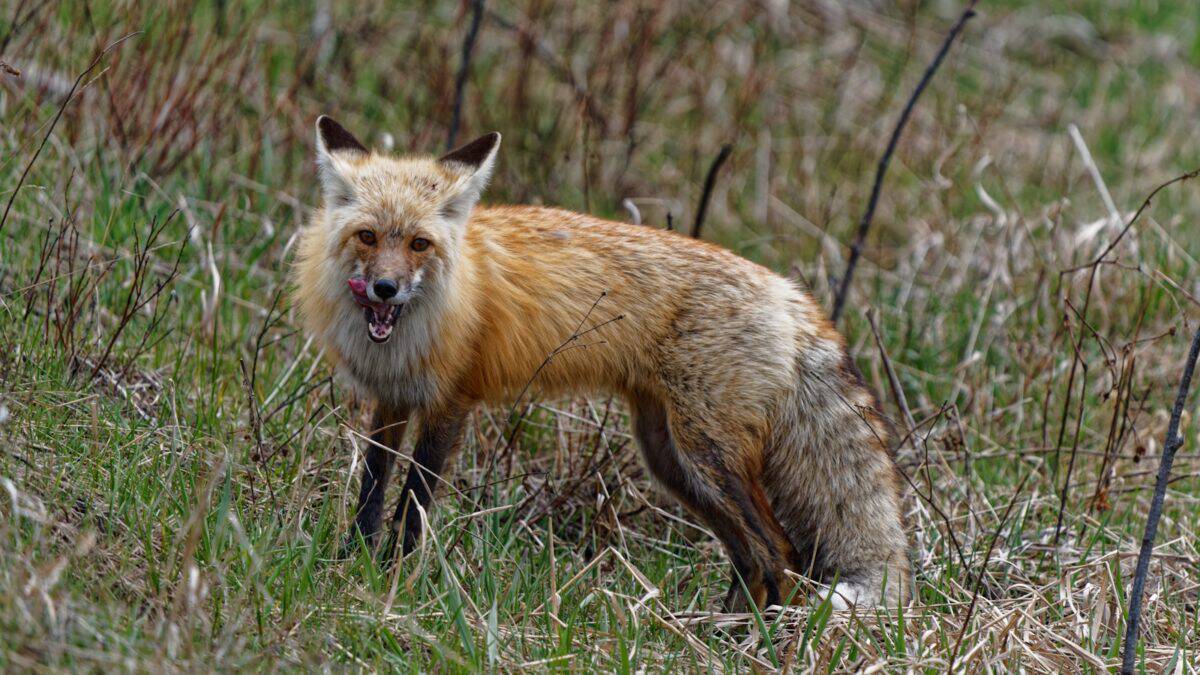
While the scream is the most notorious of fox sounds, these adaptable canids have a complex vocal repertoire that includes at least 20 different sounds. Beyond the characteristic scream, foxes communicate through whines, howls, growls, and a series of contact calls often described as “gekkering.” Each sound serves a different purpose in their social structure and daily activities. For instance, gekkering—a rapid series of low, husky chattering sounds—is often heard during play between fox cubs or during minor disagreements between adults.
Another common vocalization is the bark, which foxes use as an alarm call to warn family members of danger. Mother foxes also use a softer, more melodic call to communicate with their cubs, while cubs themselves make high-pitched whining sounds when hungry or seeking attention. Understanding this range of vocalizations helps contextualize the dramatic screams within the broader communication system foxes have developed to navigate their complex social and environmental challenges.
Seasonal Patterns in Fox Screaming

Fox vocalizations follow distinct seasonal patterns throughout the year. The most intense period of screaming coincides with the mating season in winter, particularly January through February in most regions. During this time, nighttime screaming can become a regular occurrence in areas with healthy fox populations. As spring approaches and foxes begin raising their young, the character of their vocalizations changes. Female foxes with cubs become more territorial and may scream to warn off potential threats to their young.
By summer, as fox cubs grow and begin to venture out of the den, vocalizations shift again. The playful interaction between growing cubs and adults increases the frequency of contact calls and play sounds. Come autumn, as young foxes disperse to establish their own territories, another period of increased vocalization occurs, though typically less intense than the mating season. Understanding these seasonal patterns can help humans anticipate and contextualize fox activity in their areas throughout the year.
Urban Foxes and Their Vocal Adaptations

Foxes have proven remarkably adaptable to urban environments, with urban fox populations flourishing in cities worldwide. Interestingly, research suggests that urban foxes may have modified their vocalizations compared to their rural counterparts. Urban foxes tend to vocalize more frequently but at lower volumes, possibly as an adaptation to the constant background noise of city environments. They may also vocalize at different times, sometimes calling earlier in the evening when human activity begins to quiet down but before most people are asleep.
The density of urban fox populations can also affect vocalization patterns. With territories often smaller and more densely packed in cities, foxes may need to communicate vocally more frequently to maintain territorial boundaries. Additionally, the abundance of artificial light in urban areas might influence fox behavior, potentially extending their active periods and subsequent vocalizations into times when rural foxes might be quieter. These adaptations highlight the remarkable flexibility of foxes in adjusting their communication strategies to thrive in human-dominated landscapes.
Fox Screams Across Different Species
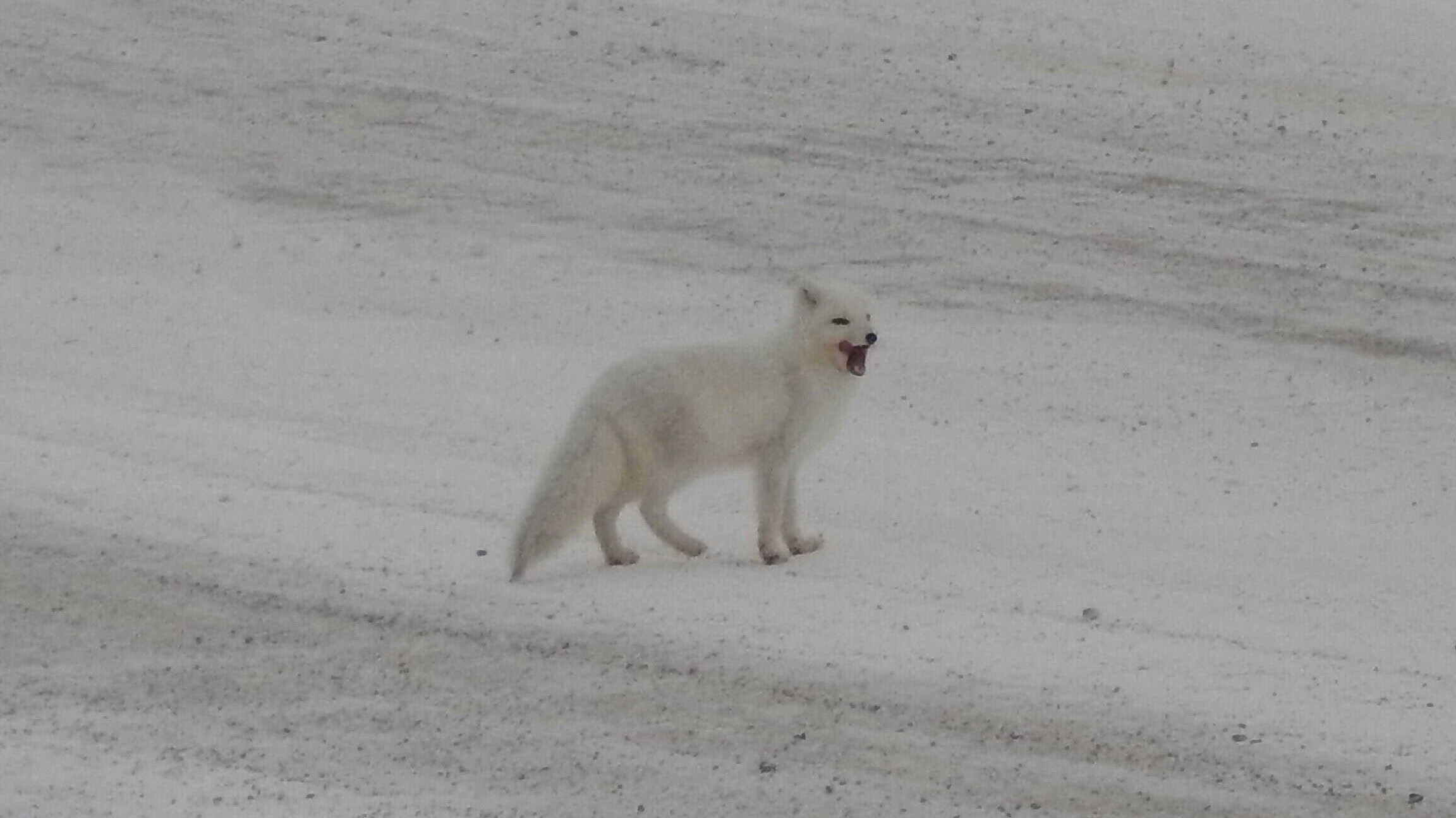
While the red fox is most famous for its screaming vocalizations, other fox species also have distinctive calls. The gray fox (Urocyon cinereoargenteus), common in North America, tends to have a less piercing call compared to the red fox, often producing a series of sharp barks rather than prolonged screams. The Arctic fox (Vulpes lagopus) is known for its yapping calls similar to small dogs, which serve important functions in the sparse Arctic landscape where visual signals may be limited by weather conditions or terrain.
The fennec fox (Vulpes zerda), native to North Africa, communicates with high-pitched yips and a purring sound rarely heard in other fox species. This diversity in vocalization across fox species reflects their adaptation to different environments, social structures, and evolutionary pressures. Despite these differences, most fox species share the common trait of being more vocal during their respective breeding seasons, highlighting the fundamental importance of acoustic communication in fox reproduction regardless of species or habitat.
The Science Behind Fox Vocalizations

The acoustics of fox screams have been studied by biologists to understand their function and evolution. Fox vocalizations typically fall within frequency ranges that travel efficiently through their natural habitats. The high-pitched quality of fox screams is particularly effective for long-distance communication in wooded areas where lower frequencies might be absorbed by vegetation. Additionally, the abrupt onset and complex harmonic structure of fox screams make them highly detectable against background noise and help other foxes pinpoint the caller’s location with greater accuracy.
From a physiological perspective, foxes produce these sounds using their larynx in ways similar to other canids, but with adaptations that allow for their distinctive timbre and pitch range. The control foxes exert over their vocalizations is impressive, with individuals able to modify calls based on context and need. Research has also shown that foxes can recognize the voices of specific individuals, particularly family members and neighboring foxes, allowing them to respond differently based on who is calling. This vocal recognition ability plays a crucial role in maintaining complex social relationships among fox populations.
Cultural Perspectives on Fox Screams

Throughout history, fox screams have figured prominently in folklore and cultural narratives worldwide. In many European traditions, fox screams were interpreted as omens or associated with supernatural beings. The banshee legends of Celtic folklore, describing a female spirit whose wailing foretold death, may have been influenced by the eerie similarity between fox screams and human cries. In Japanese folklore, foxes (kitsune) are depicted as intelligent beings with magical abilities, including the power to mimic human voices—a belief possibly stemming from their varied and sometimes human-like vocalizations.
Native American traditions often featured foxes as clever tricksters, with their calls representing both wisdom and deception. In some hunting cultures, understanding fox vocalizations was considered an important skill, both for tracking foxes and for interpreting their calls as indicators of other wildlife activity or weather changes. These cultural interpretations highlight humanity’s long-standing fascination with fox vocalizations and our tendency to assign meaning to animal sounds that startle or intrigue us.
How to Respond to Fox Screams in Your Area

For those living in areas where fox screams are common, understanding appropriate responses can help foster peaceful coexistence. First and foremost, it’s important to recognize that fox screaming is natural behavior and not cause for concern in most circumstances. Foxes pose very little threat to humans and will typically avoid close contact. If fox screaming is disturbing your sleep or causing concern, simple measures like using white noise machines or closing windows during peak vocalization seasons can help mitigate the disturbance without harming the animals.
It’s generally inadvisable to attempt to discourage foxes from vocalizing, as these are essential communications for their survival and well-being. However, if fox populations seem unusually dense in residential areas, reducing potential food sources like unsecured garbage or pet food left outdoors can help manage population sizes naturally. In rare cases where fox behavior seems unusual or concerning, contacting local wildlife authorities for advice is the best approach rather than taking matters into your own hands. Remember that foxes are beneficial predators that help control rodent populations and contribute to healthy ecosystems.
Distinguishing Fox Screams from Other Wildlife Sounds

One common source of confusion for people hearing nighttime wildlife sounds is distinguishing fox vocalizations from those of other animals. Bobcats, mountain lions, and certain owl species can all produce calls that might be mistaken for fox screams by untrained ears. Bobcat screams during mating season are particularly similar to fox vocalizations but tend to be slightly deeper in tone. Barn owls emit a harsh, raspy screech that can be mistaken for a fox, especially when heard from a distance or in poor acoustic conditions.
Raccoons fighting or in distress can also produce screams reminiscent of foxes, though usually with a more guttural quality. In urban areas, even domestic cats engaged in territorial disputes can create vocalizations that newcomers might attribute to foxes. Developing an ear for these distinctions takes time but can be assisted by listening to recorded examples of different animal calls available through wildlife organizations and nature apps. The context of the sound—including time of year, habitat type, and accompanying behaviors—can also provide important clues to correctly identify the source of nighttime wildlife calls.
Understanding Fox Communication: Beyond the Scream
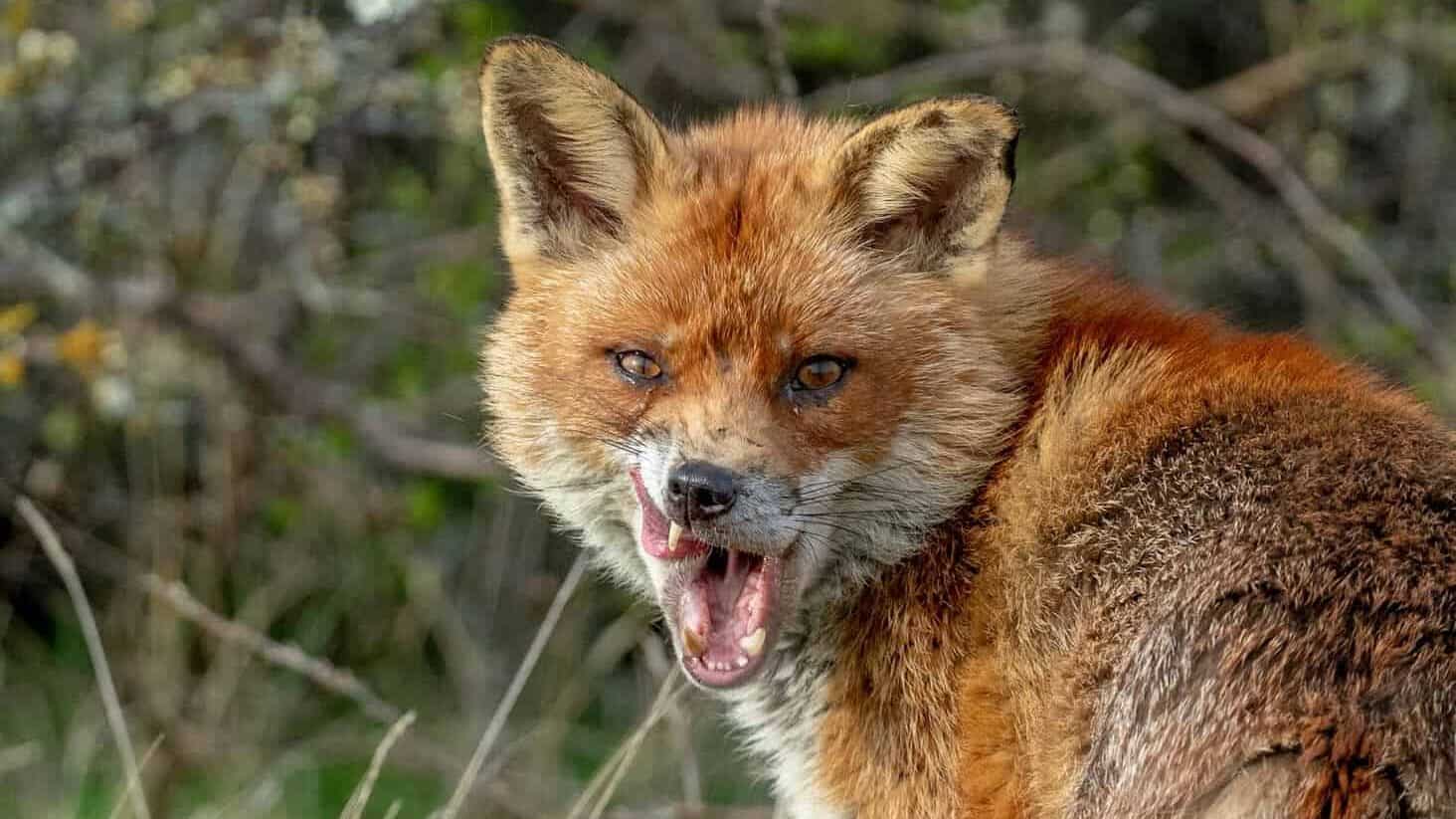
While vocal communication is a prominent aspect of fox behavior, it represents just one component of their comprehensive communication system. Foxes rely heavily on scent marking to define territories and communicate their reproductive status. They possess specialized scent glands and use their urine and feces strategically placed at territory boundaries and prominent landmarks to leave long-lasting olfactory messages for other foxes. These chemical signals can convey information about an individual’s identity, health, reproductive status, and when they last passed through an area.
Visual communication through body posture, facial expressions, and tail position also plays a vital role in fox interactions, particularly during close-range encounters. For example, a fox with ears flattened back, tail tucked, and crouched posture is displaying submission, while an upright stance with raised tail and forward-facing ears signals confidence or aggression. Understanding this multifaceted communication system helps contextualize fox screams as just one—albeit dramatic—aspect of their rich social language. For foxes, effective communication across multiple sensory channels is essential for navigating the complex social dynamics of family groups and maintaining peaceful coexistence with neighboring foxes.
Fox screams, while startling to human ears, represent a sophisticated communication system that has evolved over millennia to serve crucial functions in fox society. From advertising reproductive availability and defending territory to warning family members of danger, these vocalizations play essential roles in fox survival and social cohesion. By understanding the context and meaning of these calls, we can appreciate them as fascinating windows into the complex lives of these adaptable wild canids rather than merely unsettling nighttime disturbances.
As humans and foxes increasingly share landscapes around the world, developing a better understanding of fox behavior and communication helps foster coexistence based on knowledge rather than misconception. The next time you hear that distinctive scream pierce the night, you can appreciate it as part of the rich tapestry of natural sounds that remind us we share our world with remarkable wildlife, each with their own languages and societies. Far from being random noise, fox vocalizations tell stories of courtship, family bonds, territorial pride, and the enduring adaptability of these intelligent and resilient animals.

- Why Foxes Scream at Night—and What It Means - July 15, 2026
- Why Salmon Swim Upstream—and How They Do It - July 15, 2026
- The Spider That Uses a Slingshot Web - July 15, 2026
Leave a comment
You must be logged in to post a comment.