


For the adventure seeker, there’s an undeniable allure to the rugged terrains of volcanoes. These geological wonders, known for their explosive pasts, offer hiking enthusiasts a unique opportunity to experience breathtaking landscapes and witness Earth’s might and beauty firsthand. But with this thrilling experience comes the necessity for caution. Volcano hikes naturally involve risks that require careful preparation and respect. In this article, we’ll explore 13 hikeable volcanoes around the world, known not only for their grandeur but also the care needed to tread their paths safely.
Mount Fuji, Japan

Mount Fuji, Japan’s highest and most iconic peak, offers a hiking experience like no other. The trek starts typically from the base stations such as the Fuji Subaru Line 5th Station. Climbing season runs from early July to early September, when the weather conditions are most favorable. Despite being a non-technical climb, hikers must be prepared for rapidly changing weather and a significant elevation gain of about 3,776 meters. Known for its stunning sunrise views, conquering Mount Fuji is far more than a physical accomplishment—it’s a spiritual journey for many.
Mount Kilimanjaro, Tanzania

As Africa’s highest peak, Mount Kilimanjaro offers a challenge to hikers via its various routes, such as the popular Marangu and Machame routes. Rising 5,895 meters, this dormant volcano attracts thousands each year aiming to summit Uhuru Peak. The hike doesn’t require technical climbing skills, but acclimatization is key to prevent altitude sickness. The diversity of Kilimanjaro’s ecosystems—from rainforest to alpine desert—presents a mesmerizing landscape that transforms with altitude.
Mount St. Helens, USA
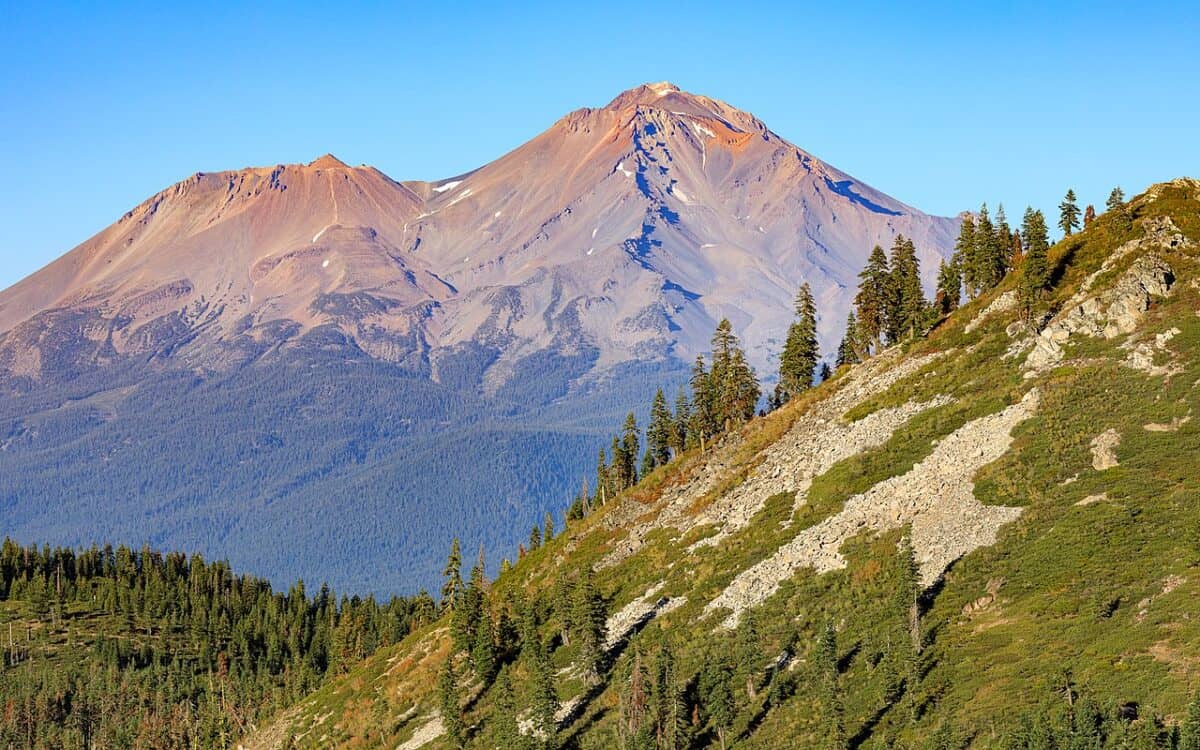
Known for its catastrophic eruption in 1980, Mount St. Helens offers a dramatic landscape that tells tales of nature’s fury. The Monitor Ridge Route, open for summiting from late spring to fall, challenges climbers with steep ascents and rugged terrain. At 2,550 meters, the summit presents unparalleled panoramic views of the blast zone and surrounding mountain ranges. Permits are required to hike, ensuring the conservation of this historically significant volcano.
Mount Etna, Italy
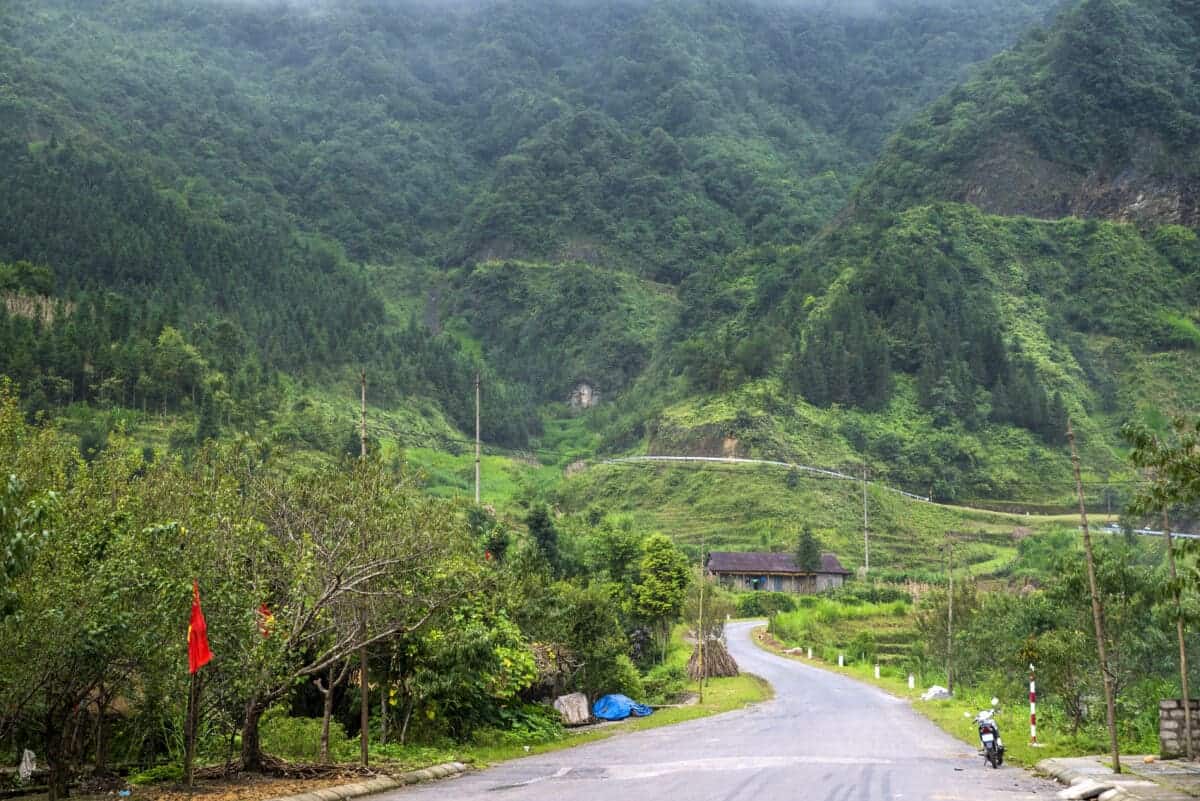
Mount Etna, Europe’s most active volcano, invites adventurous hikers to explore its fiery landscape. Rising approximately 3,329 meters, it dominates the Sicilian skyline. Guided tours provide safe paths to approach the summit craters, while lava flows and ash fields narrate the volcanic activity. Encouraging caution, trekkers are advised to respect closures due to eruptions. The surreal lunar environment is a testament to Mount Etna’s powerful geological activity.
Mount Batur, Indonesia
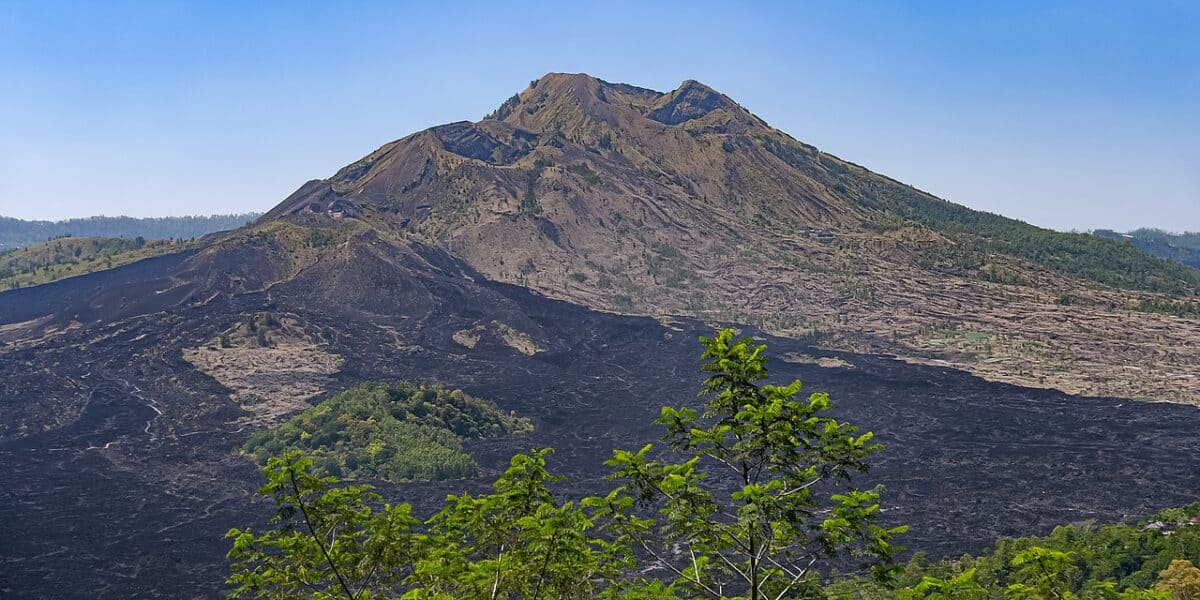
Mount Batur in Bali offers a relatively moderate hike that is perfect for sunrise seekers. Hikers typically start in the pre-dawn hours to reach the summit by sunrise, revealing stunning views over the caldera lake and surrounding mountains. Standing at 1,717 meters, it’s one of the less challenging hikes in Indonesia, making it accessible to most fitness levels. The active nature of Mount Batur requires hikers to stay informed about potential volcanic activity.
Pico do Fogo, Cape Verde
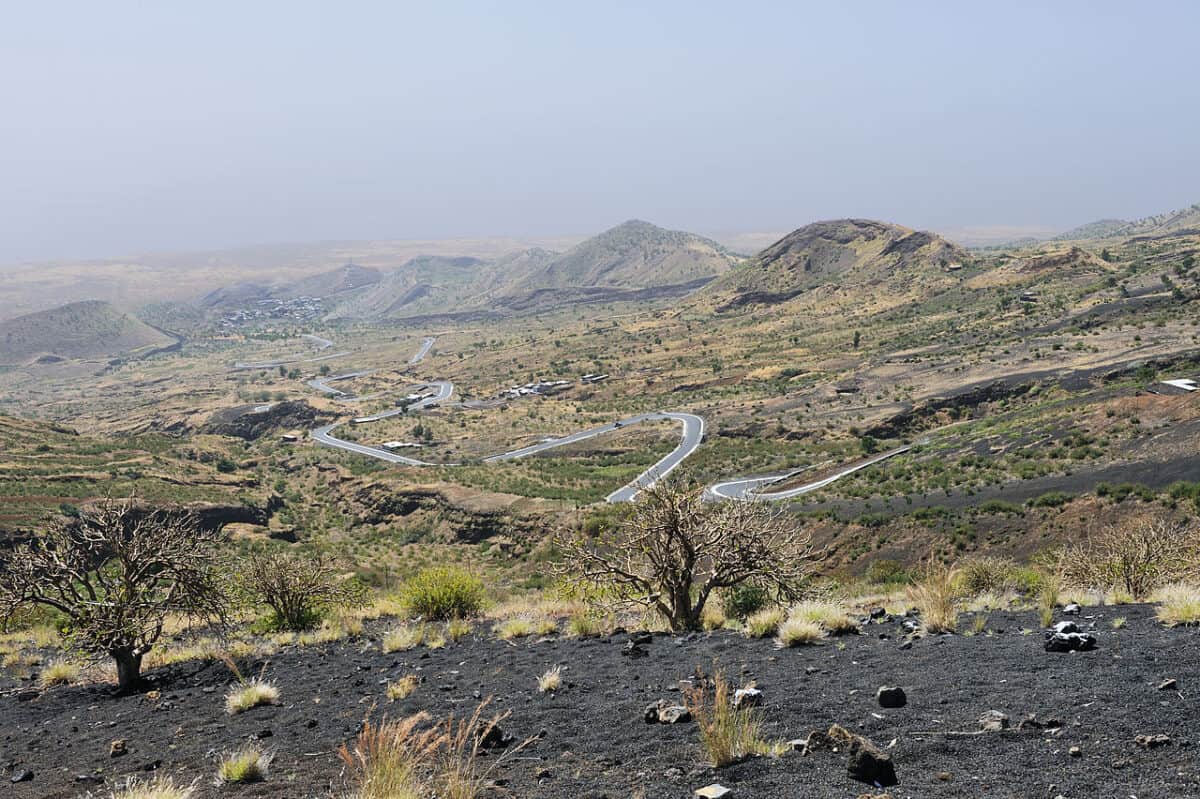
Pico do Fogo, Cape Verde’s highest peak and an active volcano, stands as a prominent attraction for those visiting the island of Fogo. The ascent involves traversing varied terrains, from lava fields to steep gravel paths. The 2,829-meter climb rewards hikers with dramatic views of the island and caldera. Given the volcanic nature of Pico do Fogo, monitoring local advisories is important for safety.
Mount Vesuvius, Italy
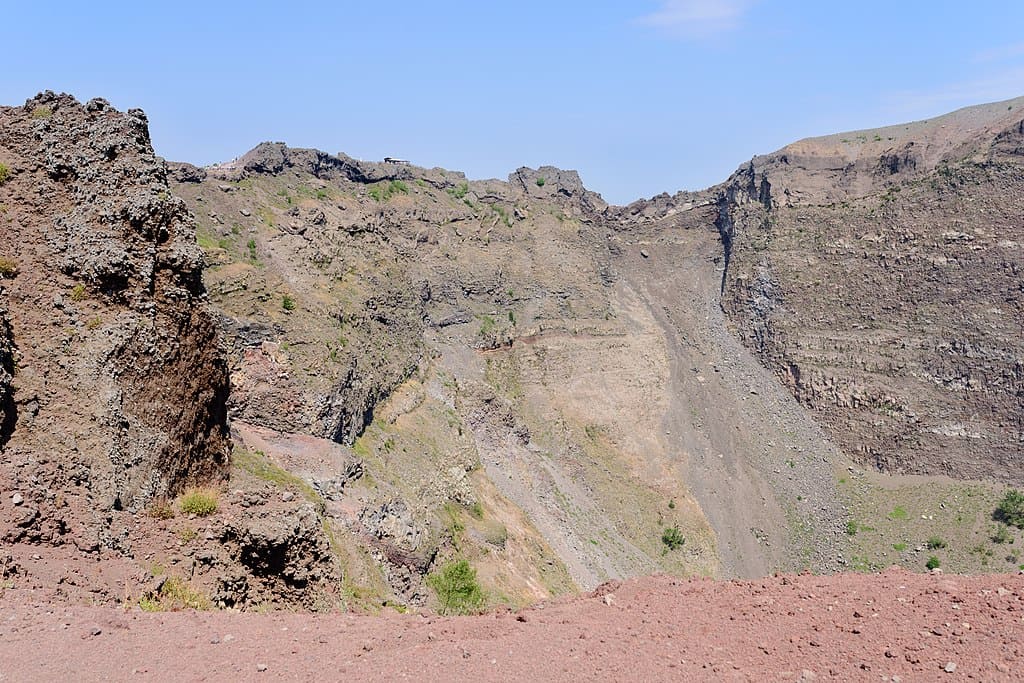
Mere mention of Mount Vesuvius conjures images of its infamous eruption in 79 A.D. that buried Pompeii. Today, hikers can explore this historic volcano by following paths leading to the crater rim at 1,281 meters. With relatively easy access, the walk offers dramatic views of the caldera and the Bay of Naples. Although dormant, monitoring activity remains crucial due to its potential threat to nearby populated areas.
Cotopaxi, Ecuador
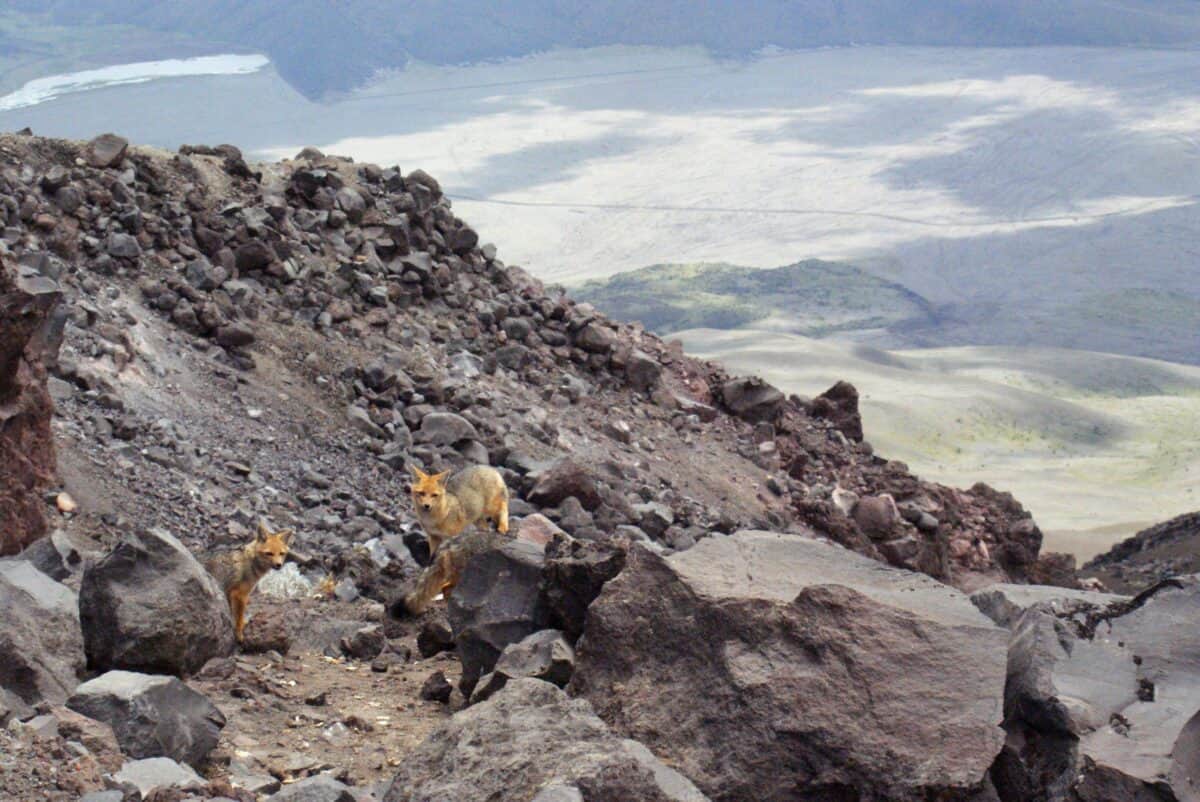
Situated in the Andes, Cotopaxi is one of the world’s highest active volcanoes, standing at 5,897 meters. The snow-capped peak offers challenging climbs ideal for experienced mountaineers. Guides and gear are recommended due to the glacial landscape and technical nature of the ascent. The volcano is part of a national park, providing diverse wildlife and rich ecosystems en route.
Mount Rinjani, Indonesia
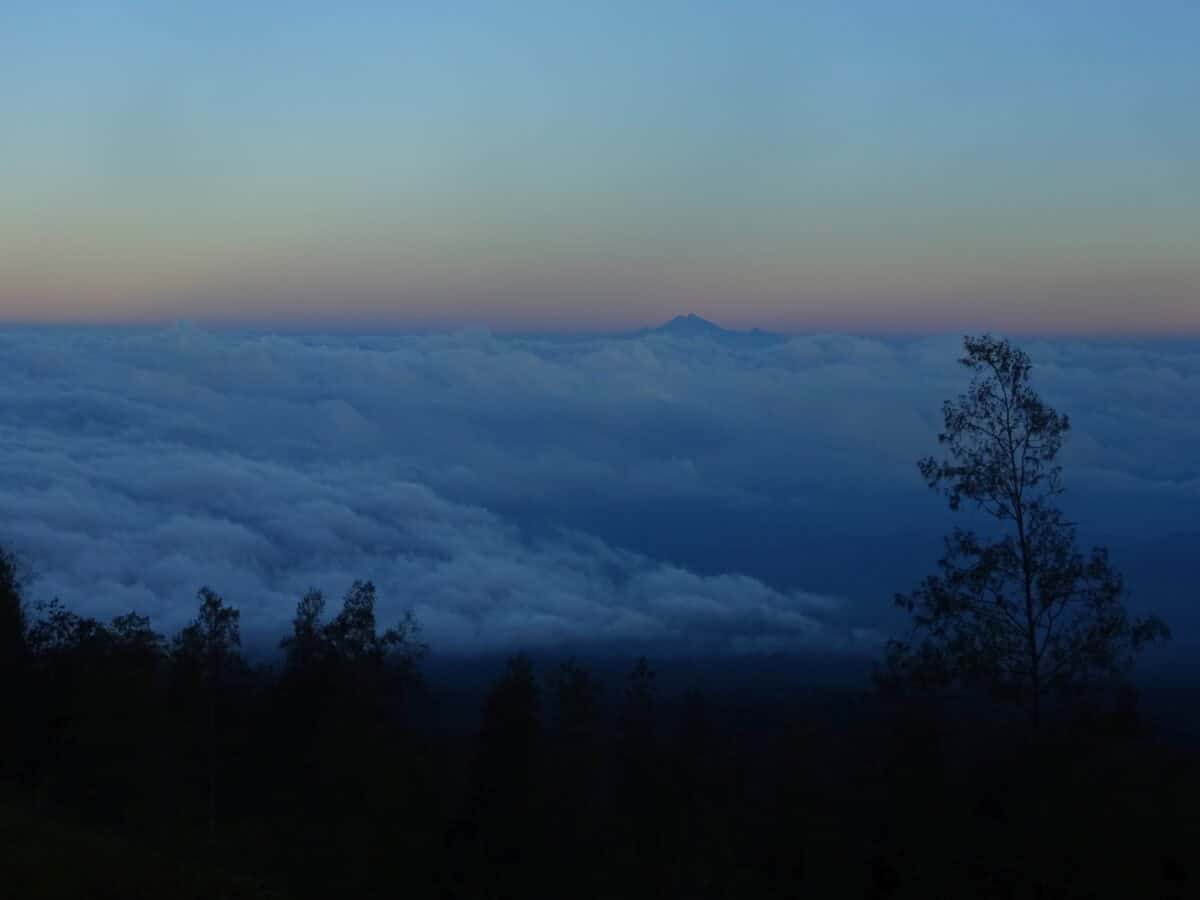
On the island of Lombok, Mount Rinjani poses a challenging trek that attracts avid hikers. With its crater lake and hot springs, the 3,726-meter summit provides awe-inspiring vistas and unique natural formations. The hike typically spans multiple days, requiring guides and proper gear. As an active volcano, staying informed about volcanic activity and weather conditions is crucial before embarking on the expedition.
Mauna Kea, Hawaii
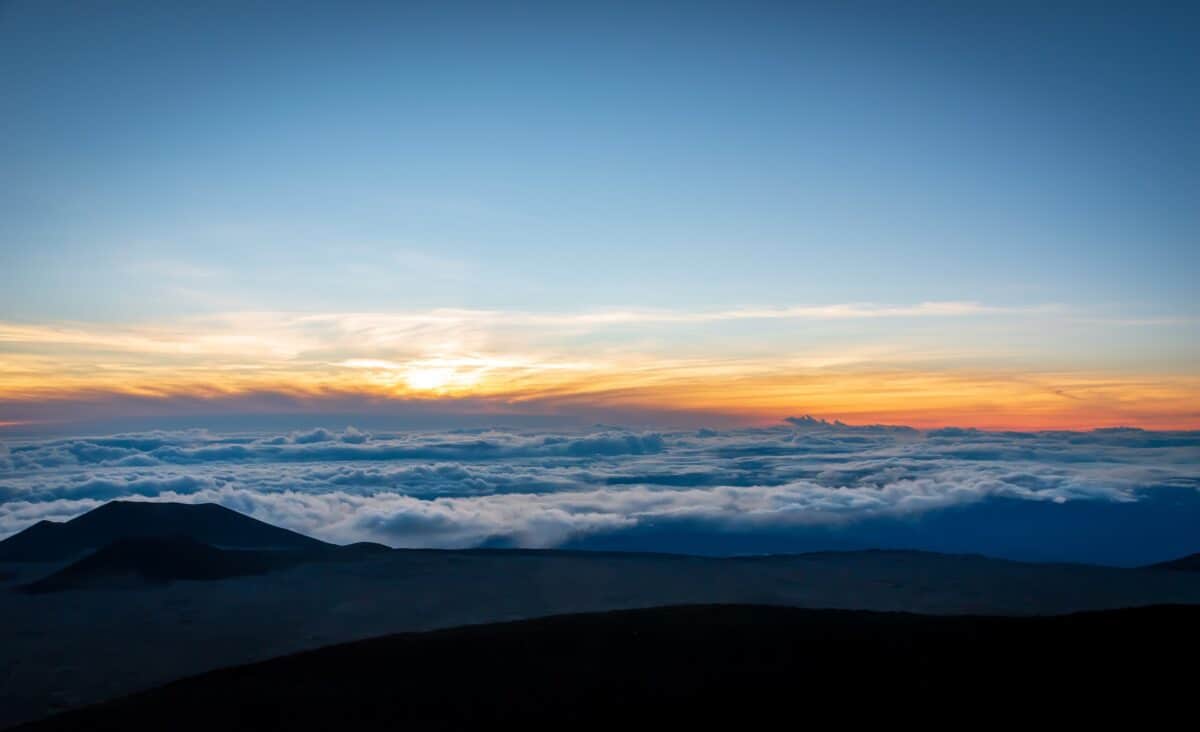
Though technically dormant, Mauna Kea remains a captivating destination thanks to its status as the world’s tallest mountain when measured from its base on the ocean floor. Rising 4,207 meters above sea level, visitors generally drive to the summit area, which is also famed for its astronomical observatories. Those attempting to hike should be prepared for high-altitude conditions and chilly temperatures in contrast to typical Hawaiian climes.
Mount Merapi, Indonesia
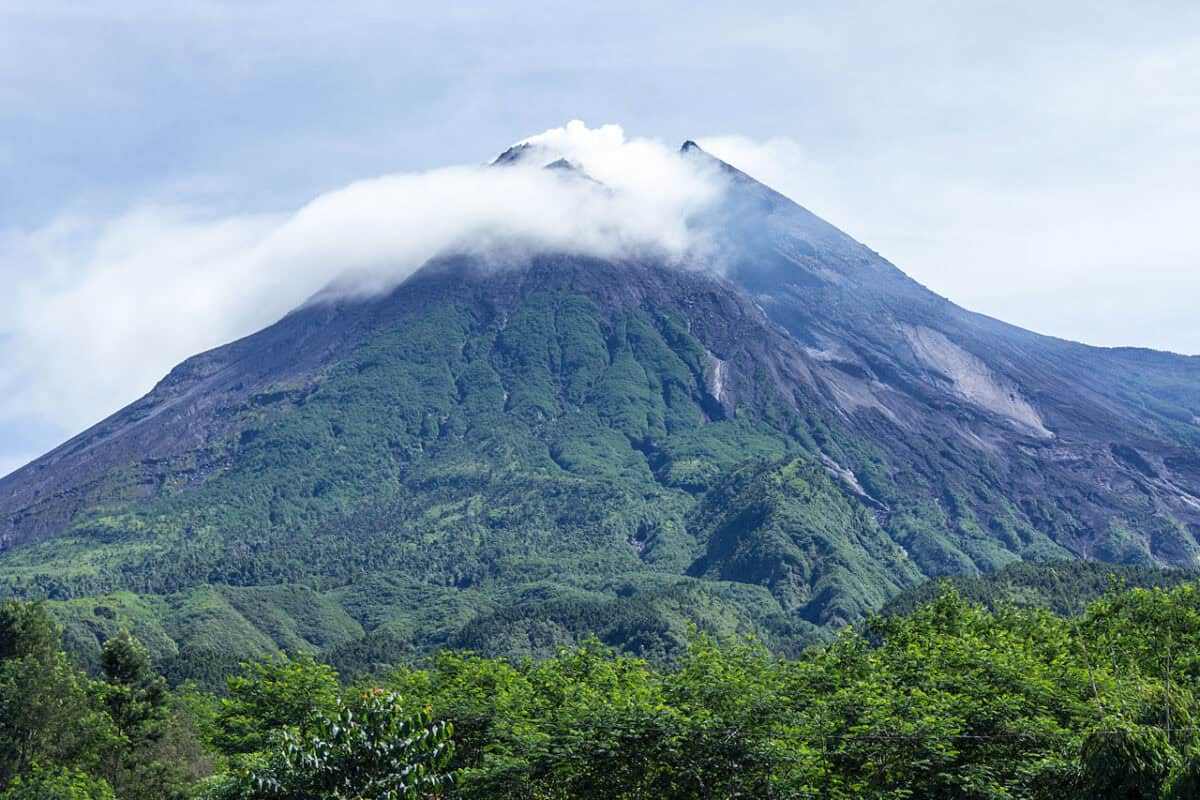
As Indonesia’s most active volcano, Mount Merapi demands respect and preparation. Guided hikes to the summit at 2,930 meters often begin in the early morning to witness sunrise. Because of frequent eruptions, informed guides are essential, ensuring safety with real-time knowledge of volcanic activity. The trek offers fascinating views and insight into the region’s dynamic geology.
Mount Taranaki, New Zealand
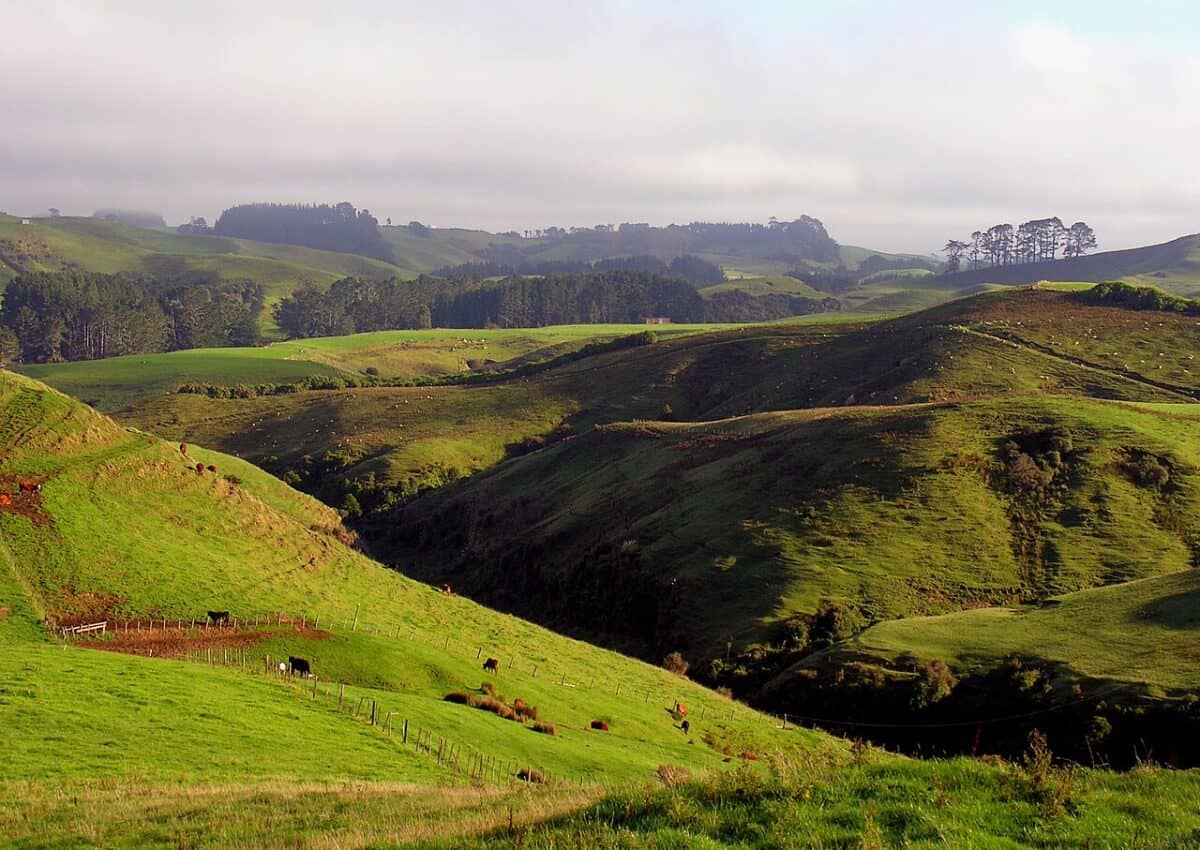
Mount Taranaki, remarkably symmetrical, sits on New Zealand’s North Island, offering climbers both beauty and challenge. The ascent up the 2,518-meter stratovolcano is strenuous and typically attempted in favorable weather conditions during the summer months. The landscape varies from lush forest to alpine terrain, accompanied by sweeping views. Climbers must be well-prepared for potentially rapid weather shifts.
Mount Teide, Spain
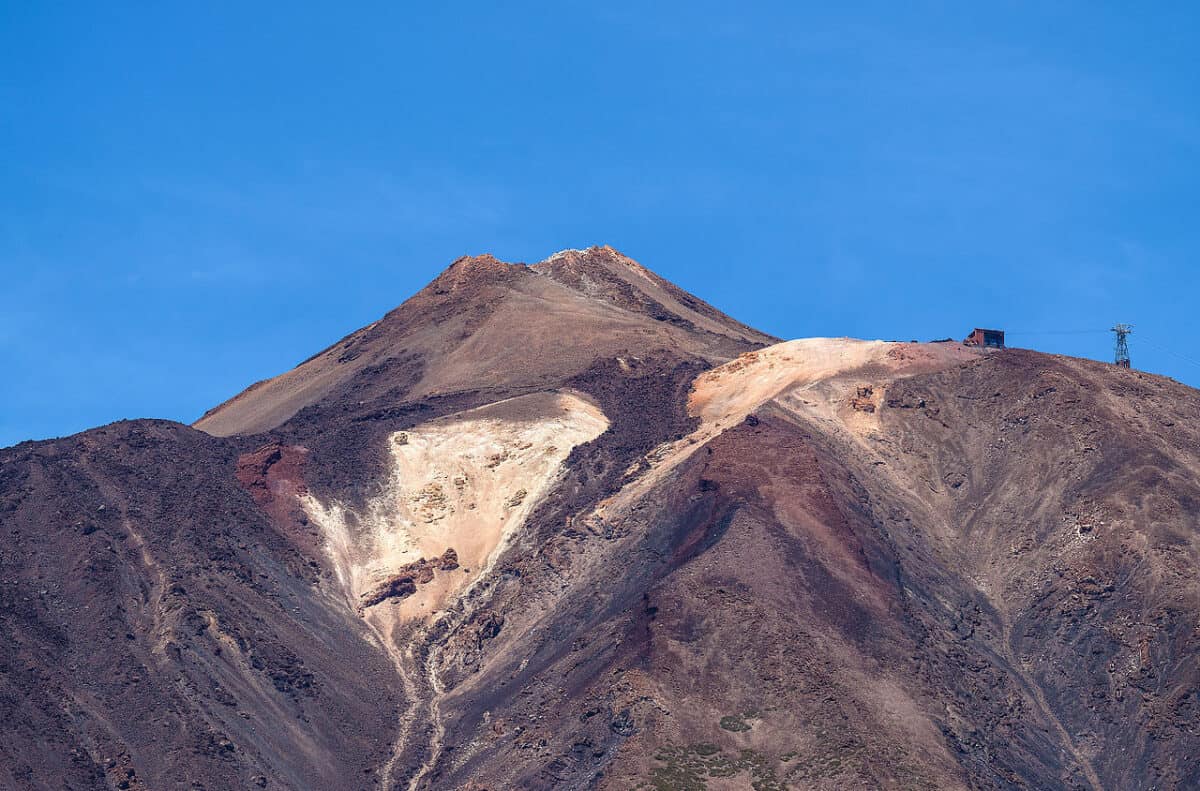
Dominating the Canary Islands, Mount Teide is Spain’s highest peak and a fascinating volcanic site to explore. With an altitude of 3,718 meters, the summit is accessible via cable car or a challenging hike for the truly adventurous. The landscape, resembling a scene from Mars, provides an exceptional opportunity for both day and night hikes, with minimal light pollution offering pristine stargazing opportunities.
Conclusion: The Enchantment and Responsibility
Hiking volcanoes presents a rare opportunity to engage with the Earth’s powerful forces and witness stunning natural beauty. Each of these volcanic hikes offers unique landscapes and challenges that demand preparation, respect for nature, and an understanding of the inherent risks involved. For those willing to embark on these adventures, the rewards are unforgettable: sweeping vistas, personal triumphs, and an intimate encounter with some of our planet’s most dramatic natural features.

As a little kid, I fell in love with nature, wildlife, and animals. Living in the USA, South Africa, Italy, China and Germany gave me the opportunity to discover the world's Wildlife. My favorite animals are Mountain Gorillas, Siberian Tigers, and Great White Sharks.
I'm a certified PADI Open Water Diver, went to Everest Base Camp and Trekked Gorillas in Uganda. I hold a Master of Science in Economics and Finance.
Please send any feedback to feedback@animalsaroundtheglobe.com
- 14 Most Beautiful Bird Songs You Can Hear in America - July 15, 2026
- The Longest Snake Ever Found Slithering in the U.S. - July 15, 2026
- Why Humpback Whales Are Singing Louder Off U.S. Shores - July 15, 2026