

The Earth teems with an incredible diversity of life, much of which resides in hidden corners untouched by human interference. One such discovery unfolded recently as scientists spotted dozens of new species dwelling in the mysterious depths of an underground cave in the United States. This exciting find not only enhances our understanding of biodiversity but also underscores the importance of conserving such unique ecosystems. Below, we explore various facets of these discoveries, the habitats in which they were found, and the implications for science and conservation.
Unveiling New Frontiers in Cave Biology

In a groundbreaking exploration, researchers have uncovered a treasure trove of new species within a secluded underground cave system in the U.S. These findings underscore the potential for unparalleled biodiversity hidden away in less-visited parts of the world, places where the ancient and unseen thrive undisturbed by human populations.
The Discovery: A Glimpse into Hidden Ecosystems

This incredible discovery comes from a limestone cave in an area known for its rich subterranean habitats. Researchers employed sophisticated methodologies, ranging from biodiversity surveys to molecular analysis, revealing a vast array of life-forms that have never been described before.
A Closer Look at the New Species

While many of these newly discovered organisms are tiny invertebrates, their unique adaptations to the underground environment make them of particular interest to scientists. Characterized by reduced pigmentation and eyesight, these creatures have evolved sensors and other mechanisms to navigate and survive in total darkness.
Microbats: Cave Habitat Occupants

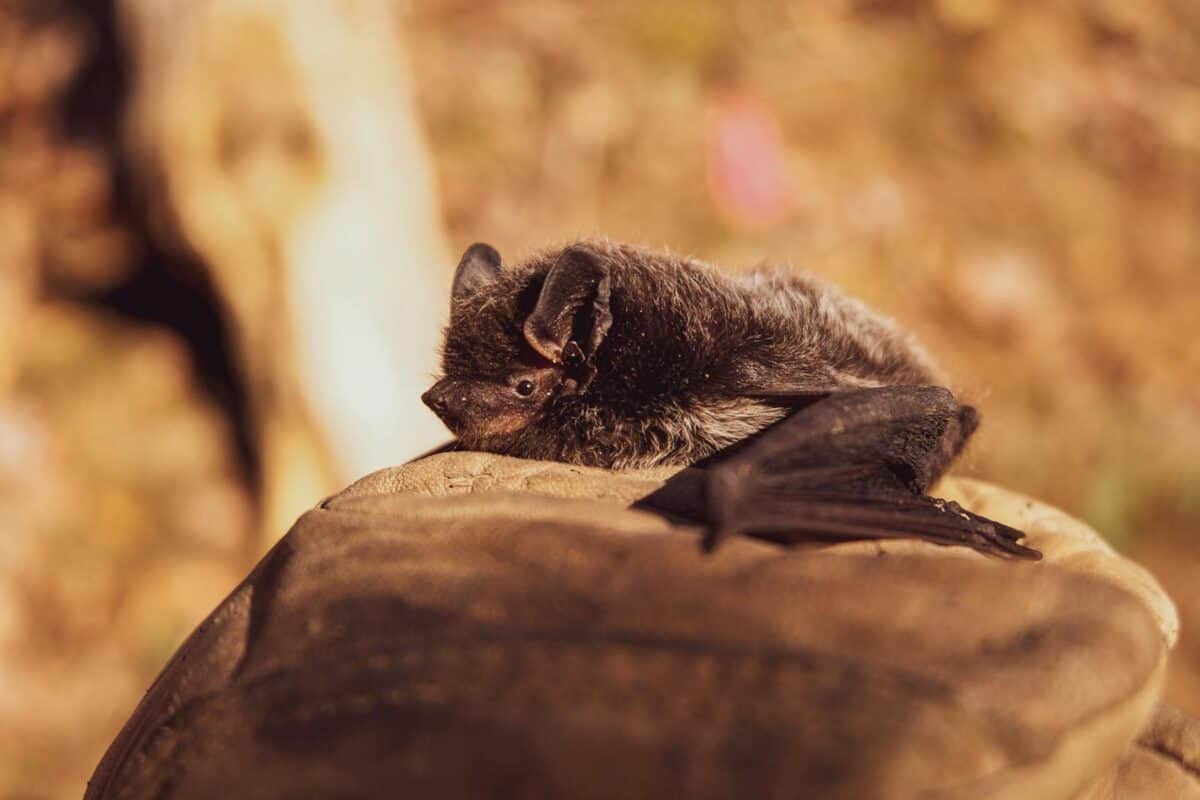
Researchers found that the caves were also home to several species of microbats, which play a crucial role in the ecosystem by assisting in insect population control. The warmth and protection offered by the cave create an ideal roosting habitat for these nocturnal mammals.
Troglobitic Species: Masters of Survival

The cave environment is harsh and demanding, with many species classified as troglobites, meaning they are specifically adapted to life in total darkness. These organisms often face the challenge of finding food in an ecosystem that supports limited resources.
Symbiotic Relationships in Cave Ecosystems

Within this deep ecosystem, symbiotic relationships abound. For example, bacteria and fungi play key roles in nutrient cycling, breaking down organic matter that becomes food for other cave inhabitants. This intricate web of life demonstrates the complexity and delicate balance of cave ecosystems.
Methodologies Utilized in Discovering New Species

Scientists employed advanced genetic analysis alongside traditional cave exploration techniques. DNA sequencing allowed researchers to establish phylogenetic relationships between newfound species and their relatives, offering insights into the evolutionary history of these unique organisms.
Conservation Concerns: The Impact of Human Activity
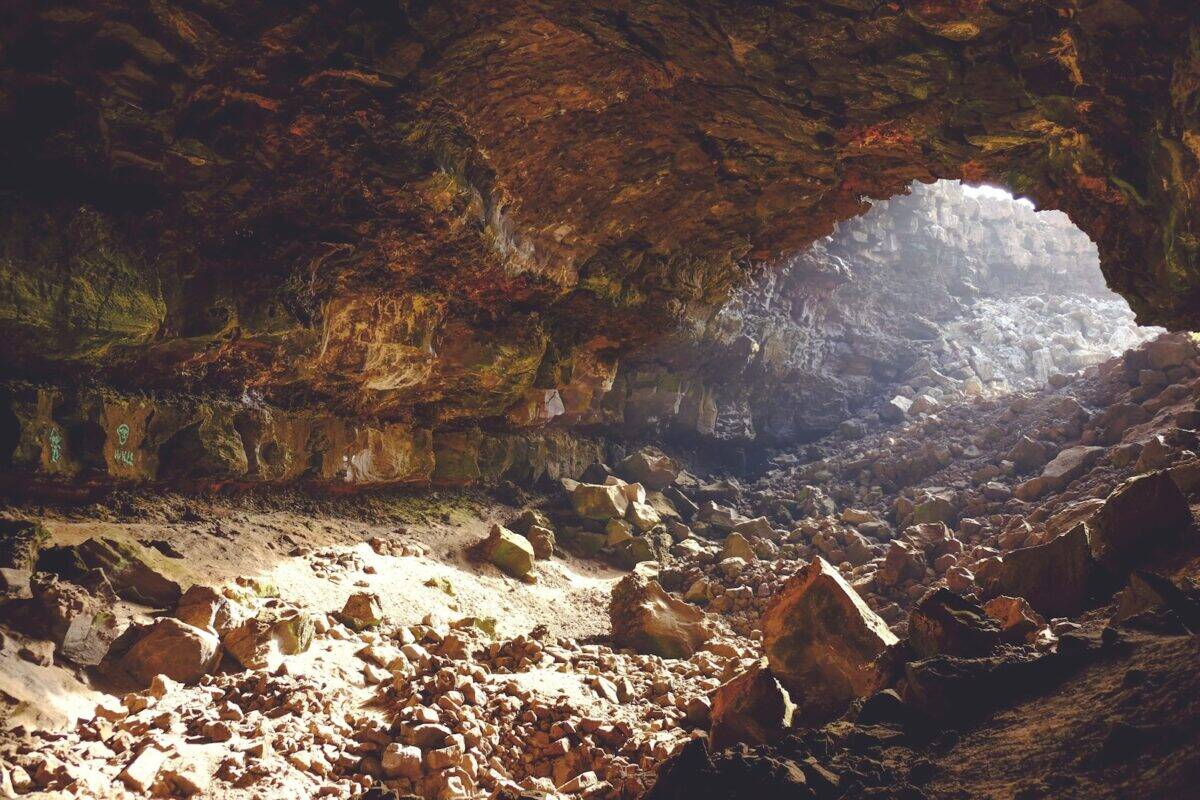
While the discovery is cause for celebration among biologists, it also raises concerns regarding the impact of human activities such as tourism, pollution, and development that threaten these fragile ecosystems. The new species serve as a stark reminder of the need for responsible conservation strategies.
The Role of Caves in Global Biodiversity
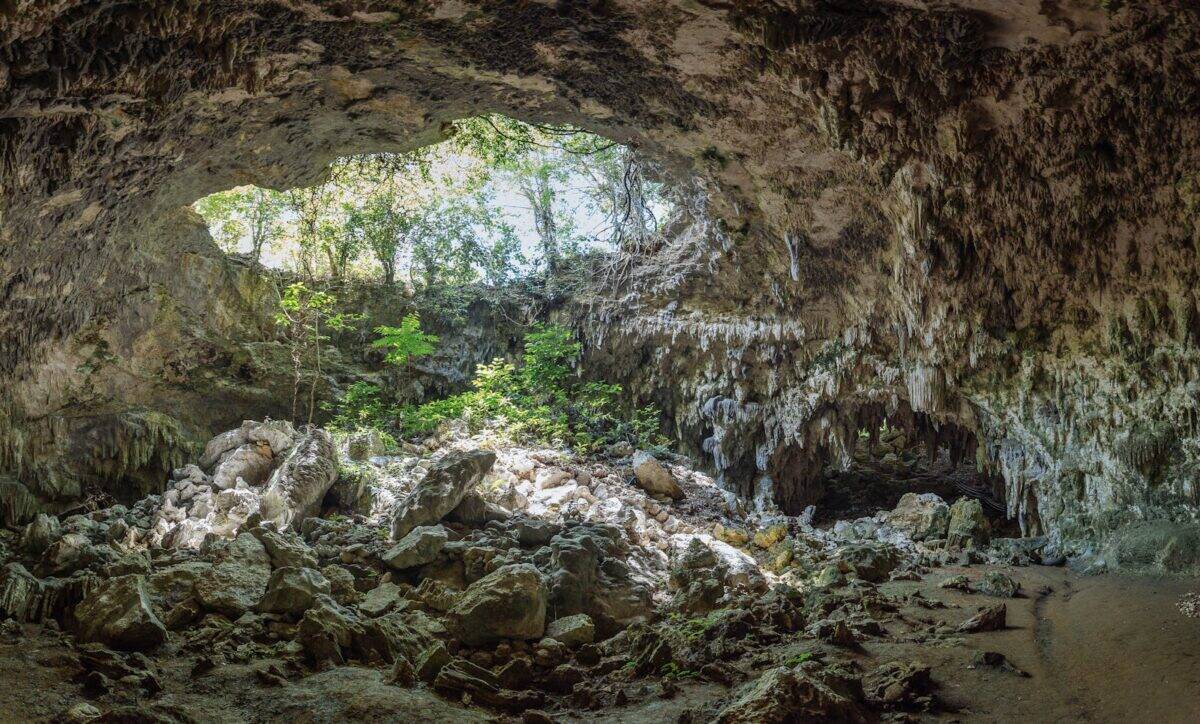
Caves, often underrepresented in biodiversity studies, host a vast array of organisms found nowhere else on Earth. This makes them crucial areas for conservation. Protecting these natural sanctuaries is vital to preserve the genetic diversity they contribute to the wider ecosystem.
Public Engagement in Conservation Efforts
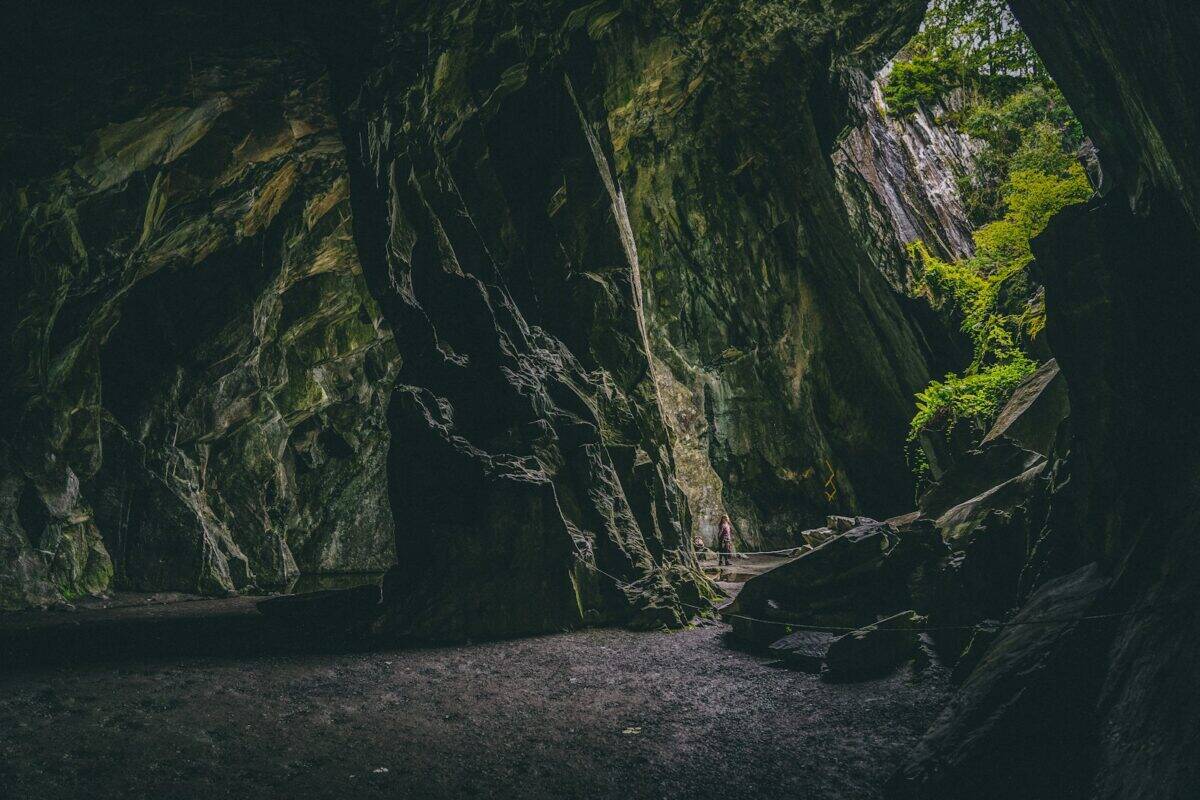
Concerted efforts are underway to involve the public in conservation the crucial role caves play in biodiversity. Educational programs, citizen science initiatives, and eco-tourism opportunities are avenues through which the general public can engage in maintaining the integrity of these natural habitats.
Implications for Future Biological Research
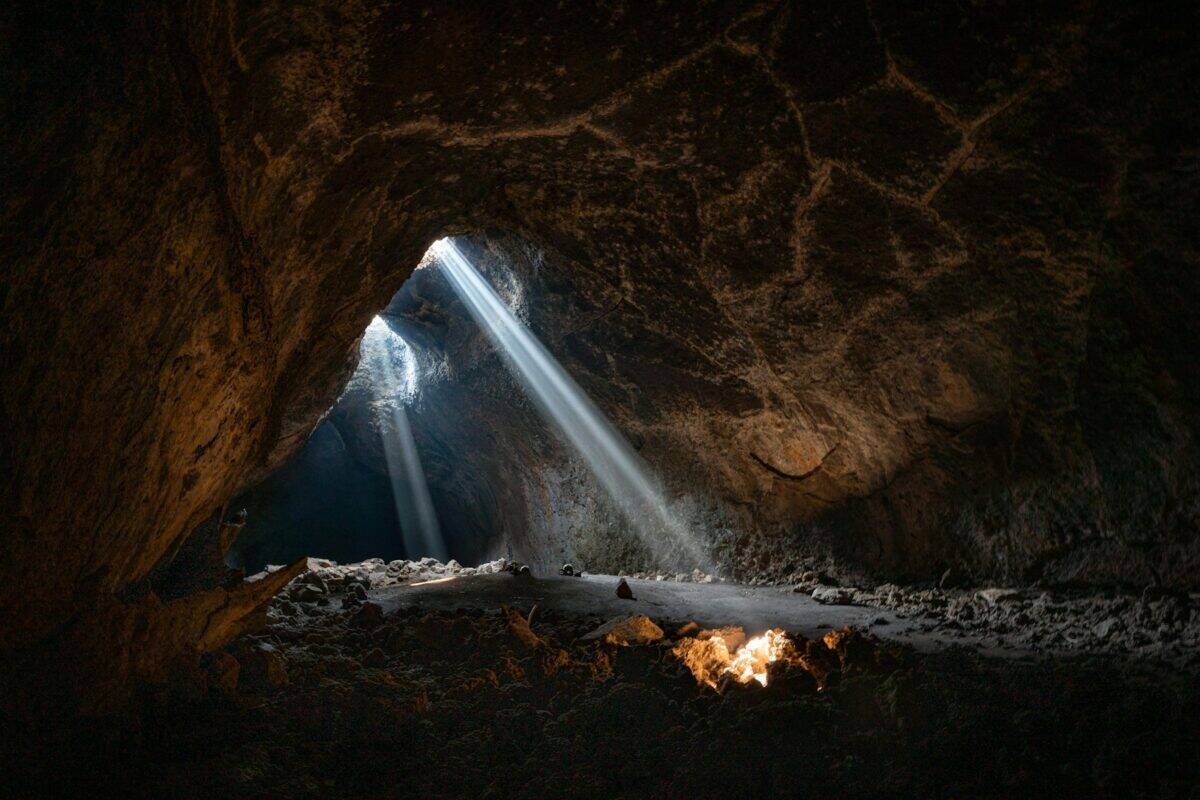
The discovery of these new species opens up myriad avenues for scientific research, especially concerning evolutionary biology and adaptation strategies. Understanding how these organisms survive in such extreme conditions could offer valuable insights into resilience mechanisms, which may be relevant in broader ecological and medical contexts.
Preserving the Legacy of Underground Biodiversity
As the scientific community delves deeper into these findings, it becomes apparent that preserving subterranean ecosystems is essential not only to maintain biodiversity but also to support ongoing biological research. Protection and respect for these delicate habitats ensure that their ancient secrets remain a part of our planet’s natural legacy.
In conclusion, the revelation of dozens of new species within a U.S. underground cave is a testament to nature’s enduring mysteries and adaptability. This discovery enriches our understanding of biodiversity and highlights the importance of conservation efforts to protect such unique and remote ecosystems. By shining a light on these hidden worlds, we foster a deeper appreciation for the beauty and complexity of life on our planet.

- The Secret Language of Dolphins Decoded by Researchers - July 20, 2026
- 7 Animals That Can Survive Extreme Environments You Couldn’t - July 20, 2026
- The Longest Snake Ever Found in the U.S. - July 20, 2026