

Birds are often viewed as the epitome of grace and freedom with their ability to soar high above, unbounded by the limitations that keep terrestrial creatures tethered to the earth. However, alarming instances have occasionally been reported where groups of birds plummet from the sky, leaving puzzled onlookers and wildlife experts searching for explanations. This article delves into the causes behind these mysterious events, exploring scientific perspectives and diving into ecological and environmental factors. Join us on this aerial journey to uncover the reasons behind such unusual avian behavior.
Understanding Avian Physiology

Before unraveling the mysteries of birds falling from the sky, it’s crucial to understand avian physiology. Birds have highly efficient respiratory systems and lightweight skeletal structures perfectly adapted for flight. Their keen sense of navigation and internal equilibrium plays a vital role in maintaining their aerial prowess. Any disruption to these functions can result in unexpected problems, contributing to phenomena like sudden falls.
Environmental Pollution: An Invisible Threat

Pollution, particularly air pollution, can have detrimental effects on bird populations. Toxins in the air may lead to respiratory distress or damage to their nervous systems, impairing their ability to fly. In areas with heavy industrial activity, birds may ingest toxic substances that lead to confusion, disorientation, and sudden loss of flight capabilities, causing them to fall from the sky.
Severe Weather Conditions: Nature’s Unpredictable Force

Birds are incredibly adept at weathering environmental changes, yet severe weather conditions like thunderstorms, hail, and high winds can pose significant threats. These extreme weather events can disorient birds or physically overtake them, leading to large numbers of birds being grounded or falling from the sky. Rapid changes in pressure and temperature can also impact their navigation systems and flight stability.
Collisions with Man-Made Structures
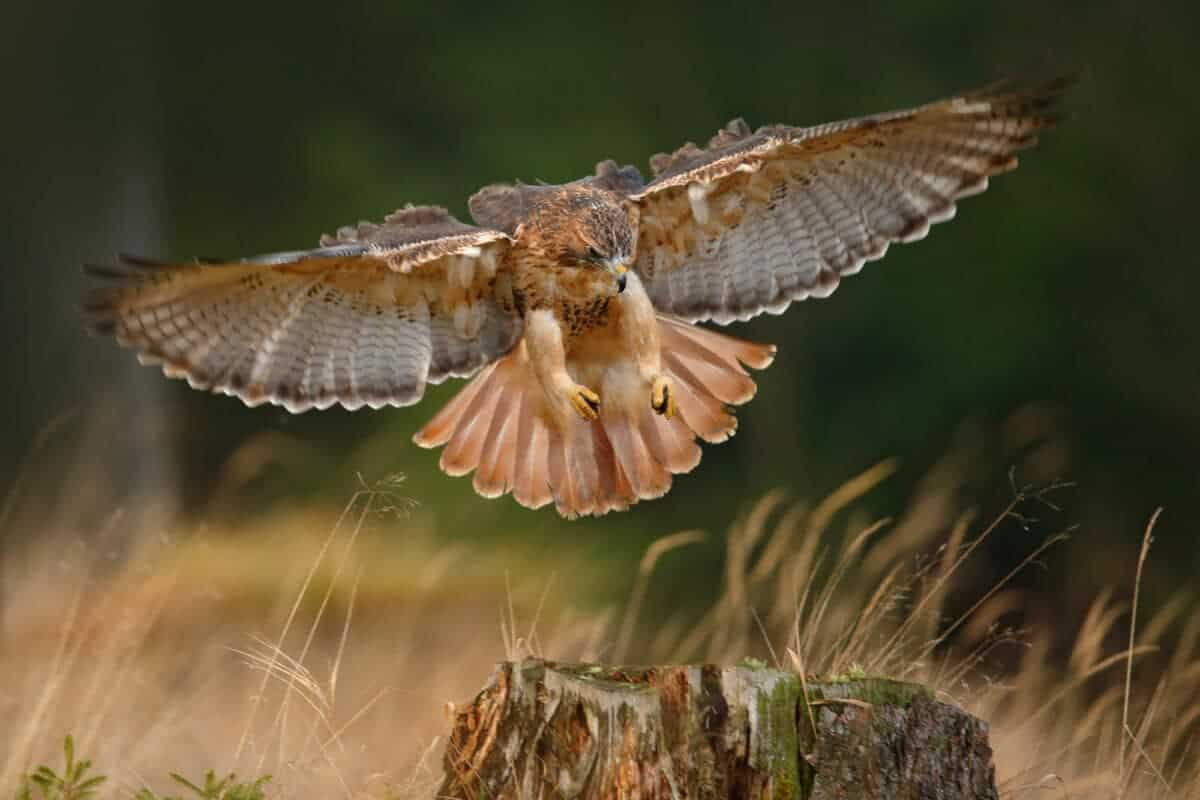
In increasingly urbanized environments, buildings and other structures pose significant hazards to birds. Glass windows and reflective surfaces can disorient birds, leading to collisions that may cause injuries or immediate death. At night, bright artificial lights can confuse their navigation systems, resulting in fatal impacts and mass grounding events.
Avian Influenza and Other Diseases
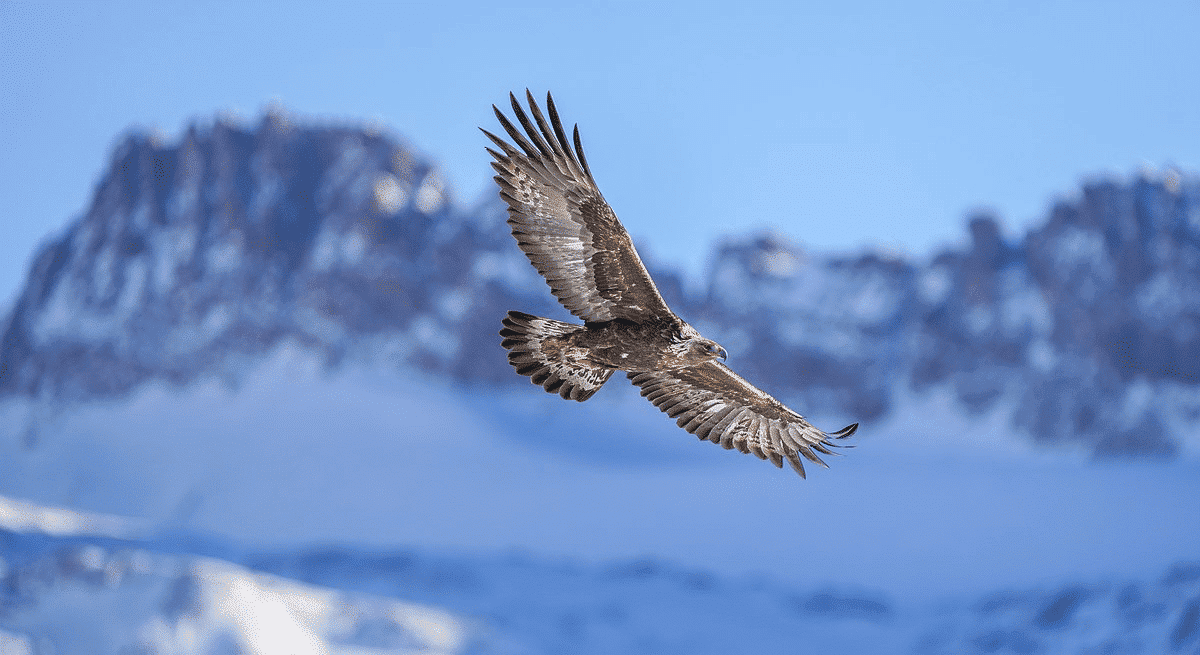
Infectious diseases such as avian influenza can spread rapidly among bird populations, leading to weakness and sudden death. Outbreaks can result in mass fatalities, with infected birds falling to the ground. Monitoring and addressing the spread of these diseases is crucial for conserving bird populations and preventing such events.
The Role of Human Activity in Avian Mortality
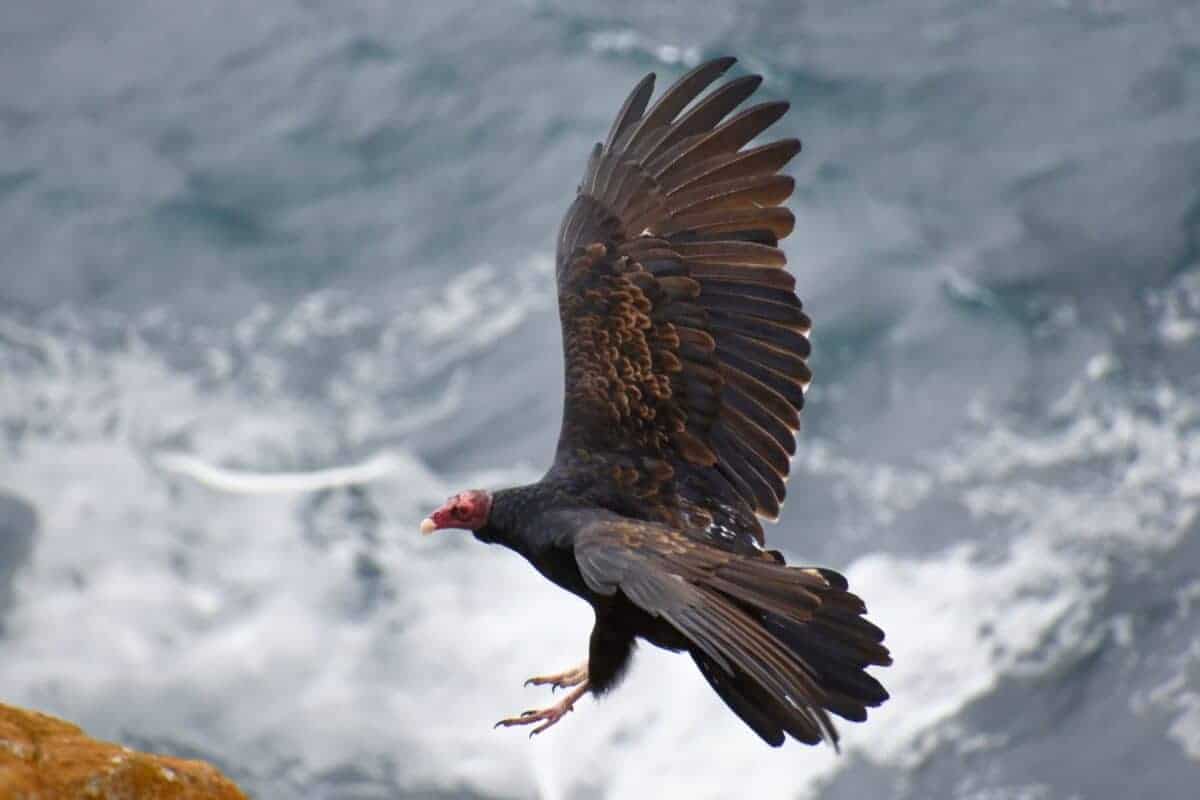
Humans significantly impact bird populations through activities like deforestation, agriculture, and pollution. These actions not only alter habitats but also introduce stresses that can overwhelm avian species. Intensive farming and pesticide use can leave birds exposed to harmful chemicals affecting their health and flight ability.
Mass Bird Flocks and Predation Confusion
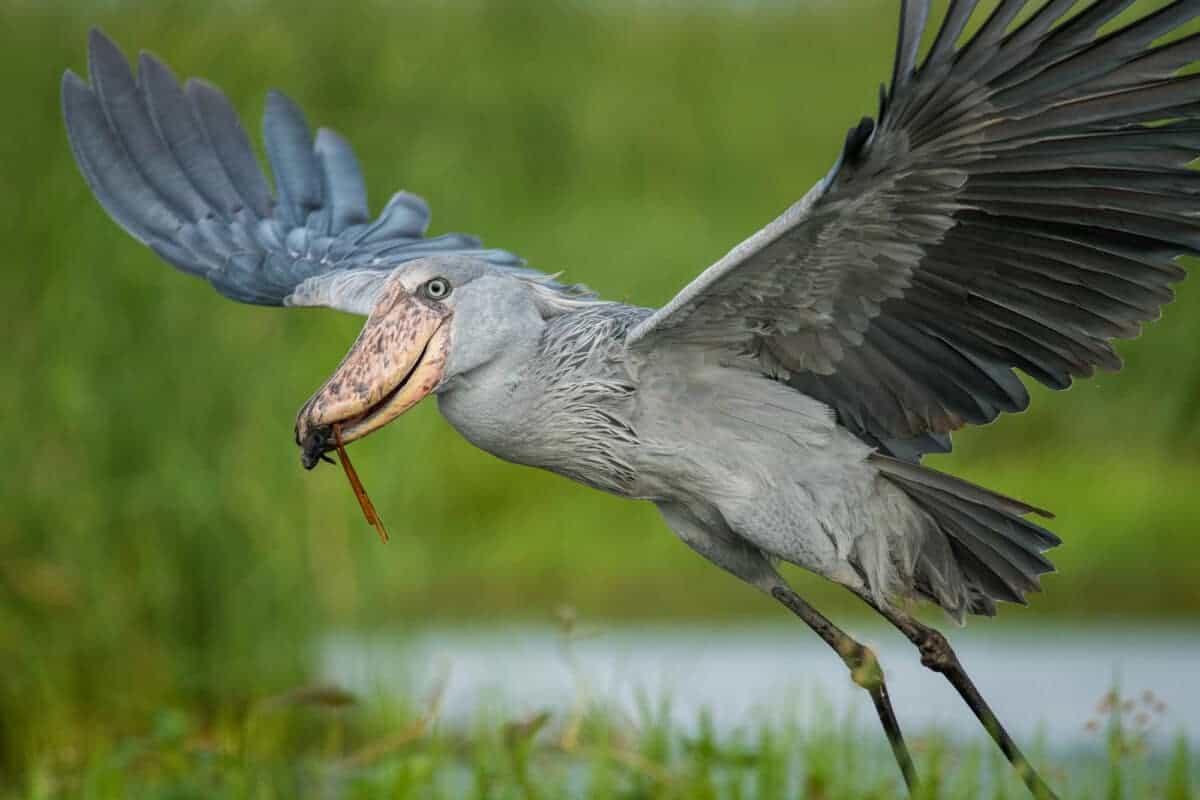
Birds often fly in large flocks for protection against predators. When a predator attacks, birds may fly erratically to evade capture, and confusion can set in, leading to collisions or disoriented birds crashing to the ground. In some cases, sudden mass falls may be attributable to this kind of predator-driven panic.
Fireworks and Explosive Noises
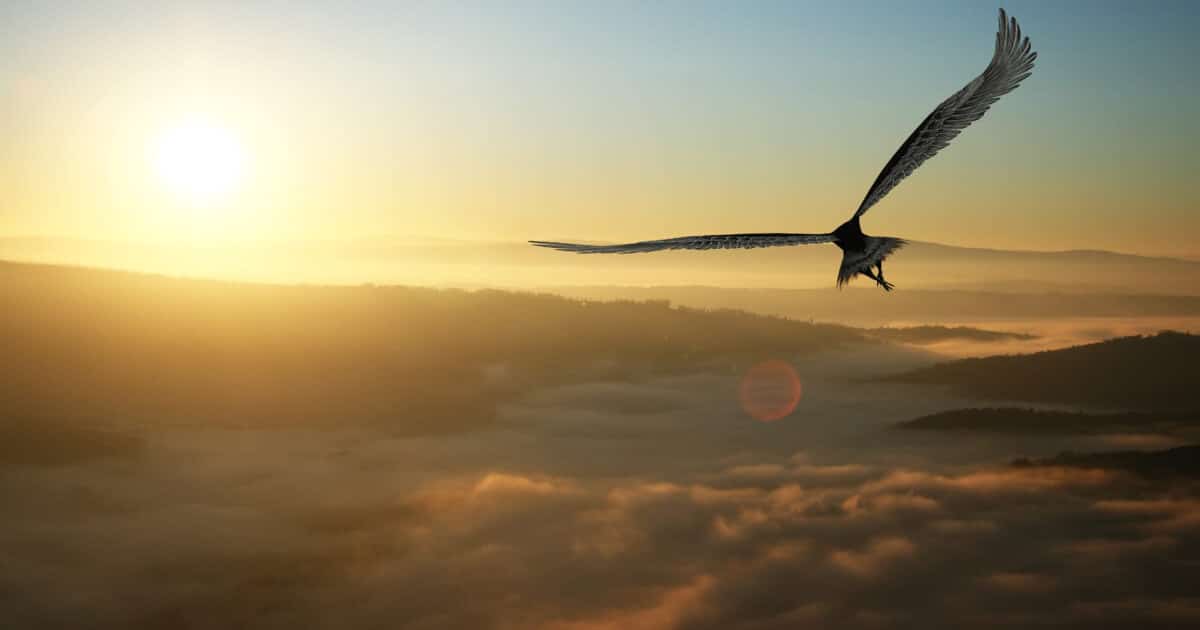
Sudden loud noises from fireworks or other explosions can startle birds, leading to disorientation and panic-induced crashes. These disturbances can severely affect their flight paths, sometimes causing them to drop from the sky en masse, particularly during nighttime when visibility is reduced.
Magnetic Field Disruptions

Birds rely on the Earth’s magnetic fields for navigation. Natural phenomena such as geomagnetic storms can disrupt these fields, causing birds to lose their sense of direction. Such disorientation can lead to fatigue or accidental groundings as birds struggle to recalibrate their internal navigation systems.
Pesticides and Chemical Exposure

Widespread use of certain chemicals and pesticides on agricultural lands can poison bird populations. Birds ingesting contaminated insects or plants may suffer fatal neurological damage or acute toxicity, leading to sudden falls from engines of flight.
Human Interference in Natural Habitats
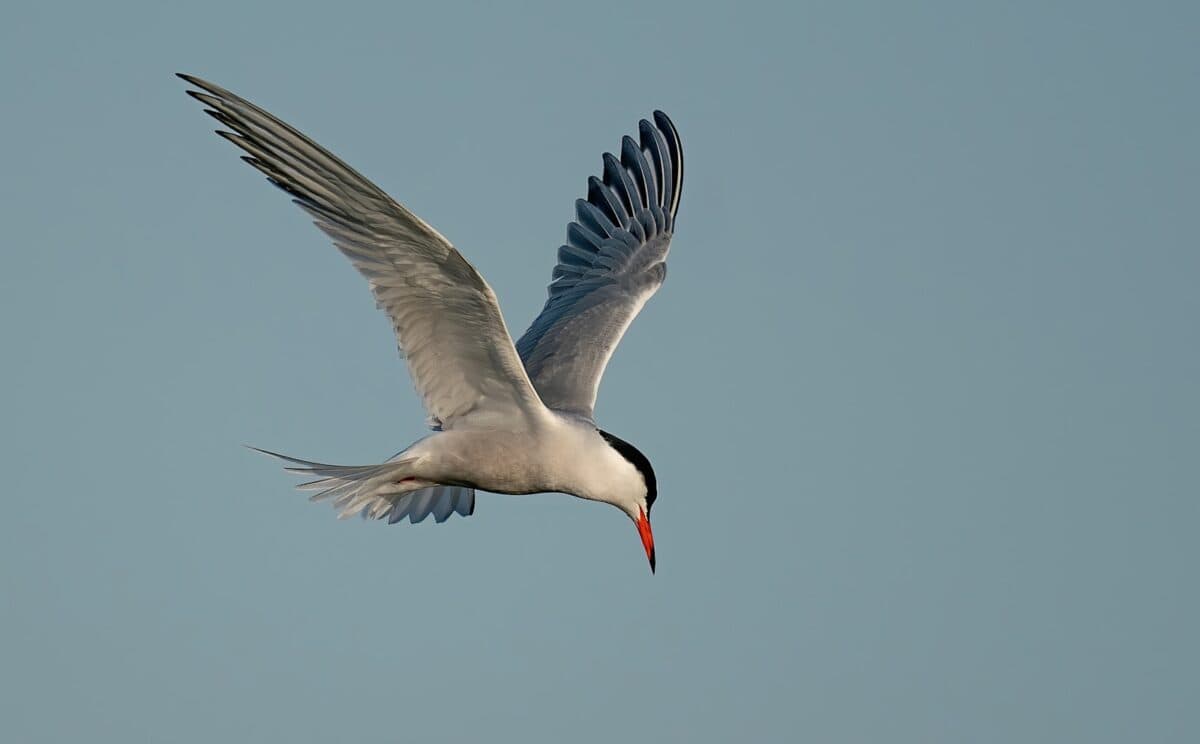
Development and urban spread often encroach on natural habitats, forcing birds to adapt or perish. The stress of these changes, including loss of feeding grounds and migratory obstacles, can severely impact bird populations, leading to unusual behaviors, including mass falls.
Conservation Efforts and Future Strategies

Understanding why birds fall from the sky is crucial in creating effective conservation strategies. By addressing pollution, minimizing structural hazards, and promoting sustainable agricultural practices, humans can help ensure that birds remain safely in the skies. Conservation efforts also focus on protecting natural habitats and mitigating climate change impacts, contributing to the health and stability of bird populations worldwide.
In conclusion, while it may be unsettling to witness birds suddenly falling from the sky, various factors, both natural and anthropogenic, contribute to these events. Through scientific investigation and targeted conservation efforts, we can better protect these avian marvels and preserve the balance of ecosystems they play such a crucial part in.

- The Myth Behind the Chinese Zodiac - August 5, 2026
- The Most Venomous Animal Ever Found in a U.S. Backyard - August 5, 2026
- The Jellyfish That Controls Its Prey - August 5, 2026