


The unearthing of ancient fossils often uncovers secrets that transport us back in time, painting vivid pictures of life long before human civilization as we know it. Recently, an exciting discovery in North Dakota has offered just such a glimpse into the past with the unearthing of an Ice-Age mammal. This finding has thrilled paleontologists and sparked renewed interest in the region’s prehistoric ecology. Join us as we delve into the details of this groundbreaking discovery and its implications for our understanding of ancient ecosystems.
Discovery Site: An Overview
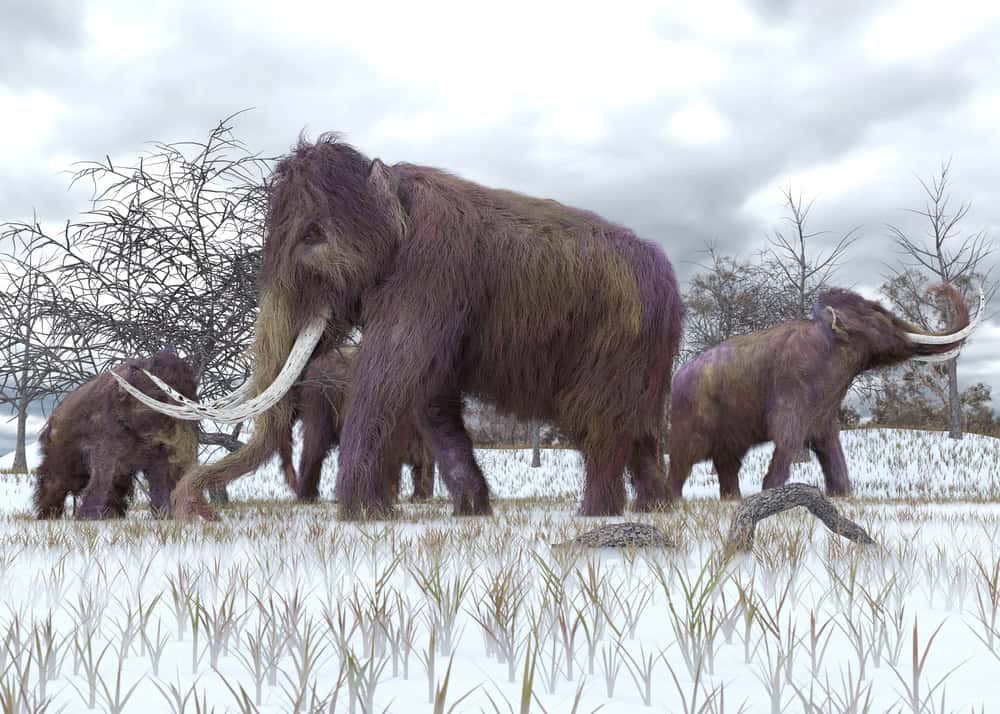
The remarkable discovery occurred in Killdeer Mountain in North Dakota, a region already known for its rich fossil beds. This area has previously yielded significant finds from various geological periods, making it a hotspot for paleontologists worldwide. The specific site of this unearthing was characterized by sediment layers dating back over 20,000 years, capturing snapshots from the earth’s Ice Age past.
The Unearthed Mammal: What We Know

The specimen discovered is a well-preserved skeleton of a woolly mammoth (Mammuthus primigenius), an iconic Ice-Age mammal once widespread across the northern landmasses of Europe, Asia, and North America. This particular mammoth stood roughly 3.4 meters (11 feet) tall at the shoulder, similar in size to present-day African elephants, and is estimated to have weighed up to 6 tons.
Understanding the Woolly Mammoth
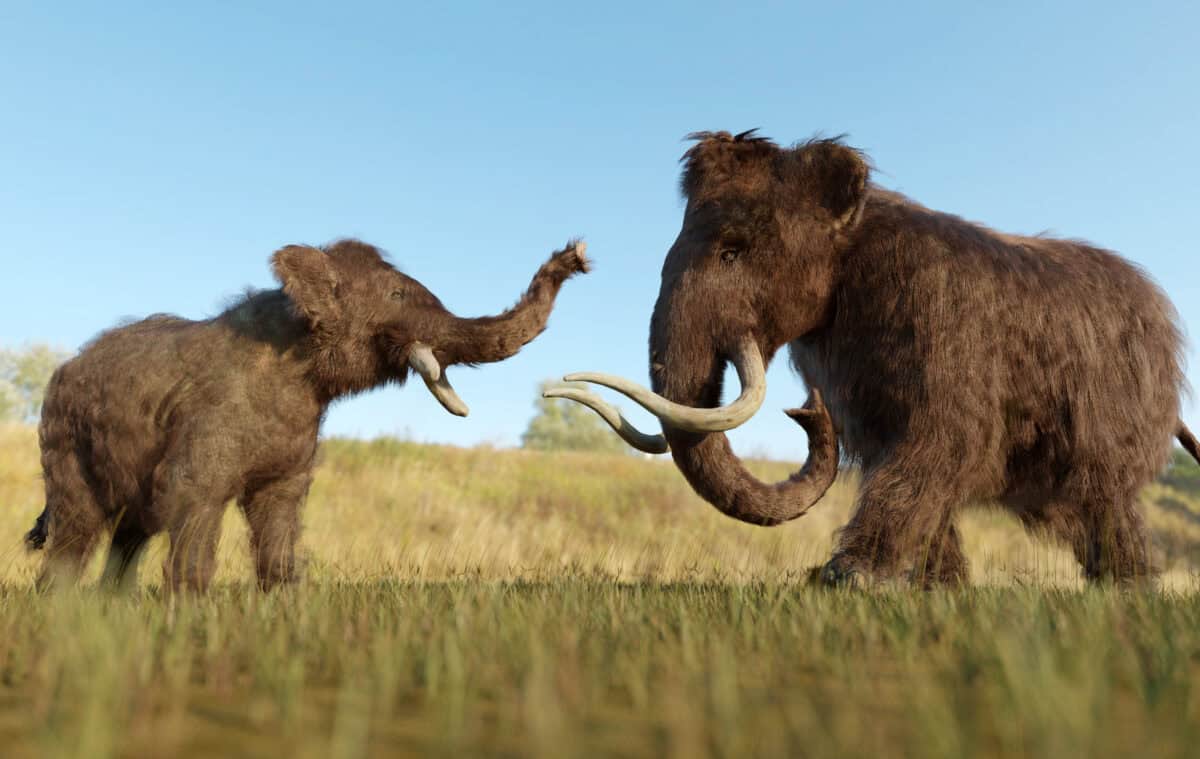
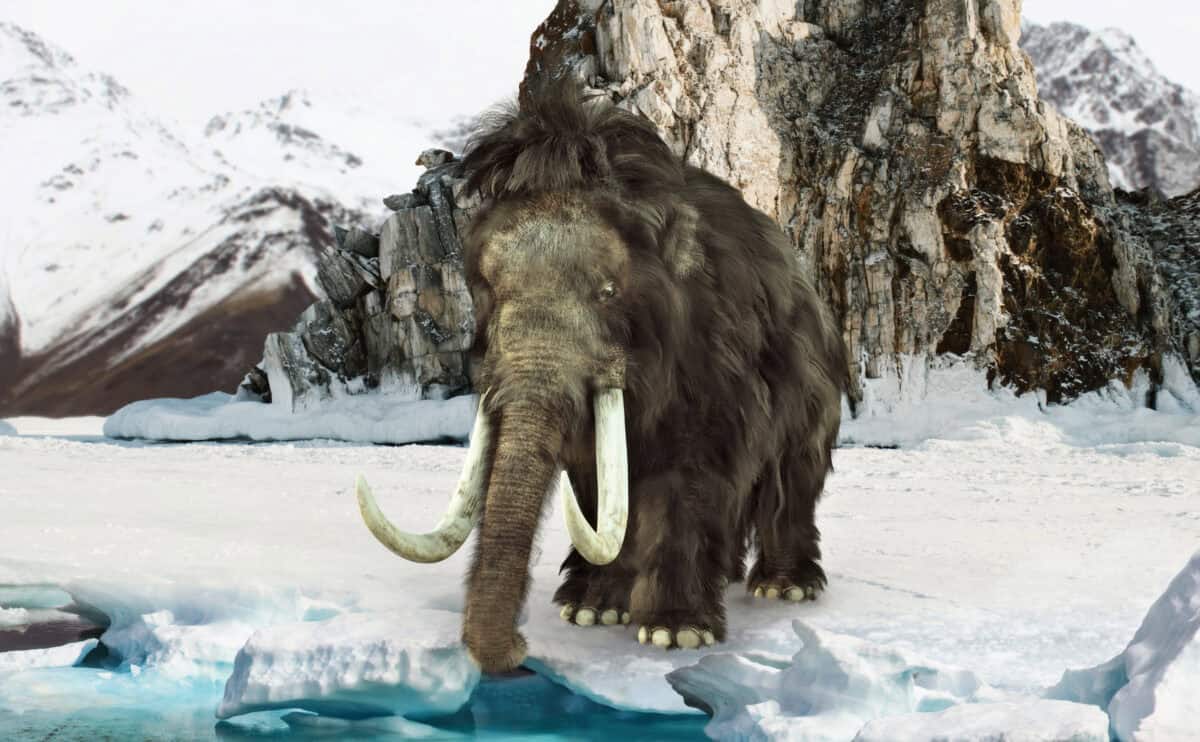
Woolly mammoths were distinct because of their thick layer of fur, which insulated them against the harsh climates of the Ice Age. Their long, curved tusks, used possibly for foraging under the snow and as a display in mating rituals, are among their most recognizable features. These majestic creatures roamed the earth until roughly 4,000 years ago, when they became extinct due to climate change and possibly overhunting by humans.
The Significance of the North Dakota Find

The discovery of a woolly mammoth in North Dakota not only adds to the fossil record of this species in North America but provides new insights into their migration patterns and adaptation strategies during the Ice Age. It indicates a much colder, more arid climate existed in this region thousands of years ago, significantly different from today’s temperate climate.
Research Techniques and Methods
Paleontologists utilized advanced techniques such as carbon dating and stratigraphic analysis to precisely age the fossilized remains. Detailed isotopic tests are being conducted to understand the diet and habitat preferences of the mammoth, shedding light on its role in the Ice Age ecosystem.
The Habitat of Ice-Age North America

During the Ice Age, much of North America was covered by ice sheets, with mammoths coexisting with other megafauna such as saber-toothed cats, giant sloths, and mastodons. This discovery encourages further examination of fossil sites across North America to map out the range and population density of woolly mammoths during their existence.
Implications for Climate Science

Studying extinct species like the woolly mammoth helps scientists understand how organisms adapt to changing environments. Analysis of this mammoth’s remains may provide crucial data on how ecosystems responded to past climate changes, which can inform current climate models and potential future scenarios.
What the Past Teaches Us About the Present

The extinction of the woolly mammoth and other megafauna highlights the delicate balance within ecosystems. The impacts of rapid climate change and human interference are lessons echoed in current biodiversity concerns. By studying the past, we gain insights into sustainable practices for present-day conservation efforts.
The Role of Public Engagement

The discovery in North Dakota has sparked public curiosity and excitement. Museums and educational institutions are seizing the opportunity to showcase this find, illustrating the importance of paleontology in unraveling Earth’s history and inspiring future generations of scientists and enthusiasts alike.
Future Excavation Plans

Efforts are underway to explore surrounding areas for additional finds, potentially broadening our understanding of the Ice Age in North America. The site has been earmarked for further excavation, with researchers hopeful of uncovering more about the biodiversity and climate conditions of the time.
The Role of Technology in Fossil Research

Modern technology, from 3D scanning to digital modeling, allows for the precise replication and study of fossils, minimizing damage to original specimens. Such technologies offer innovative ways to preserve, analyze, and display findings, enhancing accessibility and learning opportunities worldwide.
Concluding Thoughts

The discovery of this Ice-Age mammal in North Dakota is a poignant reminder of the incredible history beneath our feet, waiting to be unearthed. It bridges the past with the present, providing a context for understanding how ancient creatures adapted and thrived. As research continues, this find will undoubtedly enrich our appreciation and understanding of life’s resilience and adaptability through the ages.

From exploring the marine wonders in the Azores and witnessing the vast savannas of Kenya, to delving deep into the rich biodiversity of South Africa and traversing iconic landscapes in Australia and the US like Yellowstone, Chris's experiences are vast.
With a penchant for diving alongside sharks, the ocean holds a special place in his heart.
Through his academic insights, he champions wildlife conservation, striving with 'Animals Around The Globe' to cultivate a profound connection between humans and animals, enhancing our mutual appreciation.
Connect with him at Feedback@animalsaroundtheglobe.com.
- How Tigers Mark Their Territory Using Scent and Scratches - July 29, 2026
- The Deadly Volcano That Erased a Town Is Now Active Again - July 29, 2026
- 12 Deep Sea Animals With Terrifying Adaptations - July 29, 2026