


In recent years, waterways across the United States have been invaded by a unique yet problematic species of fish, causing environmentalists and researchers significant concern. This invasive fish, known for its aggressive nature and resilience, is now present in over 20 states. Understanding this phenomenon is crucial for safeguarding native species and preserving the balance of aquatic ecosystems.
Introduction to the Invasive Fish
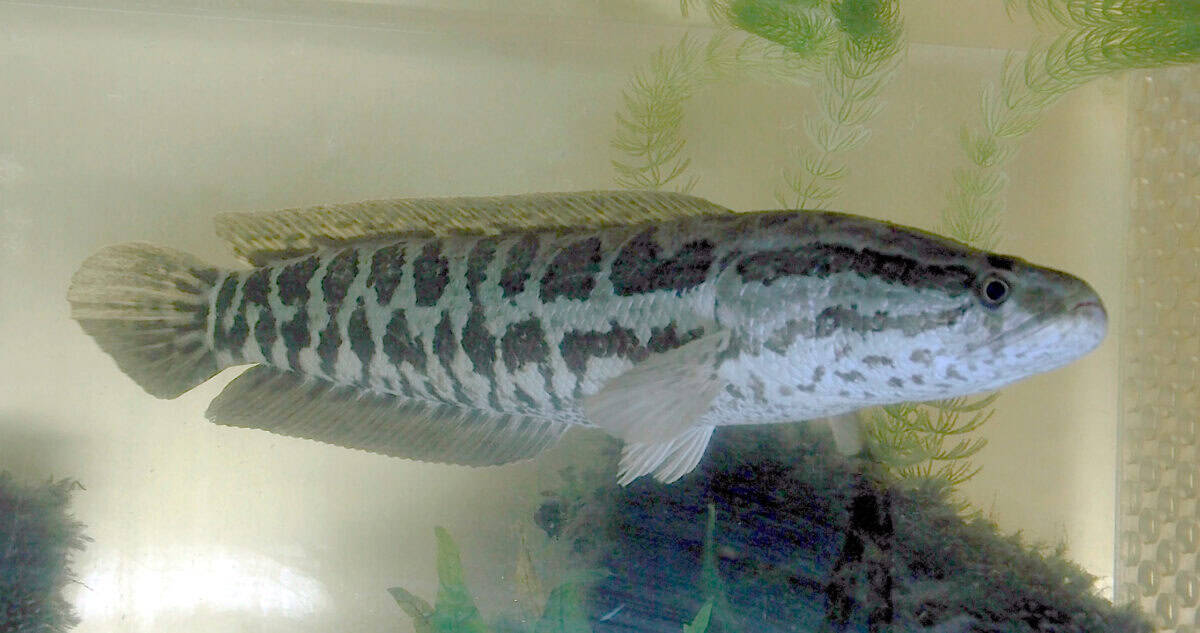
The main culprit behind this aquatic invasion is the Northern Snakehead, a fish native to East Asia. Its notoriety isn’t just due to its voracious appetite but also because of its ability to survive in diverse environments. Adaptability and thriving in varied habitats have led to its rapid spread across the United States.
Origins and Arrival in the U.S.

Northern Snakeheads were first detected in U.S. waters in the early 2000s. Originally imported for the live food market and aquarium trade, accidental releases and some deliberate introductions have spurred their growth in American ecosystems. These scenarios underscore the crucial lesson of monitoring the importation and dissemination of non-native species.
Identifying Characteristics of the Northern Snakehead

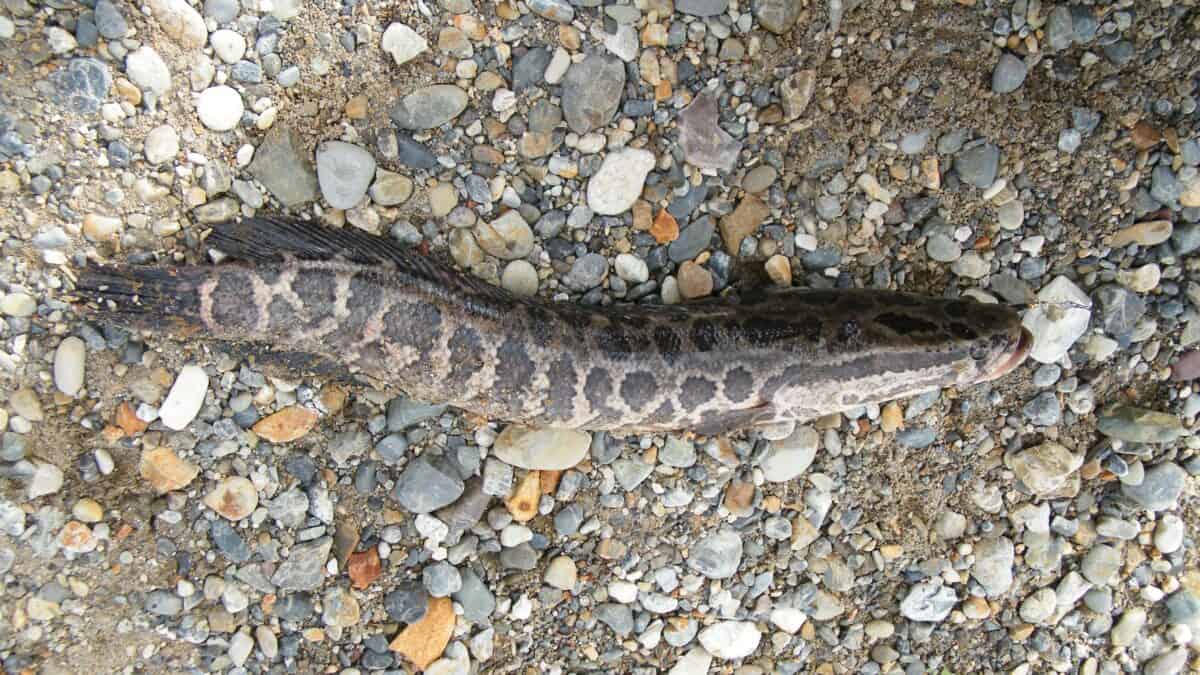
One can easily identify this fish by its elongated body, similar to a snake, and its large mouth lined with sharp teeth. A distinguishing feature is its long dorsal fin that runs down the majority of its back. These adaptations not only make it a formidable predator but also contribute to its survival prowess in foreign environments.
Versatile Habitats and Survival Mechanisms

Perhaps the most alarming attribute of the Snakehead is its ability to survive out of water for up to four days. This air-breathing ability allows them to migrate across land to new water bodies. Such versatility gives them a competitive advantage over many indigenous species.
The Snakehead’s Diet and Predatory Behavior

An apex predator in its ecosystem, the Northern Snakehead feeds on a variety of aquatic organisms, from small fish to amphibians. This opportunistic feeding habit disrupts food webs, leading to cascading effects on local biodiversity.
Impacts on Native Species

The presence of Snakeheads poses a significant threat to native fish populations. Their predatory nature, combined with prolific breeding, often leads to a decline in native species, some of which are already threatened or endangered.
Consequences for Local Ecosystems

As the Snakehead population grows, the ecological balance of invaded waterways is compromised. The changes in species composition can alter the structure and function of these ecosystems, making it difficult for the native species to recover.
Efforts to Control the Invasion

Various governmental and environmental organizations have been tasked with controlling Snakehead populations. Efforts include public awareness campaigns, fishing competitions, and the collection of sightings and specimens. Effective management requires coordinated actions at local, state, and national levels.
Research and Monitoring Initiatives

Continuous research is crucial in understanding the full impact of the Snakehead invasion. Scientists employ various techniques, from tagging studies to genetic analyses, to monitor their spread and assess control strategies.
The Role of Public Participation
Public involvement is vital in tackling the Snakehead issue. Reporting sightings, participating in eradication initiatives, and adhering to regulations against transporting live Snakeheads are all actions that help manage their proliferation.
Legal and Policy Frameworks

Policies regulating the import and ownership of potential invasive species are critical. Stronger enforcement of these regulations can prevent future introductions and mitigate further spread within U.S. waters.
Looking Ahead: Sustainable Solutions

The journey toward controlling invasive species like the Northern Snakehead is arduous. Sustainable solutions involve innovative research, public education, and robust policy implementations. A multi-faceted approach ensures that aquatic ecosystems remain resilient against similar invasions in the future.
Conclusion: Understanding and Adapting
While the presence of Northern Snakeheads in over 20 states poses an environmental challenge, it also provides an opportunity to learn and adapt. By understanding the impacts of invasive species, society can develop more effective strategies to protect and preserve native biodiversity. Collaboration between scientists, policymakers, and the public is key to overcoming this invasive threat and ensuring healthy aquatic ecosystems for future generations.

From exploring the marine wonders in the Azores and witnessing the vast savannas of Kenya, to delving deep into the rich biodiversity of South Africa and traversing iconic landscapes in Australia and the US like Yellowstone, Chris's experiences are vast.
With a penchant for diving alongside sharks, the ocean holds a special place in his heart.
Through his academic insights, he champions wildlife conservation, striving with 'Animals Around The Globe' to cultivate a profound connection between humans and animals, enhancing our mutual appreciation.
Connect with him at Feedback@animalsaroundtheglobe.com.
- A Bear Journey Through The USA: 18 Best Bear Photos from 18 US States - July 19, 2026
- Elephant Matriarchs Know Every Waterhole for Miles - July 19, 2026
- Top 10 Dinosaur Relatives Still Roaming Earth Today - July 19, 2026