


The sight of a black bear ambling through suburban backyards is becoming increasingly common. As urban areas encroach upon once-wild lands, humans and wildlife are encountering one another more frequently. This article explores why black bears are invading suburbs with greater regularity and the implications for both humans and bears.
Understanding the Black Bear Habitat

Black bears are typically elusive creatures, thriving in dense forests and mountainous regions across North America. They prefer environments that provide cover and ample food sources, such as berries, nuts, and small mammals. However, as human populations expand, the natural habitats of black bears are shrinking, forcing them to adapt.
Urbanization: A Major Driver of Change

The continuous spread of urban areas is one of the primary reasons black bears are moving into suburban neighborhoods. As towns and cities grow, forests are being fragmented or completely destroyed. This loss of habitat compels bears to seek food and shelter in new territories, which often leads them to human settlements.
Food Sources in Suburban Areas

Bears are omnivorous and have a keen sense of smell, which makes them adept scavengers. Suburban neighborhoods inadvertently provide a variety of food sources, such as garbage bins, bird feeders, compost piles, and pet food left outdoors. Attracted by these easily accessible food supplies, bears venture into these areas more frequently.
Adapting to Human Presence
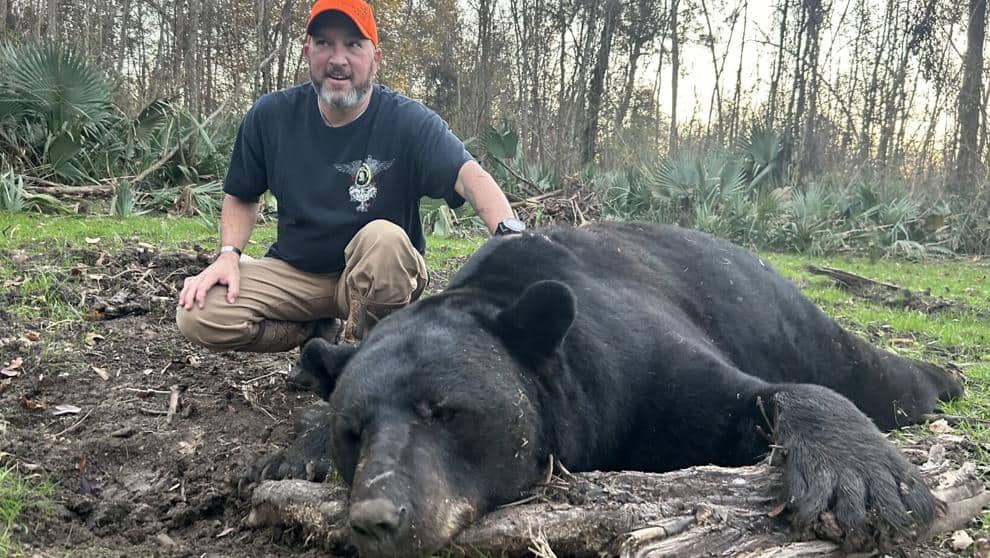
Over time, some black bears have become more comfortable around humans. They learn that neighborhoods can be a relatively safe place to find food without the natural challenges they might encounter in the wild, such as competing predators or scarce resources.
The Role of Seasonality in Bear Movements

Black bears exhibit seasonal behaviors, particularly before hibernation. In the fall, bears need to consume large amounts of calories to build fat reserves. When natural food is scarce, suburban areas become attractive foraging grounds, making fall a peak time for bear sightings.
The Impact of Climate Change

Climate change is affecting natural ecosystems, altering the availability of traditional food sources for bears. In some regions, disrupted weather patterns lead to food shortages in forests, pushing bears towards areas where food is more abundant—often closer to humans.
Human Responses and Wildlife Management

With increasing bear sightings, communities are tasked with developing strategies to manage these encounters safely. Wildlife management practices often involve educating residents on bear-proofing their properties and creating guidelines on managing bear-related incidents without harming the animals.
Mitigating Conflicts: A Shared Responsibility

Neighbors can collaboratively work to minimize bear attractants by securing trash, removing bird feeders, and keeping pet food indoors. These simple actions, when done collectively, can significantly diminish the appeal of neighborhoods to bears.
Risks to Humans and Bears

While black bears are generally not aggressive, human-bear interactions pose risks to both parties. Bears that become too comfortable around people can be a danger, and such encounters often end poorly for the bear. Many wildlife agencies are proactive in relocating or, in severe cases, euthanizing bears that pose significant risks.
The Role of Education and Awareness

Educating the public about living with wildlife is crucial. Understanding bear behavior, learning how to respond in an encounter, and knowing how to protect their property can reduce the number of negative interactions between humans and bears.
Innovative Solutions: Technology and Bears

Technology is playing an increasing role in managing urban wildlife. Innovations such as bear-proof waste containers and wildlife monitoring systems help communities coexist with bears more effectively. Some areas are even using social media and apps to alert residents of sightings.
Conservation Efforts for the Future

Maintaining healthy black bear populations requires a balance between development and conservation. Efforts to preserve continuous natural habitats and corridors are vital for the long-term survival of the species. Collaborative initiatives between towns, wildlife agencies, and conservation groups are critical to ensuring a future where bears and humans can coexist peacefully.
In conclusion, the increased presence of black bears in suburban areas underscores the need for a nuanced approach to wildlife management. By understanding the factors driving bears into human space and responding with informed, strategic initiatives, we can foster a coexistence that respects the needs of both bears and humans.

- Owls and Other Forest Dwellers of the Cascades - July 19, 2026
- What Happens When a Python Eats Something Too Big? - July 19, 2026
- Baby Koalas Hug Their Moms for Safety and Comfort - July 19, 2026