


The deep sea is a mysterious realm where light seldom penetrates, and the creatures that dwell there have developed astonishing adaptations to survive. Among these adaptations, trickery stands out as a favored strategy for many predators. Whether it’s through mimicry, camouflage, or deception, these predators have mastered the art of fooling their prey. Let’s dive into the depths and uncover the secrets of ten cunning deep sea predators that use trickery to their advantage.
Anglerfish The Lure of Deception

The anglerfish is perhaps the most iconic trickster of the deep sea. With its menacing appearance and a bioluminescent lure dangling from its head, it entices unsuspecting prey into its mouth. This glow-in-the-dark trick is an ingenious adaptation to the pitch-black environment, serving as both a lure and a light source. The anglerfish’s lure mimics the appearance of a small, helpless creature, making it irresistible to curious prey. As they approach, the anglerfish snaps its jaws shut, securing its next meal. This predator’s ingenuity is a testament to the lengths nature will go to ensure survival.
Vampire Squid The Master of Disguise

Contrary to its name, the vampire squid is not a bloodthirsty predator. Instead, it uses its ability to change color and emit light to confuse and evade predators. When threatened, it can invert its cloak-like arms, displaying bioluminescent spots that resemble a larger creature. This sudden transformation can startle predators long enough for the vampire squid to make a swift escape. Additionally, it releases a cloud of bioluminescent mucus, creating a glowing distraction. This clever use of light and disguise showcases the vampire squid’s mastery of trickery in the deep sea.
Deep Sea Dragonfish The Invisible Hunter

The deep sea dragonfish is a fearsome predator with a unique trick up its sleeve. It possesses special organs called photophores that produce light, allowing it to become invisible to its prey. By matching the light from these photophores to the ambient light above, the dragonfish effectively cloaks itself from below. This form of counter-illumination makes it nearly impossible for prey to detect the dragonfish until it’s too late. With sharp teeth and a ghastly appearance, this predator exemplifies the deadly combination of stealth and surprise.
Stargazer Fish The Lying-in-Wait Predator

The stargazer fish is a master of ambush, using its unique anatomy to camouflage itself perfectly with the ocean floor. Its eyes and mouth are positioned on top of its head, allowing it to bury itself in the sand while keeping a lookout for passing prey. With the slightest movement, the stargazer springs into action, engulfing its prey with lightning speed. This predator’s ability to blend seamlessly with its surroundings and strike with precision is a remarkable feat of nature’s trickery.
Frogfish The Underwater Chameleon

The frogfish is a fascinating predator that employs mimicry and camouflage to deceive its prey. Its body is covered in wart-like growths, allowing it to blend in perfectly with coral and sponges. Additionally, it possesses a modified fin that acts as a lure, resembling a small fish or worm. The frogfish can change its coloration to match its environment, enhancing its camouflage. When prey approaches, the frogfish’s mouth opens rapidly, creating a vacuum that sucks in its victim. This combination of mimicry and speed makes the frogfish a formidable predator in the deep sea.
Leafy Sea Dragon The Illusionist

The leafy sea dragon is an extraordinary creature that relies on its elaborate appearance to avoid detection. Covered in leaf-like appendages, it resembles a floating piece of seaweed, making it nearly invisible to both predators and prey. This remarkable camouflage allows the leafy sea dragon to drift undetected in its environment. While it is not an aggressive predator, its ability to blend in serves as a protective measure, demonstrating that trickery is not limited to offensive strategies in the deep sea.
Pelican Eel The Elastic Predator

The pelican eel is a bizarre deep sea predator with an oversized mouth and a long, slender body. Its most notable trick is its ability to expand its mouth to an astonishing size, allowing it to swallow prey much larger than itself. This elastic capability is a unique adaptation that enables the pelican eel to capture a wide variety of prey. In the vast and resource-scarce deep sea, this flexibility in diet is a crucial survival strategy. The pelican eel’s unusual appearance and feeding method make it a fascinating example of deep sea trickery.
Octopus The Shape-Shifting Escape Artist

Octopuses are renowned for their intelligence and ability to manipulate their environment. In the deep sea, their trickery takes the form of shape-shifting and camouflage. By altering the color and texture of their skin, octopuses can blend seamlessly with their surroundings or mimic other creatures. This ability allows them to ambush prey or elude predators with ease. Additionally, octopuses can squeeze through tiny crevices, making them elusive targets. Their adaptability and cunning make them one of the most versatile tricksters in the deep sea.
Cookiecutter Shark The Deceptive Driller

The cookiecutter shark is a small but cunning predator that employs a unique feeding strategy. It uses its bioluminescent belly to mimic smaller fish, attracting larger prey. Once close enough, the cookiecutter shark latches onto its victim and removes a circular chunk of flesh with its sharp teeth. This deceptive method allows the shark to feed on much larger animals without engaging in a direct confrontation. The cookiecutter shark’s innovative approach to feeding highlights the diverse strategies of trickery found in the deep sea.
Ghost Fish The Apparition of the Abyss

The ghost fish is a lesser-known deep sea predator that uses its translucent body to blend with the dark waters. This transparency makes the ghost fish nearly invisible to both predators and prey, allowing it to move undetected. It relies on stealth and patience, slowly approaching its target before striking with precision. The ghost fish’s ethereal appearance and stealthy hunting technique make it a mysterious and effective predator in the deep sea.
Conclusion
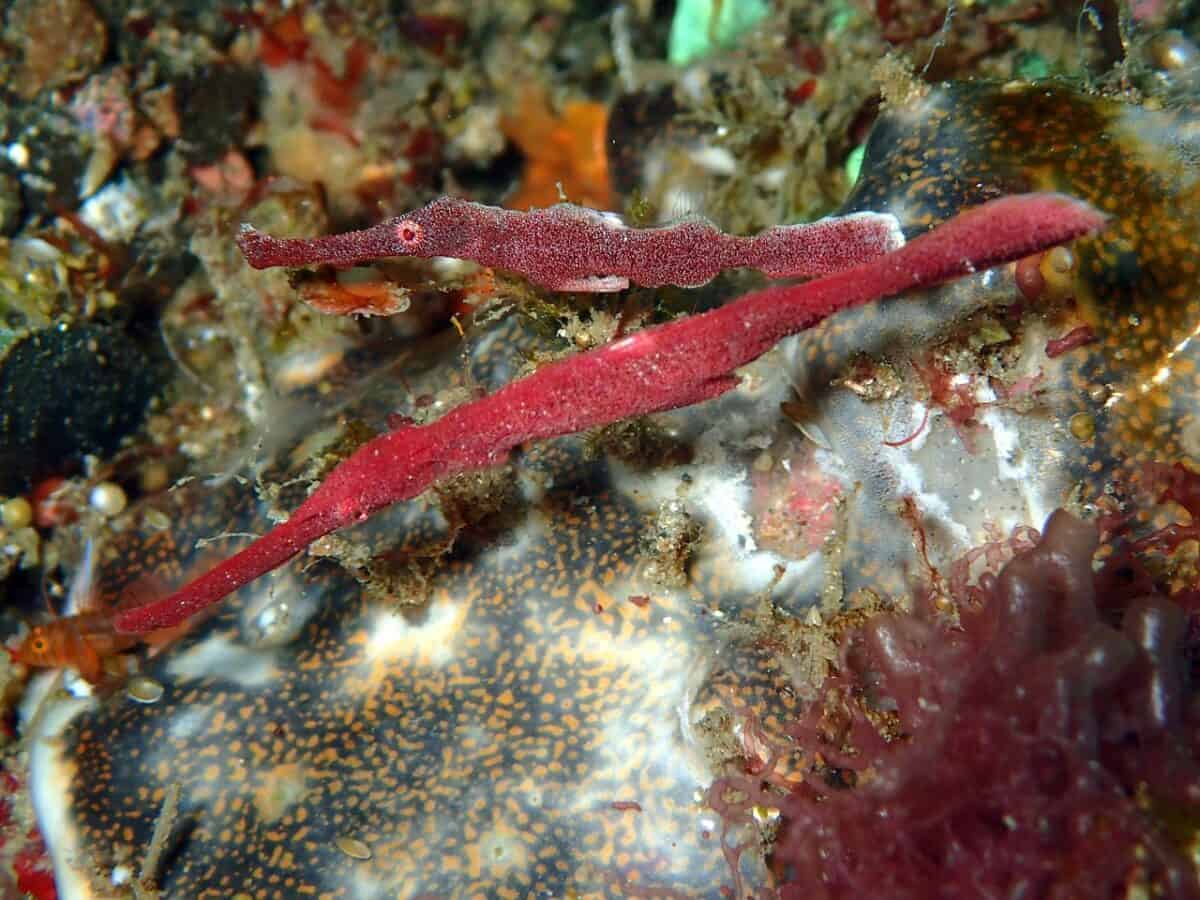
These ten deep sea predators demonstrate the incredible diversity of trickery found in the ocean’s depths. Each has evolved unique adaptations that allow them to thrive in one of the planet’s most challenging environments. From bioluminescence to camouflage, these creatures showcase the boundless creativity of nature.

As a little kid, I fell in love with nature, wildlife, and animals. Living in the USA, South Africa, Italy, China and Germany gave me the opportunity to discover the world's Wildlife. My favorite animals are Mountain Gorillas, Siberian Tigers, and Great White Sharks.
I'm a certified PADI Open Water Diver, went to Everest Base Camp and Trekked Gorillas in Uganda. I hold a Master of Science in Economics and Finance.
Please send any feedback to feedback@animalsaroundtheglobe.com
- 13 Cat Breeds That Get Along with Dogs - July 20, 2026
- The 12 Largest Dog Breeds That Still Love to Cuddle - July 20, 2026
- 12 Pet Habits That Secretly Mean They Love You - July 20, 2026