

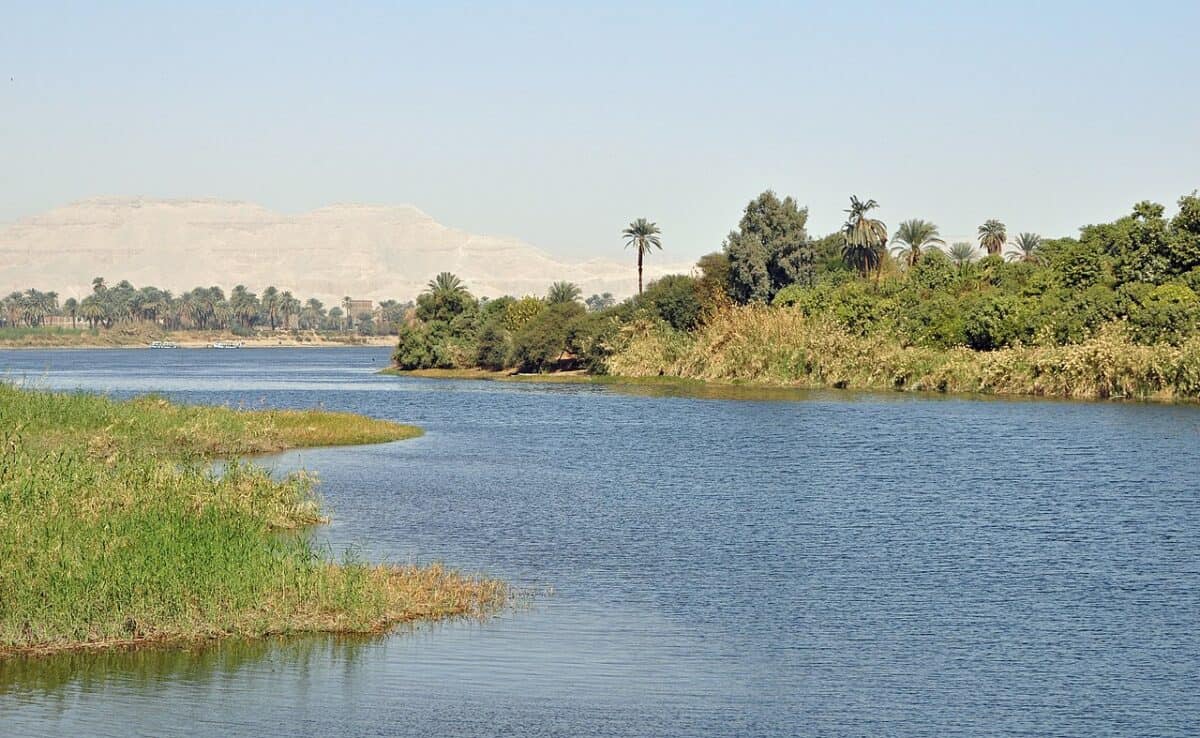
By their very nature, rivers are supposed to flow from a higher elevation to a lower one, often finding their way into larger bodies of water like seas or oceans. However, some rivers seem to defy this basic principle. These rivers, due to unique geographical and environmental factors, flow in directions that are considered unusual. Let’s dive into these fascinating waterways and explore the reasons behind their peculiar courses.
The Chicago River An Engineered Marvel

The Chicago River is a striking example of human ingenuity at work. Originally, the river flowed into Lake Michigan, but due to concerns about pollution and waterborne diseases, engineers reversed its flow at the turn of the 20th century. This was achieved by constructing the Chicago Sanitary and Ship Canal, which redirected the river’s flow towards the Mississippi River. This engineering feat not only improved the city’s sanitation but also became a testament to human capability in altering nature’s course.
The Amazon River A Historical Reversal

The Amazon River, renowned for being the largest river by discharge volume, has a story that dates back millions of years. Scientists believe that the river once flowed westward, towards the Pacific Ocean. However, due to tectonic shifts, including the rise of the Andes Mountains, its direction changed, and it now flows eastward into the Atlantic Ocean. This historical reversal has contributed significantly to the diverse ecosystems found in the Amazon Basin today.
The Nile River A Northward Journey

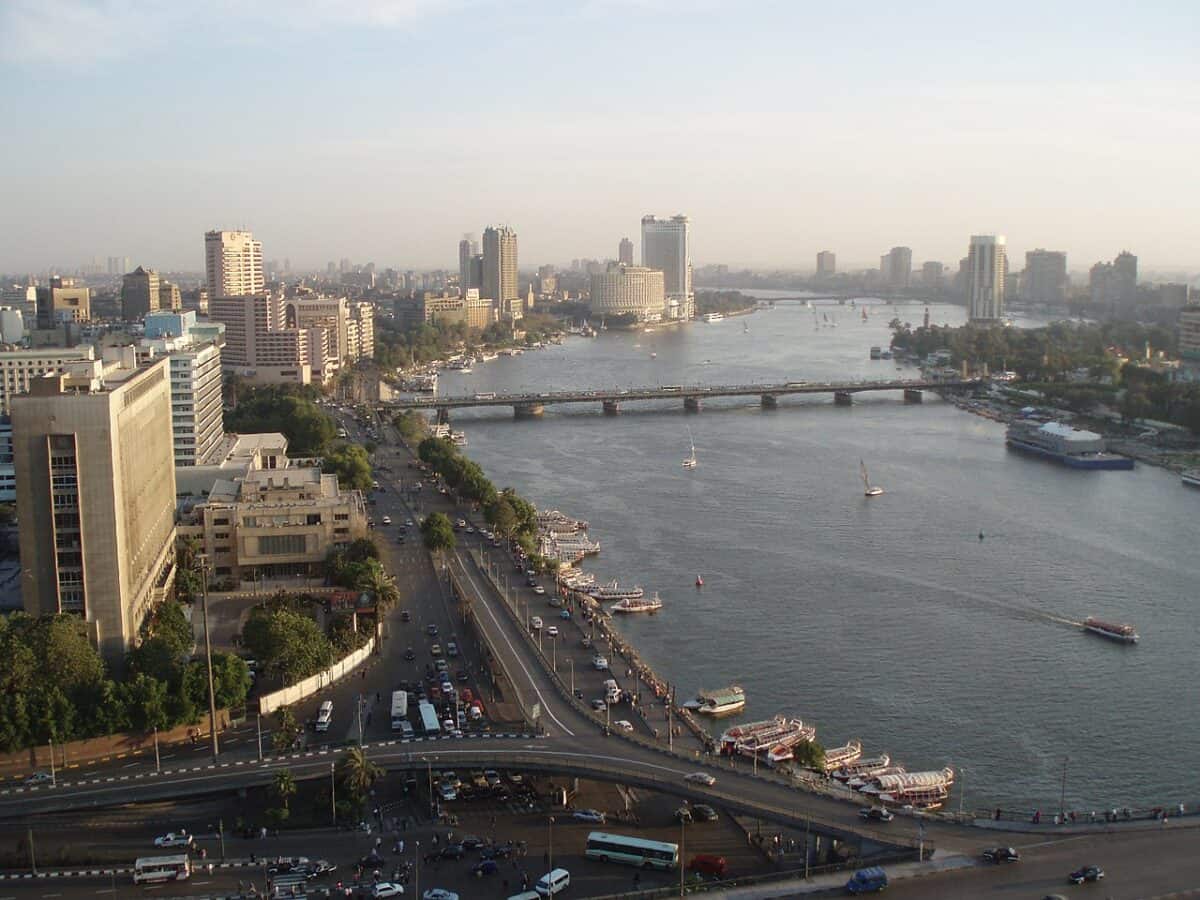
The Nile River is famous for being the longest river in the world, and it flows northward from its sources in East Africa to the Mediterranean Sea. This northward flow is unusual because most rivers in the Northern Hemisphere tend to flow southward. The Nile’s course is primarily due to the geographical slopes and the ancient tectonic activities that shaped the African continent. Its direction has been crucial for the development of ancient civilizations along its banks.
The River Thames Tidal Influences

While the River Thames is renowned for flowing through London, its flow can be influenced by tidal movements. During high tide, the river can appear to flow backward, creating a unique phenomenon known as a tidal bore. This natural occurrence is a result of the gravitational pull of the moon and the sun, causing the water level to rise and temporarily reverse the river’s flow. Such tidal influences are common in estuaries and contribute to the river’s dynamic nature.
The River Rhône Alpine Origins

Originating from the Swiss Alps, the River Rhône flows through Switzerland and France, eventually reaching the Mediterranean Sea. Unlike many rivers that flow towards the nearest ocean, the Rhône takes a more circuitous route. This peculiar course is influenced by the mountainous terrain it traverses, which guides it through several twists and turns before reaching its final destination. The Rhône’s journey is a testament to the powerful forces of nature that shape the landscape.
The Mississippi River A Meandering Giant

The Mississippi River is famous for its meandering path across the United States. Its course is shaped by the varying elevations and the soft sediments that line its banks. At certain points, the river’s flow can appear to defy logic as it loops and curves in seemingly unpredictable directions. These meanders are a natural part of the river’s dynamic system, allowing it to transport sediment and nutrients across vast distances.
The River Paraná A Southward Shift

The River Paraná, one of South America’s major waterways, flows primarily southward through Brazil, Paraguay, and Argentina. Its southward flow is relatively rare for a river in the Southern Hemisphere, where many rivers tend to flow towards the equator. The Paraná’s course is influenced by the topography of the Brazilian Highlands and the geological history of the continent, guiding it towards its confluence with the Río de la Plata.
The River Danube A European Wonder

The Danube River is a significant waterway in Europe, flowing from the Black Forest in Germany to the Black Sea. Its eastward flow is contrary to the more common westward or southward flows of European rivers. The Danube’s direction is shaped by the diverse landscapes it traverses, including mountains, plains, and valleys. This unique course has made the Danube a vital cultural and economic artery for the countries it passes through.
The River Niger A West African Gem

The River Niger is a major river in West Africa, flowing in a crescent shape from Guinea through Mali, Niger, and Nigeria, before emptying into the Atlantic Ocean. Its unusual northeastward flow in the upper reaches is dictated by the ancient geological formations in the region. The Niger’s course has been essential for the development of civilizations in West Africa, providing water, transport, and fertile lands.
The River Ganges A Sacred Path

In India, the River Ganges holds immense cultural and spiritual significance. It flows southeastward from the Himalayas to the Bay of Bengal. This southeastward flow is unique for a river originating in the Northern Hemisphere. The Ganges’ direction is influenced by the subcontinent’s tectonic activity and the Himalayan uplift, which guide its path through the plains of northern India. The river’s sacred status has made it a central part of Indian culture and religion.
The River Lena A Siberian Giant

The River Lena, one of the longest rivers in the world, flows northward through Siberia, emptying into the Arctic Ocean. This northward flow is uncommon for rivers in the Northern Hemisphere. The Lena’s course is shaped by the vast Siberian landscape and the ancient geological processes that have formed the region. Its journey through the permafrost and tundra is a testament to the resilience of nature in extreme environments.
The River Columbia A Powerhouse

Flowing from the Canadian Rockies to the Pacific Ocean, the Columbia River is a vital waterway in the Pacific Northwest. Its southward and westward flow is influenced by the mountainous terrain and the volcanic activity in the region. The Columbia’s course has been harnessed for hydroelectric power, making it a crucial resource for energy production in the United States and Canada. Its dynamic flow supports diverse ecosystems and human settlements alike.
The River Ebro A Spanish Treasure

The River Ebro is one of Spain’s most important rivers, flowing eastward from the Cantabrian Mountains to the Mediterranean Sea. Its eastward course is shaped by the Iberian Peninsula’s complex geology and topography. The Ebro’s journey through diverse landscapes contributes to its role as a vital water source for agriculture and industry in northeastern Spain. The river’s unique flow patterns have supported human civilization for centuries.
The River Volga A Russian Giant

The Volga River, one of the longest rivers in Europe, flows southward through Russia into the Caspian Sea. Its southward flow is unusual for a river in the Northern Hemisphere, where many rivers flow towards the Arctic Ocean. The Volga’s course is influenced by the Ural Mountains and the Russian Plain, guiding it through a vast and varied landscape. The river’s importance to Russia’s history and economy cannot be overstated.
The River Murray An Australian Lifeline

The River Murray is Australia’s longest river, flowing westward from the Australian Alps to the Southern Ocean. Its westward flow is unusual for a river in the Southern Hemisphere, where many rivers flow towards the equator. The Murray’s course is dictated by the continent’s arid climate and ancient geological formations. The river’s flow supports agriculture, wildlife, and human settlements, making it a vital lifeline in a dry land.
The River Orinoco A South American Marvel

The Orinoco River in Venezuela flows in a unique arc-shaped path, beginning in the Guiana Highlands and emptying into the Atlantic Ocean. Its unusual path is shaped by the region’s ancient geology and the tectonic processes that have sculpted the landscape. The Orinoco’s diverse ecosystems and rich biodiversity make it a crucial habitat for wildlife and an important resource for local communities.
Conclusion
In exploring these rivers, we see that nature is full of surprises. Each river holds a story that defies expectations, challenging our understanding of how waterways should behave. These rivers teach us that the natural world is full of wonders waiting to be discovered, each flowing in its unique way.

As a little kid, I fell in love with nature, wildlife, and animals. Living in the USA, South Africa, Italy, China and Germany gave me the opportunity to discover the world's Wildlife. My favorite animals are Mountain Gorillas, Siberian Tigers, and Great White Sharks.
I'm a certified PADI Open Water Diver, went to Everest Base Camp and Trekked Gorillas in Uganda. I hold a Master of Science in Economics and Finance.
Please send any feedback to feedback@animalsaroundtheglobe.com
- 14 Most Beautiful Bird Songs You Can Hear in America - July 15, 2026
- The Longest Snake Ever Found Slithering in the U.S. - July 15, 2026
- Why Humpback Whales Are Singing Louder Off U.S. Shores - July 15, 2026