


Earthquakes are powerful natural events capable of immense destruction in a matter of seconds. While scientists continue to refine prediction methods, people can look for specific natural warning signs before a massive tremor hits. Understanding these signs could mean the difference between safety and disaster. This article explores 12 potential warning signs that may precede a major earthquake.
Unusual Animal Behavior

Animals often sense imminent danger before humans do. There are numerous anecdotes of animals behaving erratically—such as pets hiding or becoming excessively anxious—ahead of earthquakes. Scientists speculate that animals might detect changes in electrical or magnetic fields, or feel the earth’s slight tremors before humans.
Changes in Ground Water Levels
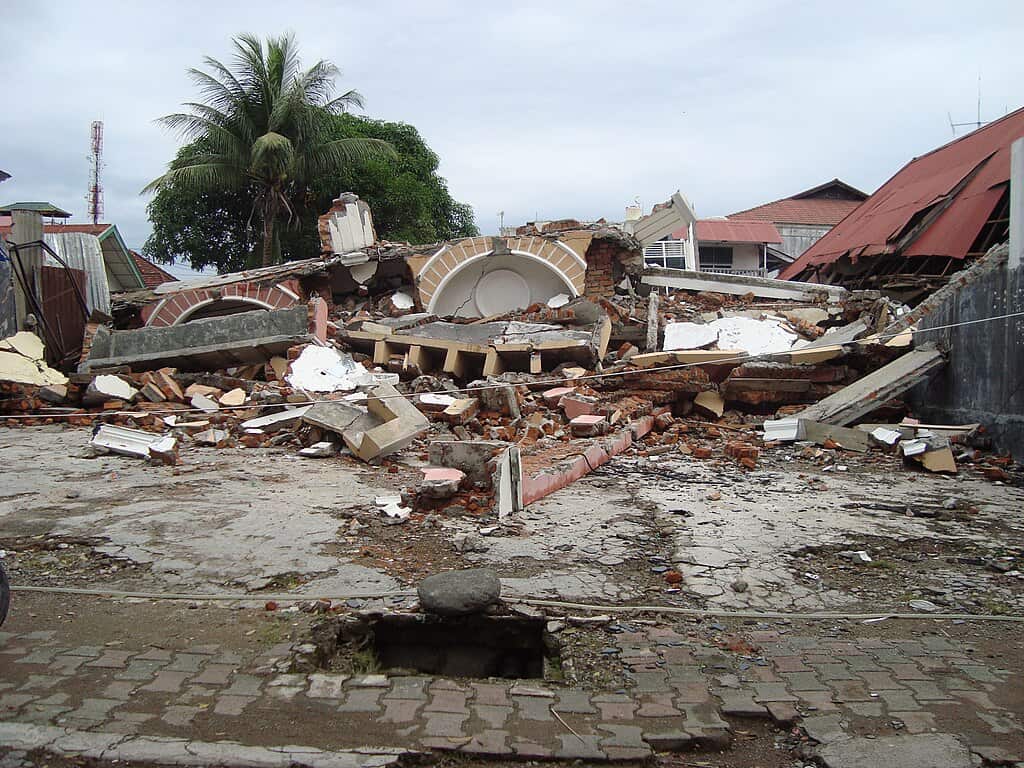
Fluctuations in groundwater levels can be an indicator of tectonic activity. A noticeable drop in water levels in wells, or the sudden appearance of new springs, might indicate that the earth’s crust is under stress, potentially leading to an earthquake.
Foreshocks

Similar to aftershocks, small tremors known as foreshocks can sometimes be harbingers of a larger earthquake. Notably, while not all big quakes are preceded by these smaller tremors, experiencing multiple foreshocks in a short period can signal that a more significant event is imminent.
Strange Weather Patterns

Though earth science and meteorology are distinctly different fields, some cultures attribute changes in the weather, such as unusual calmness or cloud formations, to impending earthquakes. However, scientific evidence linking weather to earthquakes remains anecdotal and unproven.
Unusual Quietness in Nature

A sudden, eerie quietness in areas that are usually noisy, such as forests and beaches, might indicate that animals have sensed impending danger and have constrained their typical behaviors. This quietude can sometimes precede significant seismic events.
Strange Sky Phenomena

Reports of unusual sky phenomena such as earthquake lights—a rare display of shimmering lights in the sky similar to auroras—are occasionally observed before earthquakes. While the precise cause remains speculative, they may be related to the release of energy from rocks under immense stress.
Bizarre Human Symptoms

Some individuals report symptoms such as headaches, dizziness, or ringing in their ears before earthquakes. Although largely anecdotal, it is posited that sensitive individuals might be affected by changes in electromagnetic fields or barometric pressure shifts.
Rapid Temperature Changes

Rapid temperature changes have been documented before some earthquakes. The mechanics behind this occurrence might involve shifts in atmospheric pressure or movements in the earth’s crust affecting local climate conditions.
Difficulty in Radio Reception
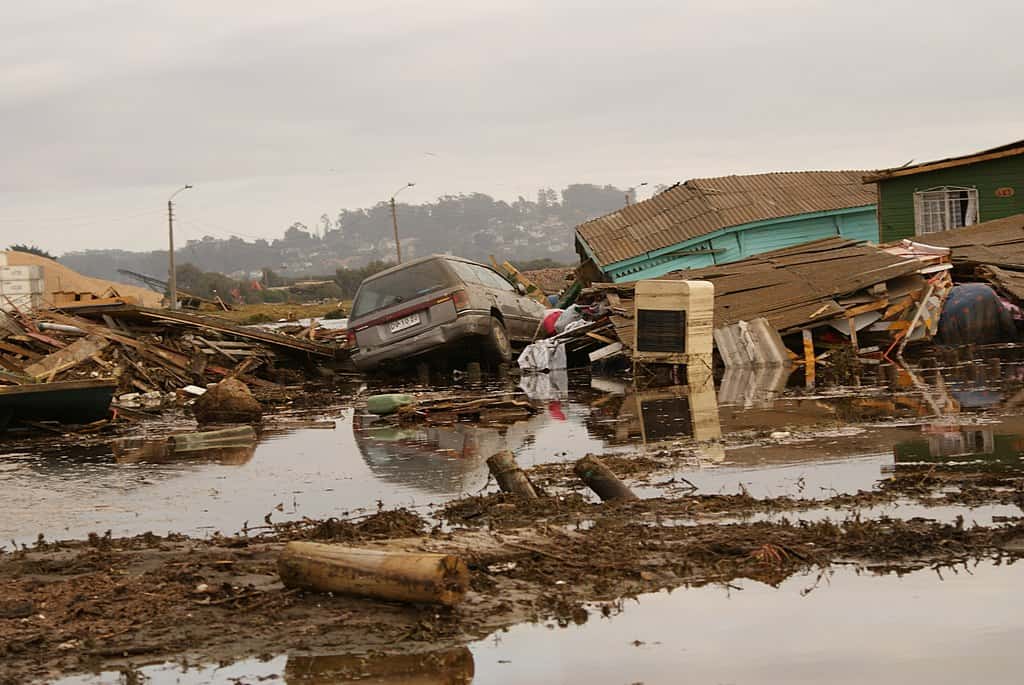
There have been instances where radio wave reception becomes erratic in the hours or days leading up to a major earthquake. Disruptions in the ionosphere, possibly caused by seismic stress in the Earth’s crust, are a proposed explanation.
Changes in Air Pressure

Prior to some seismic events, there have been reports of barometric pressure alterations. Sharp drops or surges in pressure could stem from energy transfers occurring deep within the Earth’s layers.
Increased Radon Emissions
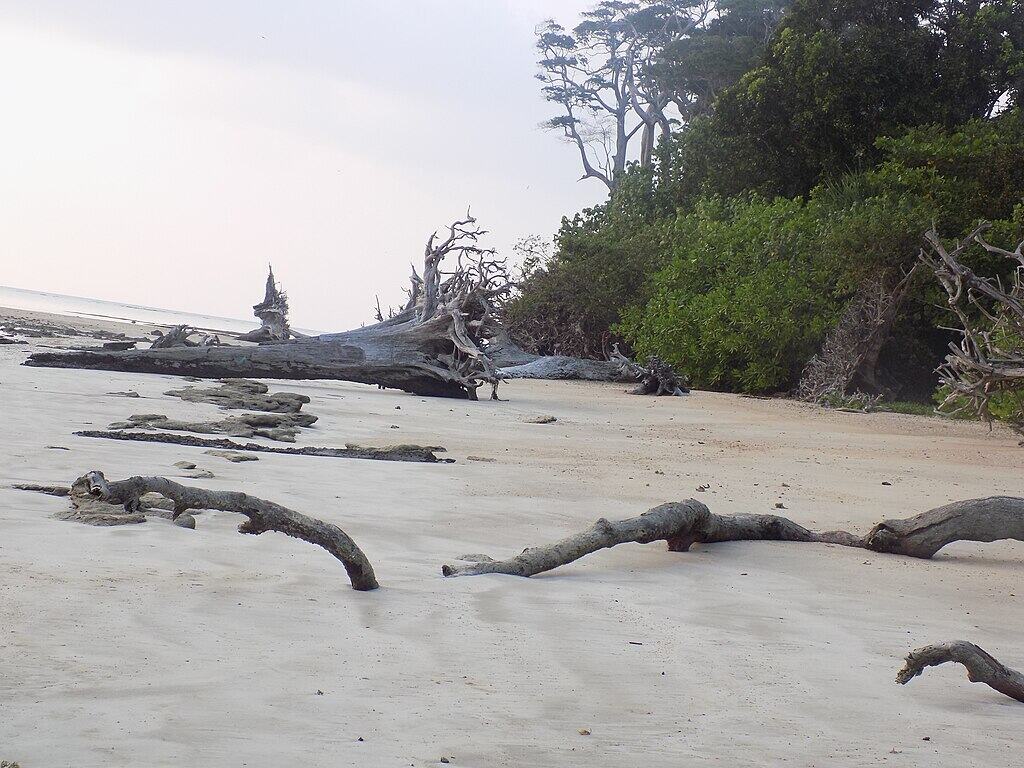
Radon—that naturally occurring radioactive gas—has been observed to spike shortly before certain earthquakes. As stress increases in the earth’s crust, fractures may release trapped radon gas, leading to higher atmospheric concentrations.
Crackle Sound from the Ground

Some people living in earthquake-prone areas occasionally report hearing strange crackling noises emanating from the ground before a quake. This phenomenon might relate to micro-fracturing of rocks under stress.
Conclusion:

In conclusion, while predicting an earthquake with precision remains one of the greatest challenges in geology, being aware of these potential warning signs can help communities better prepare for seismic activity. Understanding and recognizing these signs could enhance both individual safety and emergency response strategies.

As a little kid, I fell in love with nature, wildlife, and animals. Living in the USA, South Africa, Italy, China and Germany gave me the opportunity to discover the world's Wildlife. My favorite animals are Mountain Gorillas, Siberian Tigers, and Great White Sharks.
I'm a certified PADI Open Water Diver, went to Everest Base Camp and Trekked Gorillas in Uganda. I hold a Master of Science in Economics and Finance.
Please send any feedback to feedback@animalsaroundtheglobe.com
- 14 Stunning Animals You Can See in India - July 18, 2026
- The Most Enormous Lobster Ever Pulled From Maine Waters - July 18, 2026
- The Most Dangerous Waters for Sharks in North America - July 18, 2026