
In a groundbreaking find that has left the scientific community buzzing with excitement and curiosity, researchers have discovered a massive liquid water lake buried beneath the thick layers of Antarctic ice. This unexpected revelation is reshaping our understanding of the Antarctic continent and raising intriguing questions about life’s potential to exist in such extreme environments. This article delves into the significance of this discovery, exploring its implications for science, our planet, and the possible existence of extraterrestrial life.
Unveiling the Hidden World Beneath the Ice

Antarctica, often depicted as a desolate and unchanging landscape, harbors secrets beneath its icy surface. Researchers utilized advanced remote sensing technology, including satellite imaging and ground-penetrating radar, to peer through the ice. The data revealed the presence of a sizable liquid water lake, estimated to be as large as several cities combined, lying beneath kilometers of ice. Such discoveries challenge previous assumptions, painting a complex picture of an active subglacial ecosystem.
The Role of Heat and Pressure in Liquid Water Formation

The existence of liquid water under Antarctic ice is primarily due to geothermal heat from the Earth’s core and intense pressure from the overlying ice sheet. This pressure lowers the melting point of ice, allowing water to remain in liquid form despite freezing surface temperatures. The combination of these factors has carved out a unique environment where liquid water can accumulate and persist.
Exploring the Subglacial Lake System

This newfound lake is part of a larger network of subglacial aquatic systems that challenge the traditional understanding of Antarctic geography. Scientists have determined that these lakes are interconnected through vast channels, forming a hidden hydrological network. Understanding how water flows in this under-ice landscape is crucial for comprehending Antarctica’s role in the global climate system.
Implications for Earth’s Climate System
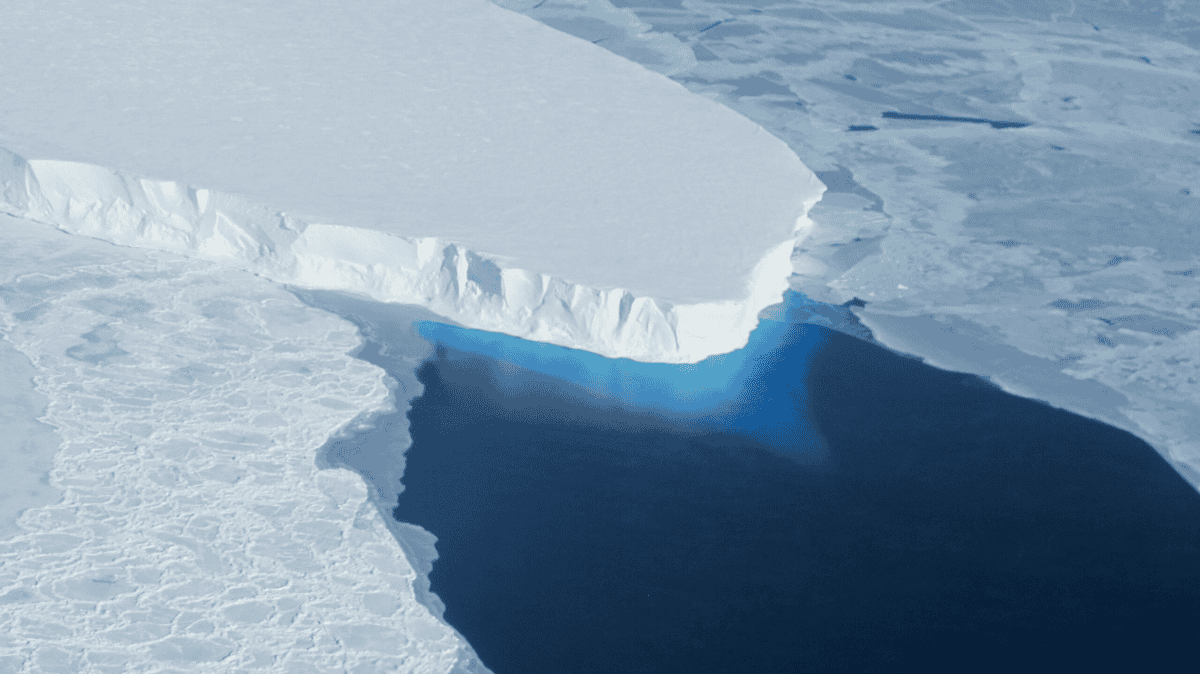
The discovery of liquid water lakes beneath Antarctic ice holds significant implications for our comprehension of climate dynamics. These subglacial lakes can influence ice sheet movements, potentially affecting global sea levels. Meltwater from these lakes may act as a lubricant, hastening the flow of ice into the ocean and contributing to rising sea levels. This discovery underscores the importance of continued research to anticipate potential climate impacts.
A Window into Extreme Life Forms
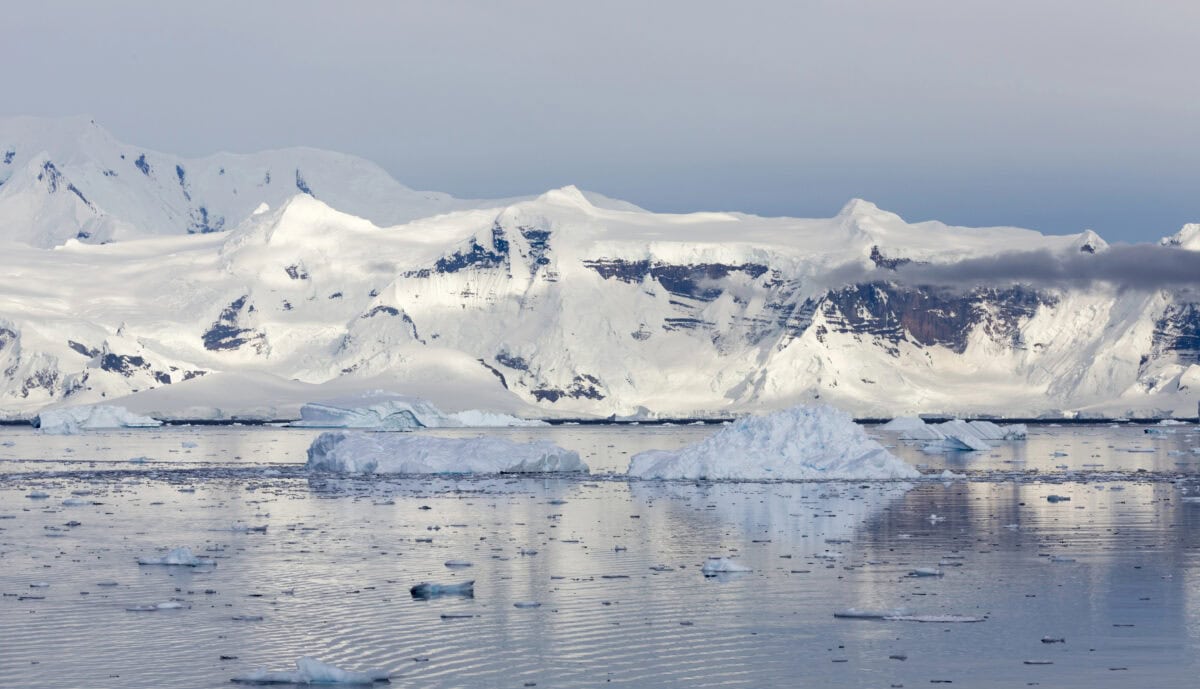
The conditions found in these subglacial lakes, characterized by darkness, low temperatures, and high pressure, provide a unique opportunity to study extremophiles—organisms that thrive in extreme environments. The potential presence of microbial life in the Antarctic lake could offer insights into how life can adapt and survive under harsh conditions. These findings may even inform future exploration of extraterrestrial environments, such as the icy moons of Jupiter and Saturn.
Technological Innovations Driving New Discoveries
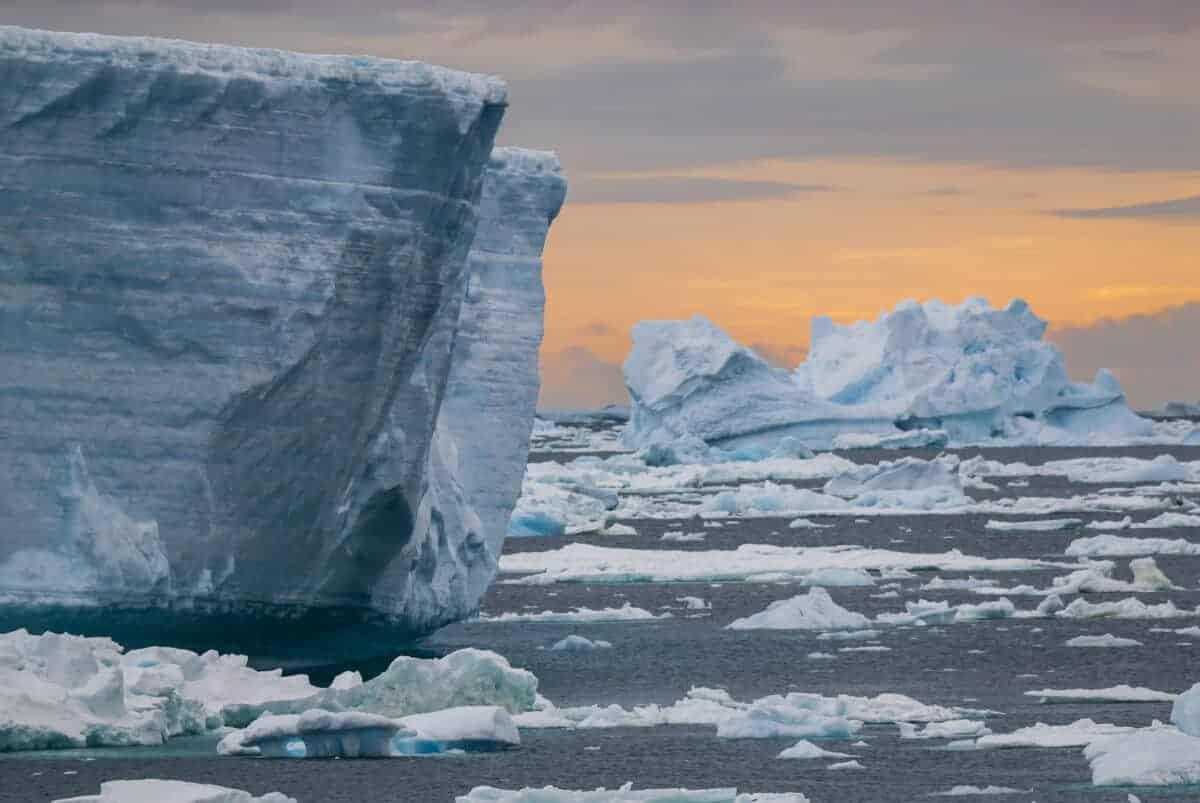
The discovery of the subglacial lake under Antarctica wouldn’t have been possible without recent advancements in technology. Remote sensing tools, including satellite imagery and ice-penetrating radars, have become essential in mapping these hidden water bodies. The progress in autonomous underwater vehicles and borehole drilling techniques holds promise for direct exploration, collecting water samples, and unraveling the mysteries beneath the ice.
Comparing Antarctic and Arctic Subglacial Lakes
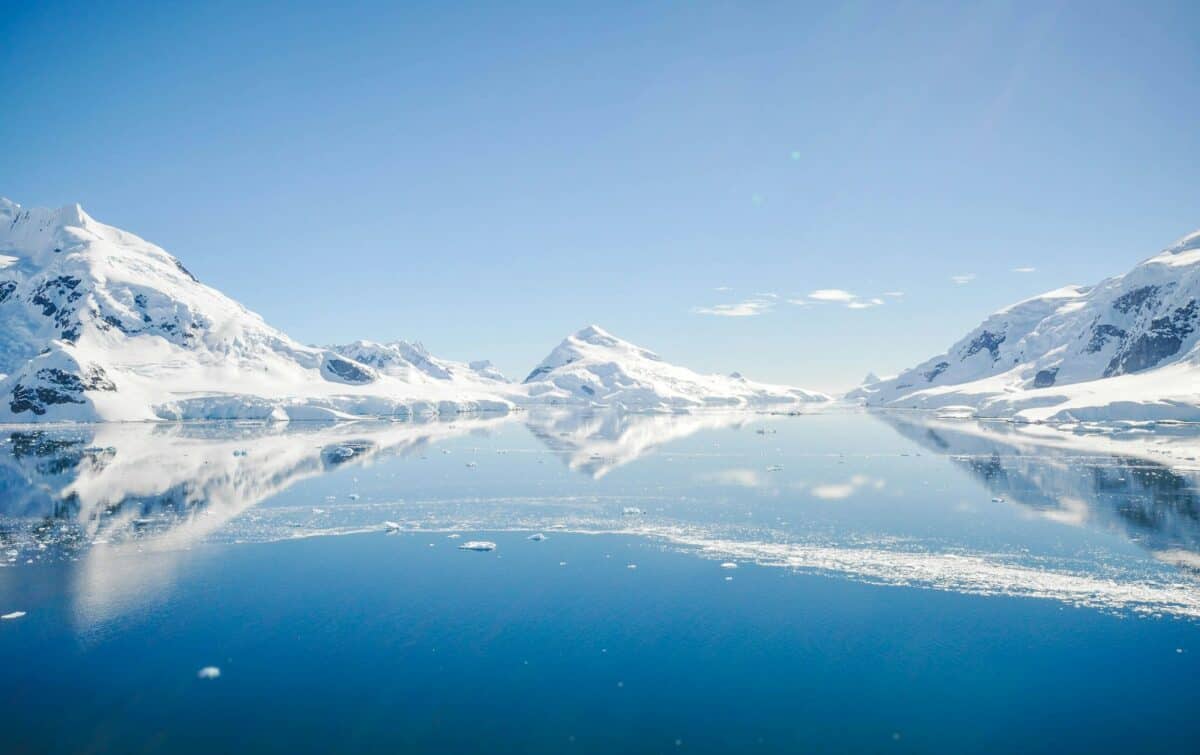
While Antarctica’s subglacial lakes are a relatively recent discovery, subglacial lakes have been known in the Arctic for some time. Comparing these two environments can provide valuable insights into the different factors influencing life and water flow under icy domains. Such comparative studies are essential for improving our grasp of polar ecosystems and their global significance.
Contributions to Astrobiology
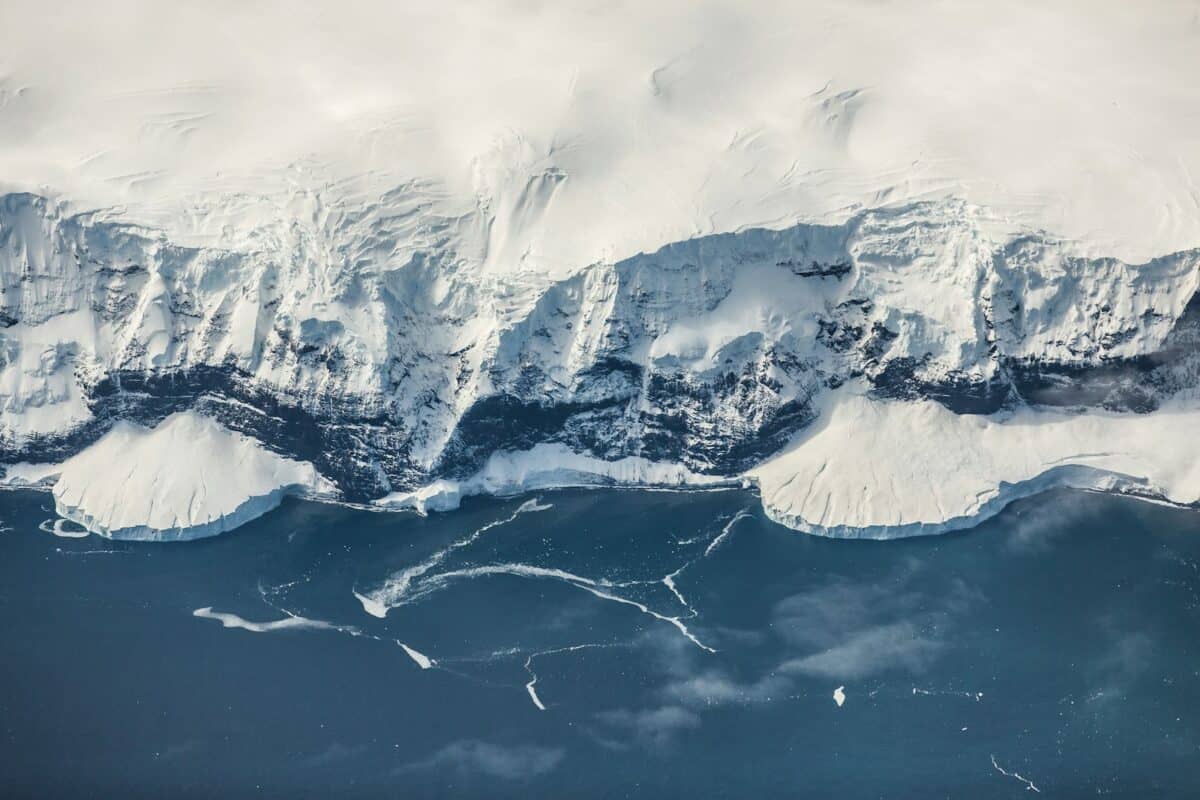
The discovery of liquid water beneath Antarctic ice is particularly exciting for astrobiologists. The extreme conditions in Antarctica mirror those believed to exist on Mars, Europa, and other celestial bodies, making these subglacial lakes prime analogs for studying extraterrestrial environments. Investigating microbial life in Antarctica can guide future missions aimed at detecting life beyond Earth.
Challenges and Future Research Directions
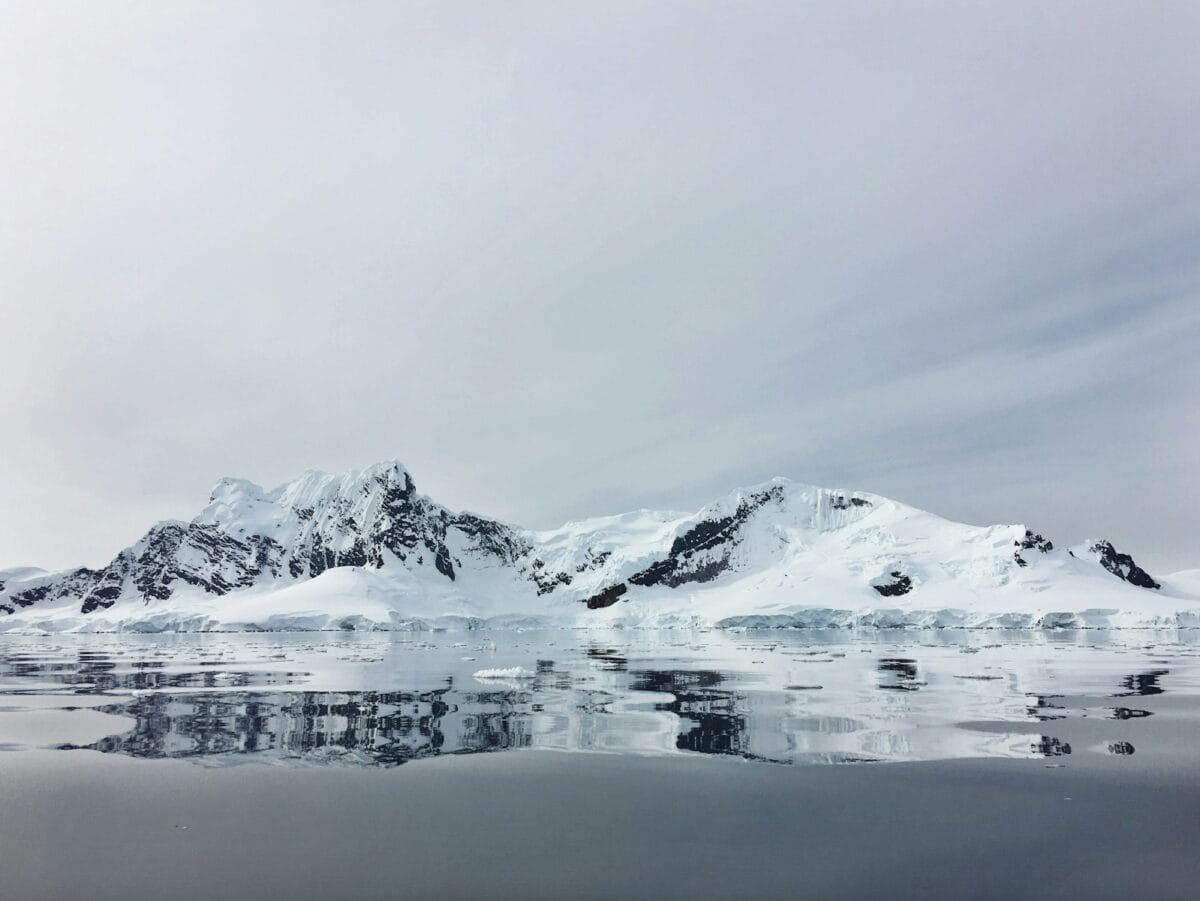
While the discovery is groundbreaking, accessing and studying these subglacial lakes pose significant challenges. The thick ice cover, remote location, and harsh climate make direct exploration difficult. However, upcoming research endeavors aim to overcome these obstacles through innovative technologies, further investigations, and international collaborations to unlock the secrets held by these hidden lakes.
Environmental and Ethical Considerations
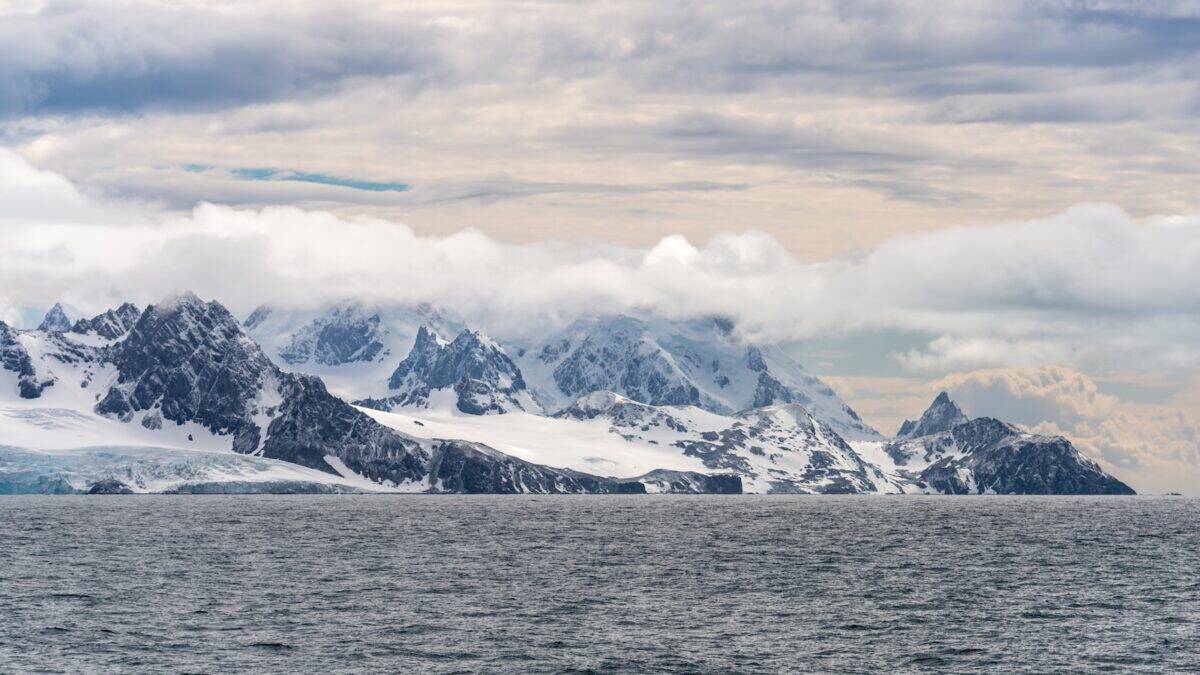
As researchers prepare to delve deeper into Antarctica’s subglacial lakes, environmental and ethical considerations are paramount. It is crucial to ensure that scientific explorations do not inadvertently contaminate these pristine environments. Any interference must prioritize the protection of this unique ecosystem, maintaining its integrity for future generations.
Conclusion: A New Era of Polar Exploration
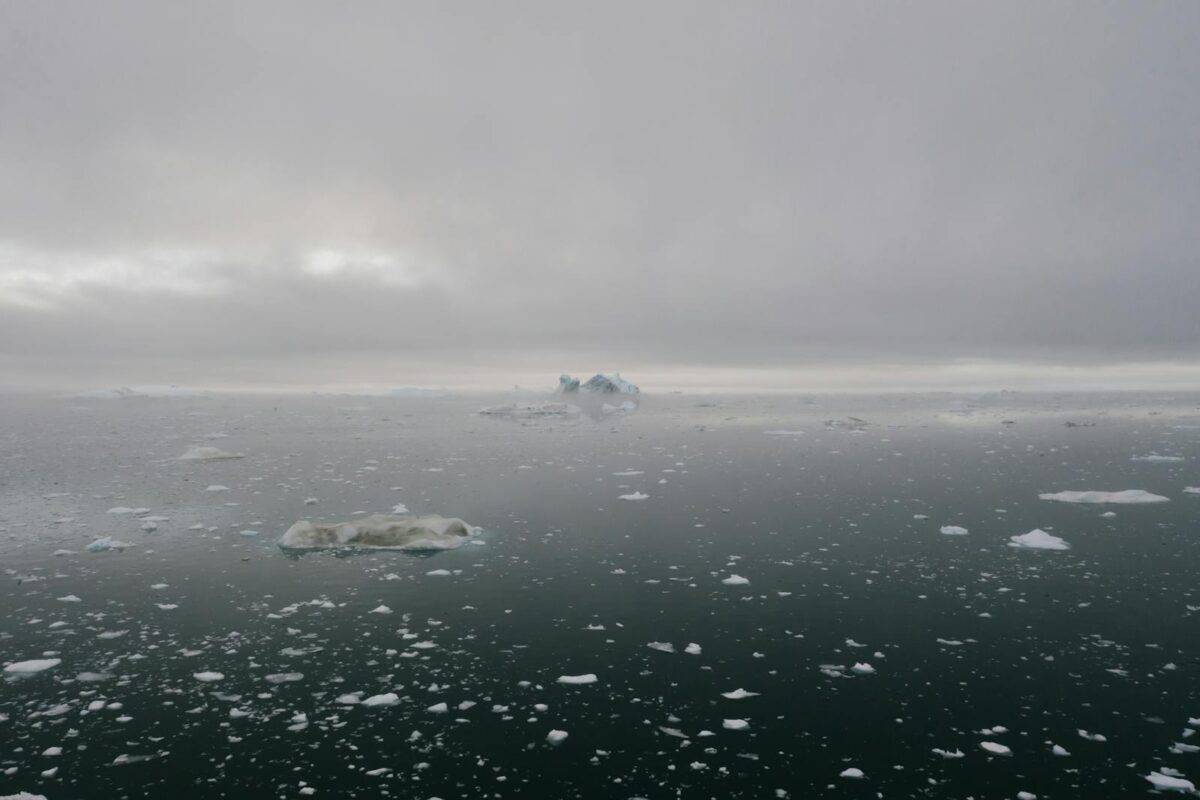
The discovery of a liquid water lake beneath the Antarctic ice is a testament to the persistence and ingenuity of modern scientific exploration. This remarkable find not only expands our understanding of Earth’s geology but also opens up possibilities for discovering life in unexpected places. As technology continues to advance, the mysteries buried beneath the ice will gradually unravel, promising infinite discoveries and reshaping our understanding of life on our planet and potentially beyond. This discovery fuels the imagination of scientists and enthusiasts alike, heralding a new era of exploration into the world’s last uncharted frontiers.

- The Story of the Arctic Fox’s Incredible Seasonal Transformation - July 18, 2026
- 10 Most Venomous Snakes in US National Parks - July 18, 2026
- The Moth That Drinks Blood - July 18, 2026