
Nebraska’s prairies, vast and sprawling, are more than just grasslands—they are a vibrant haven for a myriad of bird species, offering both shelter and sustenance. These areas are increasingly recognized for their ecological importance and dynamic beauty, drawing bird enthusiasts and researchers alike. But what makes these prairies in Nebraska so integral to the avian world? Let’s explore the facets that make this landscape a vital sanctuary for birds.
The Rich History of Nebraska’s Prairies

Nebraska’s prairies have a rich history that dates back thousands of years. These grasslands were shaped by natural forces such as climate, fire, and grazing by large mammals. Over time, they have evolved into ecosystems that support a wide variety of flora and fauna. Today, these prairies are recognized for their ecological significance, housing diverse species and serving as a critical component of the Great Plains.
Why Nebraska? The Geographic Advantage

Nebraska’s geographic location positions it as a crucial transit point along the central flyway, a migratory path millions of birds use. The prairies provide a mid-stop for birds traveling from colder, northern climates to warmer southern areas. This ideal location, complemented by the diversity of habitats within the prairies, makes Nebraska a hotspot for both resident and migratory birds.
The Crown Jewels: Grassland Birds
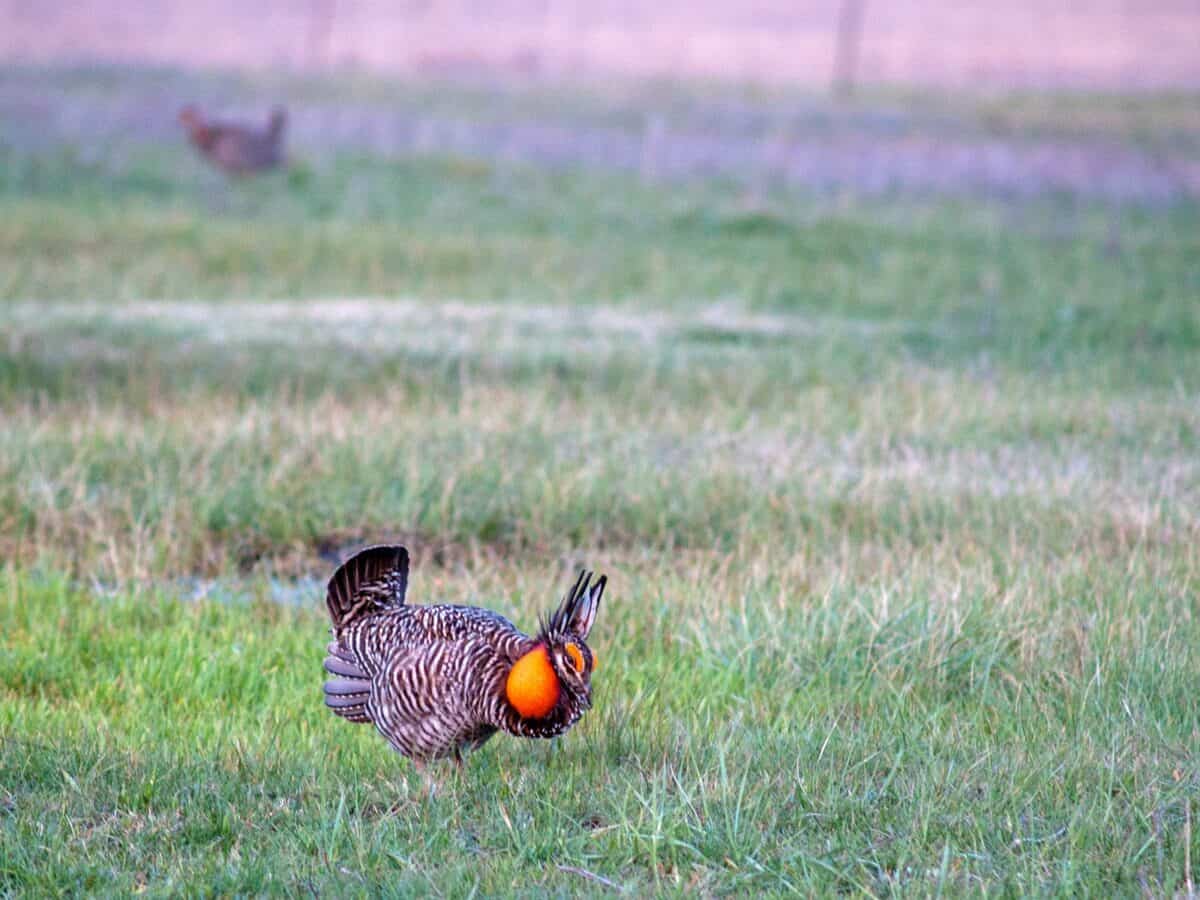
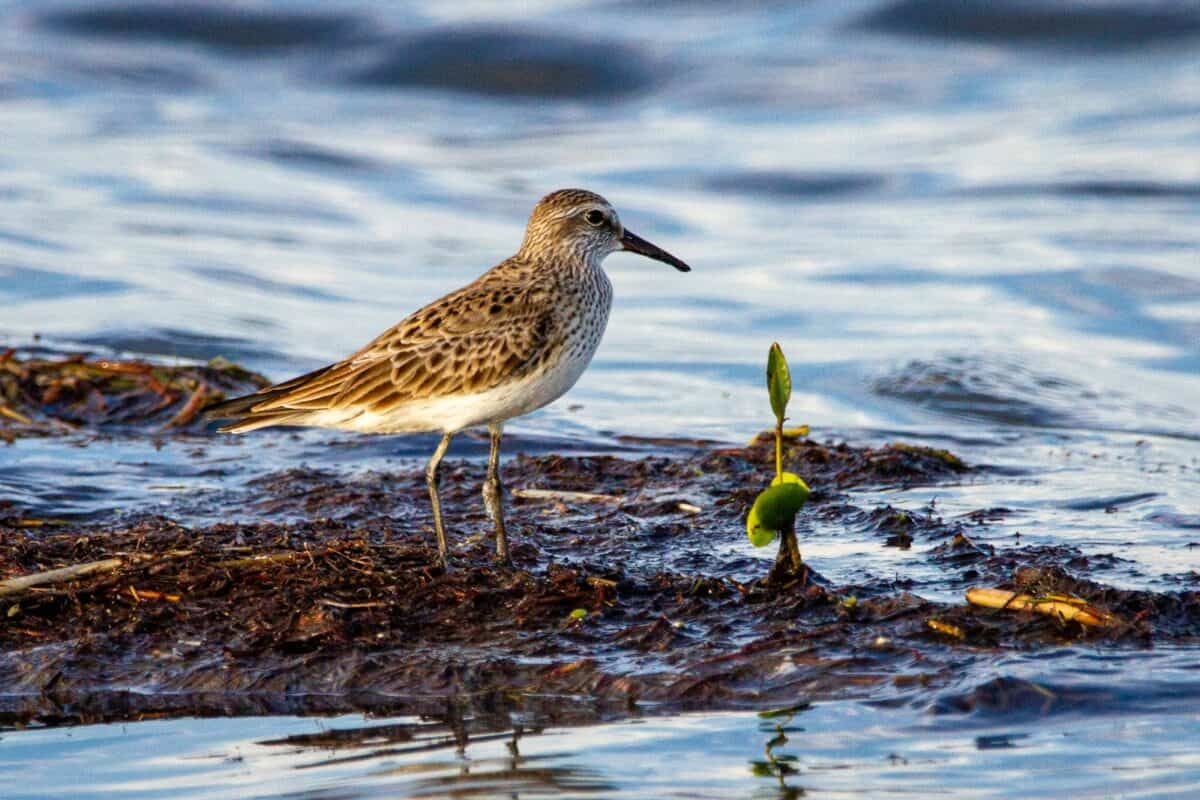
Grassland birds are some of the most distinctive inhabitants of Nebraska’s prairies. Species such as the Greater Prairie-Chicken and Upland Sandpiper thrive here. These birds have adapted to the prairie environment, relying on its vast expanses of grass and scattered shrubs for nesting, feeding, and protection from predators.
Wetlands and Riparian Niches

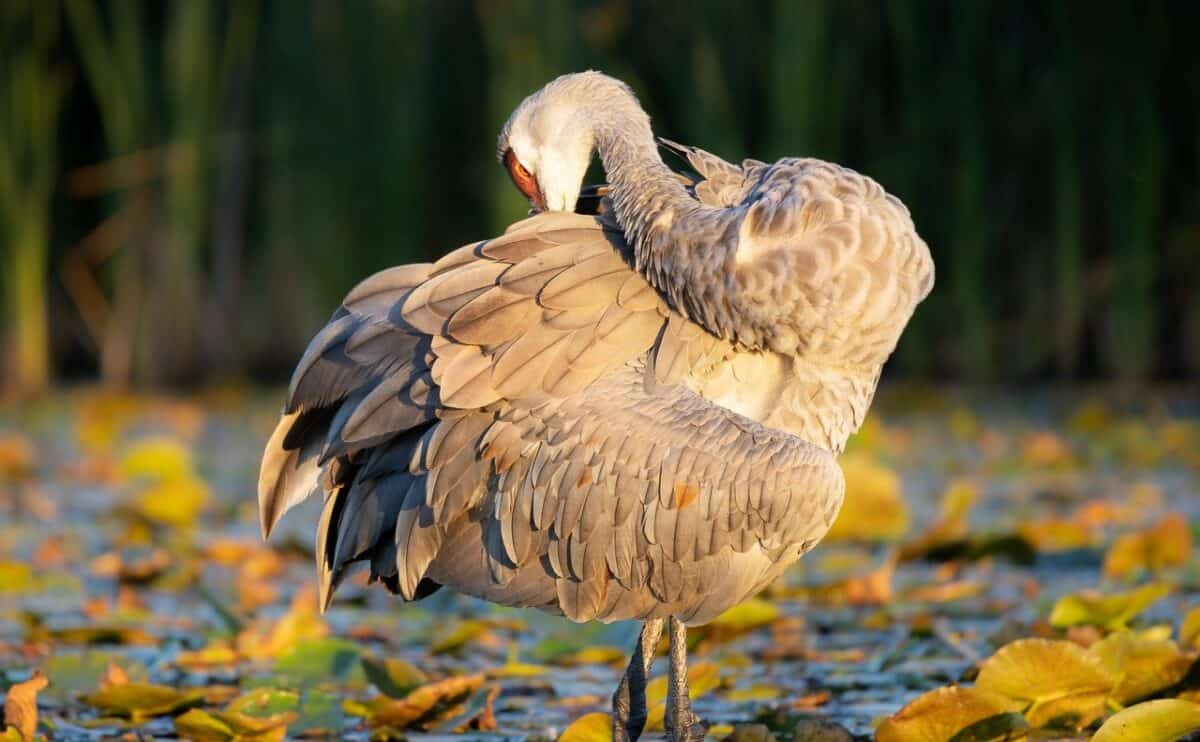
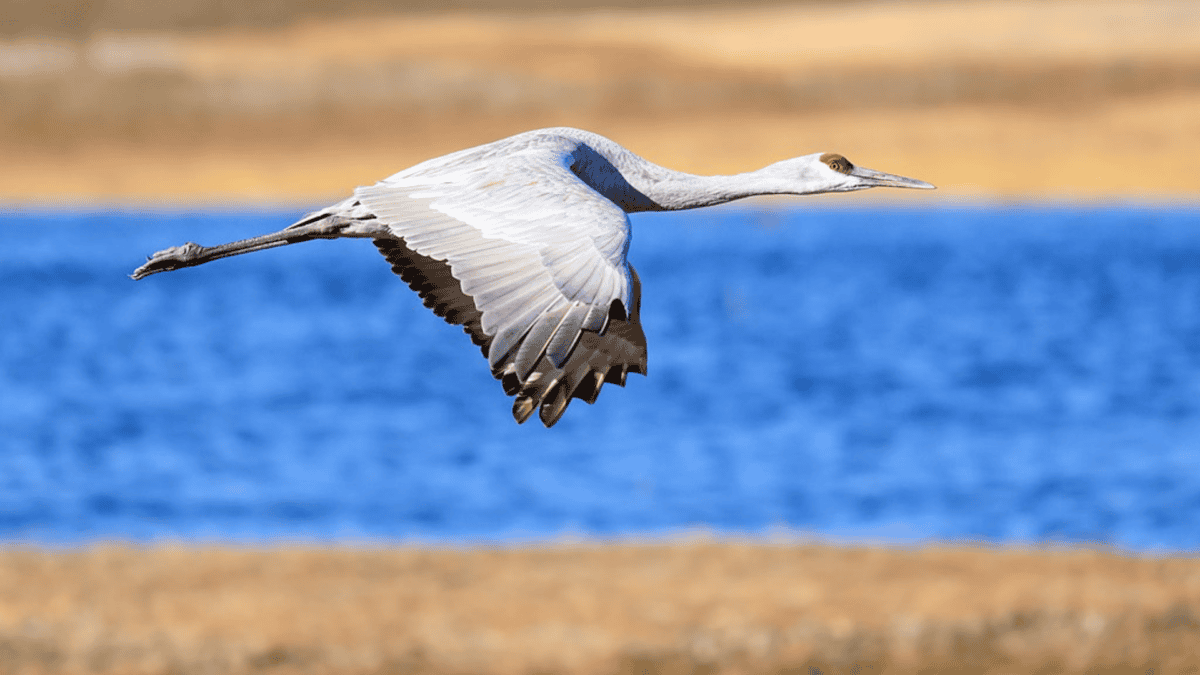
Apart from the grasslands, Nebraska’s prairies include wetlands and riparian zones which add to their ecological richness. These wet areas support species like the Sandhill Crane, known for its remarkable annual congregation in the Platte River valley. Such wetlands provide essential resources like food and breeding grounds for these waterfowl and shorebirds.
Seasons of Change: Phenological Aspects

The changing seasons greatly influence the bird populations in Nebraska’s prairies. Spring sees a surge of migratory species arriving, while summer is the peak breeding season. Fall brings another wave of migrations as birds head south, and winter, though quieter, houses hardy species capable of withstanding the cold.
Hardy Ecosystem: Flora Supports Fauna
The flora of Nebraska’s prairies is as varied as its avian inhabitants, with native grasses and wildflowers playing a key role in sustaining the ecosystem. Plants like bluestem grass and switchgrass offer seeds, while the presence of insects provides a rich food source for insectivorous birds. This biodiversity in plant life is crucial for maintaining the complex food web of the prairie.
Conservation Efforts: Protecting a Natural Heritage

Efforts to conserve Nebraska’s prairies are vital to maintaining their status as bird sanctuaries. Organizations and local communities are working together to curb habitat loss through strategies such as sustainable agriculture, controlled burns, and preservation of natural water cycles. These efforts aim to keep these ecosystems intact for future generations of birds and people alike.
The Role of Modern Agriculture
Modern agriculture presents both challenges and opportunities for the conservation of Nebraska’s prairies. While farming practices can lead to habitat fragmentation, they can also be aligned with conservation goals. Techniques like precision agriculture and conservation tillage help reduce environmental impact, promoting coexistence between farmland and prairie ecosystems.
Community Involvement and Education

Education and community involvement are key to sustaining the prairie ecosystems. Birdwatching festivals and citizen science projects have helped increase public awareness of the importance of preserving these environments. Schools and local organizations often participate in restoration projects, which bolster both community engagement and ecological health.
Technological Contributions in Bird Conservation

Technology has become a crucial tool in the study and conservation of Nebraska’s bird populations. Tracking devices like GPS tags, along with drone surveillance, provide valuable data regarding bird migration patterns and habitat use. This scientific data informs better management practices and supports targeted conservation efforts.
Challenges and Threats to Nebraska’s Prairies

Despite conservation efforts, Nebraska’s prairies face ongoing threats. These include climate change, which alters precipitation patterns and affects food availability; invasive species that can outcompete native plants; and ongoing land development pressures. Addressing these challenges requires adaptive management strategies and long-term commitment.
Looking Ahead: Sustainable Future for Birds and Prairies
The future of Nebraska’s prairies and their avian inhabitants will depend largely on conservation efforts and public support. With the increasing impact of climate change and human activities, it is imperative that we continue to embrace sustainable practices and bolster conservation initiatives. A combined approach that includes scientific research, policy change, and community engagement will pave the way for a thriving prairie ecosystem.
In conclusion, Nebraska’s prairies are a vital refuge for thousands of bird species, enriched by their diverse landscapes and supported by a community and scientific focus on conservation. By understanding and addressing the challenges they face, we can ensure that these extraordinary ecosystems continue to thrive as sanctuaries for both birds and nature enthusiasts alike.

- The Story of the Arctic Fox’s Incredible Seasonal Transformation - July 18, 2026
- 10 Most Venomous Snakes in US National Parks - July 18, 2026
- The Moth That Drinks Blood - July 18, 2026