

Forests have long been considered the lungs of our planet, playing a crucial role in carbon sequestration, oxygen production, and sustaining biodiversity. However, the recent accelerated growth of certain U.S. forests has been a topic of intrigue and optimism among ecologists and environmentalists. This unexpected phenomenon has sparked curiosity about the underlying factors contributing to this growth and its implications for climate change mitigation and ecological balance.
The Phenomenon of Accelerated Forest Growth

In recent years, satellite imagery and field studies have revealed that some U.S. forests are growing at an unprecedented rate. These forests are characterized by increased biomass, taller trees, and more dense foliage, suggesting an uptick in growth speed and efficiency. This surge in growth offers a beacon of hope in the fight against climate change, as forests act as significant carbon sinks, absorbing carbon dioxide from the atmosphere.
Regions Experiencing Unexpected Growth

While several regions in the U.S. are witnessing this growth spurt, the Southeastern United States has experienced particularly notable increases. Forests in states like Alabama, Georgia, and South Carolina have demonstrated remarkable vigor, with tree species such as pine and oak leading the charge in growth acceleration. These regions, already known for their lush greenery, are transforming at a speed that has piqued the interest of researchers nationwide.
Climate Change as a Catalyst

One of the primary drivers of this accelerated forest growth is climate change itself. Warmer temperatures, extended growing seasons, and increased atmospheric CO2 levels have created conditions conducive to faster tree growth. While these factors raise concerns globally, they have inadvertently provided an opportunity for certain forests to thrive, albeit amidst the broader challenges posed by a warming planet.
The Role of Precipitation Patterns

Changes in precipitation patterns have also played a significant role in forest growth. Regions experiencing more abundant and regular rainfall have seen an uptick in tree growth rates, as water availability is critical to plant health and development. However, this pattern is not uniform across the U.S., with some areas facing the adverse effects of drought, highlighting the complexity of climate impacts.
The Significance of Soil Quality

Soil quality and health are fundamental to the growth of forests. In regions where soil has remained rich in nutrients, trees have access to essential minerals necessary for rapid development. Conservation efforts to preserve soil health through sustainable practices have helped maintain this vital resource, supporting the unexpected growth observed in these flourishing forests.
Human Influence and Management Practices
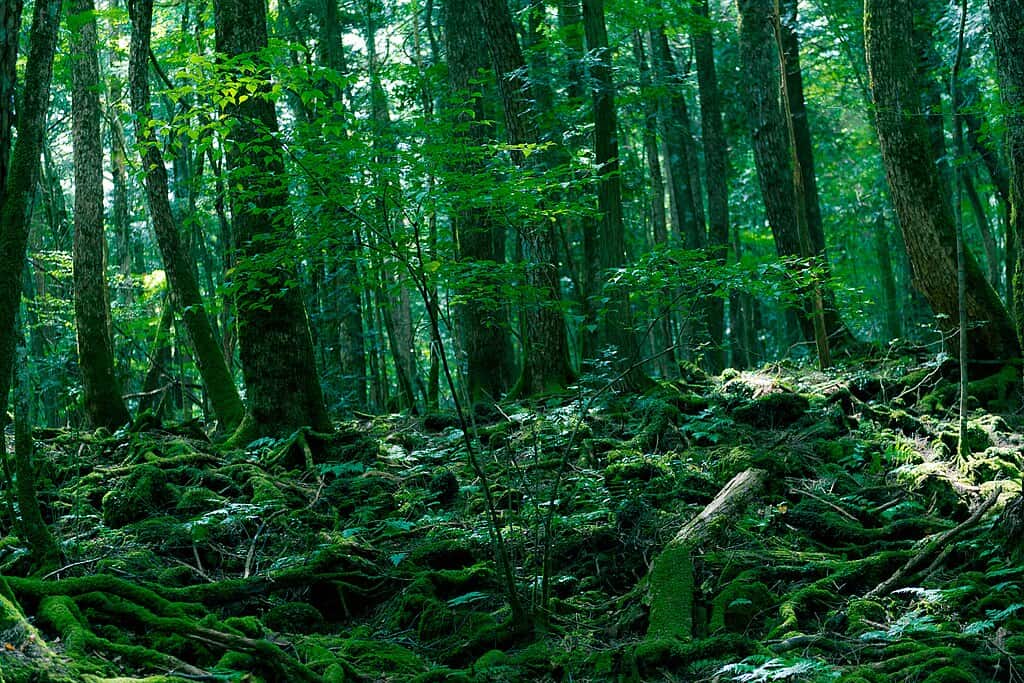
Proactive forest management practices have been instrumental in promoting growth. Controlled burns, selective logging, and reforestation initiatives have helped maintain ecological balance while fostering an environment where trees can grow efficiently. These practices have minimized threats such as pest infestations and overgrowth, allowing forests to thrive.
Biodiversity and Ecosystem Health

The proliferation of forests translates into a boon for biodiversity. A rapidly growing forest provides habitats for various flora and fauna, supporting a complex web of life that enhances the resilience of ecosystems. This biodiversity, in turn, contributes to forest health, creating a symbiotic relationship that amplifies growth potential.
Carbon Sequestration and Climate Mitigation

As these forests grow, their capacity to sequester carbon increases, offering a natural solution to mitigate climate change. Trees absorb carbon dioxide during photosynthesis, converting it into biomass and reducing atmospheric CO2 levels. The contribution of rapidly growing forests to carbon capture presents a compelling case for strategic forest conservation as part of climate policy.
Monitoring and Technology’s Role

Advancements in technology have been pivotal in monitoring forest growth. Remote sensing, drones, and sophisticated software models have allowed researchers to track growth patterns accurately, offering insights into the dynamics of forest ecosystems. This data-driven approach enables targeted interventions and informed decision-making in forest management.
Challenges and Threats to Sustained Growth

Despite the positive trends, these forests face numerous threats that could impede continued growth. Invasive species, disease, and potential shifts in climate patterns remain significant concerns. Sustained vigilance and adaptive management strategies are essential to protect these forested areas and ensure they continue to grow robustly.
The Future of The U.S. Forest

Looking forward, the focus on nurturing and expanding these exuberant forests offers a sustainable path to environmental well-being. Collaborative efforts involving government, local communities, and environmental organizations will be crucial in preserving these natural treasures. Capitalizing on their fast-growing nature opens opportunities not only for ecological balance but also for education and research into adaptive strategies for global environmental challenges.
Conclusion: A Green Beacon of Hope

The remarkable growth observed in U.S. forests serves as a beacon of hope amidst the pressing environmental challenges of our time. These forests exemplify the resilience of nature and demonstrate the potential for positive environmental change through thoughtful intervention and conservation efforts. By harnessing the benefits of this growth spurt, we might yet find a sustainable path forward in our ongoing battle against climate change.

- The Story of the Arctic Fox’s Incredible Seasonal Transformation - July 18, 2026
- 10 Most Venomous Snakes in US National Parks - July 18, 2026
- The Moth That Drinks Blood - July 18, 2026