


In the vast and vibrant tapestry of marine life, one creature stands out for its extraordinary approach to reproduction: the seahorse. Unlike anything else in the animal kingdom, male seahorses are tasked with the unique responsibility of pregnancy. This incredible role reversal not only highlights the wonders of evolution but also challenges our traditional understanding of reproductive roles. This article delves into the fascinating world of the seahorse, exploring how the males nurture the next generation and the implications of this remarkable process.
The World of Seahorses
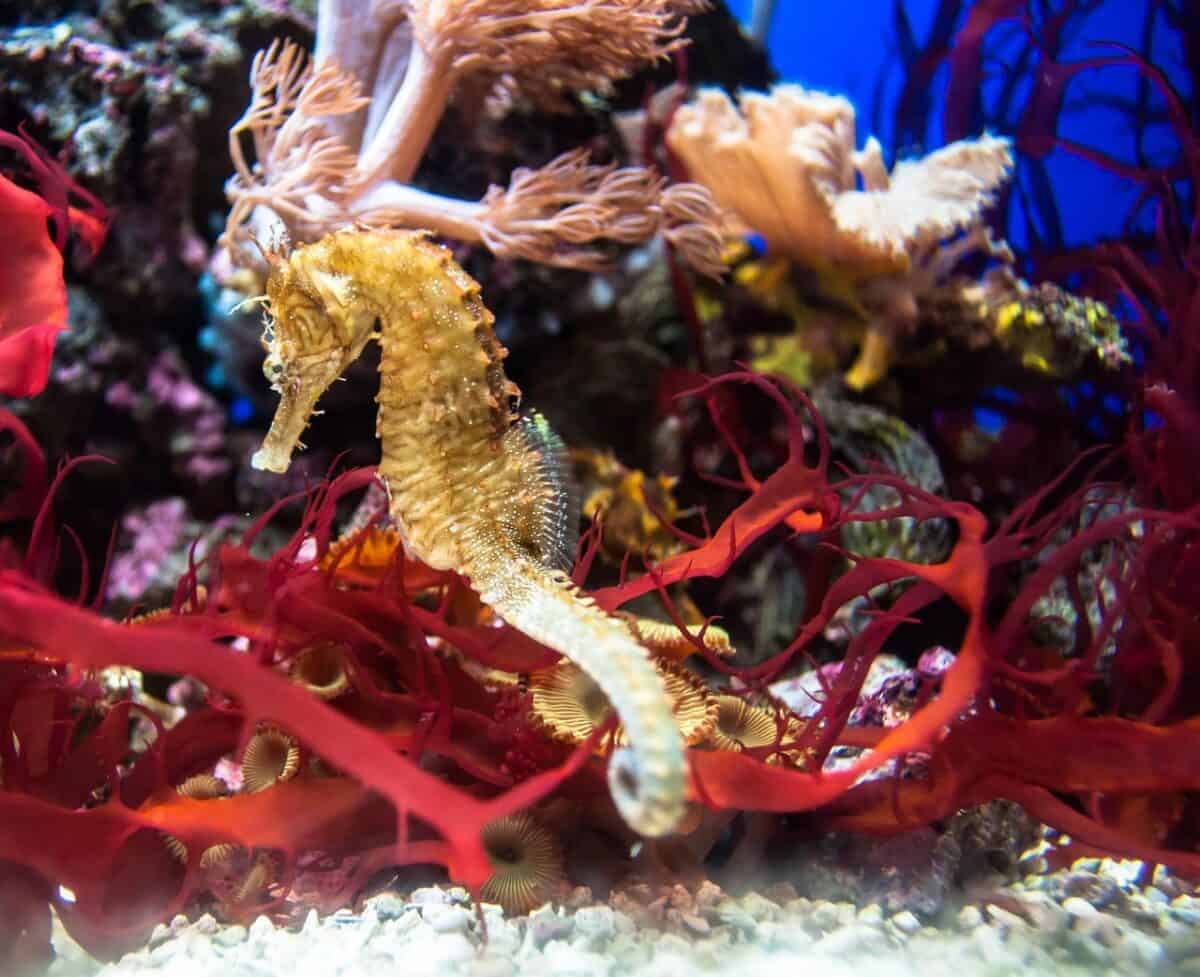
Seahorses belong to the genus Hippocampus, which comprises over 40 species spread across the world’s oceans. These enchanting creatures are primarily found in shallow coastal waters, particularly among coral reefs, seagrasses, and mangroves. Recognizable by their equine-like appearance, seahorses remain one of nature’s most intriguing marine species.
Understanding Seahorse Reproduction
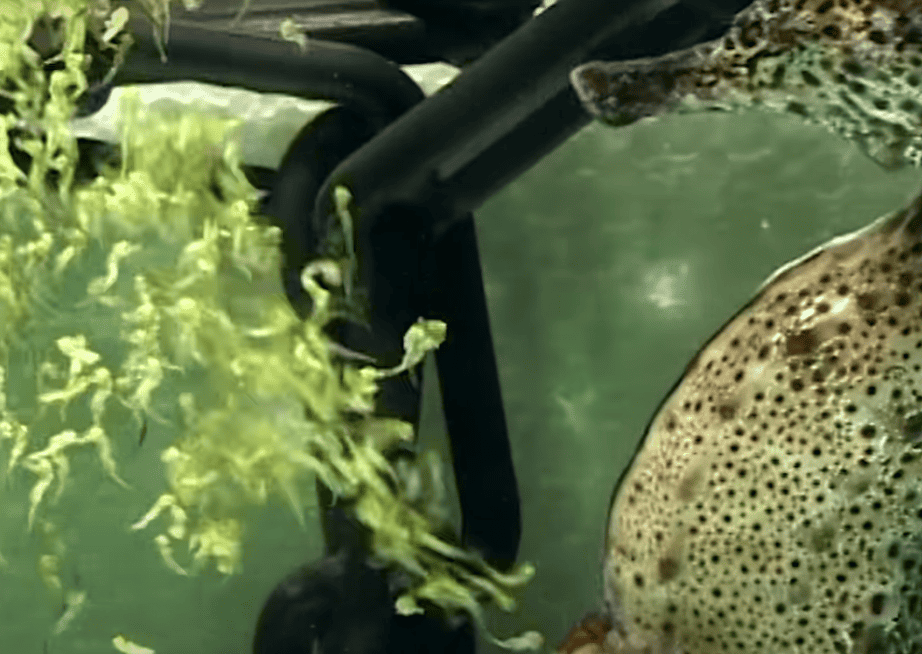
The reproductive process in seahorses is a fascinating departure from the norm. In many animal species, females typically carry and nurture the offspring until birth. However, seahorses boast an extraordinary system where the males take on the role of pregnancy, bearing the embryos in their specialized brood pouch.
The Courtship Ritual

Seahorse courtship is an elaborate dance of synchronized movements, lasting for hours, and sometimes days. This ritual involves color changes, tail holding, and coordinated swim patterns. The male seahorse initiates the courtship by performing these dances, and when the female reciprocates, they engage in a “courtship dance” which solidifies their bond and strengthens their pair-bonding.
Transfer of the Eggs
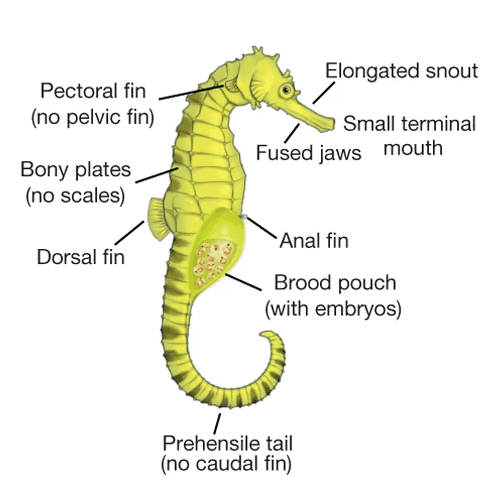
Following their courtship dance, the female deposits her eggs into the male’s brood pouch through an ovipositor. This transfer marks the beginning of the male pregnancy. The brood pouch, a structure similar to a mammalian uterus, is where the male fertilizes the eggs internally and provides nourishment throughout their development.
The Miracle of Male Pregnancy
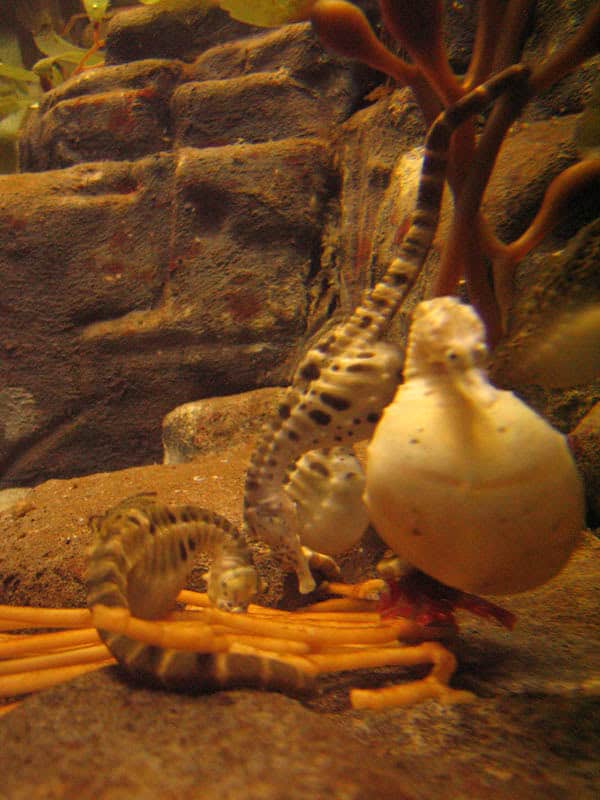
Within the safe confines of the brood pouch, the male seahorse fertilizes the eggs and provides them with a nutrient-rich environment essential for their growth. The pouch regulates temperature, blood flow, and salinity, offering ideal conditions that mimic the natural marine habitat.
How Long is the Seahorse Pregnancy?
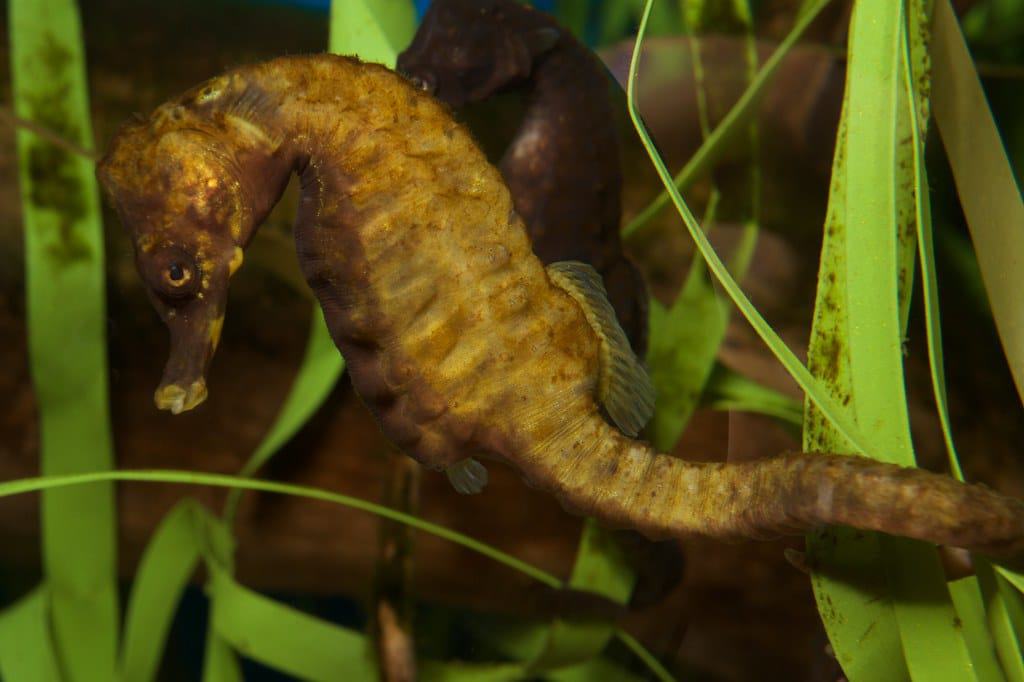
The gestation period for male seahorses varies by species but typically lasts between 10 days to six weeks. During this period, the embryos develop into fully functional young, complete with distinct eyes, fins, and prehensile tails. The complexity of their development within the pouch is akin to that observed in mammals.
The Birth Process

Upon completion of the gestation period, the male seahorse goes through a birthing process often described as laborious as that experienced by mammals. Muscular contractions expel the fully-developed juvenile seahorses into the surrounding water. The juvenile seahorses, also known as fry, are miniature replicas of their parents and begin life independent of direct parental care.
The Adaptive Advantage
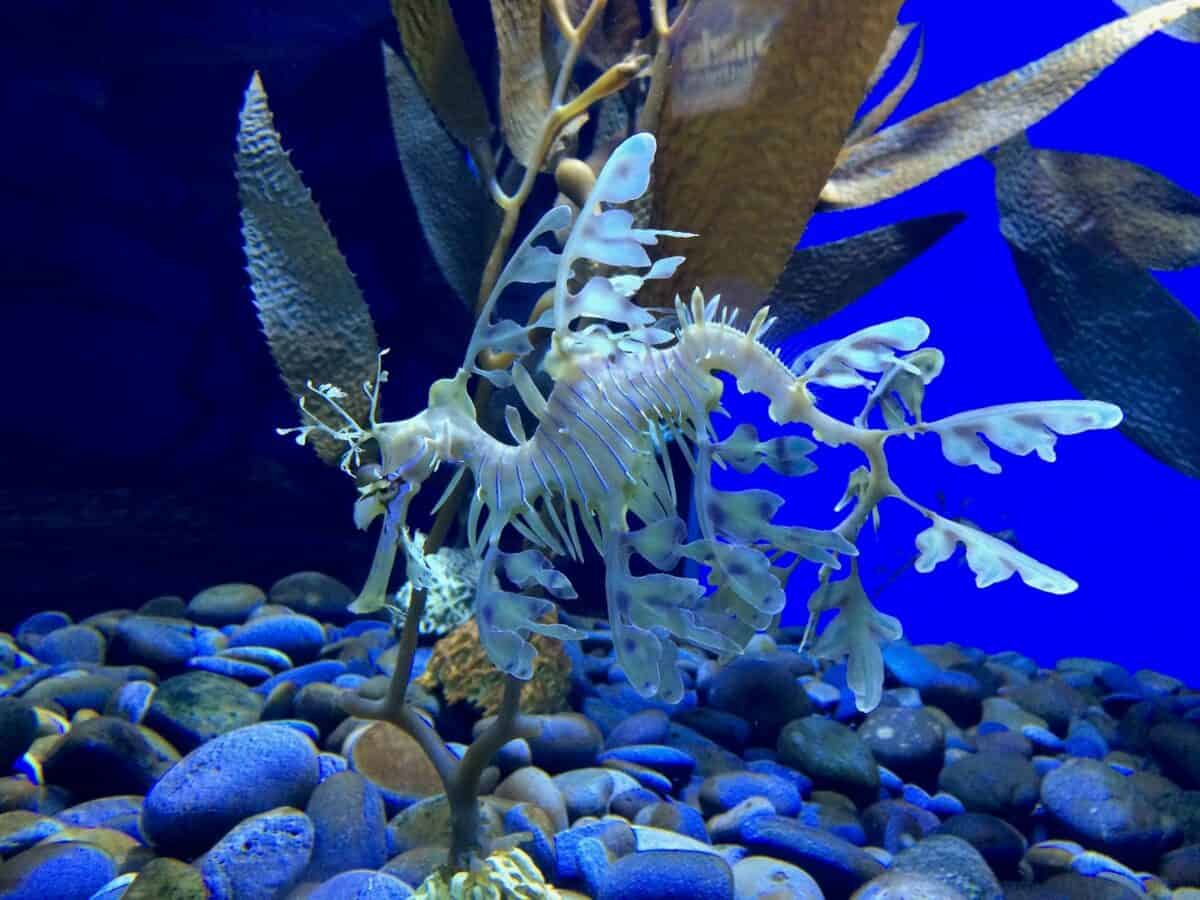
This unconventional approach to reproduction confers several adaptive advantages. By carrying the offspring, the male frees up the female to produce more eggs quickly, thereby potentially increasing the reproductive rate. This division of parental roles is also thought to strengthen pair bonds and reduce predation risks on early developmental stages.
The Role of Seahorses in Ecosystems
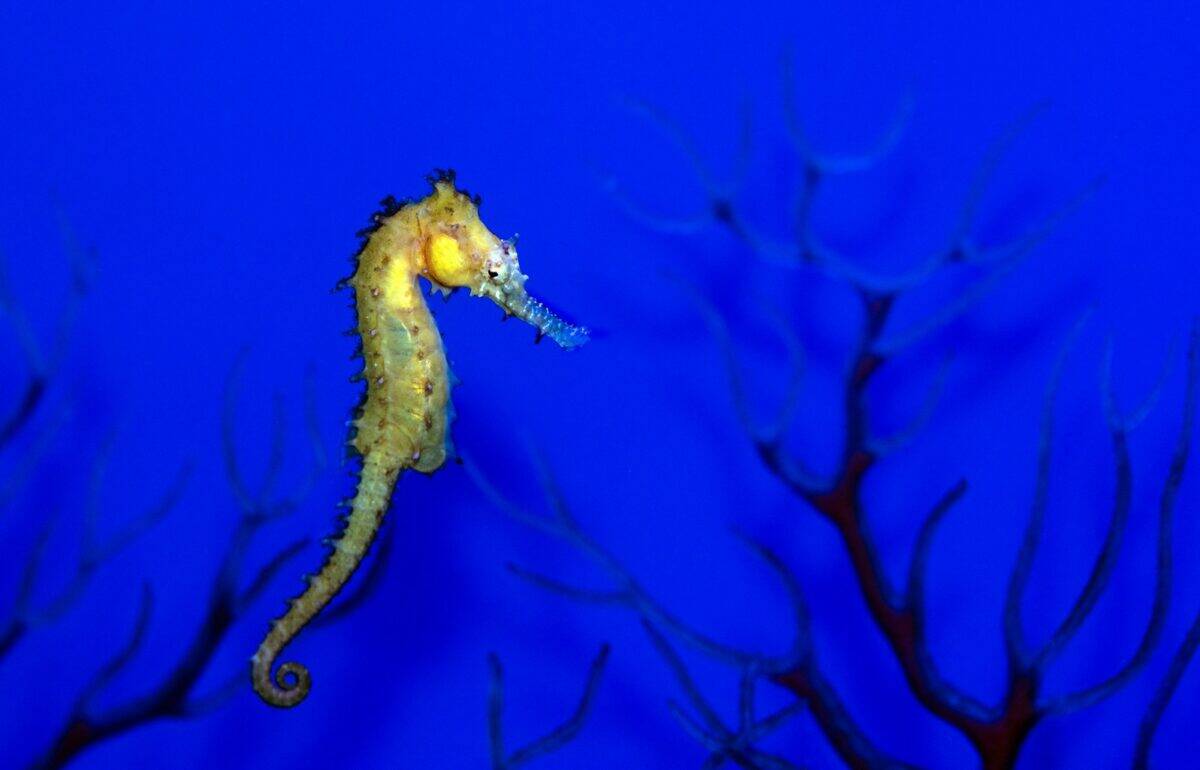
Seahorses play a vital role in marine ecosystems. As predators of small crustaceans, they help maintain population balance within their habitats. Their presence is an indicator of healthy sea grass beds and reef ecosystems, underscoring their ecological importance.
Conservation Challenges

Despite their ecological significance, seahorses face numerous challenges. Habitat destruction, pollution, and overfishing for the traditional medicine trade threaten their existence. Conservation efforts, such as habitat protection and sustainable fisheries practices, are critical for their survival.
The male seahorse pregnancy is a testament to nature’s endless ingenuity. This fascinating role reversal not only showcases the diversity of life but also offers insights into the complex dynamics of evolutionary biology. As we marvel at the wonders of the seahorse, it is imperative to protect and preserve the delicate balance of marine environments that support such unique life forms, ensuring they continue to enchant future generations.

- Cuddling for Warmth: How Meerkats Stay Cozy - July 18, 2026
- This U.S. Lake Is Mysteriously Disappearing—Here’s What Scientists Say - July 18, 2026
- This Jellyfish Hunts in Packs - July 18, 2026