


Bison are more than just iconic symbols of the American plains; they are complex and intriguing creatures with a world full of bizarre truths. Known for their massive size and majestic appearance, bison have recently captured public interest due to their conservation story and unique ecological role. Let’s delve into some of the most unusual facts about these fascinating mammals.
Bison Are Not Just American

While the American bison is the most well-known, there is also a European cousin, the wisent. Both species share common ancestors but have evolved differently over time. The wisent primarily roams the forests of Europe and is slightly smaller than the American bison. Despite geographic differences, both species face similar conservation challenges, underscoring the global need for preservation efforts.
A Relic of the Ice Age

Bison are one of the few large mammals that survived the Ice Age, offering a living glimpse into our planet’s prehistoric past. Their adaptability and resourcefulness allowed them to outlive many species of that era. This endurance is part of what makes bison a critical component of ecological studies on adaptation and survival.
Resilient Ecosystem Engineers

These massive creatures play a critical role in their environments as they graze and wallow, effectively shaping the landscape. By doing so, bison help maintain the diverse habitats essential for other species. Their grazing patterns control plant growth and create a mosaic of grassland that supports insects, birds, and small mammals, earning them the title of ‘ecosystem engineers.’
A Historic Recovery

Once numbering in the millions across North America, bison were nearly hunted to extinction in the 19th century. Their stunning comeback from fewer than 1,000 individuals to a population of over half a million today is a testament to successful conservation efforts. This historic recovery not only preserved a species but also restored an intrinsic part of the North American heritage and ecosystem.
Not What You Think The Mislabeling of “Buffalo”

Many people commonly refer to bison as buffalo, but this is a misnomer. True buffalo are native to Africa and Asia, while bison are indigenous to North America and parts of Europe. This mislabeling stems from early European settlers who mistakenly called them buffalo, likening them to the familiar animals of their homeland.
The Bison’s Enormous Size

Bison are the largest land mammals in North America, weighing up to 2,000 pounds and standing six feet tall at the shoulder. Despite their size, they are capable of impressive bursts of speed up to 35 miles per hour. This combination of power and agility is crucial for their survival, allowing them to escape predators and travel vast distances.
Bison are Surprisingly Agile

It may be hard to believe, but despite their colossal size, bison are highly agile animals. They can jump as high as six feet vertically and have the ability to swim across rivers effortlessly. These skills are essential for navigating the varied terrains they inhabit, from open plains to lush riverbanks.
Deep, Grumbling Voices

Bison communicate using a variety of vocalizations, the most notable being deep, grumbling noises. These vocalizations serve multiple purposes, from alerting the herd to potential dangers to asserting dominance or coordinating movement. Understanding these sounds is crucial for biologists studying their behaviors and social structures.
They Are Seasonal Color Changers
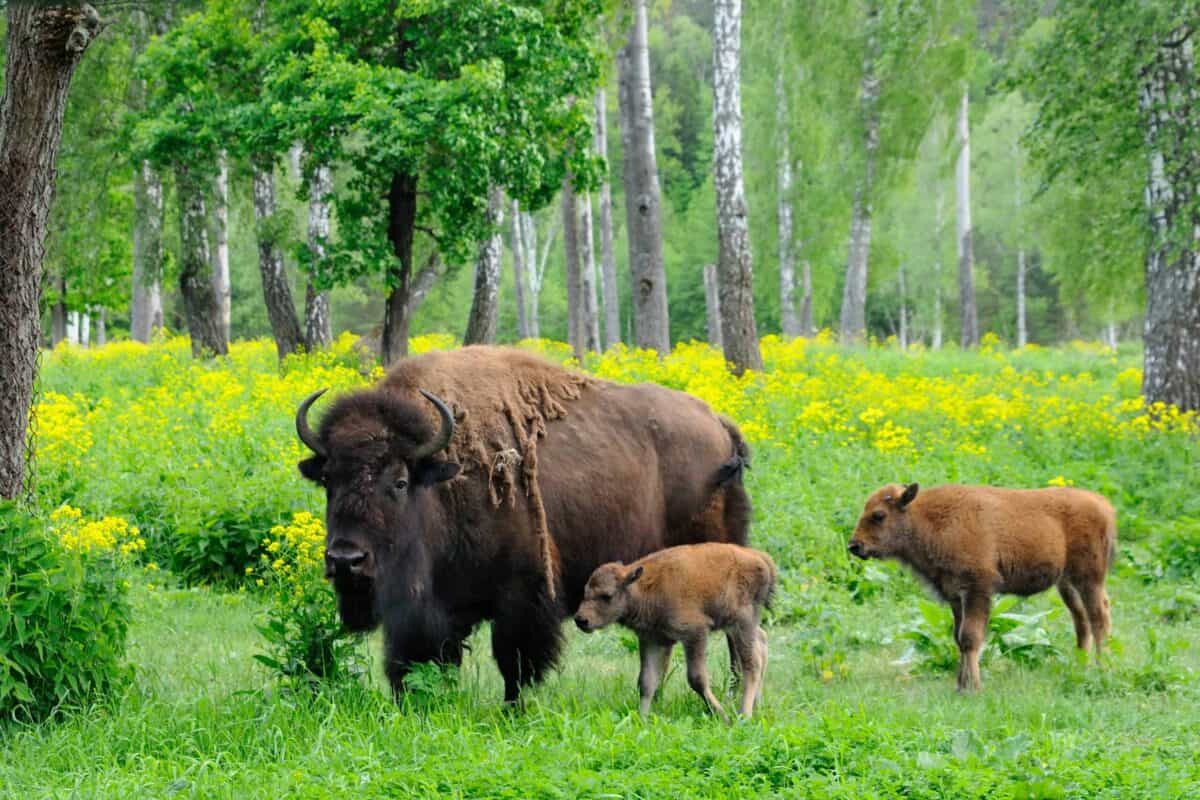
Another interesting aspect of bison is their coat, which changes colors with the seasons. In the winter, their coat becomes darker and thicker to provide warmth, whereas in the summer, it becomes lighter and thinner. This natural adaptation helps them regulate their body temperature across different climates.
A Unique One-Time Jaw Movement
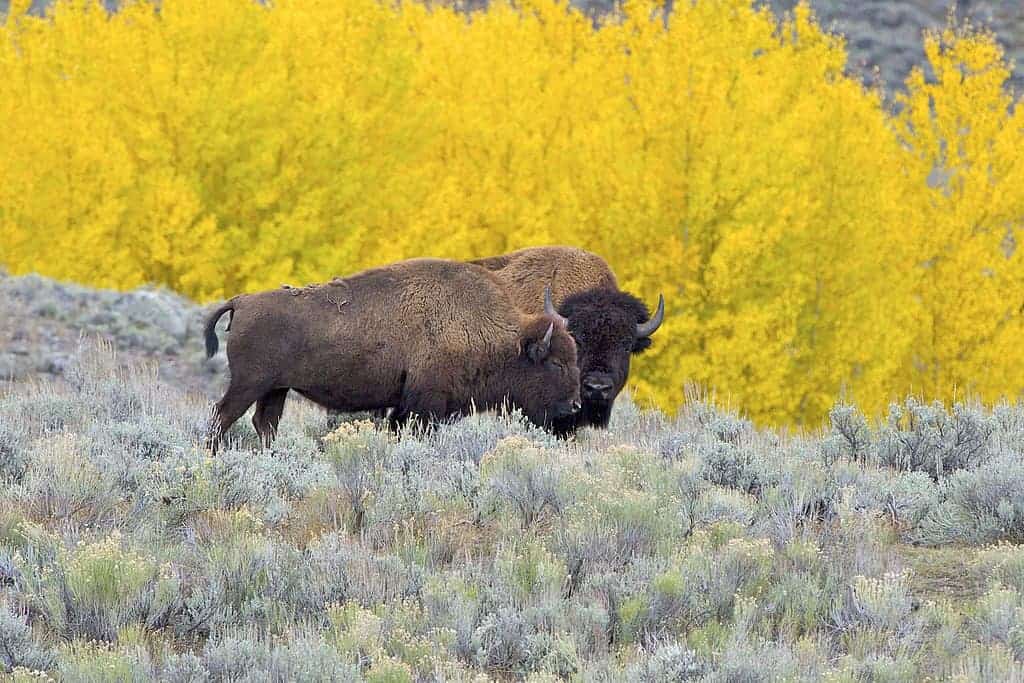
Bison have a distinctive jaw movement when they chew, known as the ‘figure-eight.’ This unique motion efficiently grinds down tough plant materials and aids in digestion. Observing this movement provides insight into their diet and how they process various types of vegetation in their environment.
Living in Complex Social Systems

Bison live in matriarchal groups composed of females and their offspring, while males usually form smaller, all-male groups. During the mating season, these groups come together, and social dynamics can include complex behaviors such as head-butting contests to establish dominance. These social structures play a key role in maintaining herd stability and ensuring successful breeding and rearing of young.
Bison as Cultural Icons

Bison hold a significant place in the cultural heritage of many Indigenous tribes in North America, symbolizing strength, resilience, and abundance. They feature prominently in folklore and are integral to ceremonies and traditions, highlighting their importance beyond ecological contributions.
Conclusion:

Bison are incredible creatures with a rich history and a pivotal role in the ecosystems they inhabit. From their impressive size and agility to their complex social behaviors and cultural significance, bison are more than merely the kings of the plains. Understanding their unique traits helps ensure their continued conservation and the protection of the natural environments they help sustain. Let us celebrate these magnificent animals and commit to preserving their legacy for future generations.

As a little kid, I fell in love with nature, wildlife, and animals. Living in the USA, South Africa, Italy, China and Germany gave me the opportunity to discover the world's Wildlife. My favorite animals are Mountain Gorillas, Siberian Tigers, and Great White Sharks.
I'm a certified PADI Open Water Diver, went to Everest Base Camp and Trekked Gorillas in Uganda. I hold a Master of Science in Economics and Finance.
Please send any feedback to feedback@animalsaroundtheglobe.com
- 10 Dogs That Love to Run And 3 That Prefer the Couch - July 21, 2026
- 15 Spider Adaptations That Defy Logic - July 21, 2026
- 13 Cat Breeds That Get Along with Dogs - July 20, 2026