


Every year, countless animal species face the threat of extinction, driven largely by the illegal wildlife trade. This global issue not only harms biodiversity but also threatens the ecological balance essential for our planet’s health. Fortunately, there are numerous ways in which individuals can contribute to combating wildlife trafficking. By understanding the intricacies of this crisis and taking proactive steps, we can all play a role in safeguarding the future of the natural world.
The Scope of Wildlife Trafficking

Wildlife trafficking is a multibillion-dollar industry that ranks as the fourth largest illegal trade globally, following drugs, arms, and human trafficking. This illicit activity spans continents, with animals and animal products transported across borders to satiate demand. Tigers, elephants, rhinos, and exotic birds are among the most targeted species, with poachers and traffickers profiting massively at the expense of biodiversity.
Impact on Biodiversity

The illegal wildlife trade severely impacts biodiversity. Many species face the risk of extinction due to overexploitation. The loss of any single species has a cascading effect on ecosystems, affecting everything from plant pollination to the food web. Protecting wildlife ensures the preservation of our natural heritage and the health of our global ecosystems.
Legal Frameworks in Place

International frameworks like the Convention on International Trade in Endangered Species of Wild Fauna and Flora (CITES) play a crucial role in regulating wildlife trade. CITES is a treaty adopted by 183 countries to ensure that international trade in wild animals and plants does not threaten their survival. Strict enforcement of such laws is essential to deter the flow of illegal wildlife products.
Supporting Legitimate Conservation Organizations

One of the most effective ways to combat wildlife trafficking is to support organizations that are working on the ground. Wildlife conservation groups such as the World Wildlife Fund (WWF), Wildlife Conservation Society, and the International Fund for Animal Welfare (IFAW) are instrumental in protecting species from illegal trade. Donations and volunteer work can significantly bolster their efforts in preserving wildlife habitats and supporting anti-poaching initiatives.
Avoiding Wildlife Products

As consumers, avoiding products derived from endangered species is crucial. This includes ivory, rhinoceros horn, and any items made from the skin, fur, or bones of protected animals. By reducing demand for these products, individuals can decrease the profitability of wildlife trafficking, discouraging poachers and traders.
Informing Others About the Issue
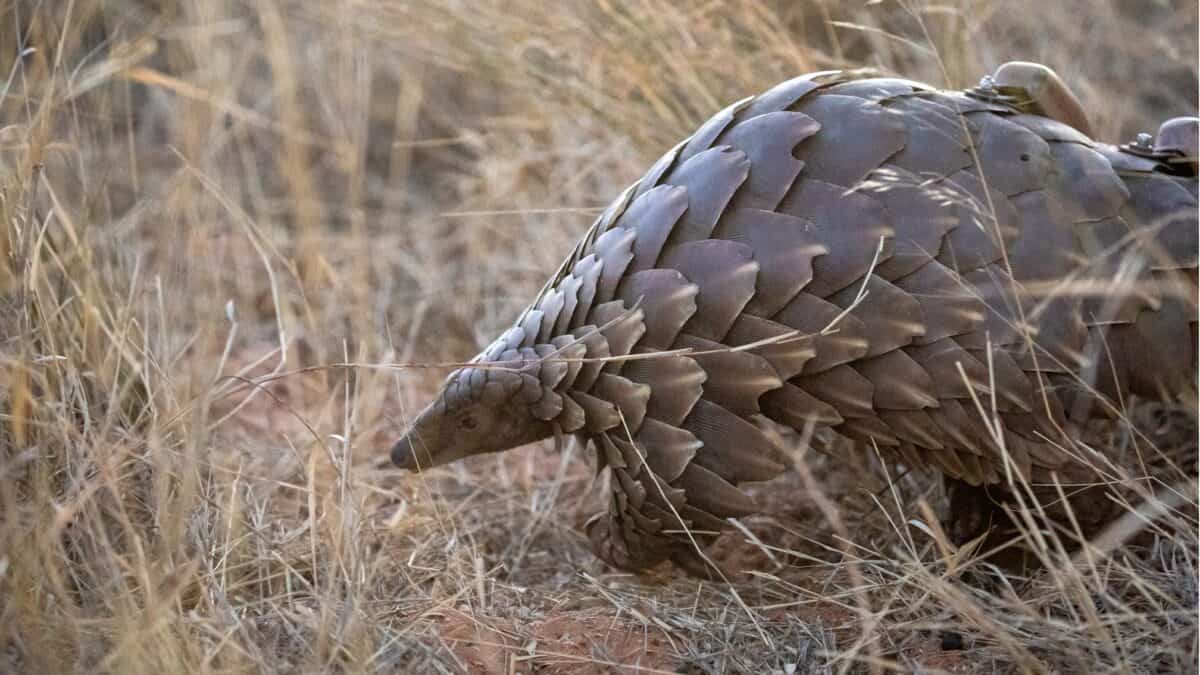
Raising awareness is key to galvanizing action against wildlife trafficking. Sharing information through social media, participating in community events, and discussing the topic with friends and family can help educate a broader audience. Knowledge is power, and an informed public is vital in the fight against illegal wildlife trade.
Reporting Suspicious Activities

If you encounter suspicious activities, such as the sale of wildlife products that seem illegal or dubious advertisements for exotic pets, report them to local authorities or environmental organizations. Many wildlife incidents go unreported, so vigilant citizens can make a substantial difference in the enforcement of wildlife protection laws.
Responsible Tourism
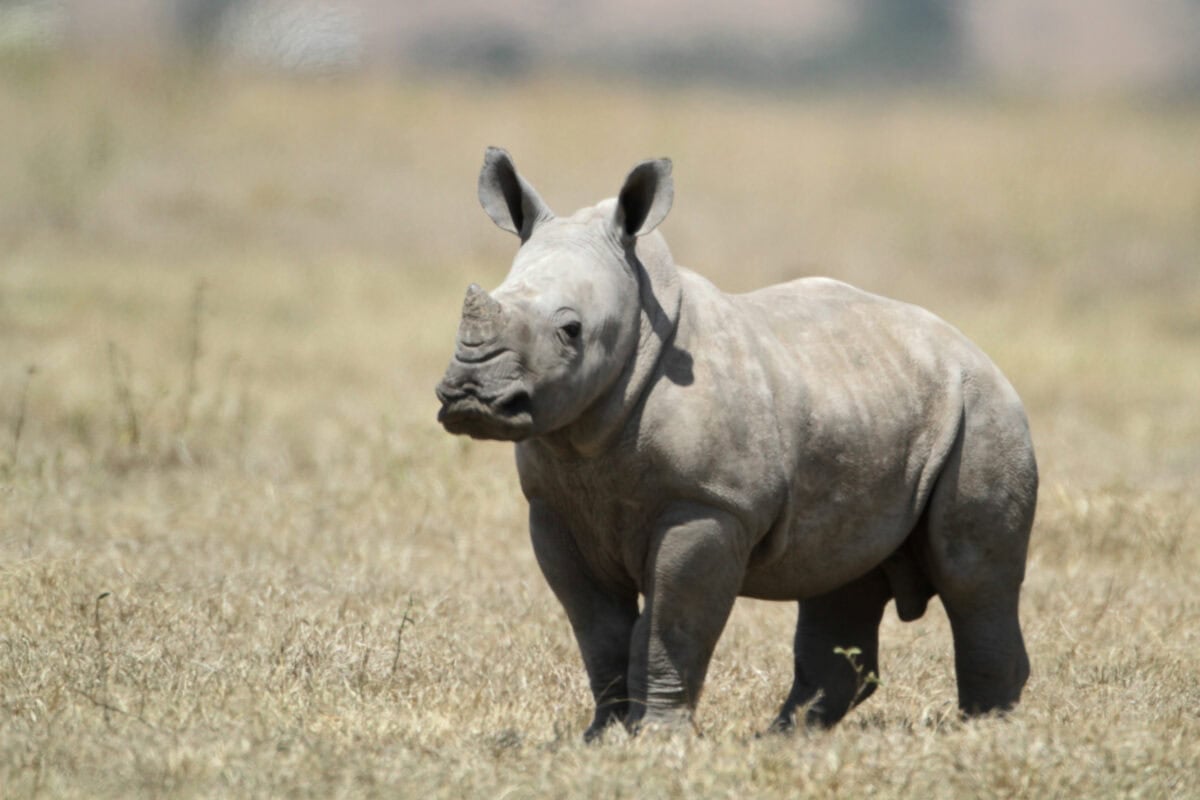
When traveling, be mindful of activities that capitalize on wildlife exploitation. Avoid attractions that allow interactions with captive wild animals or performances that involve animal abuse. Instead, opt for visiting sanctuaries and reserves where animals are protected and live in environments similar to their natural habitats.
Advocating for Stronger Legislation
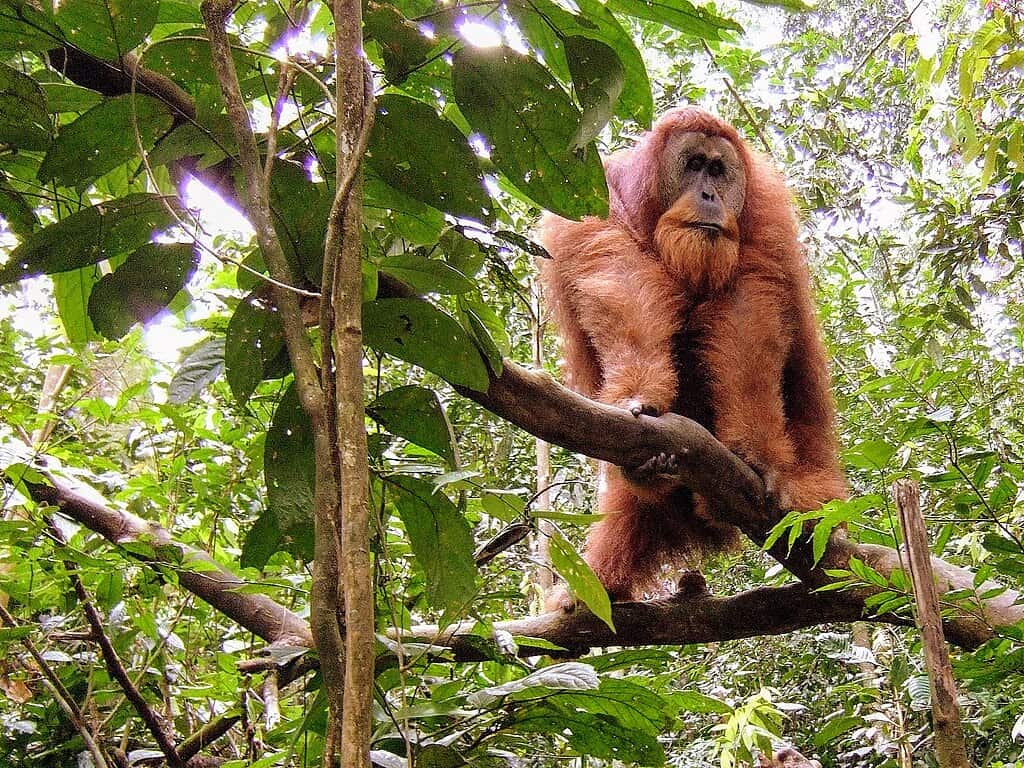
Advocacy for stronger regulations and enforcement policies is crucial. Contacting local representatives to express concern about wildlife protection laws and supporting policy initiatives that aim to curb illegal trade can drive legislative change. Public pressure can spur governments to implement more robust measures against wildlife trafficking.
Supporting Eco-friendly Choices

Lifestyle choices also contribute to the broader effort of wildlife conservation. Purchasing sustainable and eco-friendly products, reducing plastic use, and supporting ethical brands can mitigate the human footprint on wildlife and their habitats. This collective environmental mindfulness goes a long way in fostering a more sustainable relationship with our planet.
Engaging in Citizen Science

Participating in citizen science projects related to wildlife conservation can be a rewarding way to contribute. Apps and platforms that allow users to report sightings of wildlife or evidence of illegal trade help scientists and policymakers track and analyze data crucial for developing effective conservation strategies.
Educating the Next Generation

Empowering the next generation with knowledge about wildlife conservation is essential for long-term change. Encouraging children and young adults to learn about wildlife and its importance to ecological health sets the foundation for future advocates who will continue the fight against trafficking.
Conclusion
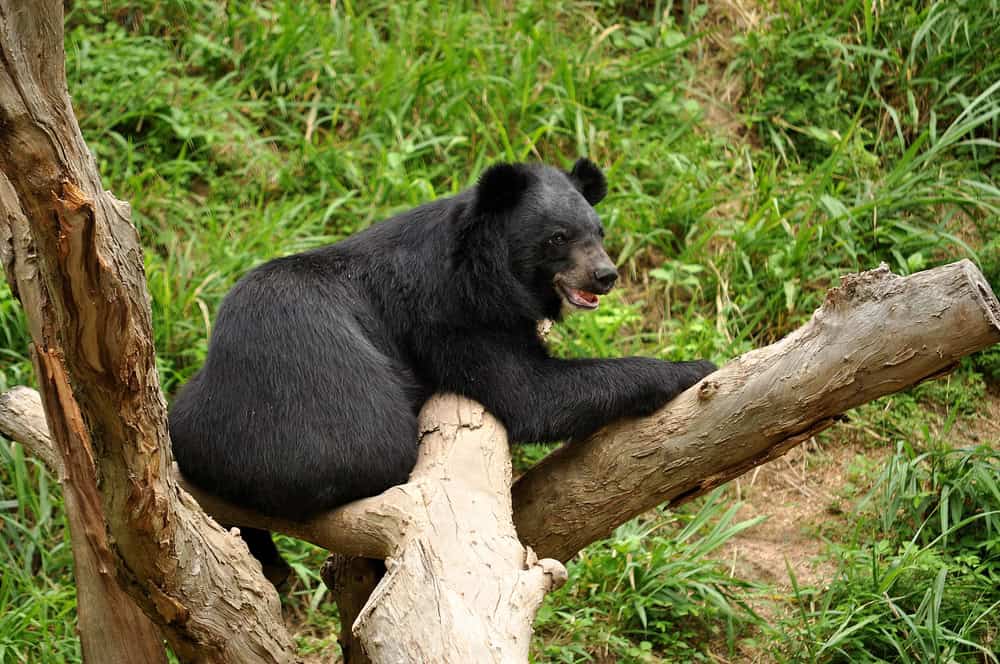
The fight against wildlife trafficking is a multifaceted challenge that requires global cooperation and individual commitment. By taking informed, intentional steps, we can all contribute to a future where wildlife can thrive free from the threat of illegal exploitation. Every small action counts in the collective effort to protect the irreplaceable diversity of life on our planet, ensuring that future generations inherit a world teeming with natural wonders.

From exploring the marine wonders in the Azores and witnessing the vast savannas of Kenya, to delving deep into the rich biodiversity of South Africa and traversing iconic landscapes in Australia and the US like Yellowstone, Chris's experiences are vast.
With a penchant for diving alongside sharks, the ocean holds a special place in his heart.
Through his academic insights, he champions wildlife conservation, striving with 'Animals Around The Globe' to cultivate a profound connection between humans and animals, enhancing our mutual appreciation.
Connect with him at Feedback@animalsaroundtheglobe.com.