


Parrots are among the most fascinating pet birds, known not just for their vivid plumage and mimicking abilities, but also for their complex social behaviors. One intriguing behavior that baffles many parrot owners is the tendency of these birds to choose a single favorite human from among the possible caretakers. This preference for a specific person can be both a source of joy and bewilderment for bird enthusiasts. Understanding this behavior involves delving into their natural instincts, bonding processes, and the dynamics of human-bird relationships.
The Social Nature of Parrots
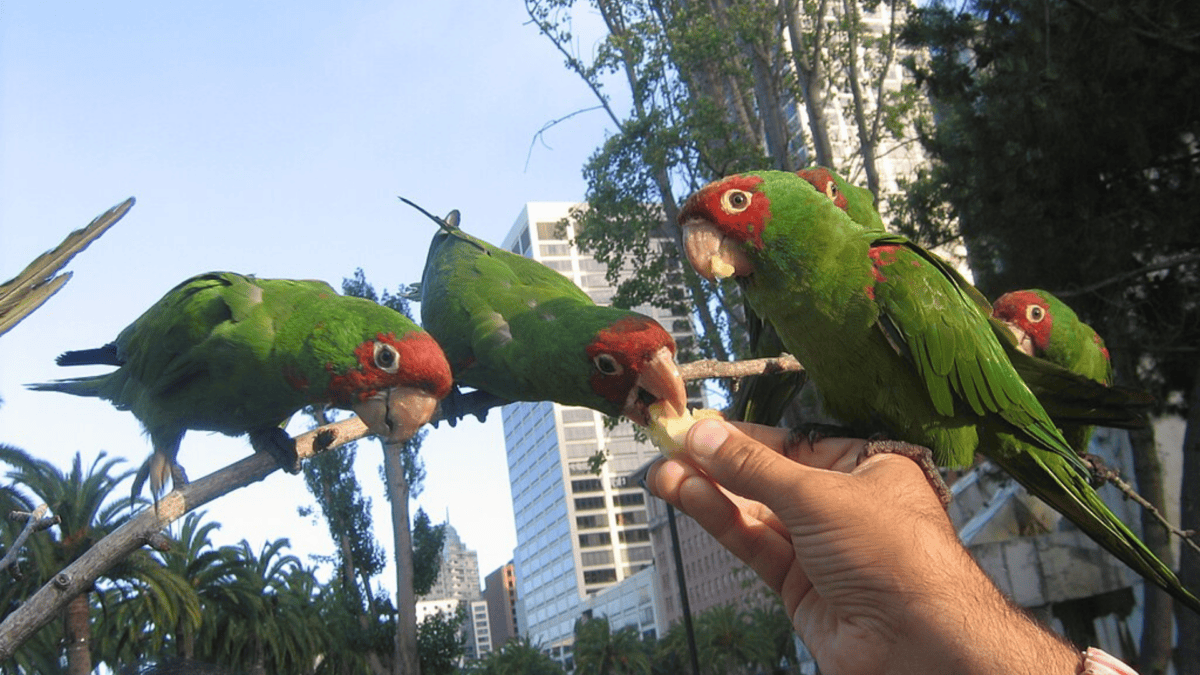
Parrots are inherently social creatures, native to environments where they live in large flocks. This social nature influences their interactions with humans when kept as pets. In the wild, parrots form close bonds with flock mates, which translates into the in-home setting as bonding with family members or caretakers. This bond is typically strong, reflecting the survival-patterned behaviors rooted in their biology.
The Role of Bonding in Parrot Behavior
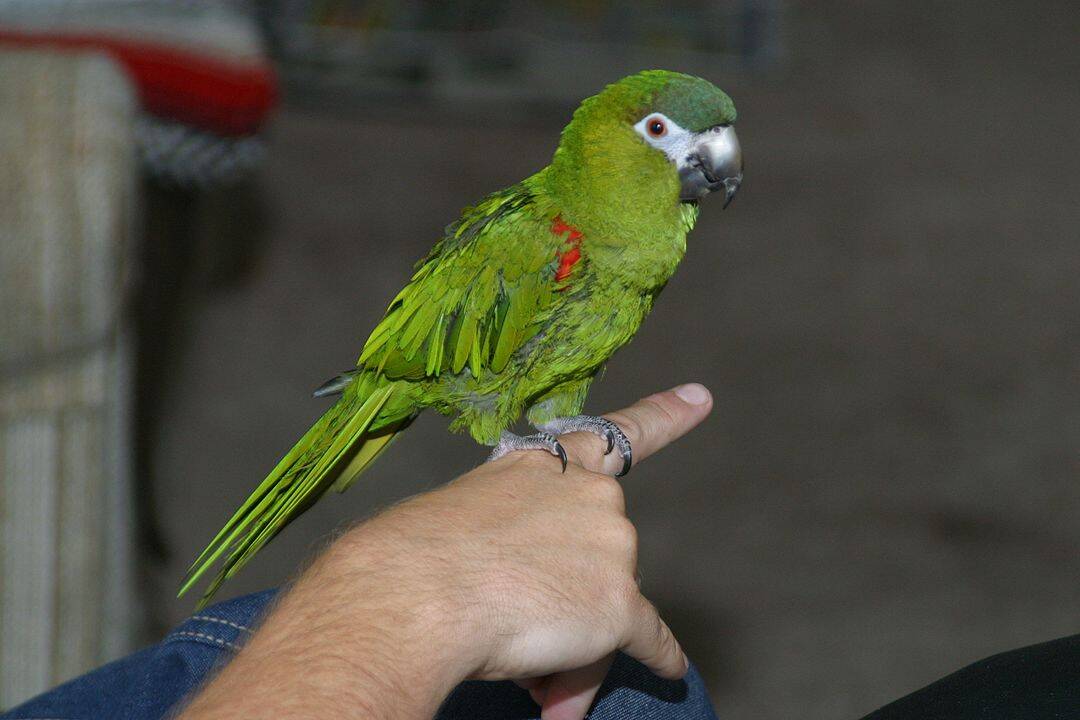
In the avian world, bonding is crucial for survival and reproduction. Parrots are known for their long-term pair bonding; they often choose a mate for life. This behavior is reflected in their interactions with humans as well, where they may choose a single individual to whom they devote their attention. This choice often depends on factors like the consistent presence of the individual, their role in providing care, and the depth of interactions.
Attachment to Primary Caregivers
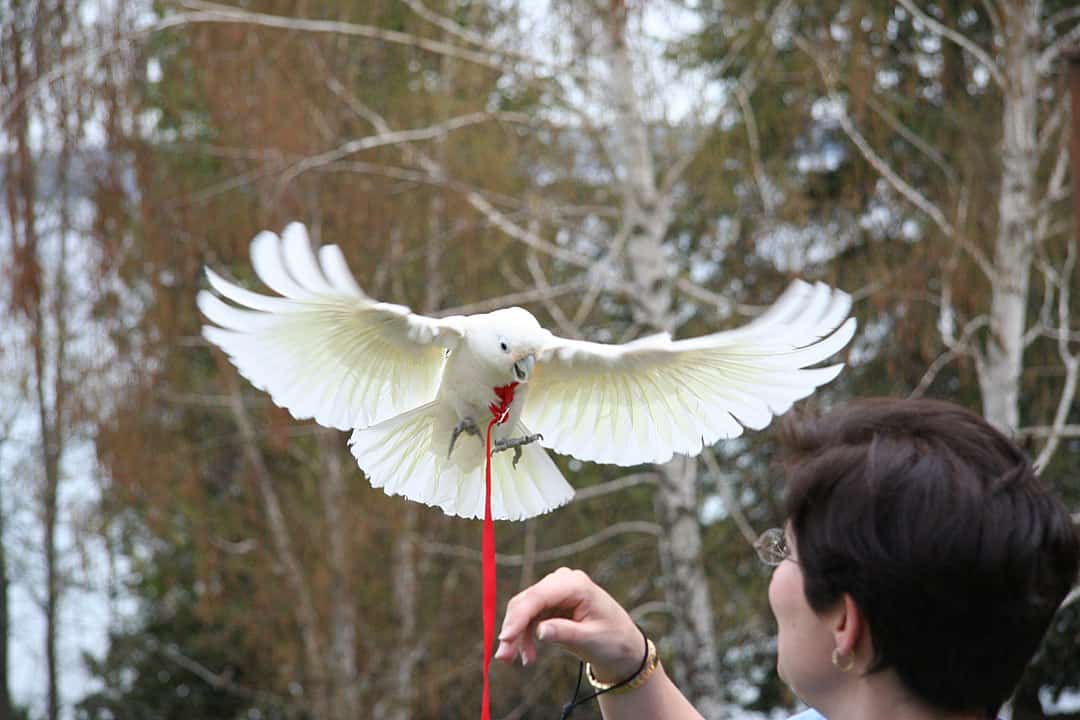
Parrots often exhibit a strong preference for the person who feeds them, cleans their cage, and interacts with them most frequently. This attachment stems from a survival instinct where, in a domestic setting, they form a bond with their primary provider. This bond can bring immense joy to the chosen person as the parrot returns affection and attention, making them feel special and appreciated.
The Effect of Personality Alignment

Much like humans, parrots have individual personalities, which can greatly influence their choice of a favorite person. Parrots may favor individuals whose personality traits align closely with their own. For instance, a calm and patient person may be favored by a shy or nervous parrot, while an active and playful human may appeal to a more adventurous bird.
Importance of Consistent Interaction

Consistent interaction plays a vital role in building trust and familiarity between parrots and humans. Parrots often develop a preference for individuals who spend the most time engaging with them through play, training, and socializing. This interaction not only helps in forming a close bond but is also essential for mental stimulation and emotional well-being of the parrot.
The Influence of Positive Reinforcement
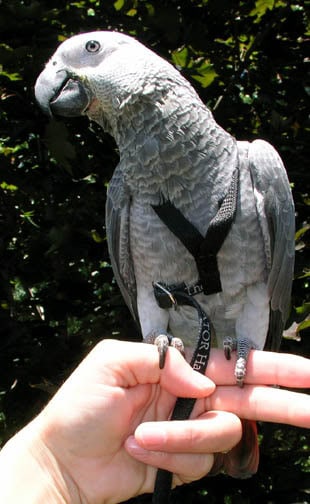
Parrots are intelligent creatures capable of forming associations between actions and results. Positive reinforcement, such as treats, praise, and gentle petting, can strengthen the bond between a parrot and its favorite human. This reinforcement encourages favorable behaviors and fosters a sense of trust and affection from the parrot towards the human.
Gender and Age Preferences

Some studies suggest that parrots might exhibit preferences based on gender and age similarities between themselves and their human companions. A parrot may show affinity toward individuals who resemble its previous owner or an influential figure from its developmental stage, translating early life experiences into domesticated settings.
The Role of Body Language
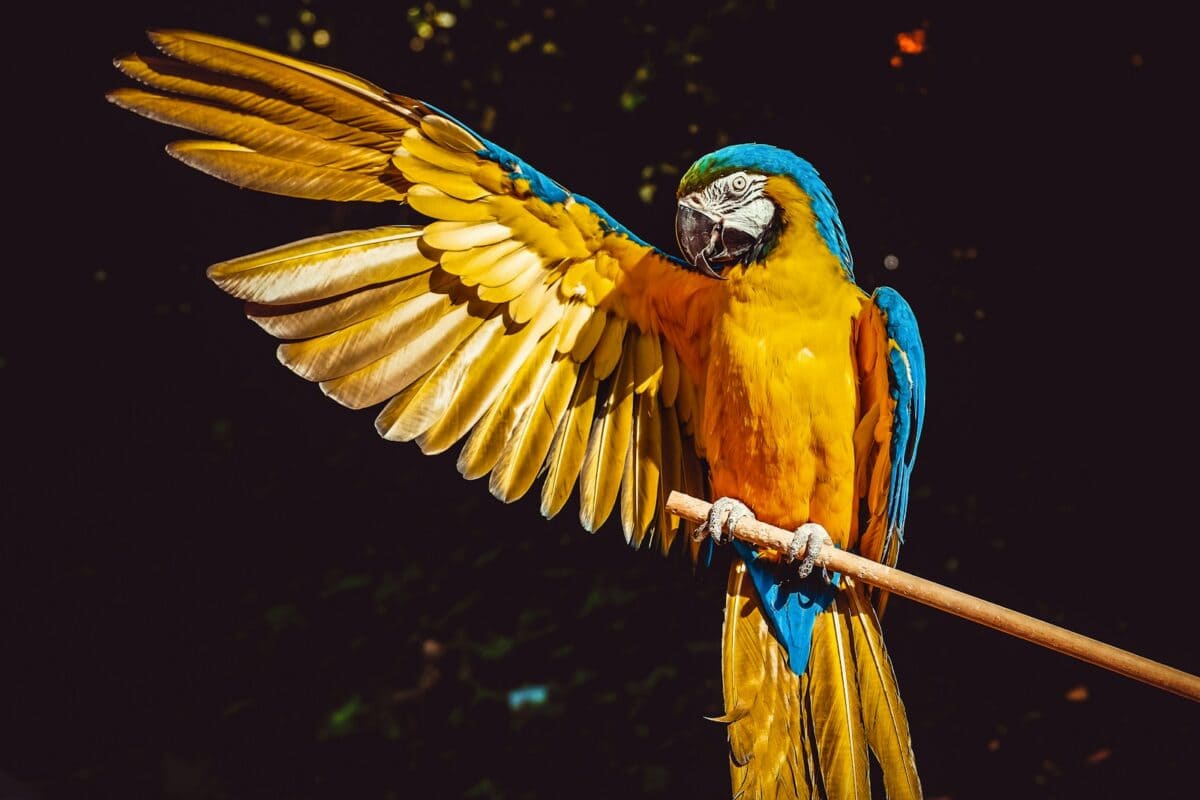
Parrots are highly perceptive of body language. They can often pick up on subtle cues and body signals from humans. A human who displays open, non-threatening body language and approaches the parrot calmly is more likely to become the bird’s favored person. Understanding a parrot’s body language also helps humans respond appropriately, further strengthening the bond.
Sensitivity to Stress and Anxiety

Parrots are sensitive creatures that can detect stress and anxiety in their environment. Humans who maintain a calm and stable demeanor are often more appealing to parrots, as they instinctively seek comfort and security from those they interact with. This sensitivity underscores the need for a stress-free environment in promoting a healthy parrot-human relationship.
The Impact of Early Socialization

A parrot’s early life socialization plays a significant role in its future interactions. Parrots that experience positive and varied human interactions as chicks are more likely to form bonds with humans later in life. Early socialization helps parrots feel more comfortable and confident around humans, increasing their sense of trust and affinity towards individuals who engage with them consistently.
Dealing with Jealousy in Parrots
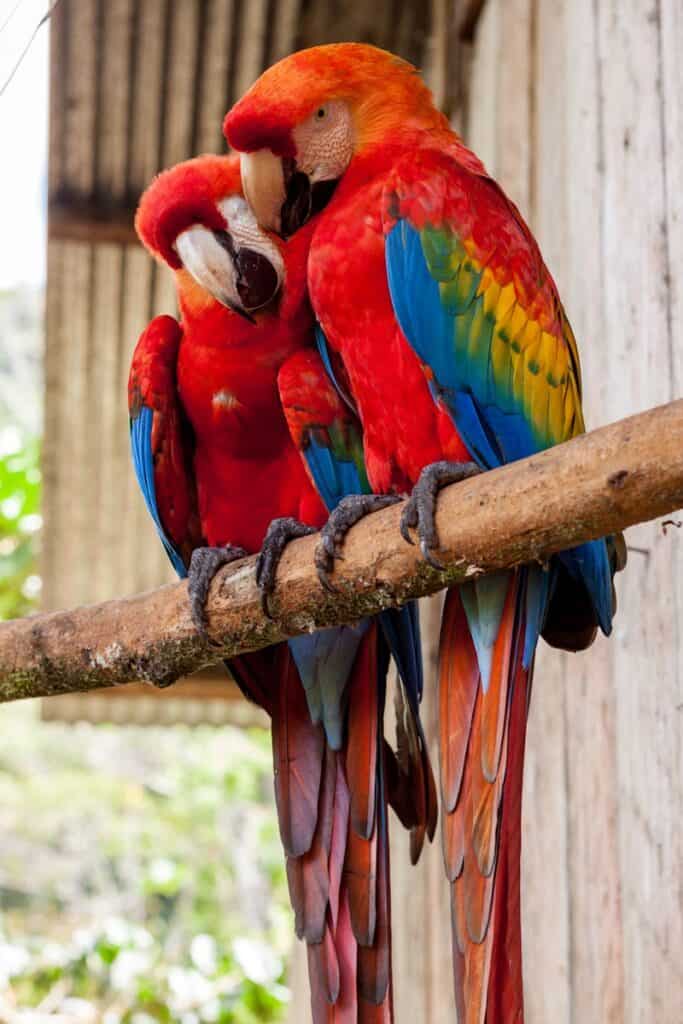
Parrots, like many animals, can exhibit jealousy, particularly when it comes to their favored human. They may feel threatened by new attachments or individuals, causing stress or aggressive behaviors. Understanding and addressing jealousy, by ensuring balanced social interaction and reinforcement for all potential human connections, is crucial for maintaining harmony.
Strengthening the Human-Parrot Bond

Building a strong bond with a parrot involves patience, understanding, and consistency. Engaging in daily routines, providing enriching activities, and respecting the parrot’s space and boundaries are vital practices. Strengthening this bond not only enhances the bird’s well-being but also fosters a rewarding and mutually beneficial relationship.
In conclusion, a parrot’s choice of a favorite human is deeply rooted in their social instincts, bonding behavior, and individual experiences. By understanding these factors, parrot owners can foster a nurturing environment that encourages trust and affection from their feathered companions. Whether it’s through consistent interaction, positive reinforcement, or simply being attuned to their needs, the bond between parrots and their chosen humans is a testament to the depth and complexity of these remarkable birds.

- How Crickets Chirp Using Their Wings - July 20, 2026
- The Largest Sea Turtle Ever Rescued Off North Carolina - July 20, 2026
- The Ocean’s Escape Artist: Why Octopuses Outsmart Us All - July 20, 2026