


Snakes are fascinating, captivating creatures that have intrigued humans for centuries. As a snake owner, understanding the subtleties of your pet’s behavior is crucial for ensuring their well-being. Although snakes are not as overtly expressive as some other pets, they do exhibit signs of happiness and stress. This article will guide you through the key indicators of your snake’s emotional state, helping you create a nurturing environment for your slithery friend.
Understanding Snake Behavior

Snakes are relatively solitary and enigmatic creatures by nature. Unlike mammals, they do not vocalize or show affection in easily recognizable ways. However, by observing their body language and behavioral patterns, you can gain insights into their mood and overall health. It’s important to remember that snakes, like all animals, have individual personalities, which can influence their behavior.
The Importance of a Suitable Environment

A proper habitat is essential for keeping your snake comfortable and content. A happy snake is typically one kept in a well-maintained enclosure that mimics their natural habitat. This includes the appropriate temperature, humidity levels, and space to move and explore. Stress in snakes often stems from environmental deficiencies, leading to negative behaviors.
Key Indicators of a Happy Snake

There are several behaviors and physical signs that suggest your snake is happy and healthy. These include regular feeding, smooth and complete shedding, and active exploration of their enclosure. A content snake will also display curiosity when handled, rather than immediate attempts to escape.
How Feeding Habits Reflect Snake Wellness
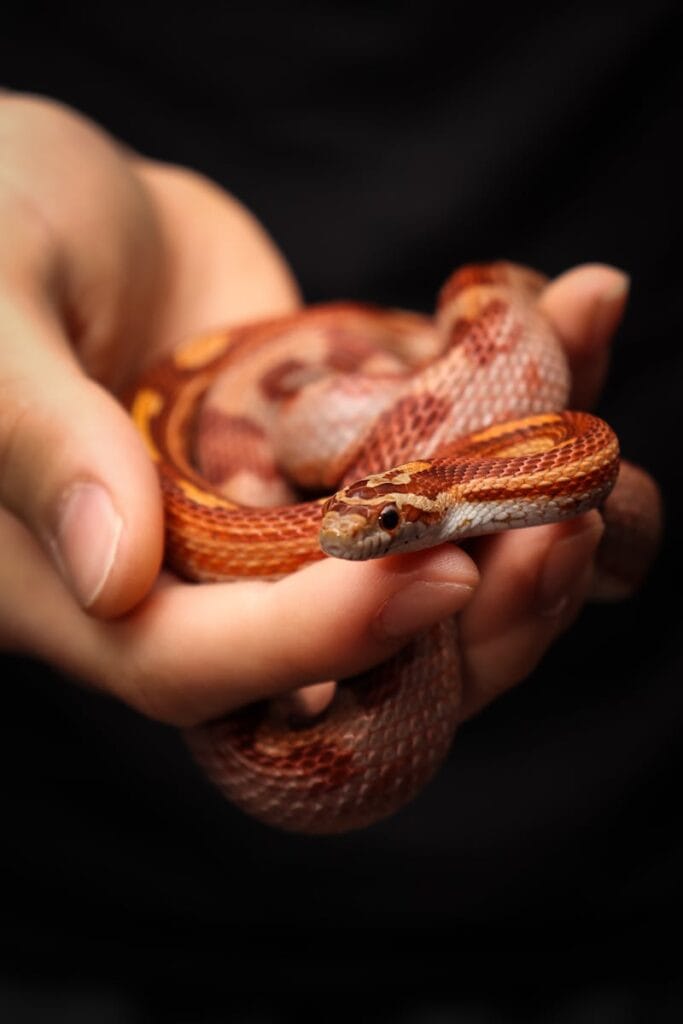
Feeding is a fundamental aspect of snake care. A happy snake typically has a robust appetite and shows interest in food when it’s time to feed. Changes in eating habits, such as a lack of interest in meals or sudden weight loss, may indicate stress or underlying health issues.
Shedding as a Health Indicator
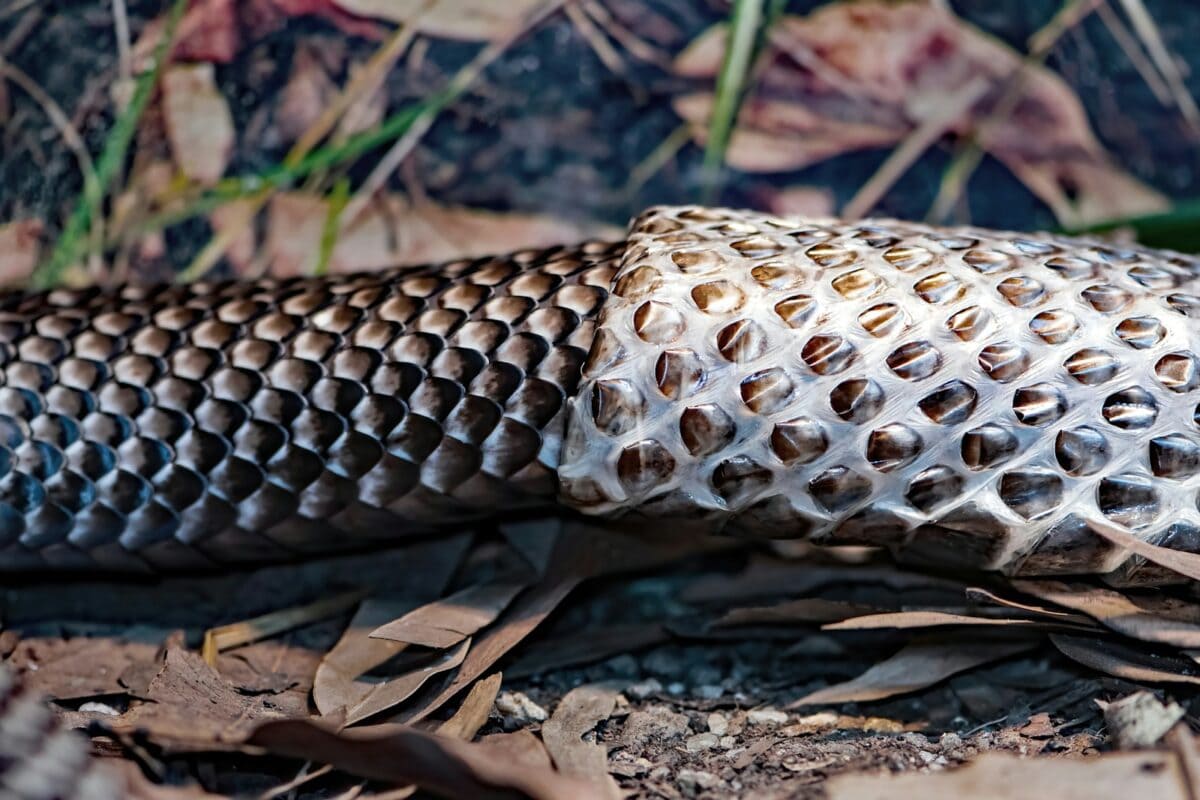
Regular and complete shedding is a good indicator of a snake’s health. A happy and healthy snake will shed its skin in one piece. Incomplete or frequent shedding can be a sign of stress or inadequate environmental conditions like humidity levels or the need for additional space or hiding spots.
Active Exploration within the Enclosure
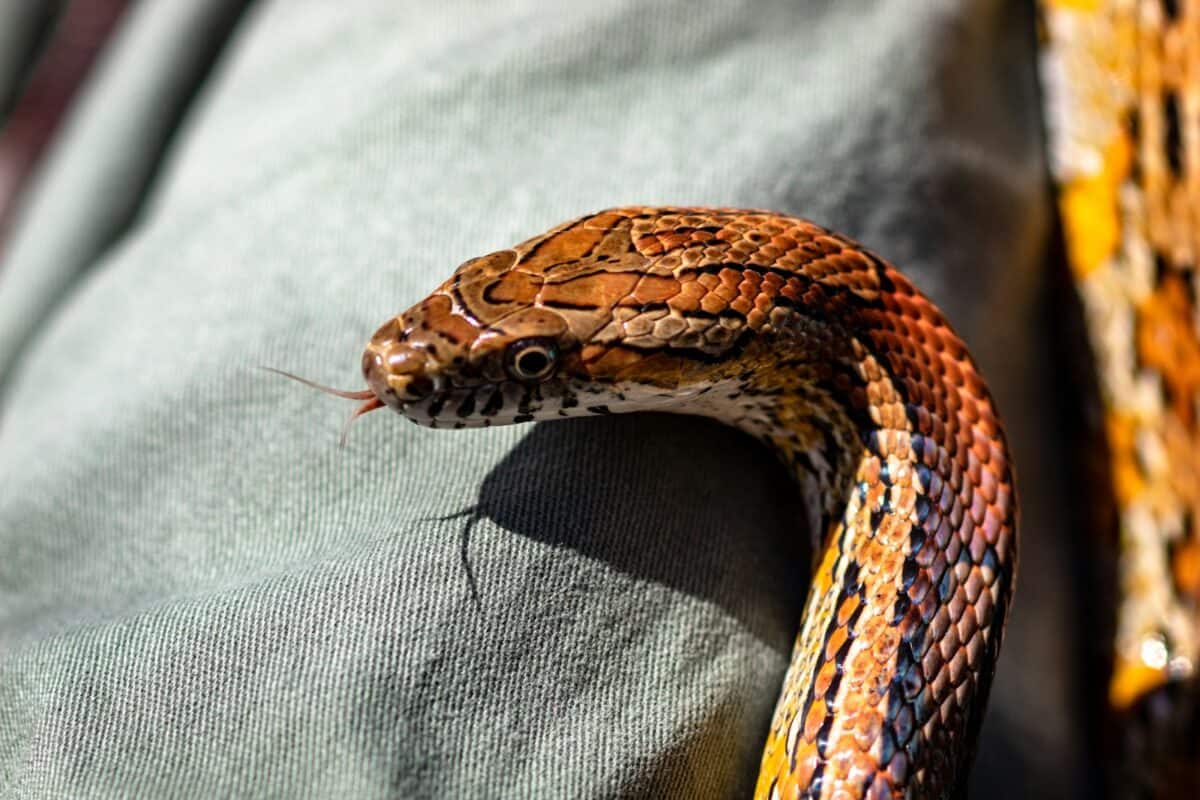
An active snake that explores its environment is generally a positive sign. Regular movement and calm exploration indicate comfort and an interest in the surroundings. If the snake appears lethargic or constantly hides, it might be stressed or unwell.
Signs of a Stressed Snake
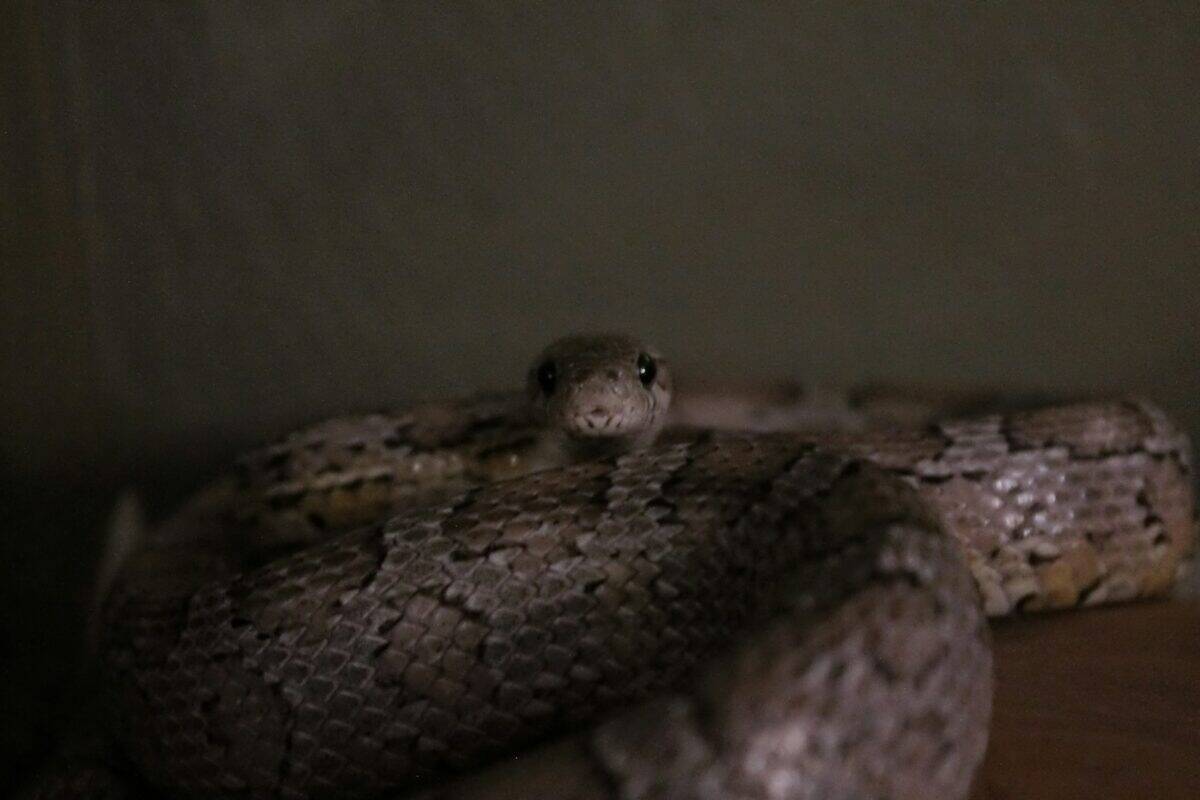
A stressed snake may exhibit behaviors such as constant hiding, erratic movements, or striking at objects in the enclosure or their handler. Such signs often indicate discomfort or anxiety, possibly due to environmental factors or health issues.
Irregular Breathing as a Stress Marker
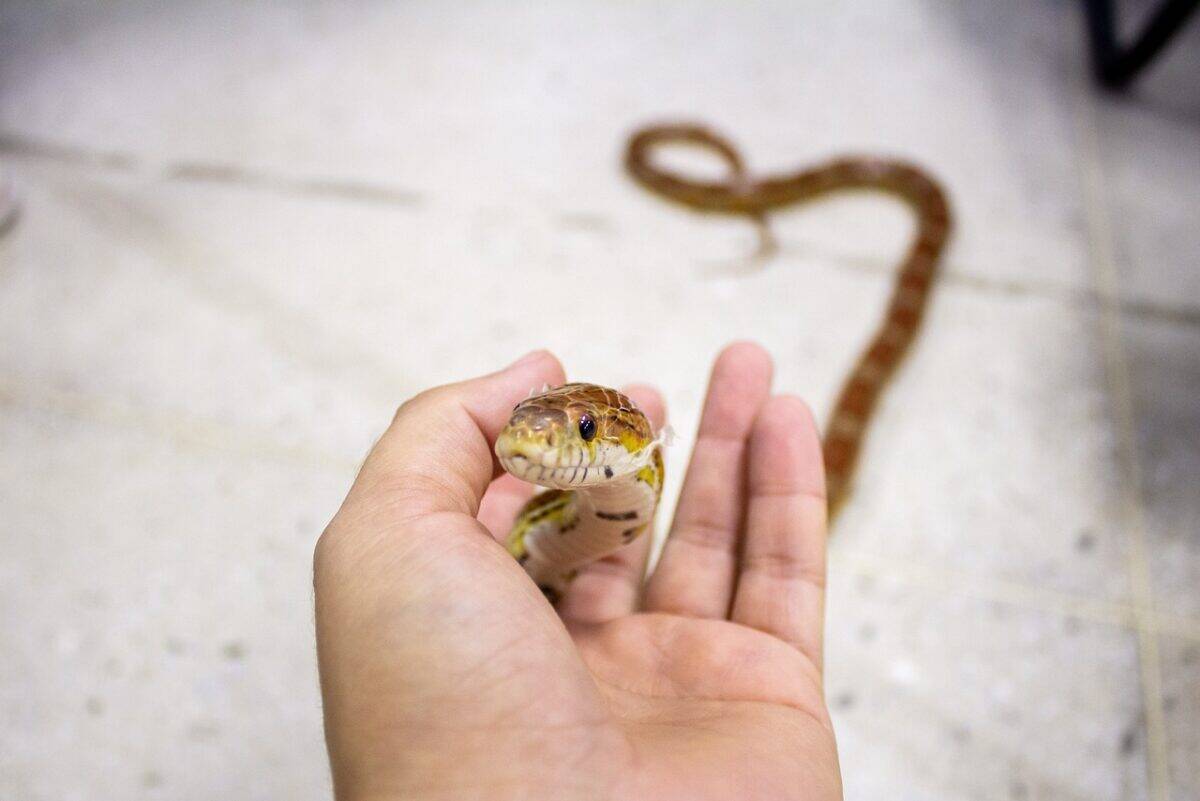
If your snake starts to breathe heavily or wheezes, it might be experiencing stress or respiratory issues. New or sudden changes in breathing patterns warrant attention and a possible consultation with a veterinarian specializing in reptiles.
Handling and Its Impact on Snake Behavior

Frequent and gentle handling can result in a snake that is more at ease around humans. Conversely, rough handling or overly frequent interactions may cause stress. Pay attention to how your snake reacts during handling to ensure it’s a positive experience for both of you.
The Role of Enrichment in Snake Contentment
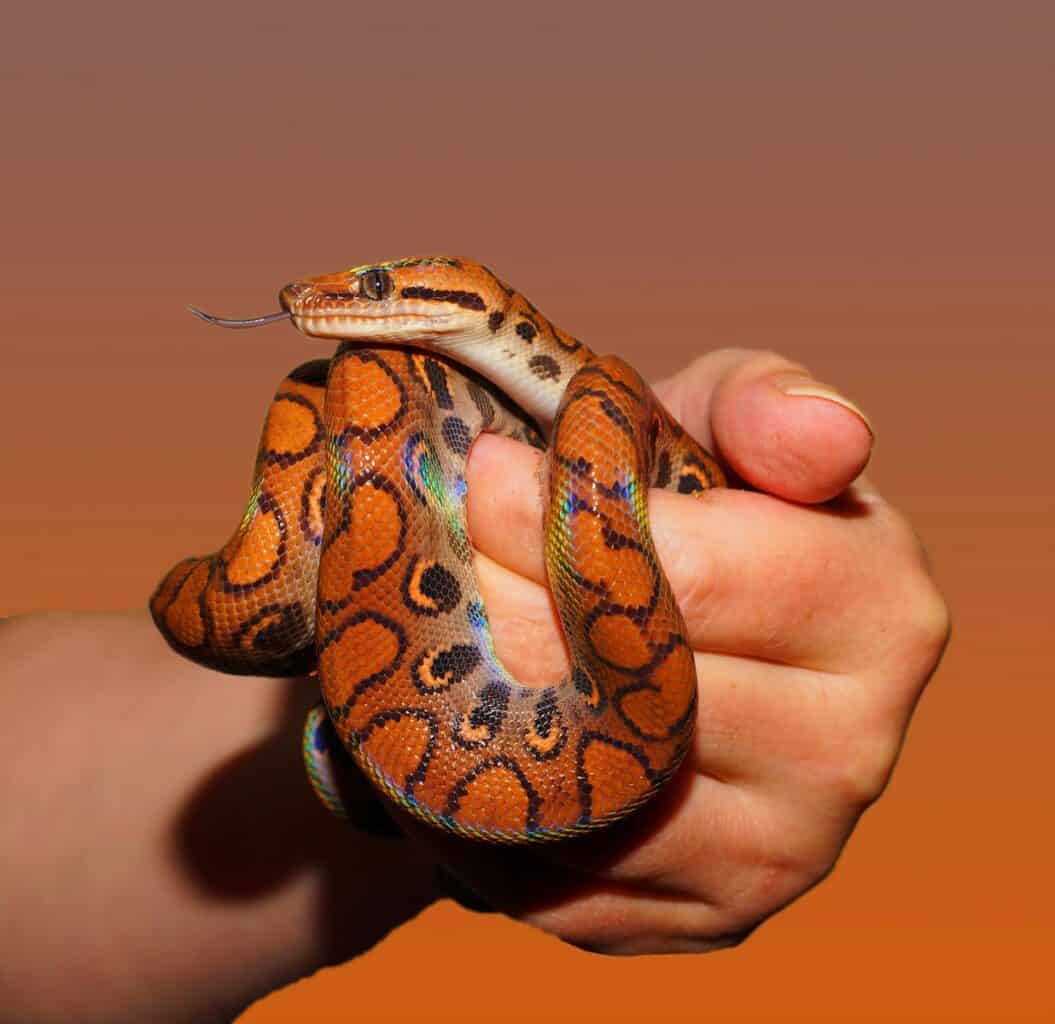
Providing enrichment through varied textures, hiding spots, and occasional changes in the enclosure can keep your snake engaged and reduce stress. By providing stimuli that encourage natural behaviors, you’re helping maintain a happy and healthy snake.
Health Check-Ups and Professional Advice
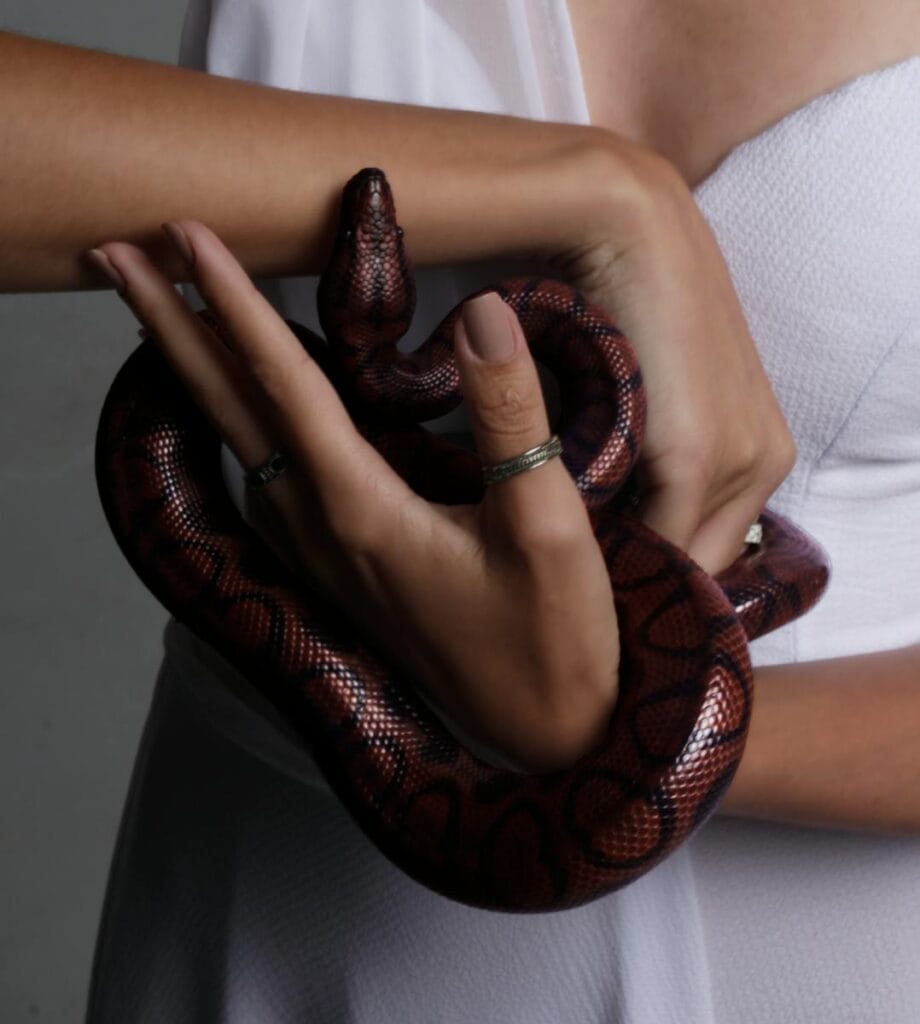
Regular health check-ups with a professional veterinarian experienced with reptiles are crucial. Even with careful observation, some health issues may not be apparent to the untrained eye. Professional advice can ensure your snake remains in optimum health.
Adapting to Your Snake’s Needs

Remember that each snake has its own preferences and temperament. What works for one snake might not work for another. Continuously adapting to your individual snake’s needs, preferences, and personality is key to ensuring their happiness.
In conclusion, understanding your snake’s behavior and responding appropriately is fundamental to providing a stress-free and positive environment. By recognizing signs of happiness and stress, and taking appropriate action, you can ensure that your snake remains a healthy and cherished pet. Continuous learning and adaptation to your snake’s needs will go a long way in fostering a positive experience for both you and your scaly companion.

- Owls and Other Forest Dwellers of the Cascades - July 19, 2026
- What Happens When a Python Eats Something Too Big? - July 19, 2026
- Baby Koalas Hug Their Moms for Safety and Comfort - July 19, 2026