


In recent years, the world of technological innovation has been set abuzz with ideas that push the boundaries of nature and science. Elon Musk, the tech mogul known for ambitious projects like SpaceX and Tesla, has sparked conversations with another visionary concept: the genetic revival of prehistoric creatures, specifically miniature mammoths, as potential pets. But how feasible is this idea? And how might it unfold? Join us as we delve into the possibilities, challenges, and implications of this fascinating concept.
Introduction to Genetic Revival

Genetic revival, popularly known as “de-extinction,” refers to the process of bringing extinct species back to life using advanced genetic techniques. Leveraging tools like CRISPR and advanced sequencing, scientists aim to rebuild the genomes of these lost species, effectively resurrecting them. With figures like Elon Musk showing interest in such bold endeavors, the concept has taken a significant leap from mere science fiction to a potential reality.
Why Miniature Mammoths?
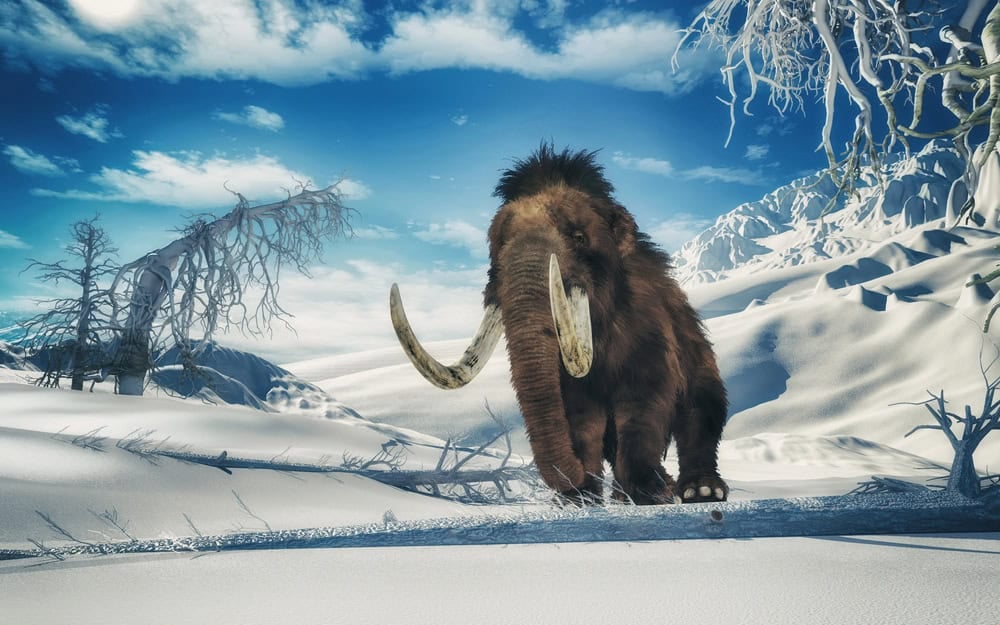
The idea of reviving mammoths—especially in miniature form—may seem whimsical at first. However, there are practical and ecological motivations behind the idea. Mammoths, or closely related elephant species, play crucial roles in their ecosystems, from aiding in plant growth to maintaining grassland habitats. A scaled-down version could offer similar benefits without the logistical challenges of housing and caring for full-sized individuals.
Technological Feasibility

CRISPR gene-editing technology is at the core of de-extincting efforts. It allows scientists to “edit” the DNA of living relatives of extinct species—in this case, elephants—by swapping in genetic information from well-preserved woolly mammoth specimens. While advancements are promising, significant hurdles remain, including efficient gene-editing at the scale required for de-extinction and successful gestation of hybrid embryos.
The Role of Cloning

Cloning presents another pathway to bring back extinct species. The process involves creating a genetic replica of an organism. For mammoths, this involves using a surrogate species—most likely an elephant—to carry a cloned embryo. While the concept is promising, no successful births of cloned extinct animals have occurred to date, marking this as an area ripe for further research and breakthrough.
Ethical Considerations

De-extincting species like mammoths prompts a host of ethical questions. Is it right to bring back a species when the natural course led to their extinction? What are the welfare considerations for animals created through such means? The ethics of de-extinction are deeply debated, with proponents highlighting conservation benefits and opponents cautioning against unforeseen ecological impacts and animal welfare issues.
Potential Benefits

If the hurdles of de-extinction can be overcome, the reintroduction of mammoths—even in miniature form—might offer valuable ecological insights and biodiversity benefits. They could help restore ancient ecosystems, increase plant diversity, and even mitigate climate change effects by preserving permafrost in Arctic regions.
Challenges of Miniaturization
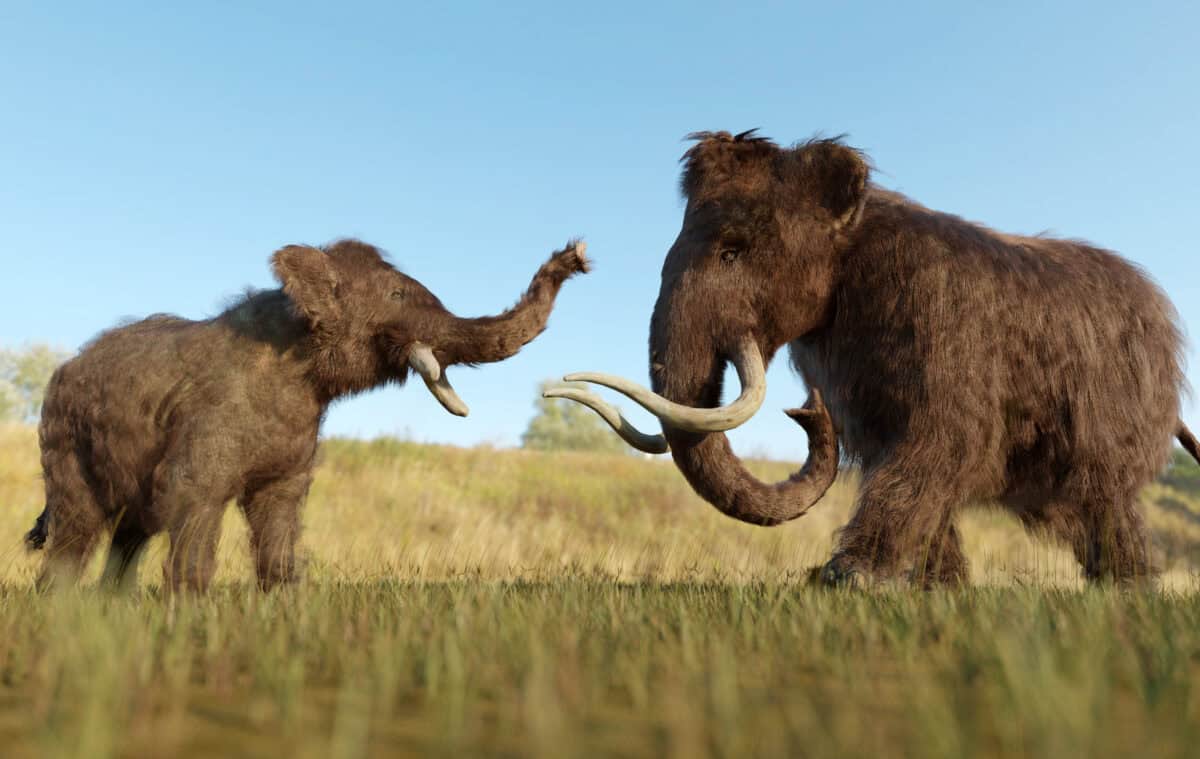
Miniaturizing a species raises additional biological and genetic challenges. The mammoth’s size is integral to its ecological role and biology. Creating a smaller version would require extensive genetic modifications, which could present unpredictable side effects and unforeseen consequences for the animal’s physiology and behavior.
Care and Habitat Requirements
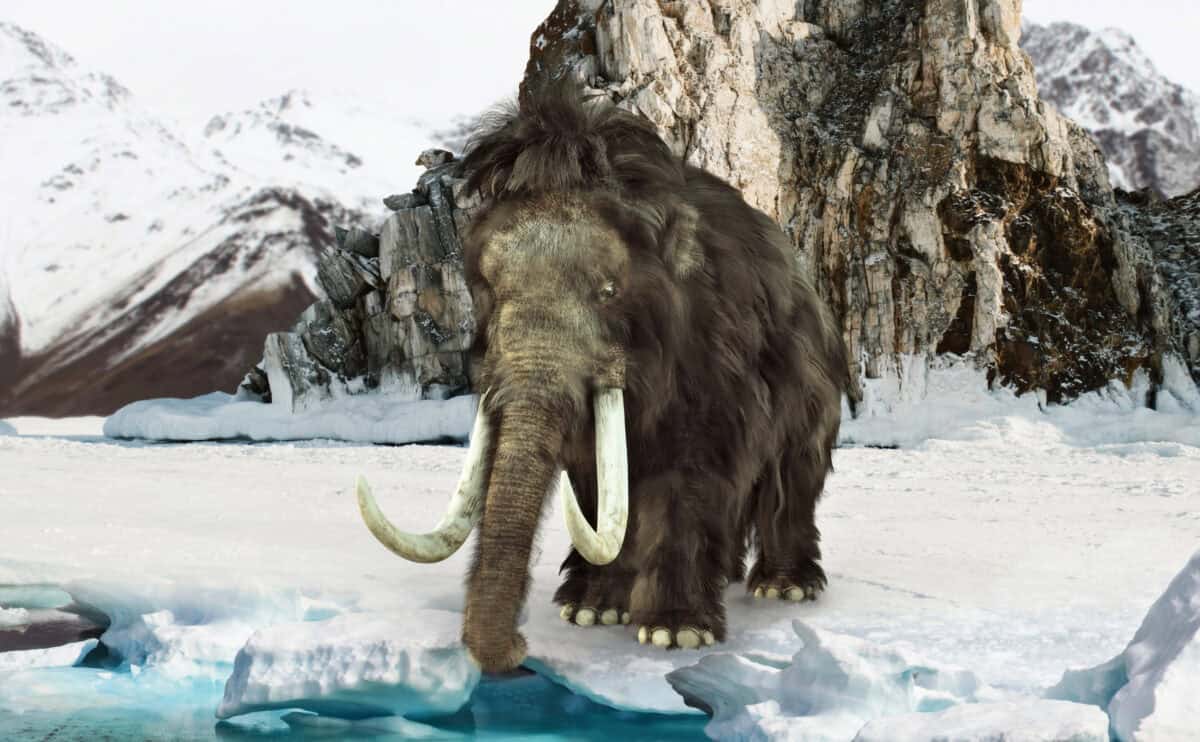
Caring for a miniature mammoth would differ significantly from conventional pets. These animals would require environments akin to their historical habitats, necessitating significant space and specialized care. Owners would need to provide temperate conditions, suitable foliage for grazing, and enrichment to satisfy the mammoth’s natural behaviors.
Potential Market for Miniature Mammoths

The exotic pet market has witnessed trends for unique animals, and miniature mammoths could be a part of this growing industry. However, high care requirements and ethical concerns may limit the appeal to only the most dedicated—and well-funded—enthusiasts. This would likely result in a highly niche market segment, raising questions about accessibility and long-term management.
The Conservation Argument
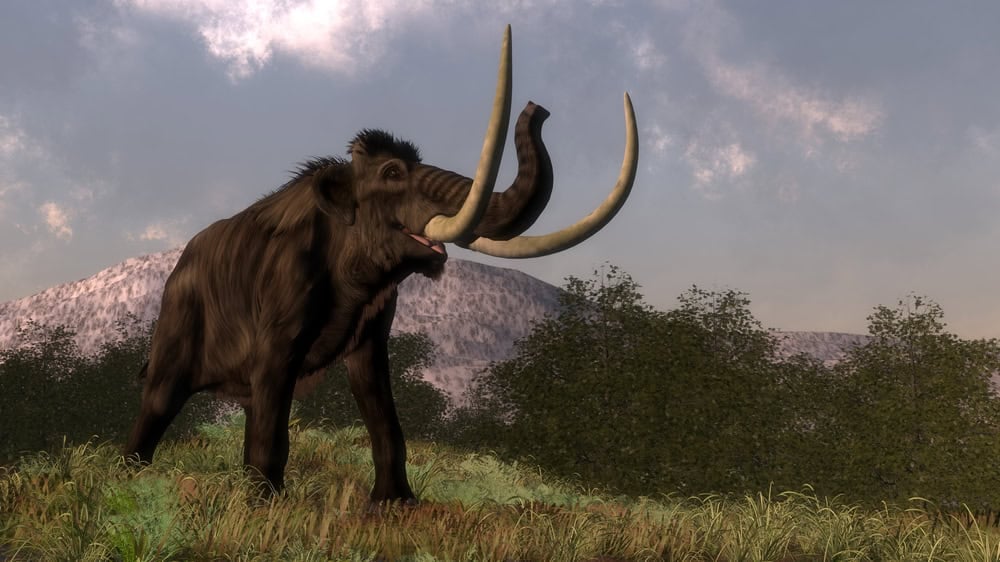
Advocates for de-extincting mammoths point to potential conservation benefits, arguing these creatures could fill ecological roles modern ecosystems lack. The restoration of lost species could foster ecological stability, diversity, and resilience against environmental change—key arguments in support of the ethical use of genetic technologies.
Public Perception

Public opinion on de-extinction and maintaining prehistoric creatures as pets is mixed. Many are fascinated by the science and potential outcomes, yet apprehensive about ethical and environmental implications. As the field progresses, public education will be crucial in framing a nuanced understanding of the risks and potential rewards.
Future Possibilities and Innovations

Looking forward, continued innovation could pave the way for not only successful de-extinction but also more precise control over genetic outcomes. These advancements might enable scientists to create species tailored for specific roles within ecosystems, marrying conservation aims with technological prowess.
Conclusion: Dream or Reality?

Elon Musk’s vision of miniature mammoths as future pets sits at the intersection of innovation and imagination. While today’s technology presents hurdles, the foundational work being done in genetics and biotechnology gives credence to the possibility that this concept may one day transition from dream to reality. As we explore this intriguing frontier, careful consideration of ethical, ecological, and welfare implications is imperative to guide responsible advancements. Only time will tell if these prehistoric giants will once again roam the earth—even on a much smaller scale.

From exploring the marine wonders in the Azores and witnessing the vast savannas of Kenya, to delving deep into the rich biodiversity of South Africa and traversing iconic landscapes in Australia and the US like Yellowstone, Chris's experiences are vast.
With a penchant for diving alongside sharks, the ocean holds a special place in his heart.
Through his academic insights, he champions wildlife conservation, striving with 'Animals Around The Globe' to cultivate a profound connection between humans and animals, enhancing our mutual appreciation.
Connect with him at Feedback@animalsaroundtheglobe.com.
- Meet the Mantis Shrimp: The Sea Creature That Punches Like a Bullet - July 18, 2026
- Dugongs and Their Slow Mating Rituals in the Ocean - July 18, 2026
- How Animal Exhibits Are Evolving to Promote Conservation - July 17, 2026