


The role of zoos in conserving endangered species is a topic that sparks passionate debate among animal rights advocates, conservationists, and the general public. While some see zoos as vital sanctuaries fostering the survival of threatened species, others argue they are merely facilities of entertainment adorned with the guise of conservation. This article delves into the multifaceted contributions of zoos to species conservation, explores their limitations, and considers whether they truly fulfill a protective role for endangered wildlife.
The Historical Role of Zoos

Historically, zoos have been places where exotic animals were displayed for public amusement and curiosity. Dating back to ancient civilizations, these collections primarily served the purpose of prestige and entertainment rather than education or preservation. However, over the decades, the function and philosophy of zoos have evolved significantly, with a growing emphasis on conservation and education.
Modern Zoos as Conservation Hubs

Today, many zoos operate with a strong focus on conservation efforts. They serve as breeding centers for endangered species and aim to reintroduce animals back to their natural habitats. This is part of a larger global strategy known as ex-situ conservation, where species are conserved outside their natural environment. As habitats continue to shrink due to human activities, the role of zoos in safeguarding these species becomes ever more crucial.
Breeding Programs and Genetic Diversity

Modern zoos engage in organized breeding programs to maintain and improve genetic diversity among captive populations, often in coordination with international databases like the Species360 Zoological Information Management System. These programs help prevent inbreeding, bolster population numbers, and prepare animals for potential re-release into the wild.
Reintroduction Success Stories

One notable success is the reintroduction of the California condor. Through dedicated breeding initiatives and subsequent releases, zoos have played a pivotal role in bringing this species back from the brink of extinction. Similarly, the Arabian oryx, once extinct in the wild, has been reintroduced through zoo conservation efforts.
The Educational Component of Zoos

Zoos also serve an educational purpose, offering people a firsthand experience with wildlife that can foster understanding and empathy. Studies have shown that interacting with animals at zoos can significantly increase public awareness about conservation issues, potentially inspiring future generations to protect biodiversity.
Criticisms and Ethical Concerns

Despite these efforts, zoos face criticism on ethical grounds, with opponents arguing that captivity can cause psychological distress to animals, leading to abnormal behaviors often characterized as ‘zoochosis.’ Critics also challenge whether the educational aspects outweigh the potential harm caused to confined species.
The Importance of Habitat Conservation

While zoos contribute to species survival, critics emphasize the need for more focus on preserving natural habitats. Without safeguarding these environments, the effectiveness of zoo-based conservation programs could be significantly undermined. Protecting habitats addresses the root causes of extinction rather than treating only the symptoms.
Zoos and Research Contributions

Zoos are often involved in important research that benefits wildlife conservation on a global scale. By studying animals in controlled environments, researchers can gather data on behavior, genetics, and health, providing pivotal insights that can guide conservation strategies in the wild.
The Role of Aquariums in Marine Conservation

Aquariums function similarly to terrestrial zoos, focusing on aquatic and marine life conservation. They have been crucial in efforts to breed and study species like corals and endangered fish, which might otherwise face extinction without human intervention.
Innovative Zoos of the Future

The concept of the virtual zoo, a digital environment where people can interact with animals through virtual reality, is gaining ground. This innovation aims to provide educational experiences that do not compromise animal welfare, enabling people to appreciate wildlife without necessitating captivity.
Partnerships with Wildlife Reserves

Many zoos collaborate with wildlife reserves and sanctuaries, working together to bolster in-situ and ex-situ conservation efforts. These partnerships aim to ensure that reintroduction programs and habitat protections are aligned with broader environmental sustainability goals.
Sustainable and Ethical Zoo Practices
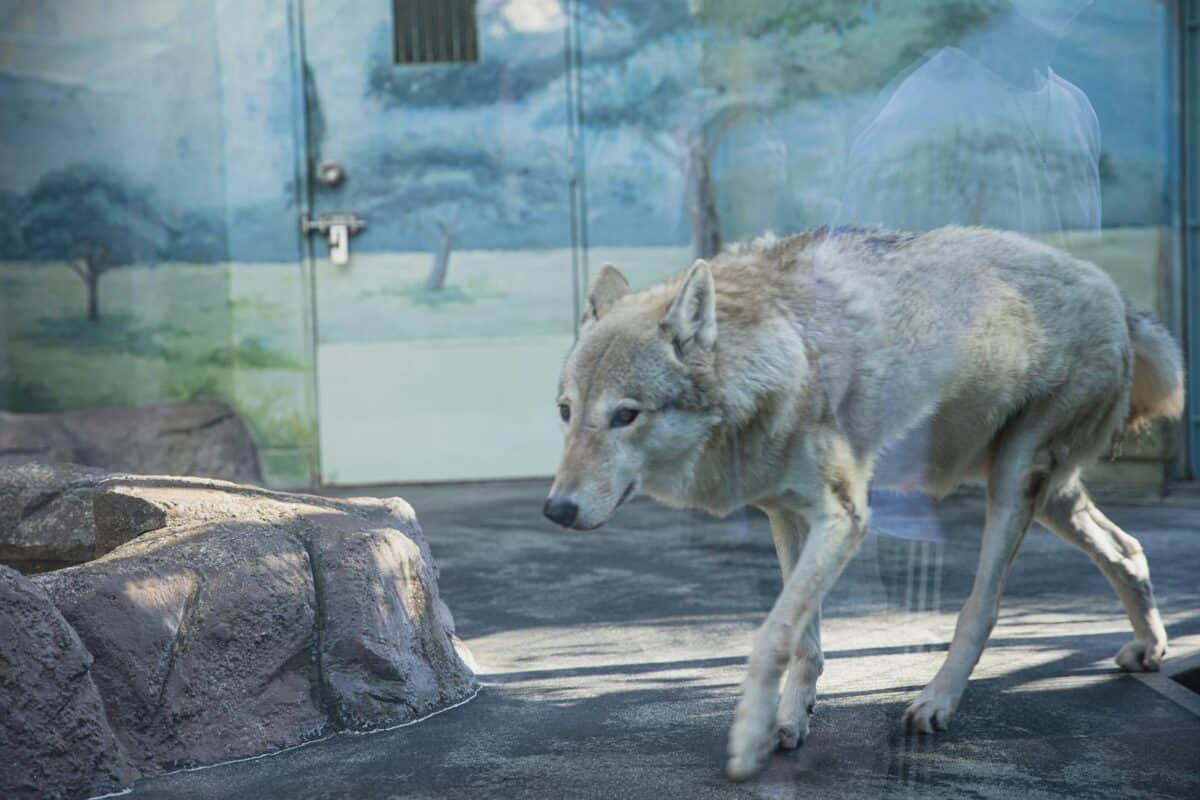
Moving forward, zoos must continue to adopt sustainable practices, ensuring that animal welfare is prioritized and that conservation efforts are ecologically sound. This involves transparent operations, ethical care standards, and ongoing evaluation of their impact on both captive animals and their wild counterparts.
Conclusion: Balancing Display and Conservation

In essence, while zoos have significantly shifted their roles from mere entertainment venues to active participants in global conservation efforts, they are not without challenges and criticisms. Their dual roles of displaying animals for public enjoyment and conserving endangered species create a complex balance to navigate. The future success of these institutions will depend on their ability to innovate, partner effectively, and prioritize the ethical treatment of all species under their care, creating a world where the lines between thriving zoos and thriving wildlife blur for the betterment of both.

From exploring the marine wonders in the Azores and witnessing the vast savannas of Kenya, to delving deep into the rich biodiversity of South Africa and traversing iconic landscapes in Australia and the US like Yellowstone, Chris's experiences are vast.
With a penchant for diving alongside sharks, the ocean holds a special place in his heart.
Through his academic insights, he champions wildlife conservation, striving with 'Animals Around The Globe' to cultivate a profound connection between humans and animals, enhancing our mutual appreciation.
Connect with him at Feedback@animalsaroundtheglobe.com.
- Top Jungle Treks for Spotting Jaguars and Tapirs - June 21, 2026
- 15 Facts About Wild Zebras You Have Never Heard Before - June 21, 2026
- What’s Causing Sinkholes to Multiply in Florida? - June 21, 2026