

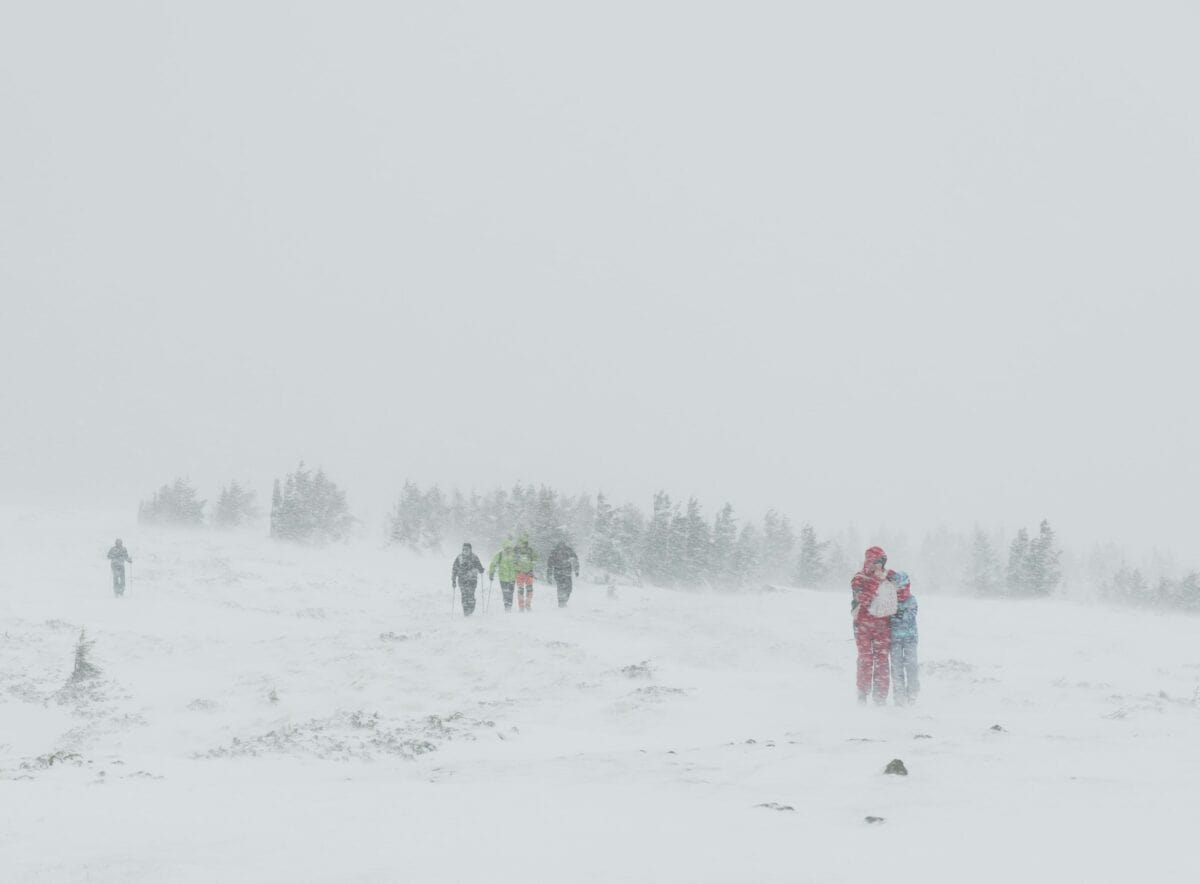
The Midwest is no stranger to harsh winter conditions, yet even for this region, where cold snaps and snowstorms are a part of winter life, certain events stand out in their severity. Among these, the coldest blizzard ever recorded to bury the Midwest remains a dramatic reminder of the power and unpredictability of nature. This article will explore the various aspects of that historic blizzard, providing insights into the climatic factors that led to its ferocity, its effects on the region, and lessons learned for future weather preparedness.
The Genesis of a Historic Blizzard
The coldest blizzard to hit the Midwest was not merely a product of capricious winter weather. Instead, it was the result of a rare confluence of meteorological conditions, including a combination of low-pressure systems, Arctic air masses descending southward, and atmospheric disturbances. These elements combined to create a perfect storm, literally, that brought temperatures plummeting and led to heavy snowfall across the region.
Climatic Contributors: Understanding the Polar Vortex
A key player in this blizzard was the polar vortex, a large area of low pressure and cold air surrounding both of the Earth’s poles. During the blizzard, the polar vortex stretched unusually far south, bringing with it frigid air. This descent of the polar vortex was integral in creating the extreme cold conditions that ensued. Understanding this phenomenon is essential for forecasting future cold snaps.
Record-Breaking Temperatures and Snowfall

During the blizzard, temperature records were shattered across the Midwest. In some areas, thermometers plunged to as low as -40°F, with wind chills making it feel even colder. Snowfall was equally unprecedented, with some regions experiencing accumulations of over two feet in a matter of days. These records transformed the landscapes, buried towns and cities, and tested the resilience of inhabitants.
Impact on Daily Life: Facing the Cold
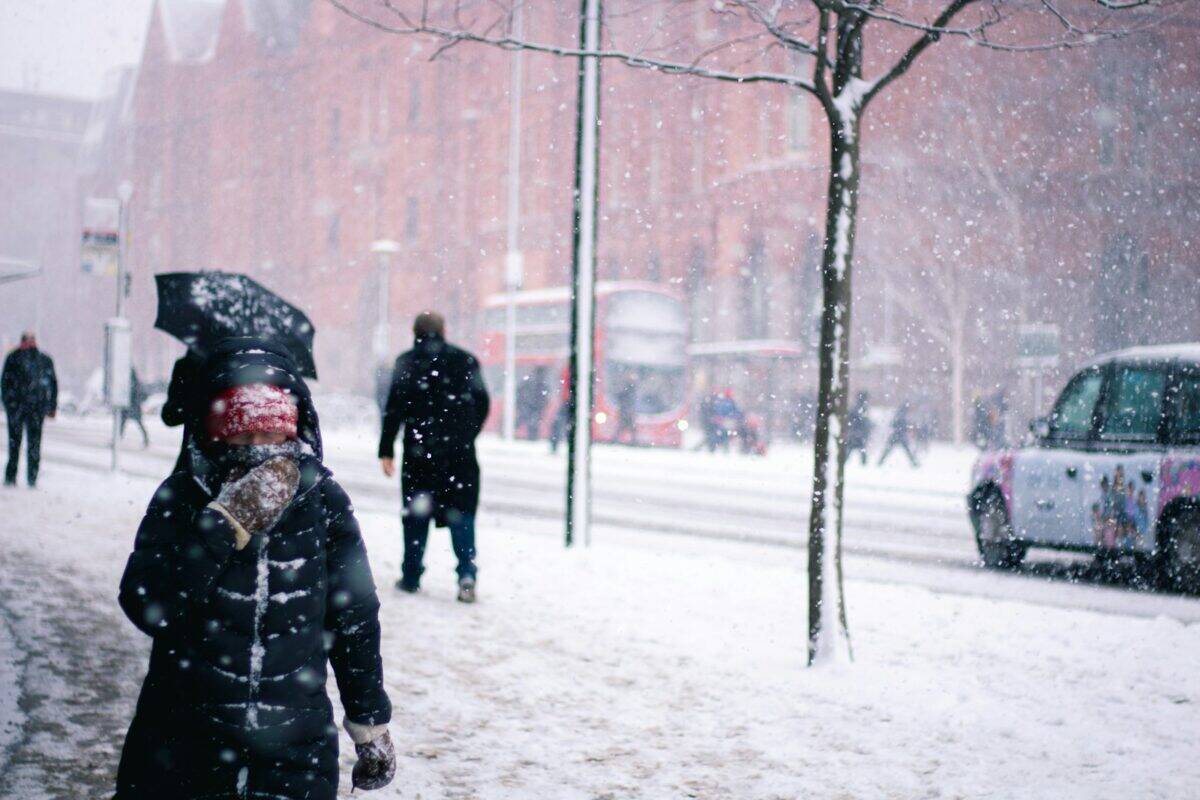
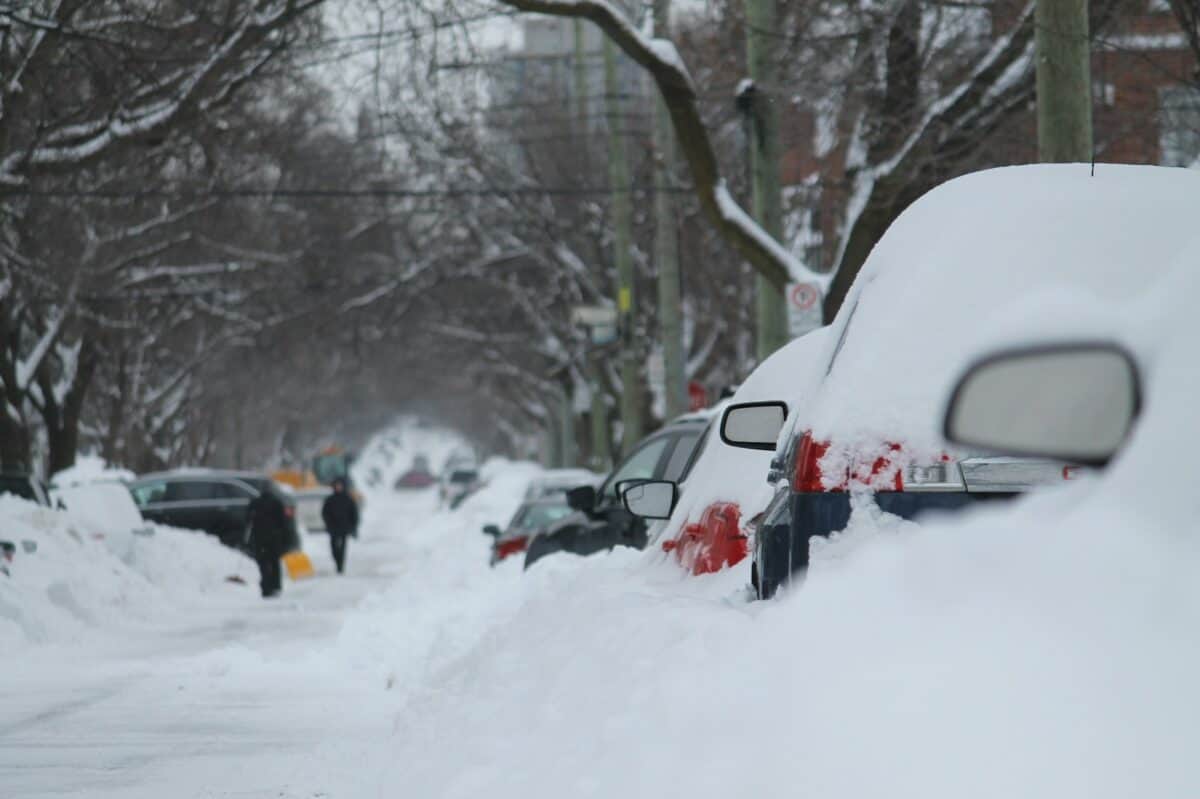
The blizzard imposed a severe impact on daily life throughout the Midwest. School closures became necessary, travel routes were rendered impassable, and power outages plagued communities as power lines were brought down by ice and snow. For many, the blizzard meant being housebound, relying on emergency services for essential supplies and services.
Infrastructure Challenges and Responses
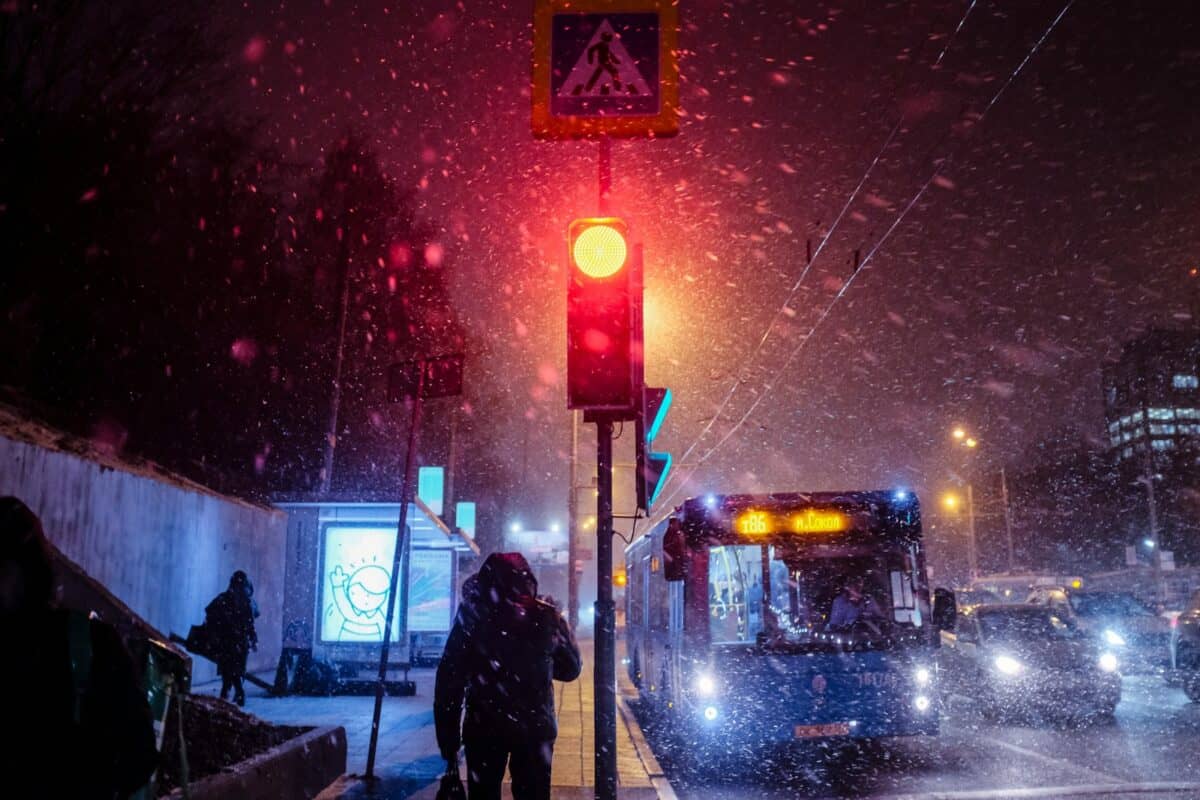
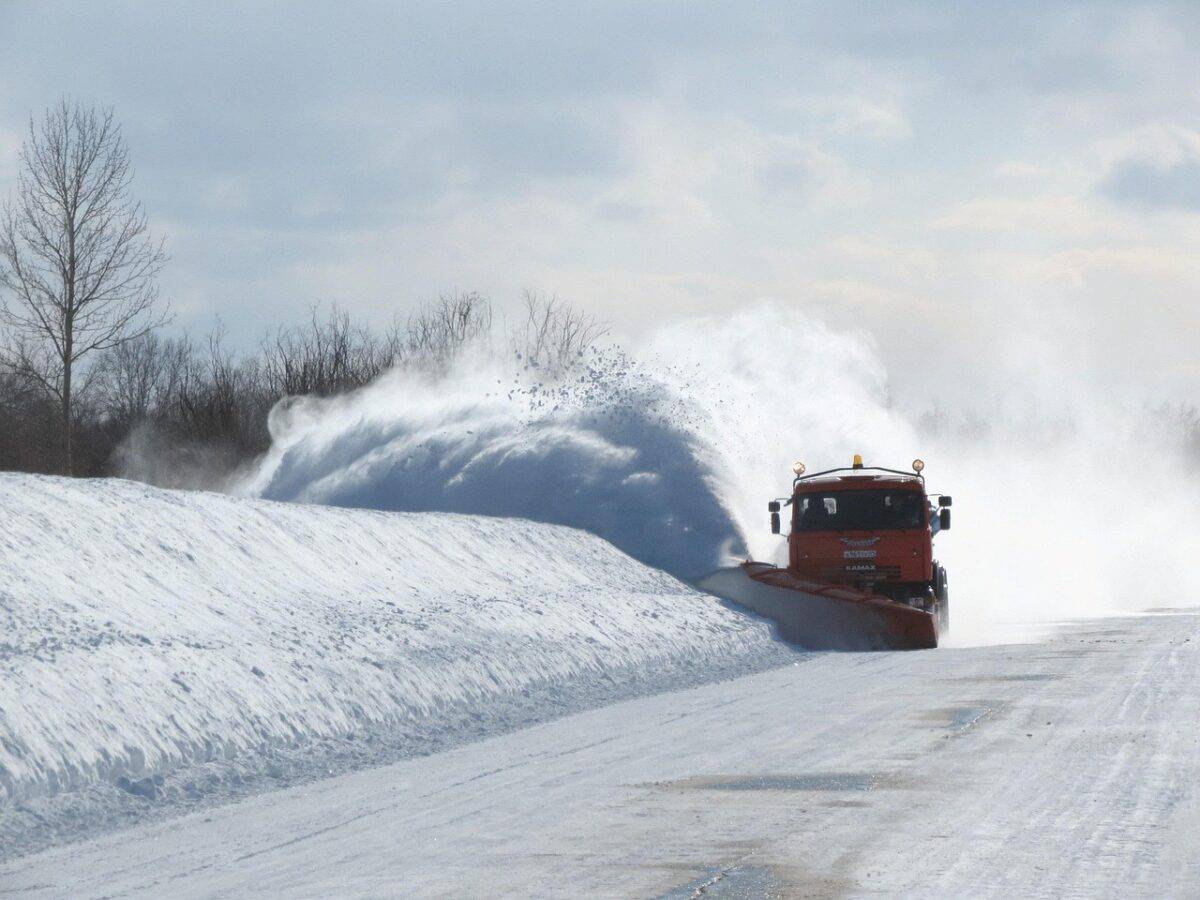
The scale of the blizzard posed significant challenges to infrastructure. Roads needed constant clearing, while railways and airports faced shutdowns and delays. Municipal and state responses required coordinating massive snow removal efforts and ensuring that emergency services could reach those in need. The resilience and ingenuity displayed during this crisis laid the foundation for future response strategies.
Impact on Wildlife: Nature’s Resilience

Wildlife, too, bore the blizzard’s brunt. Animals in the Midwest had to adapt quickly to the harsh conditions, with some species going into early hibernation, while others struggled to find food and shelter. Despite these hardships, nature’s resilience shone through as ecosystems reframed to deal with the extreme weather.
The Human Element: Stories of Survival and Community

Amidst the cold and chaos, tales of human perseverance and community solidarity emerged. Neighbors came together to ensure everyone’s safety, shared resources, and offered warmth both literal and figurative. These stories highlighted the spirit of humanity facing adversity and became an enduring testament to Midwestern grit and kindness.
Economic Aftermath: Counting the Costs
The blizzard’s economic impact was profound, with agriculture, transportation, and retail sectors hit hardest. Crop losses were substantial due to frozen soils and delayed planting schedules, while transportation disruptions led to shortages in various products. In the aftermath, economic recovery plans became crucial for revitalizing affected communities.
Climate Change Considerations
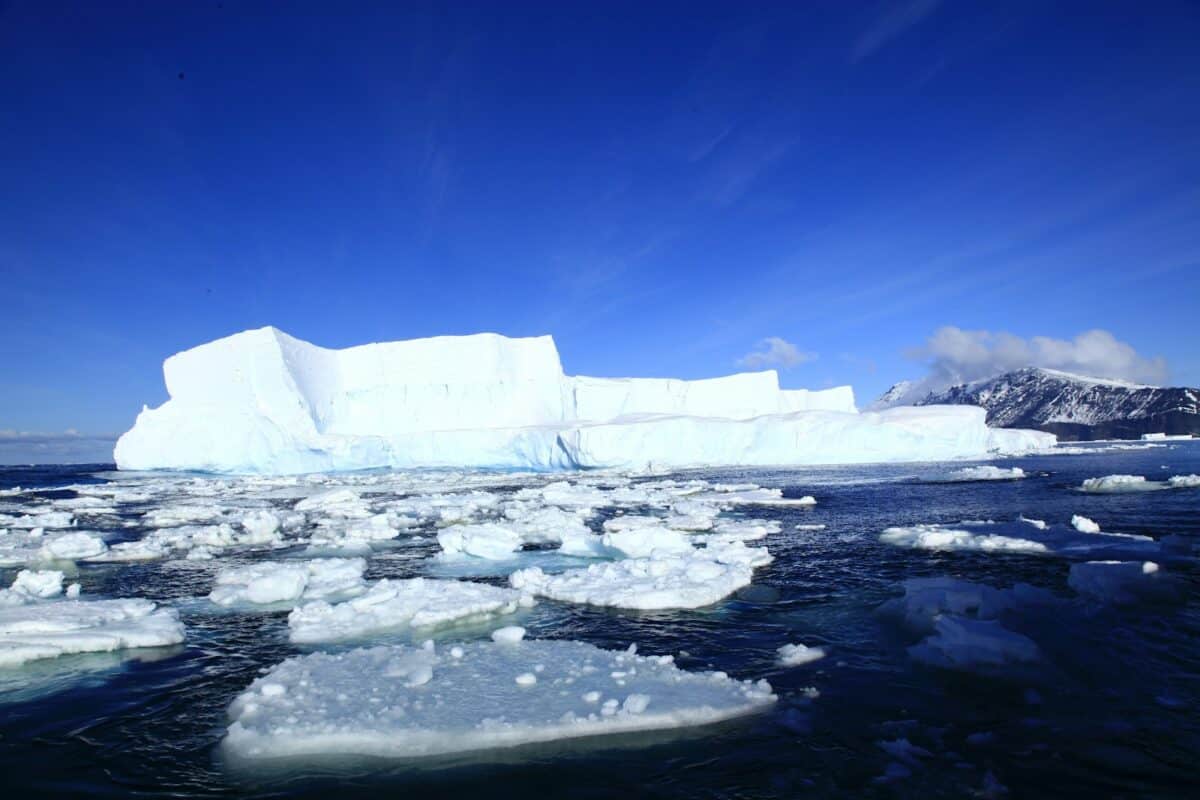
This historic blizzard also triggered discussions about the role of climate change. While no single weather event can be solely attributed to climate change, rising global temperatures can intensify weather patterns, making extreme events like this blizzard more likely in the future. This has led to increased focus on climate adaptation strategies.
Technological Advances in Weather Forecasting
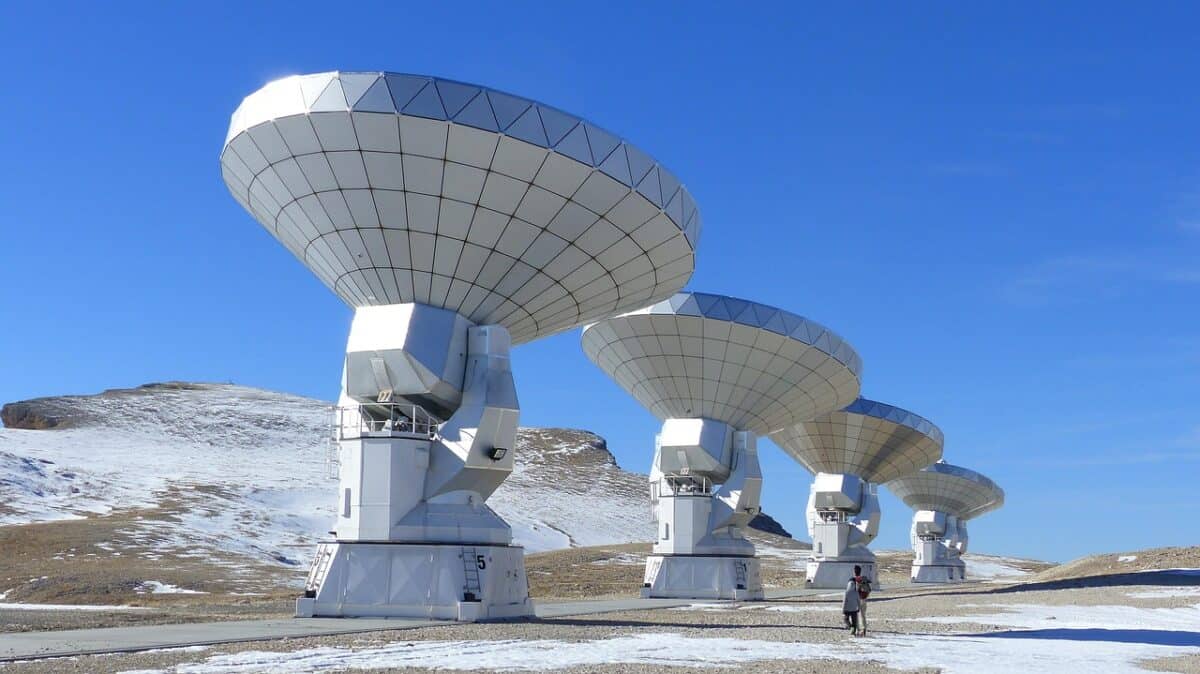
In the wake of the blizzard, technological advancements in weather forecasting became critical. Enhanced radar systems, improved satellite imaging, and computer models now offer more accurate predictions, helping communities better prepare for such extreme weather events in the future.
Preparedness and Safety: Learning from the Past
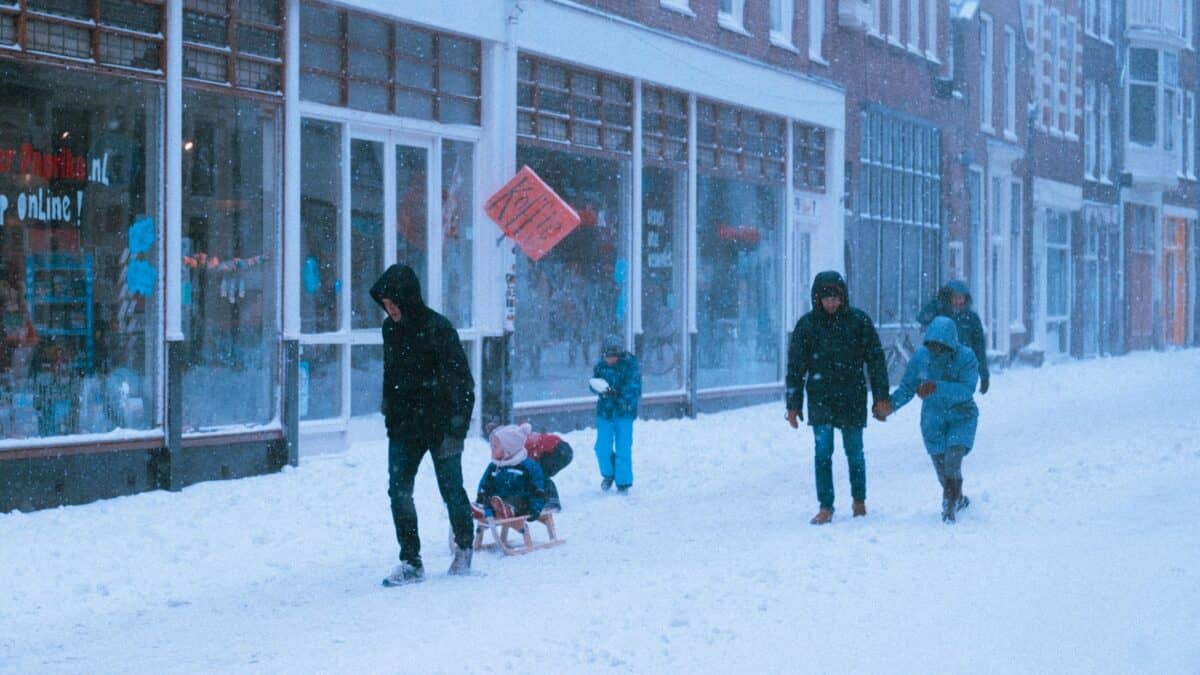
The lessons learned from this blizzard have been instrumental in shaping preparedness plans. From ensuring homes are equipped with emergency supplies to enhancing public awareness campaigns about winter safety, the knowledge gained drives efforts to mitigate impacts of future blizzards.
The coldest blizzard ever to bury the Midwest serves as a stark reminder of nature’s potency and unpredictability. While the memories of snowbound days may now seem distant, the lessons from that event continue to shape our understanding and adaptation to the demands of severe weather. As climate patterns shift, maintaining readiness for such challenges remains essential in safeguarding life and infrastructure for the future.

- What’s Hiding in the Forests of the Pacific Northwest - July 21, 2026
- Tarsiers: The Tiny Primates with Giant Eyes - July 21, 2026
- Are Zoos Still Ethical in 2025? - July 21, 2026