
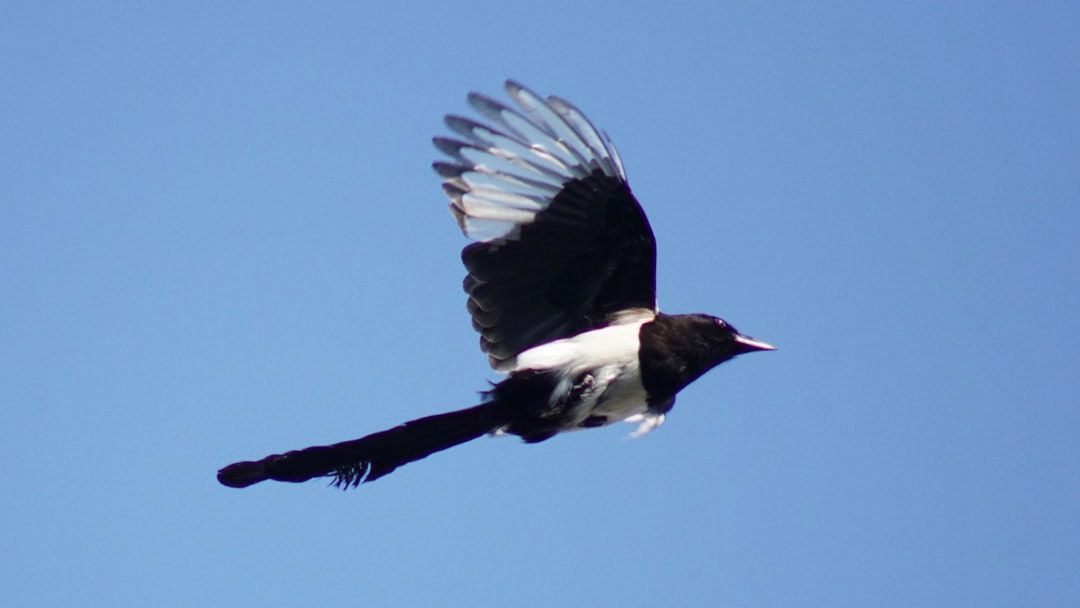
Spot a magpie perched on a garden fence and the old counting rhyme often surfaces without warning. Its bold markings and sharp gaze seem to invite questions about what the bird might represent beyond its feathers. The link between this common creature and layers of folklore runs surprisingly deep across time and place.
The Origins of the Counting Rhyme
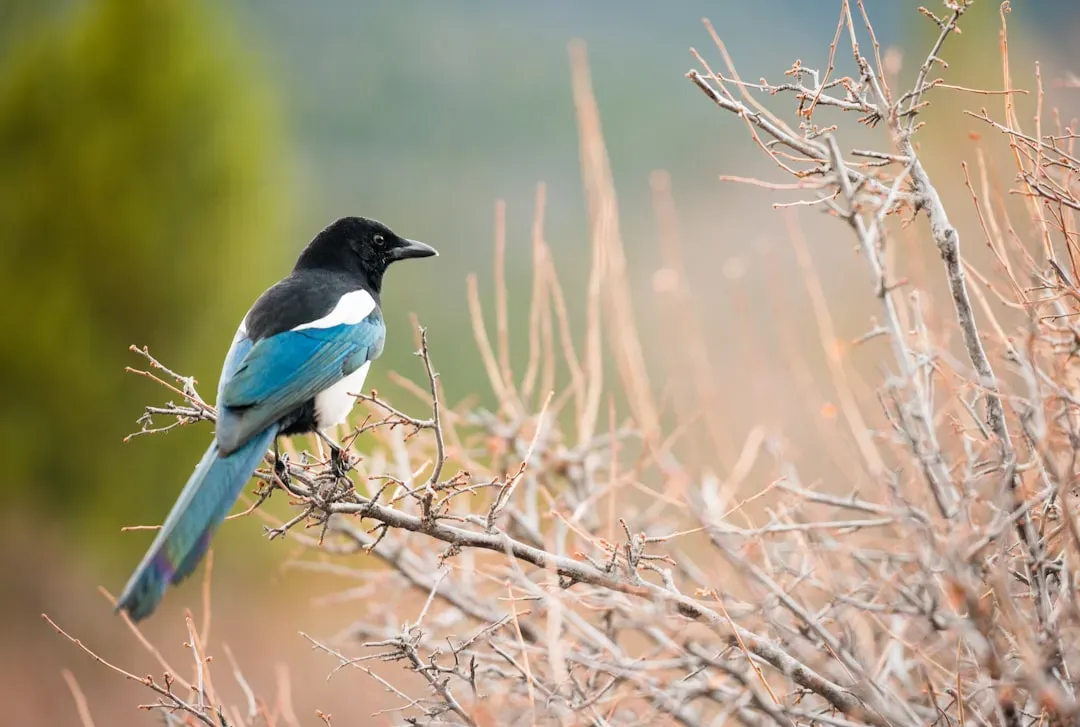
The familiar lines about sorrow and joy trace back to English traditions that likely took shape centuries ago. Variations appear in different regions, yet the core idea of tallying magpies to predict fortune remains consistent. People passed the verse along through generations as a way to interpret everyday sightings.
Scholars note that the rhyme probably grew from older oral customs rather than a single written source. It offered a simple framework for turning chance encounters into meaningful signs. Over time the words settled into the version most people recognize today.
Roots in British and Irish Legends
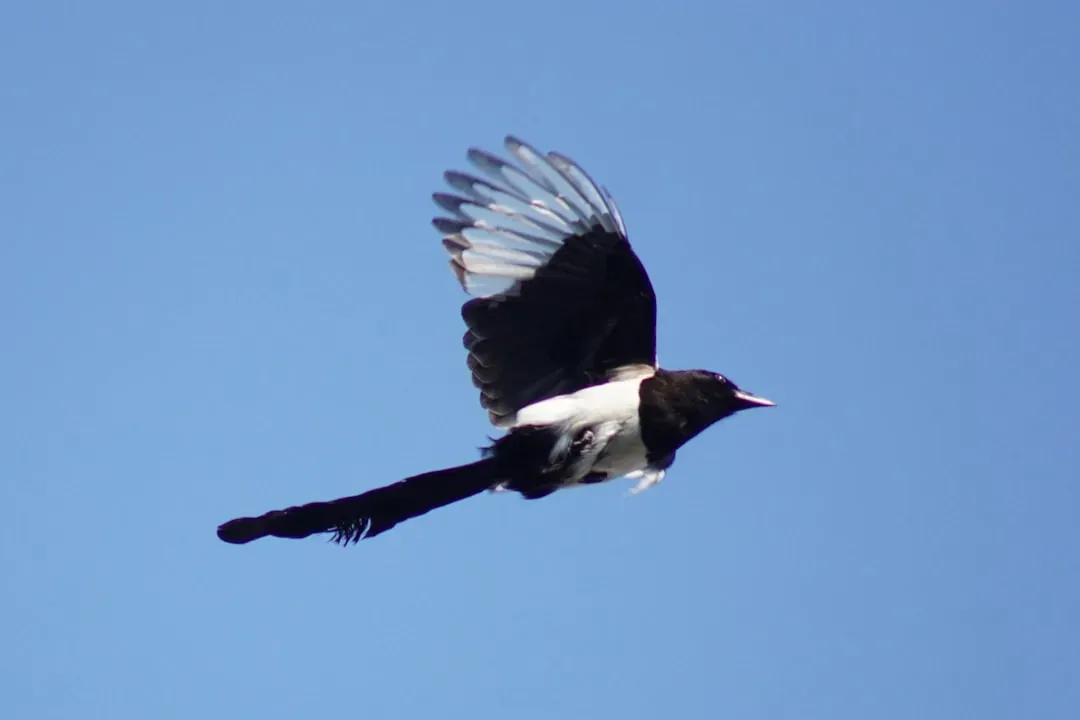
In parts of Britain and Ireland the magpie earned a mixed reputation tied to both mischief and warning. Some tales linked the bird to the devil or to impending bad news. Others viewed a single magpie as a solitary figure deserving a respectful nod or greeting to ward off trouble.
These stories often blended with rural life where birds served as handy omens for weather or harvest. Farmers and travelers alike watched their movements closely. The legends helped communities make sense of uncertainty in a world full of unknowns.
Symbolism in Asian Traditions
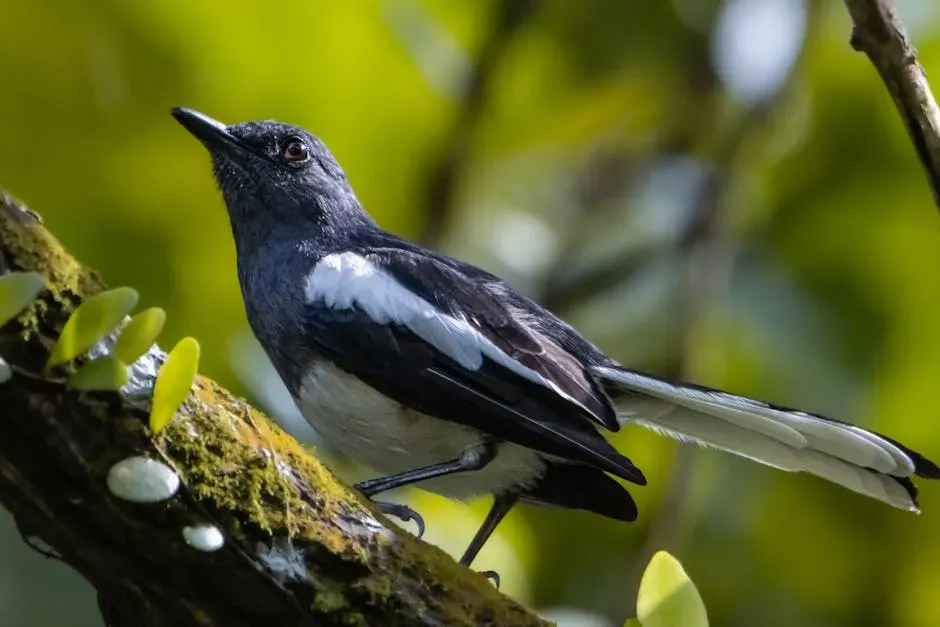
Across parts of China and neighboring regions the magpie carries a far brighter meaning. It stands for good fortune and happy reunions in many classic tales. A pair of the birds might signal an upcoming marriage or a welcome visitor.
Artists and storytellers there have long featured the magpie in paintings and poems as a bearer of glad tidings. The contrast with European views highlights how the same bird can inspire opposite feelings depending on cultural lens. Such differences show how local environments shape the stories people tell.
The Magpie’s Real World Behaviors
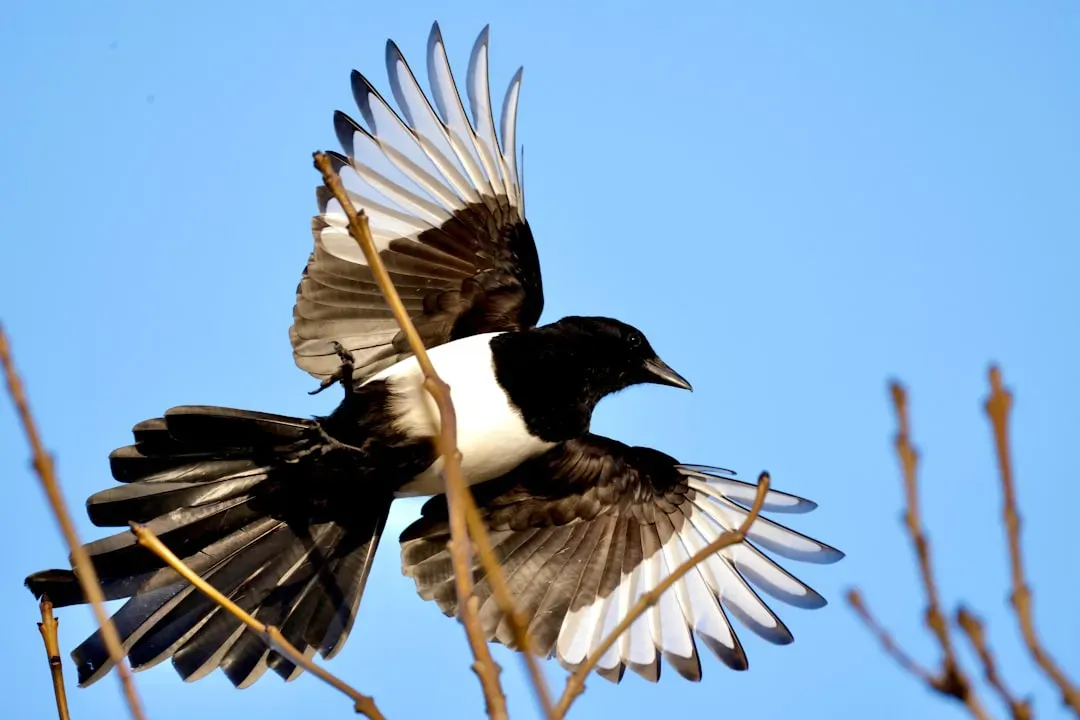
Magpies display remarkable intelligence that likely fed into the myths surrounding them. They cache food, recognize faces, and even mimic sounds with surprising skill. These traits set them apart from many other garden birds and made them memorable to observers.
Their habit of collecting shiny objects added fuel to tales of thievery and hidden treasures. In reality the behavior serves practical purposes like marking territory or attracting mates. Still, the visible antics gave storytellers plenty of material to work with across centuries.
Appearances in Classic Literature
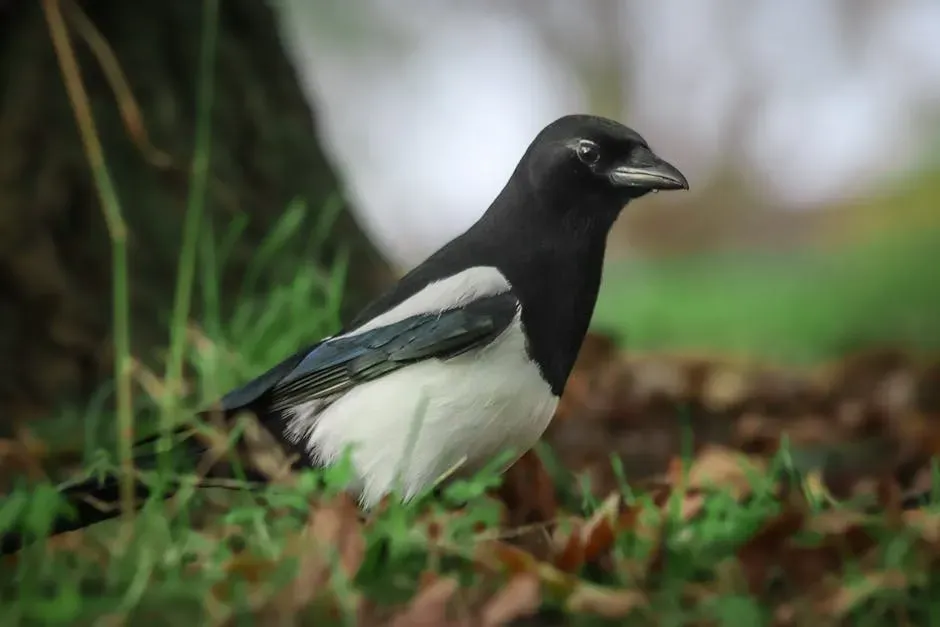
Writers from earlier eras sometimes placed magpies in scenes that underscored themes of gossip or clever survival. The birds appeared in fables and poems as characters that observed human folly from a safe distance. Their presence often added a layer of quiet commentary to the narrative.
Over time these literary nods helped keep the bird’s mythic status alive even as daily life changed. Readers encountered the magpie not just in fields but on the page where its image carried extra weight. The pattern continues in more recent works that revisit old symbols with fresh eyes.
Superstitions and Everyday Encounters
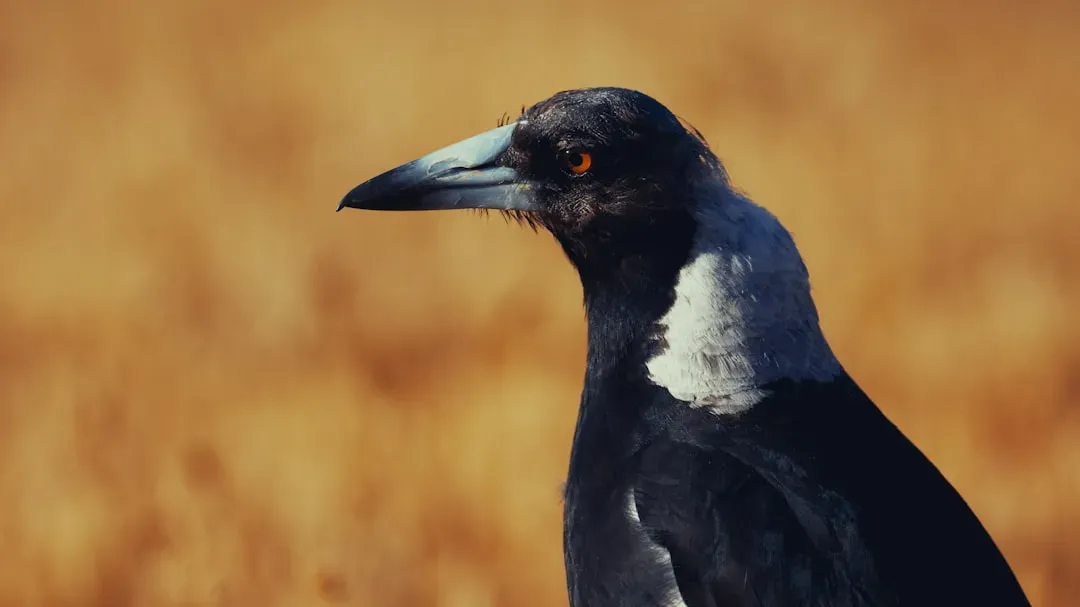
Many people still pause when they see a lone magpie and wonder whether to salute it or count the next one. The habit lingers in rural areas and among those who enjoy folk customs. It turns an ordinary walk into a small ritual that connects the present to the past.
Modern sightings sometimes spark conversations about whether the old meanings still hold any weight. Some dismiss the ideas as charming relics while others find quiet comfort in the continuity. Either way the bird keeps its place in casual talk and seasonal observations.
The Enduring Appeal of These Tales
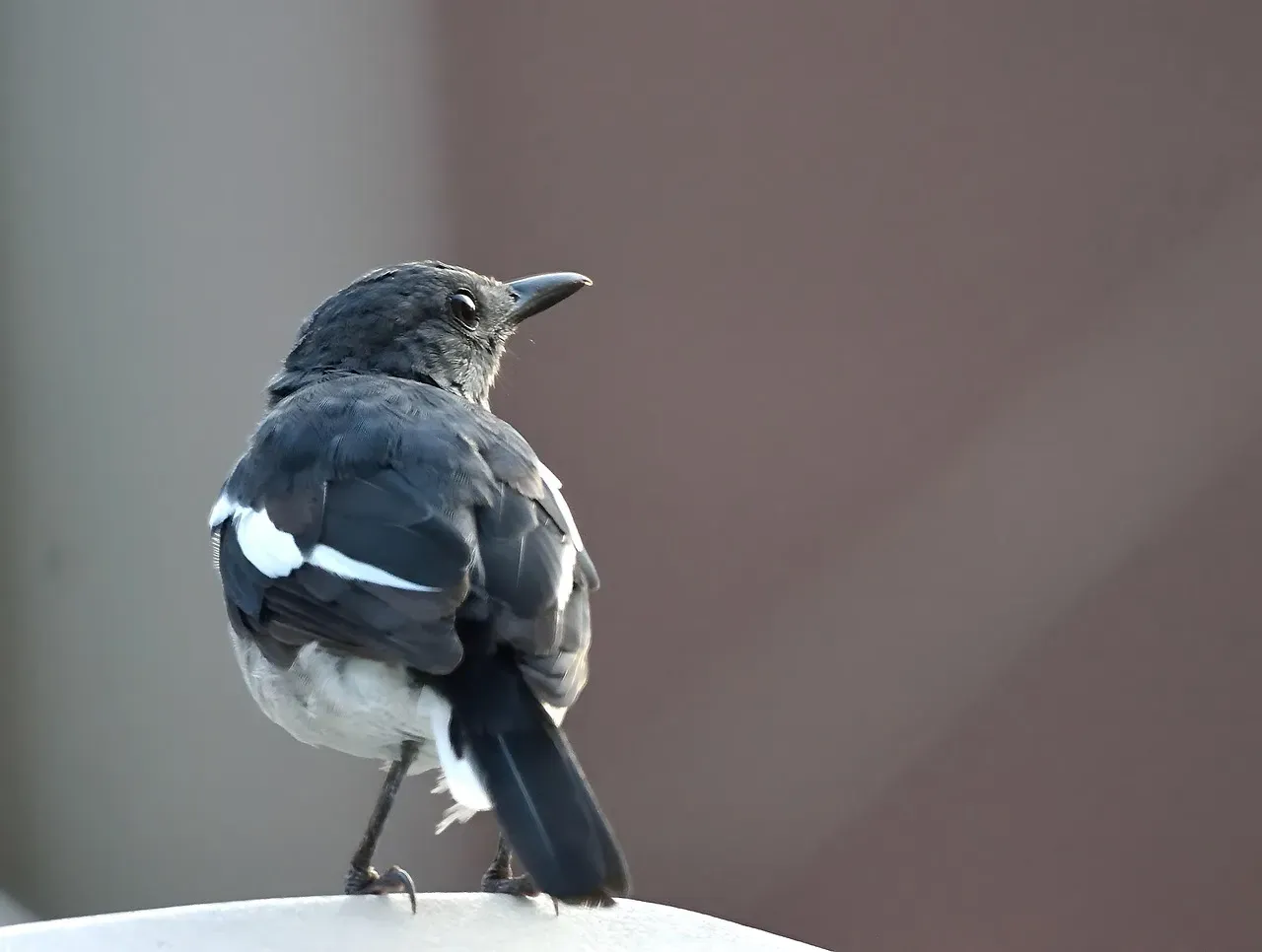
Myths about the magpie persist because they tap into a basic human need to find patterns in the natural world. The rhyme gives shape to fleeting moments that might otherwise pass unnoticed. It turns a common bird into a storyteller in its own right.
These legends also remind us that wonder often hides in plain sight. A creature as adaptable as the magpie can carry centuries of meaning without losing its everyday presence. In that sense the stories enrich rather than obscure the simple pleasure of watching the bird go about its business. The magpie’s mythic life shows how folklore can keep ordinary encounters alive with quiet significance long after the original tellers have gone.

- What Your Dog Is Really Trying to Tell You: A Complete Guide to Understanding, Caring For, and Deeply Connecting With Your Dog - July 21, 2026
- 12 Common US Birds You Never Knew Were Migrating Right Through Your Backyard - July 21, 2026
- 12 Amazing Dog Breeds Known for Their Unwavering Loyalty to Their Owners - July 21, 2026