
The animal kingdom never ceases to amaze, and recent findings about certain bird species adopting tool use have left scientists astonished. This groundbreaking revelation not only highlights the intelligence of these fine-feathered creatures but also offers insights into the evolutionary significance of tool use in animals. But which bird species have joined this elite club, and why have they now begun to use tools? This article delves into this fascinating development, providing an engaging exploration into the world of avian innovation.
Understanding Tool Use in Animals

Tool use in animals is a behavior that involves the manipulation of an object to achieve a specific goal. It is often associated with intelligence and problem-solving abilities. While humans are the most skilled tool users, several animal species, including apes, dolphins, and certain birds, have displayed these capabilities. Typically, animals use tools to obtain food or protect themselves, showcasing their adaptability and resourcefulness.
The Intelligence of Birds Revisited

For a long time, birds weren’t commonly associated with high-level problem-solving skills. Recent research, however, has upended these assumptions, revealing that avian intelligence is more complex than previously thought. Birds such as crows and parrots have demonstrated remarkable cognitive abilities, challenging the stereotype of bird intelligence being inferior to mammals.
The Newcomers: Which Bird Species Are Involved?

The most recent discovery involves a certain class of birds known as Egyptian vultures. These birds have been observed using rocks to break open ostrich eggs, a behavior that marks their entry into the exclusive group of tool-using animals. This species of vulture, known for their intelligence, highlights the diverse range of birds capable of using tools efficiently.
Why Now? Uncovering the Trigger
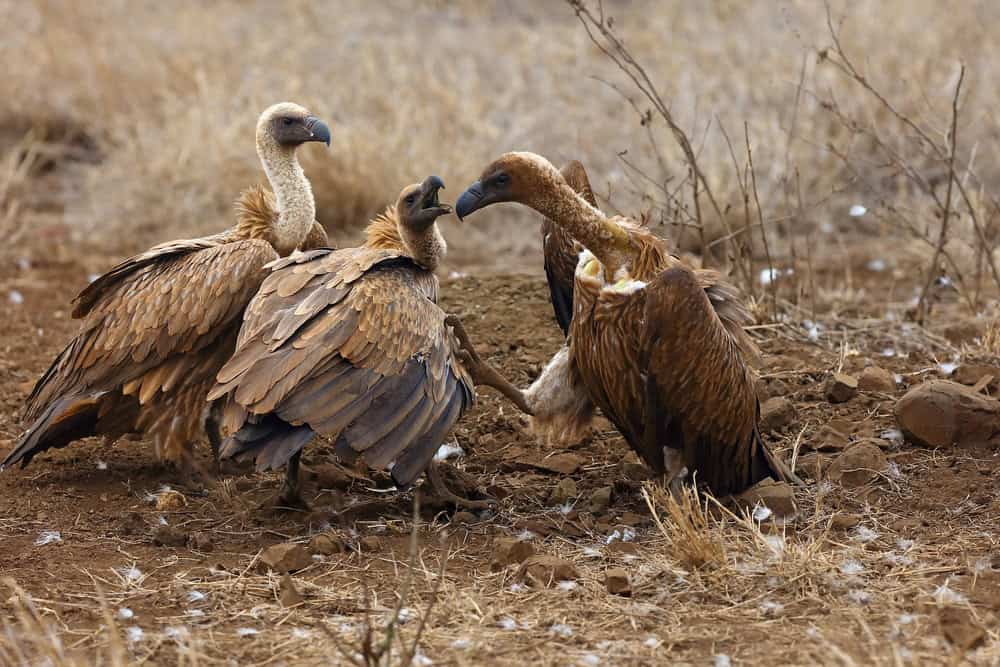
The introduction of tool use in these avian species raises the question: why now? Environmental changes and food scarcity are major factors driving innovation. In regions where natural resources have dwindled, birds like the Egyptian vulture have adapted by developing new strategies for survival, thus prompting the use of tools.
The Mechanisms Behind Tool Use

Tool use by birds involves observational learning, mimicry, and experimentation. Birds observe peers or environmental phenomena and attempt to replicate successful outcomes. This behavior demonstrates not only cognitive ability but also a form of cultural transmission, where knowledge is passed across generations, leading to enhanced survival strategies.
Comparative Analysis: Birds vs. Other Animals

Although other animals also use tools, birds stand out due to their unique problem-solving strategies. Unlike primates that use hands to manipulate objects, birds have adapted the use of their beaks and feet to interact with tools, showcasing remarkable anatomical adaptation and ingenuity.
The Impact on Ecosystems

Tool use by birds can have profound effects on ecosystems. In the case of scavenging birds like vultures, the ability to access previously unreachable food sources can alter their diet and feeding patterns, subsequently influencing ecological balances. Such adaptations can change predator-prey dynamics and affect the nutrient flow within an ecosystem.
The Role of Evolution

The evolution of tool use among birds is a subject of significant interest in understanding adaptive behaviors in animals. Evolutionary pressures, such as changing climates and food availability, act as catalysts for the development of such complex behaviors, illustrating evolution’s role in shaping animal intelligence and innovation.
Observational Studies and Challenges

Scientific studies observe these behaviors through meticulous fieldwork and sometimes controlled experiments. However, studying tool use in birds presents challenges, including the birds’ high mobility and sometimes remote habitats, requiring innovative methodologies to accurately capture and analyze their behaviors.
Implications for Conservation

The discovery of tool use in birds can have positive implications for conservation efforts. Understanding these species’ adaptability may inform conservation strategies, as tool-using abilities could enhance bird survival rates in habitats that are under threat from environmental change or human activity.
The Beginnings of an Avian Revolution?
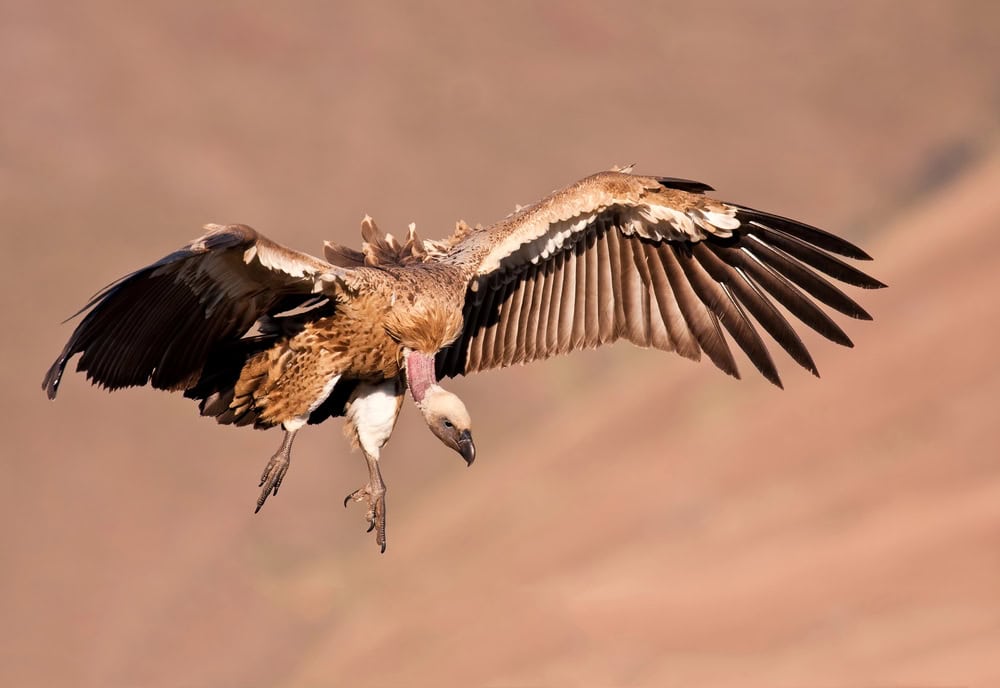
As we uncover more about our avian counterparts and their capabilities, it’s clear that understanding bird behavior can offer us insights into the natural world and our evolutionary past. The entry of birds like the Egyptian vulture into the tool-using fold is both an exciting development and a testament to the adaptive potential and intelligence inherent in these incredible creatures. With ongoing research, who knows what other talents these fascinating birds might reveal?

- Could the Tasmanian Tiger Be Brought Back to Life? - July 21, 2026
- Why You Should Never Approach a Sleeping Hippo - July 21, 2026
- The Truth About Hyena Intelligence and Social Power - July 21, 2026