
Squirrels are often seen as solitary creatures, darting through parks and backyards in search of food. However, some squirrel species display surprising levels of cooperation and organization reminiscent of a military unit. This article delves into the fascinating world of these remarkable rodents, exploring how they communicate, organize, and defend themselves in the wild.
Understanding Squirrel Social Structures

Squirrels are diverse, belonging to the Sciuridae family, which includes over 200 species. While many are known for their independent lifestyles, certain species exhibit complex social behaviors. These social structures allow them to thrive in various environments, surviving threats and ensuring their communities’ prosperity.
The Charm of Ground Squirrels
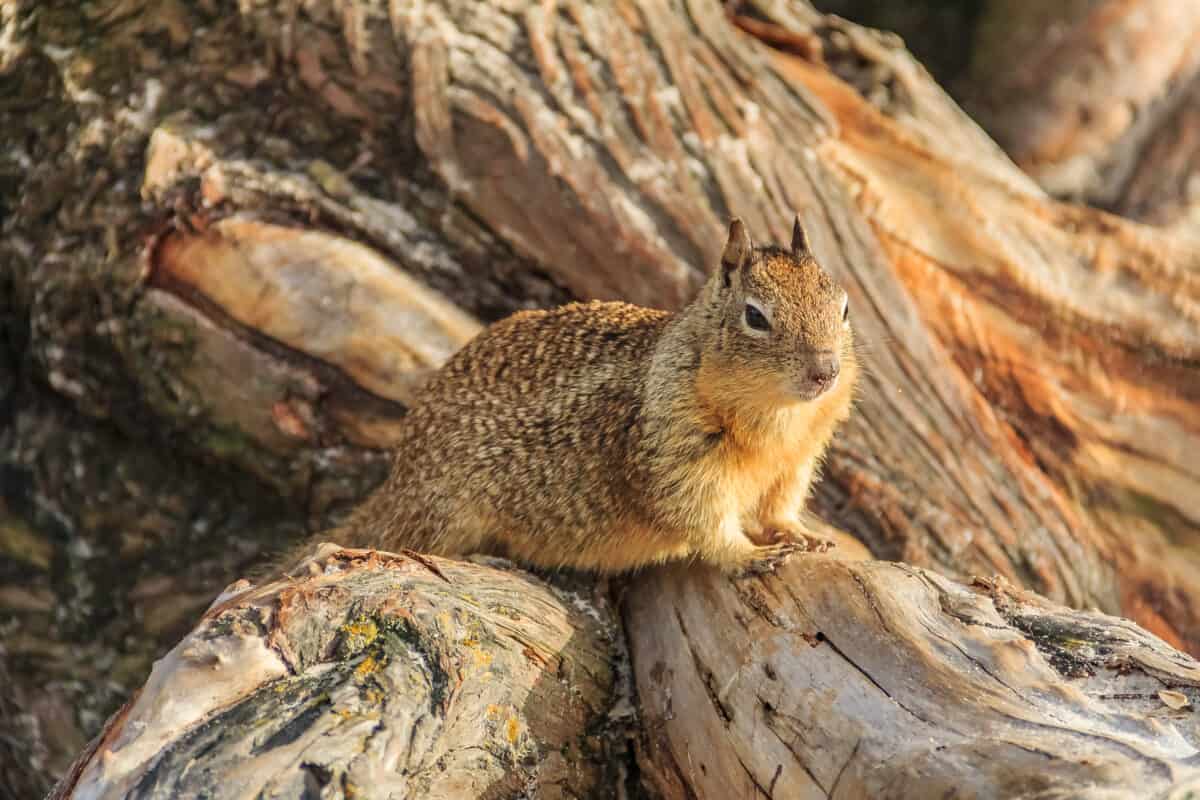
Ground squirrels, unlike their tree-dwelling counterparts, showcase the most sophisticated social structures. Found in parts of North America and Eurasia, they live in colonies, which can range from a few individuals to nearly 20. Their intricate burrow systems rival the organization of military bases, complete with designated areas for food storage, nesting, and lookout points.
Communication Techniques: Nature’s Code
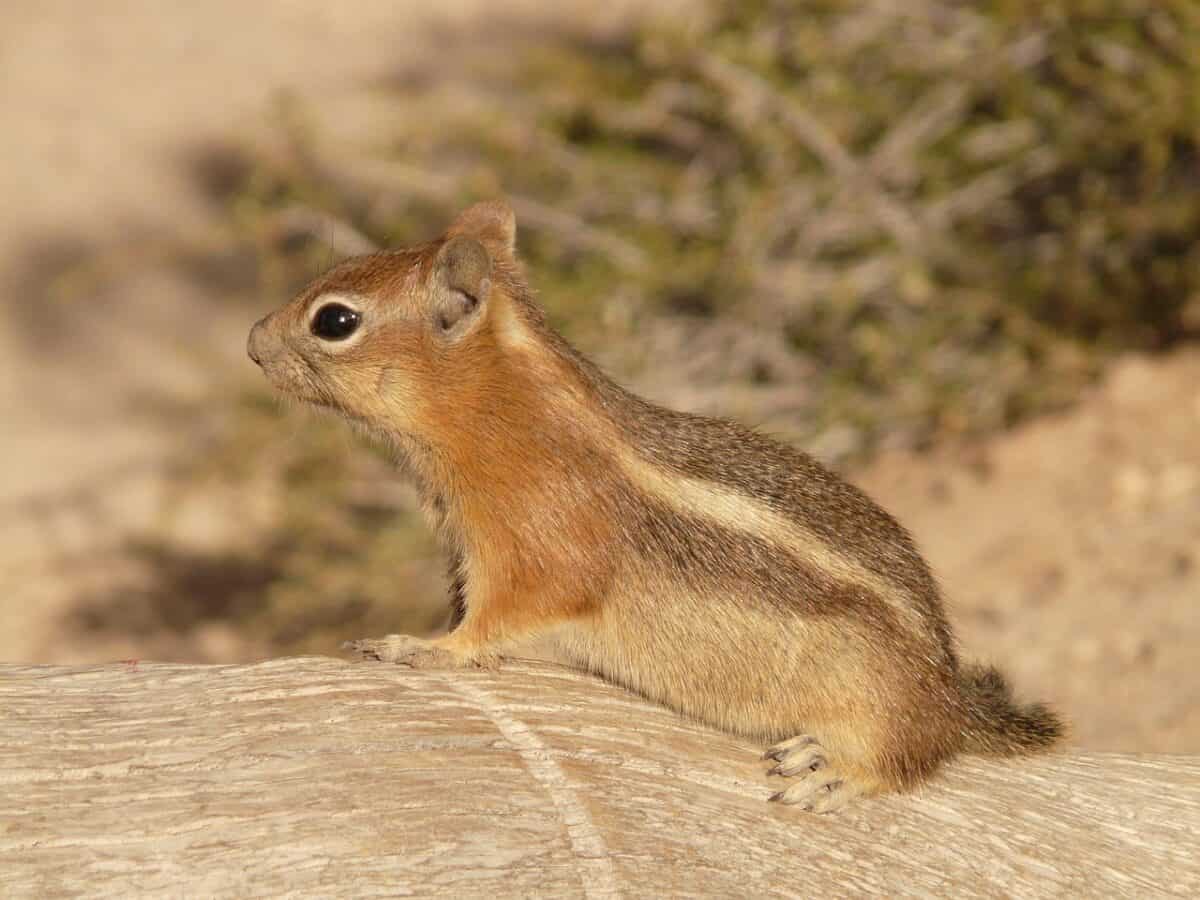
Squirrels have developed an impressive range of vocalizations and body language to communicate crucial information. These communication methods include warning calls that alert the group to potential dangers, coordination calls for group movement, and vocalizations indicating food discovery. Such communication ensures that all group members remain alert and informed, a practice similar to military communication networks.
Defensive Strategies: The Squirrel Patrol

When it comes to defense, ground squirrels exhibit tactics akin to military strategies. Sentinels, usually older or more experienced members, keep watch while others forage or rest. Upon spotting a predator, they sound an alarm, prompting others to retreat to safety or take defensive measures. This organized vigilance enables them to deter predators such as snakes, birds of prey, and foxes.
Coordinated Foraging: The Squirrel Squad

Squirrels are expert foragers, relying on their keen sense of smell and memory. Cooperative foraging in some species involves sharing information about food sources, ensuring that their group has sufficient resources. This behavior not only maximizes food collection but also fosters group cohesion and reduces competition within the colony.
Roles and Hierarchies: The Chain of Command
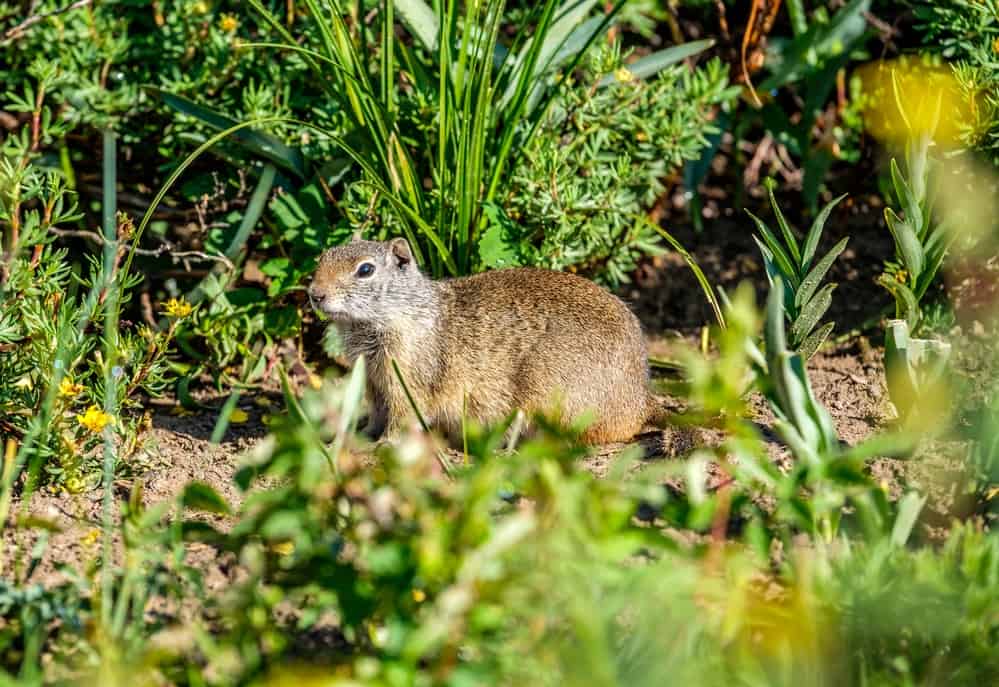
Much like a military unit, squirrel colonies operate under a hierarchy. There are dominant and subordinate individuals, with roles sometimes shifting based on age, experience, or circumstances. This hierarchy helps maintain order, with dominant squirrels leading colony decisions regarding movement or expansion to new territories.
Clever Camouflage and Evasion Tactics
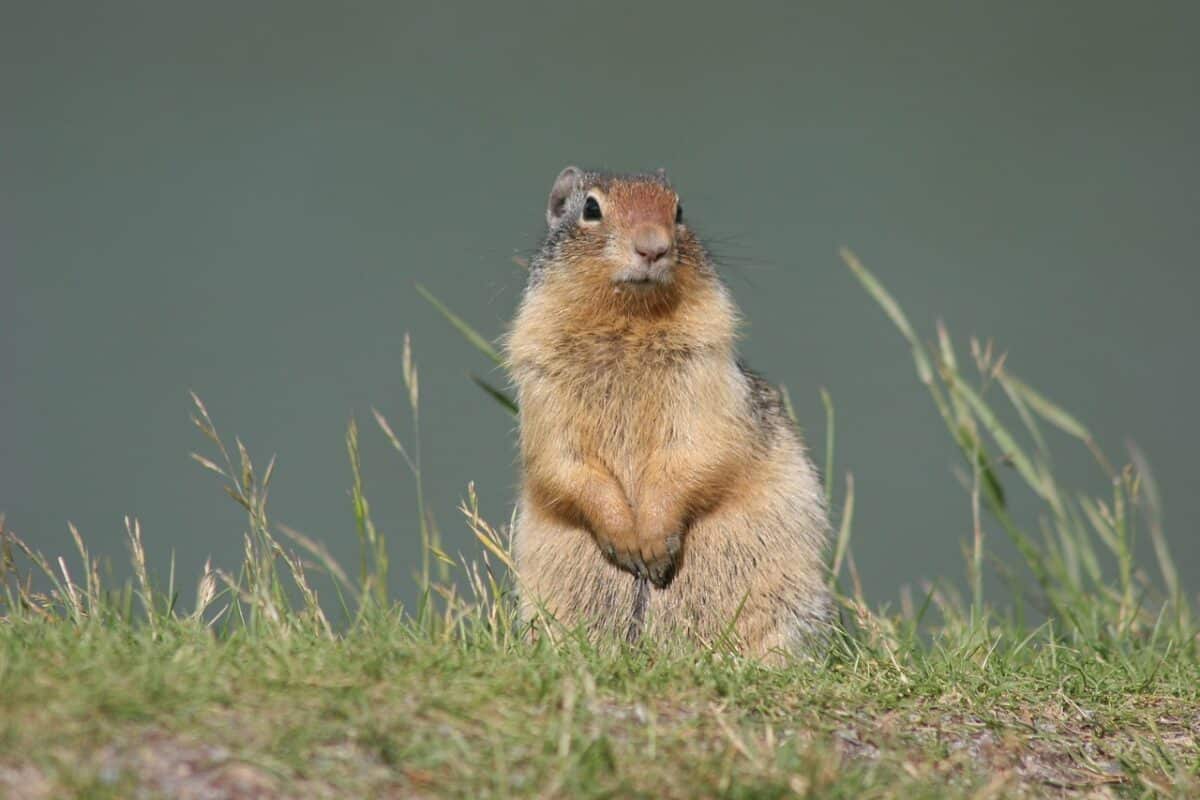
Aside from their organized structure, squirrels employ clever tactics to avoid predators. Some species use deceptive movements or create misleading footprints to confuse pursuers. Their agility and speed are natural assets, allowing quick escapes into trees or burrows, leaving predators bewildered.
Planning for the Future: A Strategic Reserve
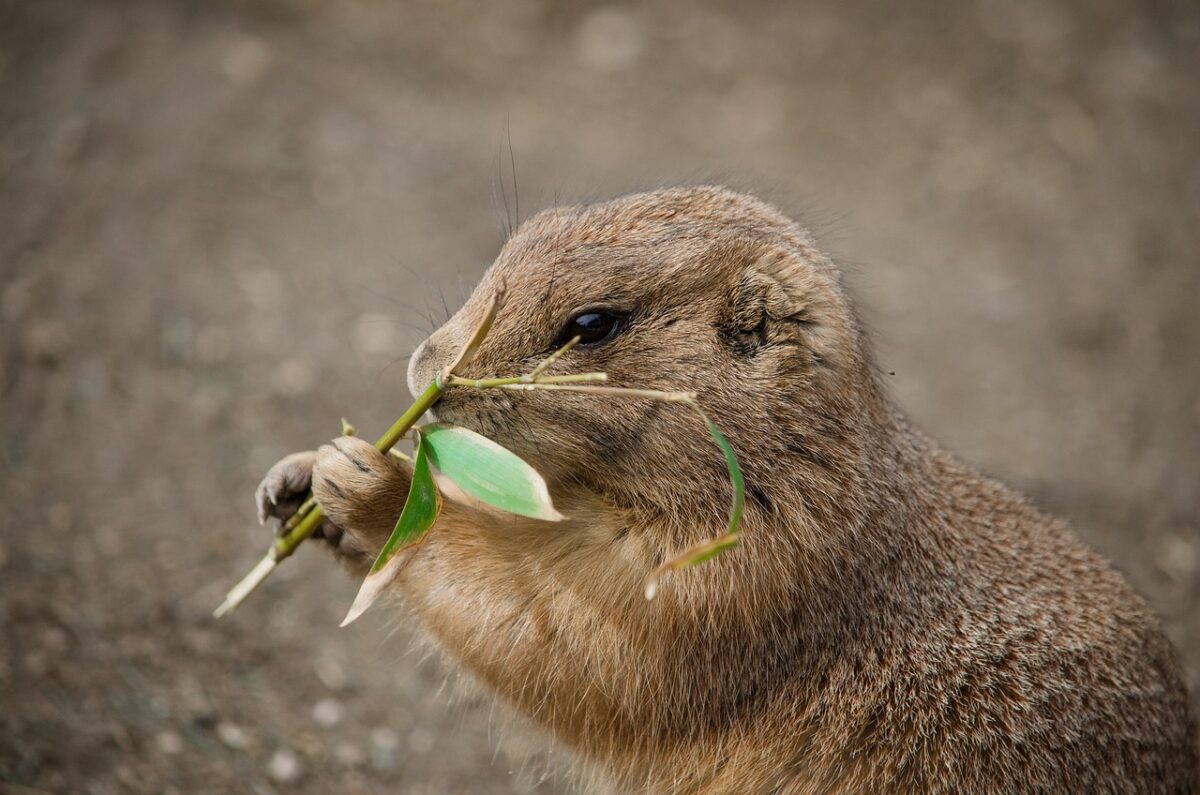
Planning and preparation are vital for squirrel survival. They stockpile food meticulously, creating various caches that serve as reserves during sparse seasons. Unlike haphazard hoarding, these systematic stockpiles reflect careful planning, comparable to a military’s logistical support system, ensuring sustainability during adverse conditions.
Parenting and Social Learning
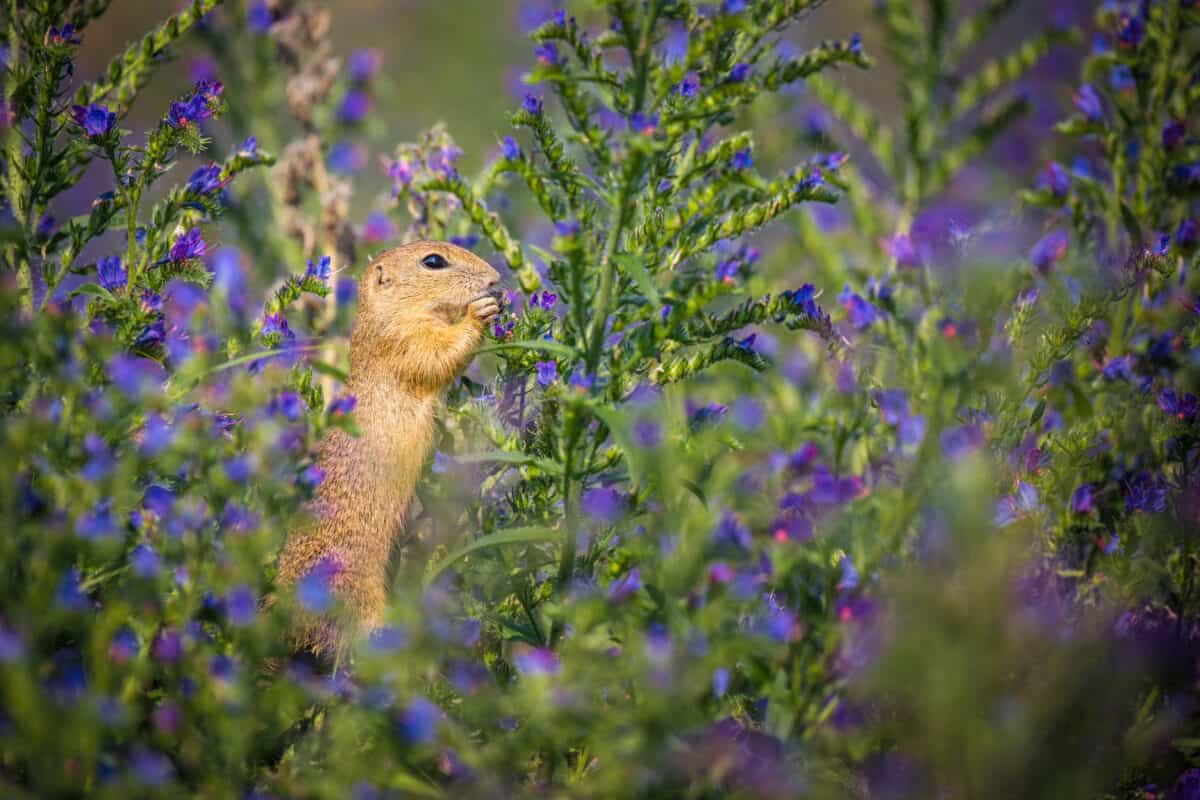
Squirrel parents play a crucial role in educating their young, teaching them survival skills and social behaviors. Juveniles learn by observing adults, integrating into the colony through play and mimicry. This social learning is fundamental, fostering skills essential for cohesive group functioning and survival.
Adapting to Challenges: Innovation in the Wild

Squirrels are master adapters, rapidly adjusting to environmental changes and human encroachment. Their innovative problem-solving abilities allow them to exploit new food sources, navigate urban landscapes, and adapt their social structures, ensuring resilience in diverse habitats.
Long-Term Impacts on Ecosystems

The cooperative behavior of social squirrels significantly impacts their ecosystems. By dispersing seeds and creating burrows, they contribute to soil aeration and plant propagation. These actions help maintain ecological balance, underscoring their importance beyond simple foraging animals.
Conclusion: Lessons from the Rodent Army
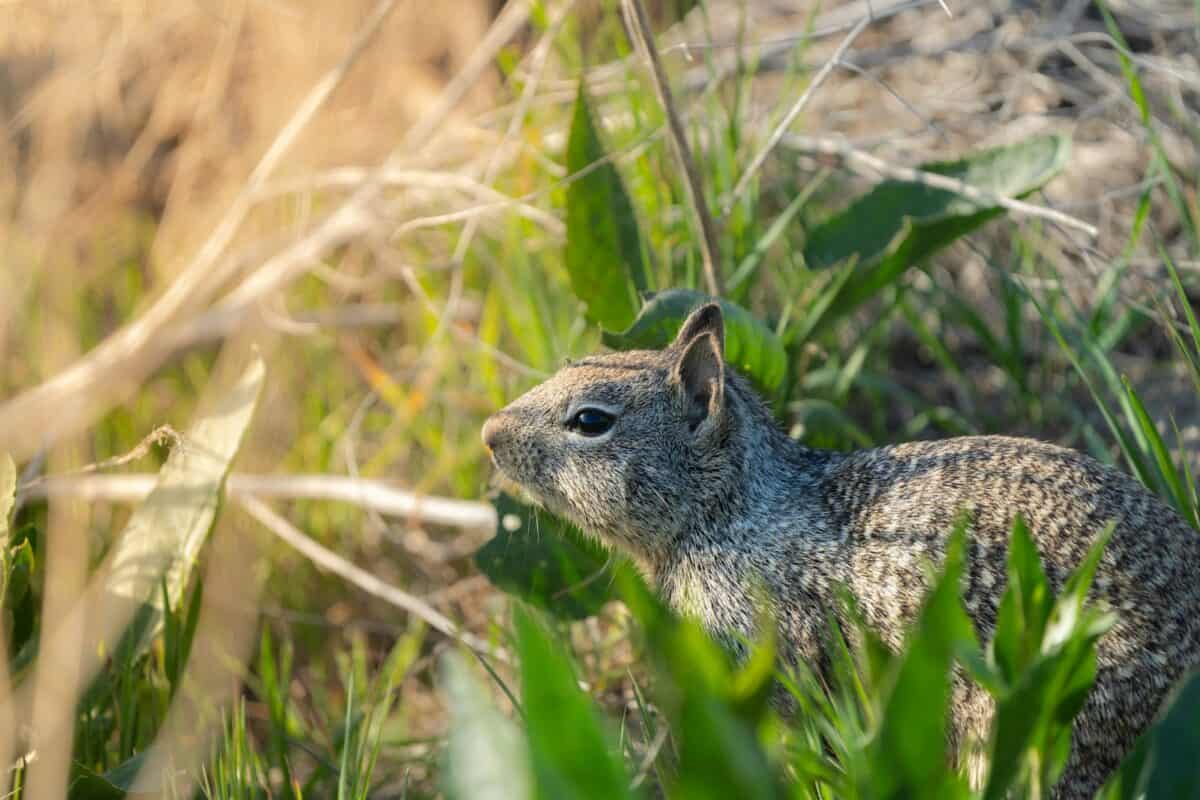
Squirrels might not typically evoke images of military precision, but their behaviors offer fascinating insights into collaboration and resilience. Their intricate social structures, effective communication, and strategic planning rival human ingenuity. By observing these remarkable creatures, we glean understanding into the complex interplay of adaptation and cooperation in the animal kingdom.
In conclusion, the world of these synchronized squirrels serves as an intriguing lens through which we can appreciate the sophisticated natural strategies that sustain life on Earth. The balance they maintain within their communities offers valuable lessons in cooperation, innovation, and stewardship, reflecting the intricate beauty of nature’s grand design.

- The Story of the Arctic Fox’s Incredible Seasonal Transformation - July 18, 2026
- 10 Most Venomous Snakes in US National Parks - July 18, 2026
- The Moth That Drinks Blood - July 18, 2026