


The concept of bringing extinct species back to life might sound like science fiction, but with the advancements in genetic technology, it is becoming a potentially achievable goal. De-extinction, particularly the revival of woolly mammoths, fascinates both scientists and the public. However, the road to resurrecting these ancient giants is complex and filled with scientific, ethical, and environmental considerations. Are we truly ready for the return of the woolly mammoth? Let’s explore the science and implications behind this captivating endeavor.
Understanding De-Extinction

De-extinction, also known as resurrection biology, refers to the process of creating an organism that is a proxy of an extinct species. This is typically achieved using advanced genetic techniques like cloning or genome editing. The ultimate goal is to reintroduce these species into their former ecosystems, with hopes of restoring ecological balance.
The Woolly Mammoth: A Brief History

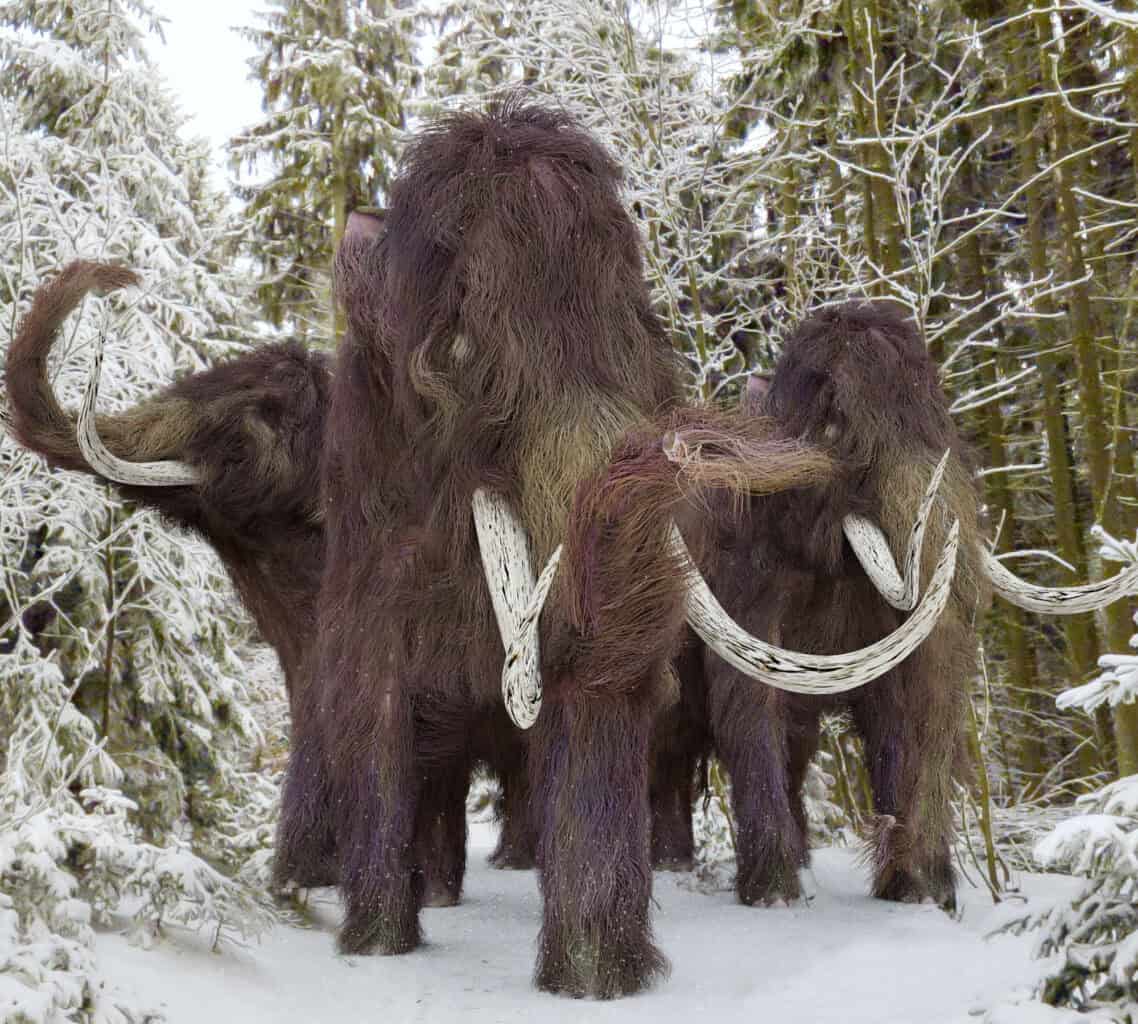
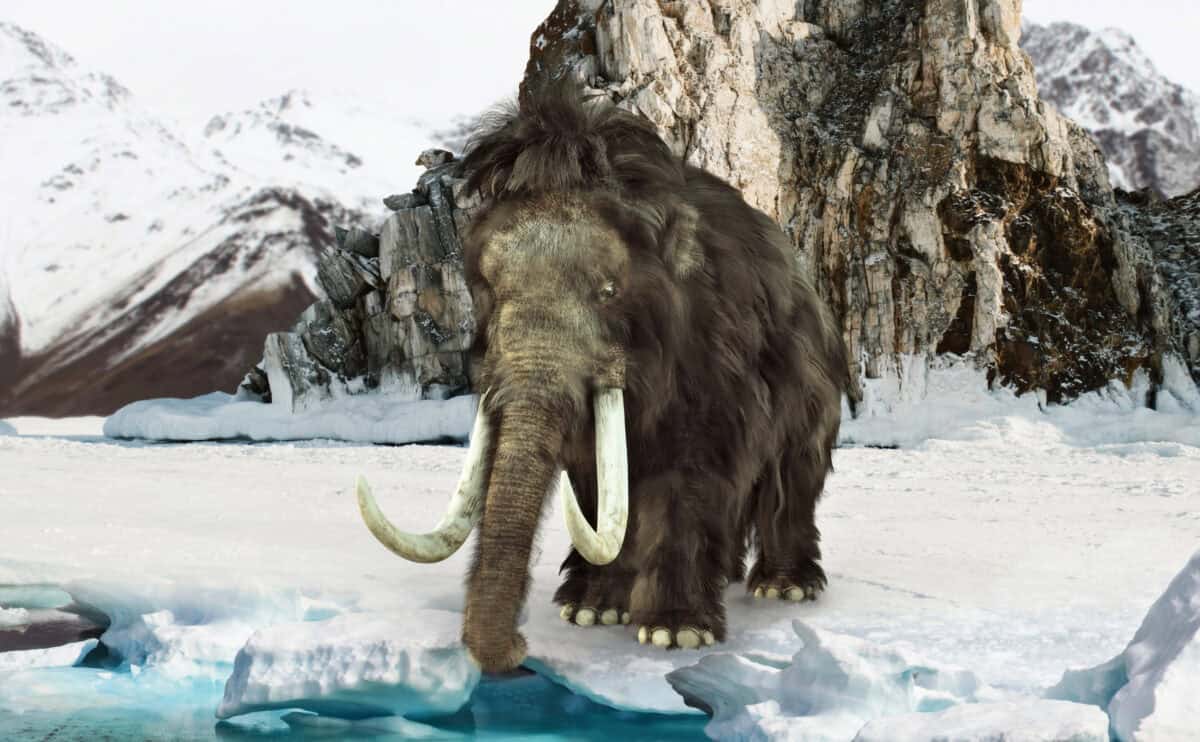
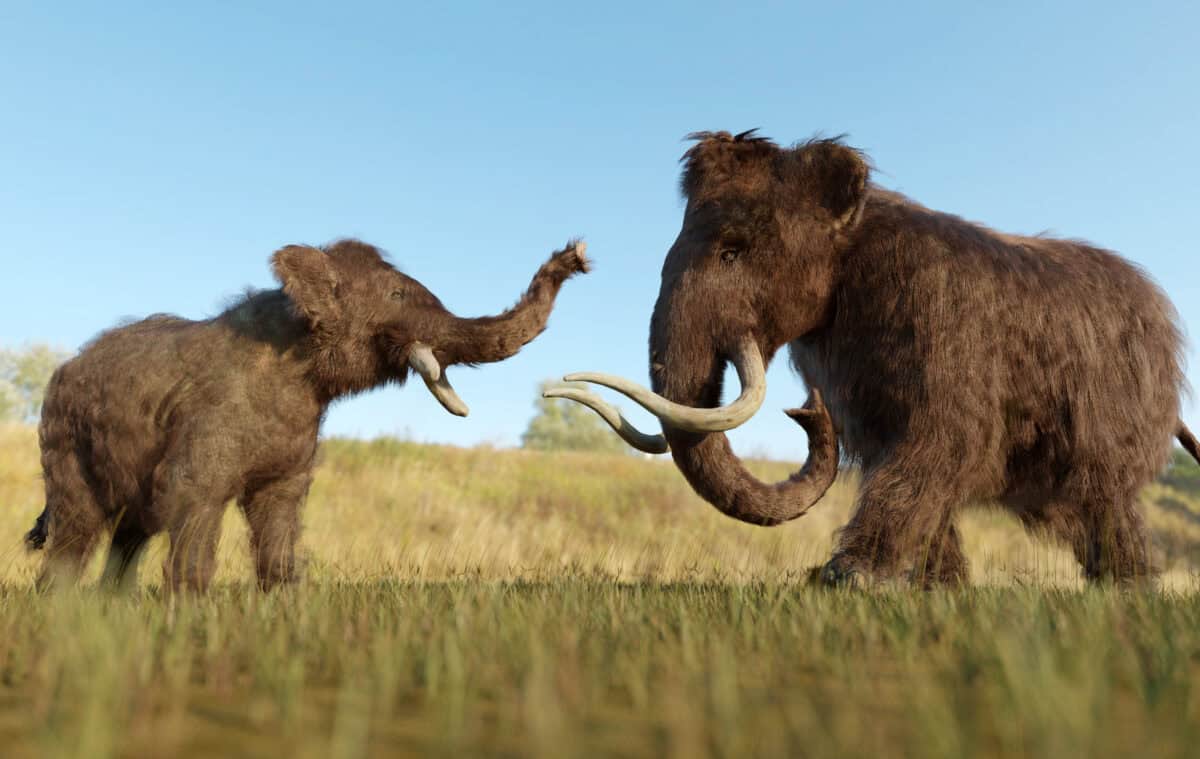
The woolly mammoth, a close relative of today’s elephants, roamed the Earth during the Pleistocene epoch until about 4,000 years ago. These massive creatures were well-adapted to cold environments and played a crucial role in their ecosystem, influencing vegetation patterns and maintaining grasslands.
Key Players in De-Extinction Research

Several organizations and researchers are leading the charge in de-extinction efforts. Notable among them is the Harvard Woolly Mammoth Revival Team, led by renowned geneticist Dr. George Church. Their work involves editing elephant genes to include mammoth-like traits using CRISPR technology.
CRISPR: Unveiling Genetic Modification
CRISPR-Cas9 technology allows scientists to edit DNA with precision. By inserting genes responsible for specific traits, like cold resistance, into the genome of the Asian elephant, researchers aim to create a hybrid that closely resembles the woolly mammoth. This powerful tool is central to de-extinction strategies.
Cloning: An Alternative Approach
Another method of de-extinction involves cloning, which would require finding viable mammoth DNA samples. While scientists have recovered well-preserved mammoth specimens from permafrost, obtaining intact DNA suitable for cloning remains a significant challenge.
The Role of Ethics in De-Extinction
Ethical considerations weigh heavily on the de-extinction debate. Some argue that we have a moral obligation to revive species that humans contributed to extinguishing, while others express concern about the welfare of de-extinct organisms and the potential ecosystem disruptions they might cause.
Potential Environmental Impacts

The reintroduction of woolly mammoths could help restore Arctic tundra environments by transforming them into grasslands, potentially impacting climate change by slowing permafrost melt and carbon release. However, the long-term ecological consequences are still largely unknown.
Technological Challenges and Limitations

Even with CRISPR and cloning advancements, technical hurdles remain. The creation of a viable and self-sustaining woolly mammoth population requires overcoming issues such as genetic diversity, ecosystem integration, and breeding logistics.
Skepticism and Scientific Debate

While the prospect of seeing woolly mammoths roam the Earth is intriguing, the scientific community remains divided. Critics point out that resources might be better spent on conserving endangered species and habitats, rather than resurrecting extinct ones.
What Could a Woolly Mammoth Offer?

Beyond ecological restoration, woolly mammoths could contribute to science by offering insights into evolutionary biology and genetics. Understanding how they adapted to past climates could inform conservation strategies amidst current climate changes.
Public Perception and Cultural Significance
The idea of resurrecting mammals evokes strong emotions, intertwining with cultural narratives about human interaction with nature. Public enthusiasm or opposition can influence funding and policy decisions surrounding de-extinction efforts.
The Future of De-Extinction: Are We Ready?

The journey to bring woolly mammoths back is still in its early stages, fraught with scientific and logistic challenges. While the tools and knowledge are rapidly advancing, successful de-extinction requires careful consideration of ecological balance, ethical issues, and societal implications.
The resurrection of woolly mammoths poses intriguing possibilities for science, ecology, and culture. While we’re not completely ready to welcome these ancient giants back into the world, continued research and debate will guide the path forward. The choices we make now will shape the future of de-extinction and its role in our natural world.

From exploring the marine wonders in the Azores and witnessing the vast savannas of Kenya, to delving deep into the rich biodiversity of South Africa and traversing iconic landscapes in Australia and the US like Yellowstone, Chris's experiences are vast.
With a penchant for diving alongside sharks, the ocean holds a special place in his heart.
Through his academic insights, he champions wildlife conservation, striving with 'Animals Around The Globe' to cultivate a profound connection between humans and animals, enhancing our mutual appreciation.
Connect with him at Feedback@animalsaroundtheglobe.com.
- Best Places to See Tasmanian Devils - August 15, 2026
- 10 Venomous Animals in Texas — And 3 That Look Scary But Aren’t - August 15, 2026
- The Largest Animal Ever to Walk the Earth—And It’s Not a Dinosaur - August 15, 2026