


The African savannah is home to many awe-inspiring creatures, but few capture the imagination quite like the cheetah. With its sleek physique and unparalleled speed, the cheetah is not just the fastest land animal; it’s also one of the most effective hunters in the animal kingdom. This article explores the stealthy tactics that contribute to making cheetahs such incredible hunters. From their unique anatomy and behavior to their strategic use of the environment, let’s delve into the fascinating world of these magnificent predators.
Enhanced Vision for Spotting Prey

Cheetahs have exceptional eyesight, crucial for identifying prey from great distances. Unlike many other predators, cheetahs rely more on their vision than their sense of smell. Their large, forward-facing eyes offer a wide field of vision, which helps them spot potential targets from up to 5 kilometers away. This keen eyesight is an essential first step in their hunting process.
Perfect Camouflage The African Savannah

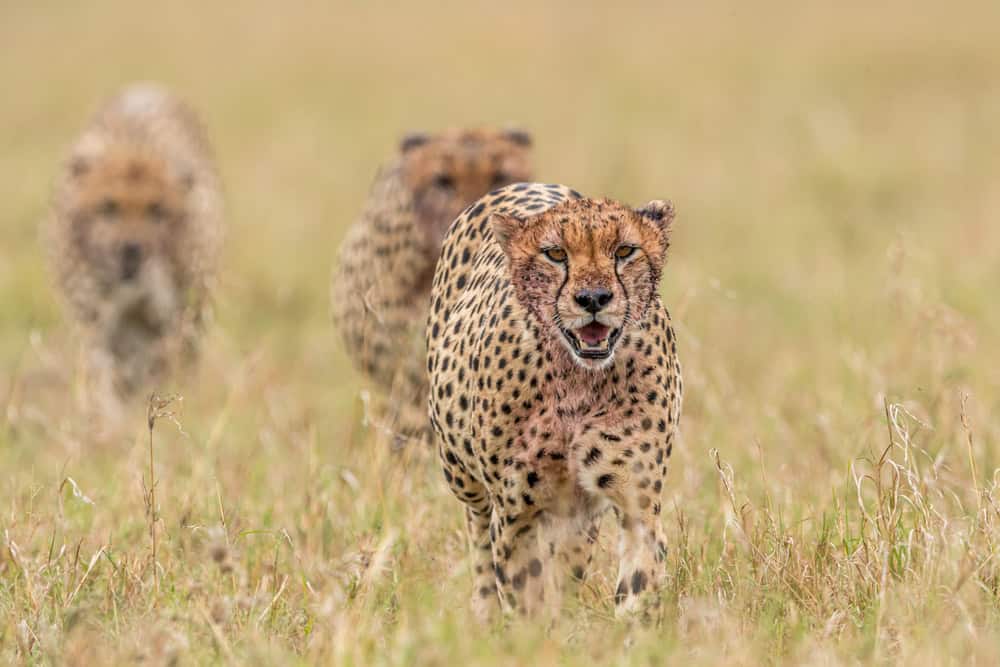
The cheetah’s coat is not just for show. It acts as a superb camouflage amidst the tall grasses and scatterings of the African savannah. The black spots on their golden fur break up their outline, which helps them blend seamlessly into their surroundings. This natural disguise allows them to get close to their prey before being detected.
A Silent Approach Stalking Techniques

Cheetahs are known for their unique stalking techniques. They keep low to the ground and are incredibly quiet as they approach their target. Moving stealthily, often in a crouched position, they use available cover such as tall grass and bushes to conceal their approach. This stealthy approach is crucial for getting within striking distance without alerting their prey.
The Burst of Speed Acceleration and Agility

Once close enough, the cheetah explodes with a burst of speed—reaching up to 60 miles per hour within a matter of seconds. It’s not just the speed that makes them successful hunters but also their incredible acceleration, which allows them to overtake even the swiftest of prey. Their lightweight frame, elongated spine, and powerful hind legs are finely tuned for rapid acceleration and quick directional changes, qualities necessary for catching high-speed prey like gazelles and impalas.
The Head Start Strategic Launch Points
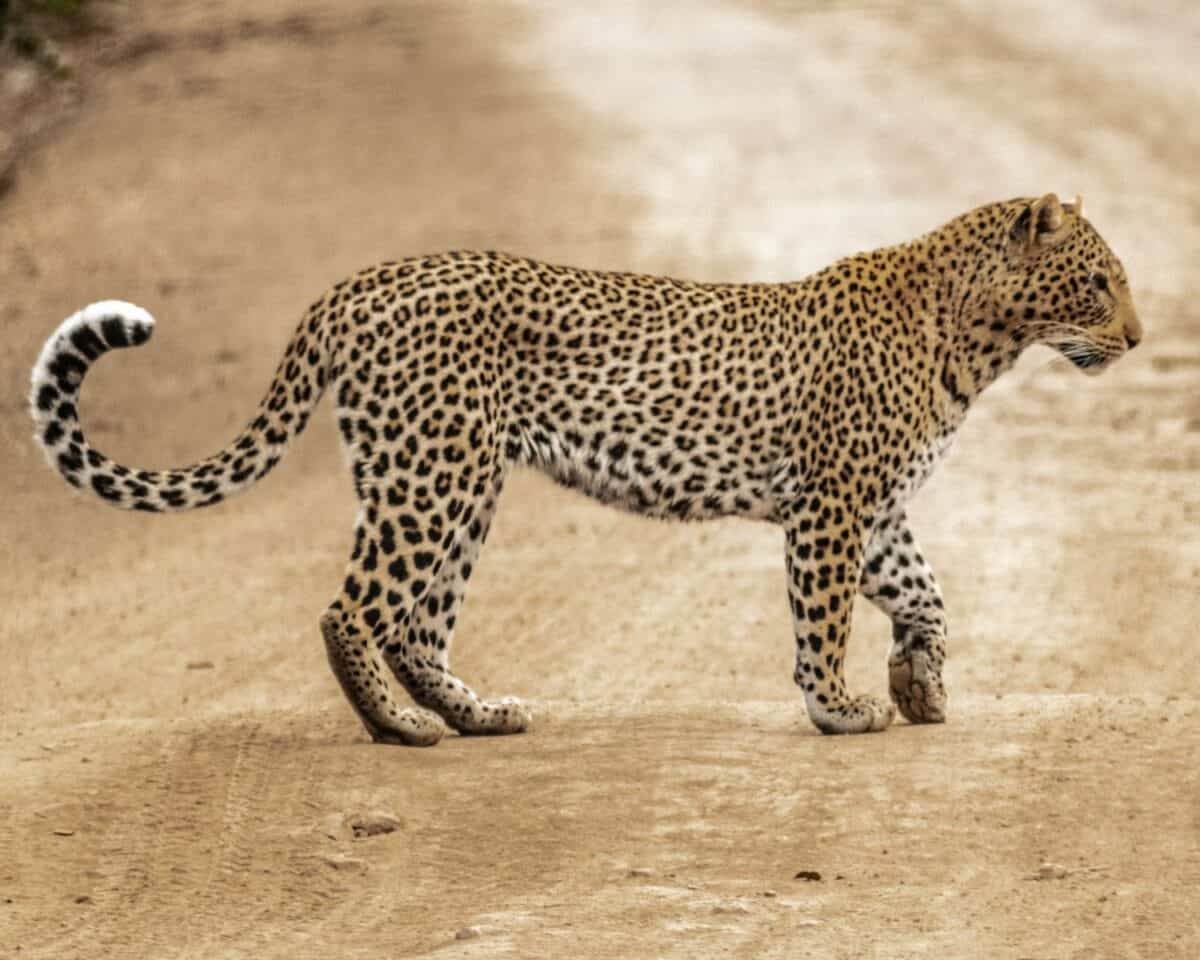
Cheetahs often choose elevated vantage points or specific locations to start their chase. By positioning themselves advantageously in the path of the herd or near natural bottlenecks, they can maximize their chances of success. They strategically use the landscape to dictate the direction of the chase, steering prey into areas where escape options are limited.
Coordination and Teamwork
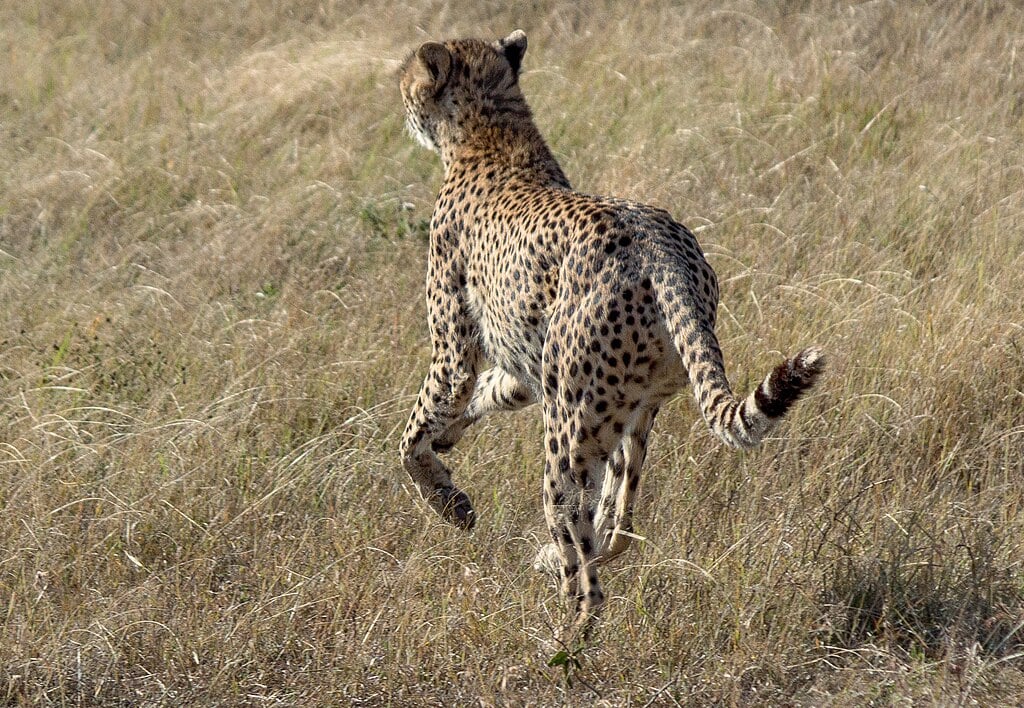
Though typically solitary hunters, female cheetahs sometimes work together with their cubs or form small groups called coalitions with other cheetahs. These coalitions, usually formed by male siblings, can tackle larger prey such as ostriches. Coordinated chases allow cheetahs to leverage numbers for increased hunting success.
The Fatal Move Precise Pouncing
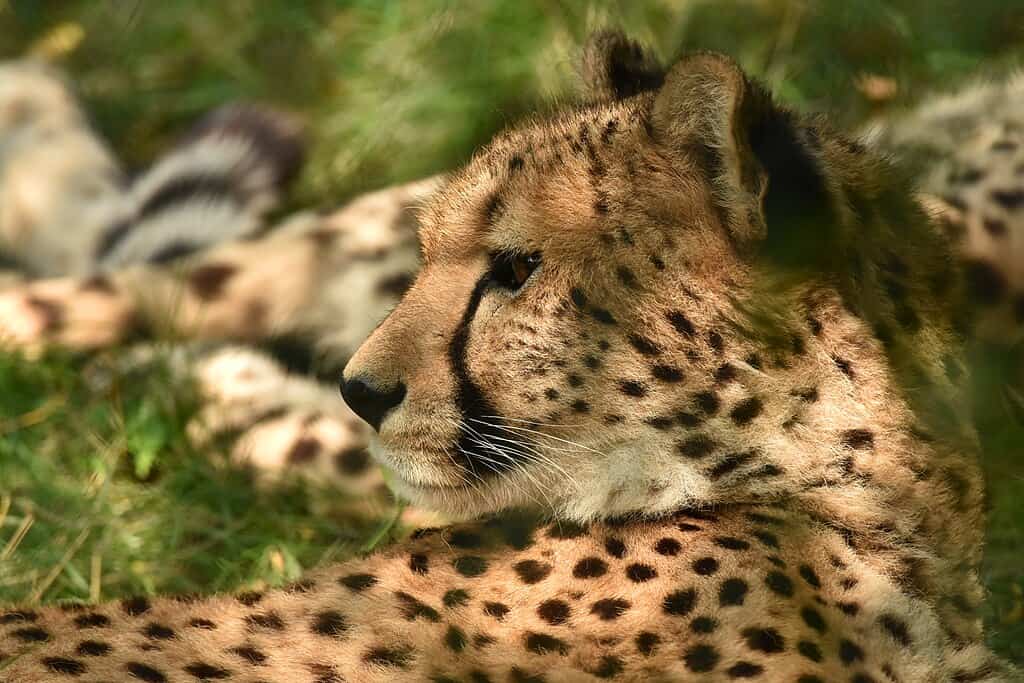
When a cheetah finally closes in on its prey, it uses its strong forelimbs, topped with semi-retractable claws, to trip the animal. These claws function similarly to those of track spikes, providing grip crucial for a secure catch. Once it trips its prey, the cheetah goes for the kill by delivering a suffocating bite to the neck.
Rest and Recovery The Energy Conservation Game

The cheetah’s immense burst of energy is exhausting. After a chase, a cheetah must rest and recover, often getting respite in shaded areas to cool down and conserve energy for its next hunt. It’s a delicate balance between conserving energy and expending it at just the right moment to secure a meal.
Caring for the Cubs Teaching the Art of the Hunt
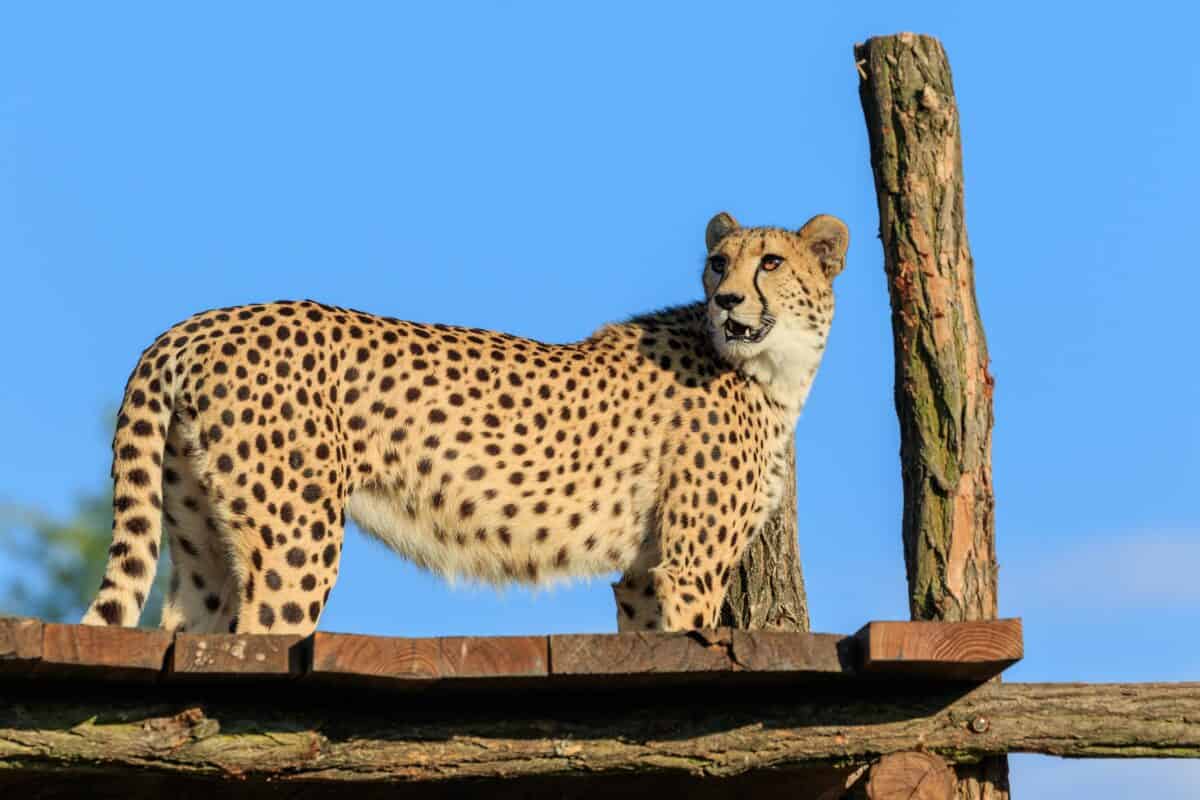
Adult female cheetahs play an essential role in teaching their cubs the skills needed for hunting. They bring back small, live prey to refine the cubs’ hunting techniques. These hunting lessons are vital, as only through practice can the young cheetahs hone the necessary skills to survive in the wild.
Honing Skills Natural Instincts and Learning

While cheetahs are born with some innate hunting instincts, their skills are perfected through experience and practice. Young cubs often engage in play that mimics hunting behaviors, such as stalking and pouncing, which is crucial for developing the techniques they will eventually use in real-world hunting scenarios.
The Role of Adaptation Evolutionary Wonders

The cheetah is a marvel of evolutionary adaptation. From its flexible spine and enlarged adrenal glands to its lightweight bone structure, every aspect of its anatomy is honed to make it a superb hunter. This evolutionary perfection, however, comes at a cost, as it has left the cheetah without some of the resilience seen in other big cats.
Conservation Challenges A Future at Risk

Despite their prowess as hunters, cheetahs face numerous threats in the wild, from habitat loss to human conflicts and decreasing prey populations. Conservation efforts are crucial to ensure their survival. Organizations around the world are working to create protected areas and implement programs to reduce human-wildlife conflict, to preserve these remarkable creatures and the ecosystems they inhabit.
Conclusion:
In conclusion, the cheetah’s hunting abilities stem from a combination of unique physical adaptations, cunning strategies, and learned behaviors. These elements together create a hunter both built and trained for speed and efficiency. However, as formidable as they are, cheetahs are increasingly vulnerable to environmental changes and human activities. Understanding and appreciating their hunting prowess is just one step toward ensuring their continued survival in the wild.

As a little kid, I fell in love with nature, wildlife, and animals. Living in the USA, South Africa, Italy, China and Germany gave me the opportunity to discover the world's Wildlife. My favorite animals are Mountain Gorillas, Siberian Tigers, and Great White Sharks.
I'm a certified PADI Open Water Diver, went to Everest Base Camp and Trekked Gorillas in Uganda. I hold a Master of Science in Economics and Finance.
Please send any feedback to feedback@animalsaroundtheglobe.com
- 13 Cat Breeds That Get Along with Dogs - July 20, 2026
- The 12 Largest Dog Breeds That Still Love to Cuddle - July 20, 2026
- 12 Pet Habits That Secretly Mean They Love You - July 20, 2026