


Hamsters are known for being energetic, often seen running tirelessly on their wheels throughout the night. While this nighttime activity might seem curious to human observers, it is a fundamental aspect of a hamster’s natural behavior. Understanding why hamsters exhibit such boundless energy during the night not only feeds our curiosity but also helps ensure we provide a nurturing environment for these delightful pets. In this article, we delve into the fascinating world of hamster activity and evaluate whether their nighttime workouts are beneficial for their health.
The Natural Instincts of Nocturnal Creatures

Hamsters originally hail from various parts of the world, including parts of Europe and Asia, where they thrived in specific ecological niches. In the wild, these small rodents are instinctively nocturnal, which means they are active at night. This behavior likely evolved as a survival strategy, allowing them to forage for food and avoid predators during the day. As such, domestic hamsters have retained their wild counterparts’ nocturnal habits, resulting in their notable nighttime activities.
Why Do Hamsters Run at Night?

Running at night serves multiple purposes for hamsters. It is primarily an expression of their natural need for exercise and mental stimulation. In the wild, hamsters can cover several miles each night searching for food and exploring their surroundings. Domestic hamsters attempt to mimic this extensive exploration within the confines of their cages by running on wheels or investigating their environment, contributing to their overall physical and mental well-being.
The Mechanics of Hamster Wheels
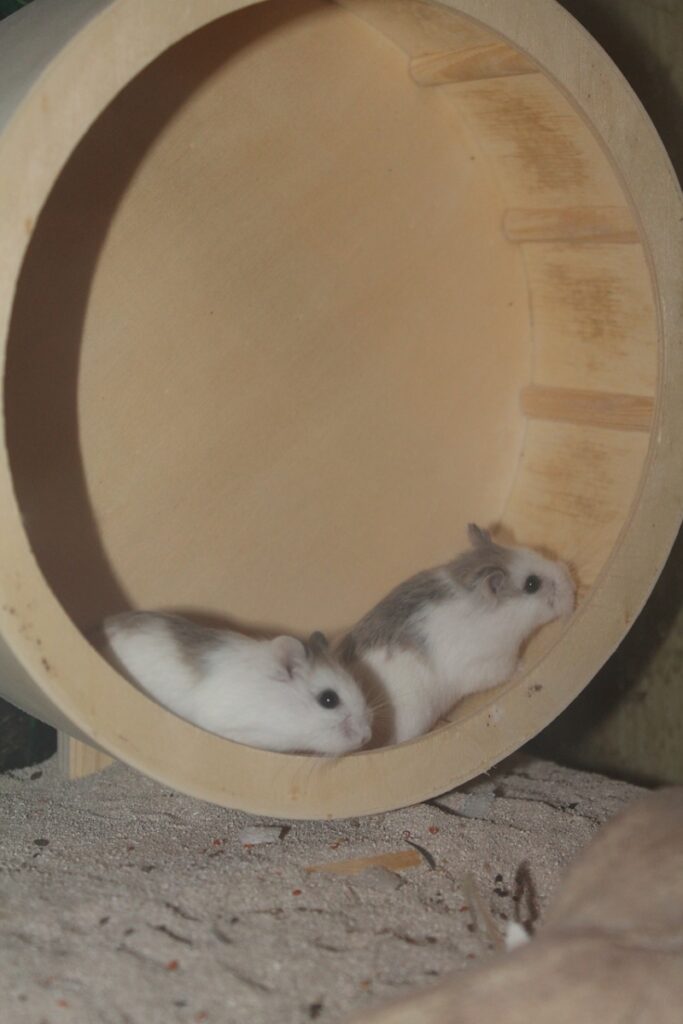
Hamster wheels are designed to accommodate the running needs of these small pets while providing a safe platform for exercise. They play a crucial role in helping hamsters expend their energy, as these wheels simulate the sensation of running over greater distances. The repetitive motion involved in running on a wheel is not only physically stimulating but also provides enrichment that is vital for a hamster’s mental health.
The Health Benefits of Running for Hamsters

When hamsters run, they engage in cardiovascular exercise that contributes to maintaining a healthy weight, promoting strong muscles, and ensuring adequate circulation. Furthermore, running offers mental stimulation, reducing the likelihood of boredom and stress, which are prevalent among pets kept in confinement. A hamster with regular access to exercise is generally healthier and happier.
Potential Risks of Overexertion
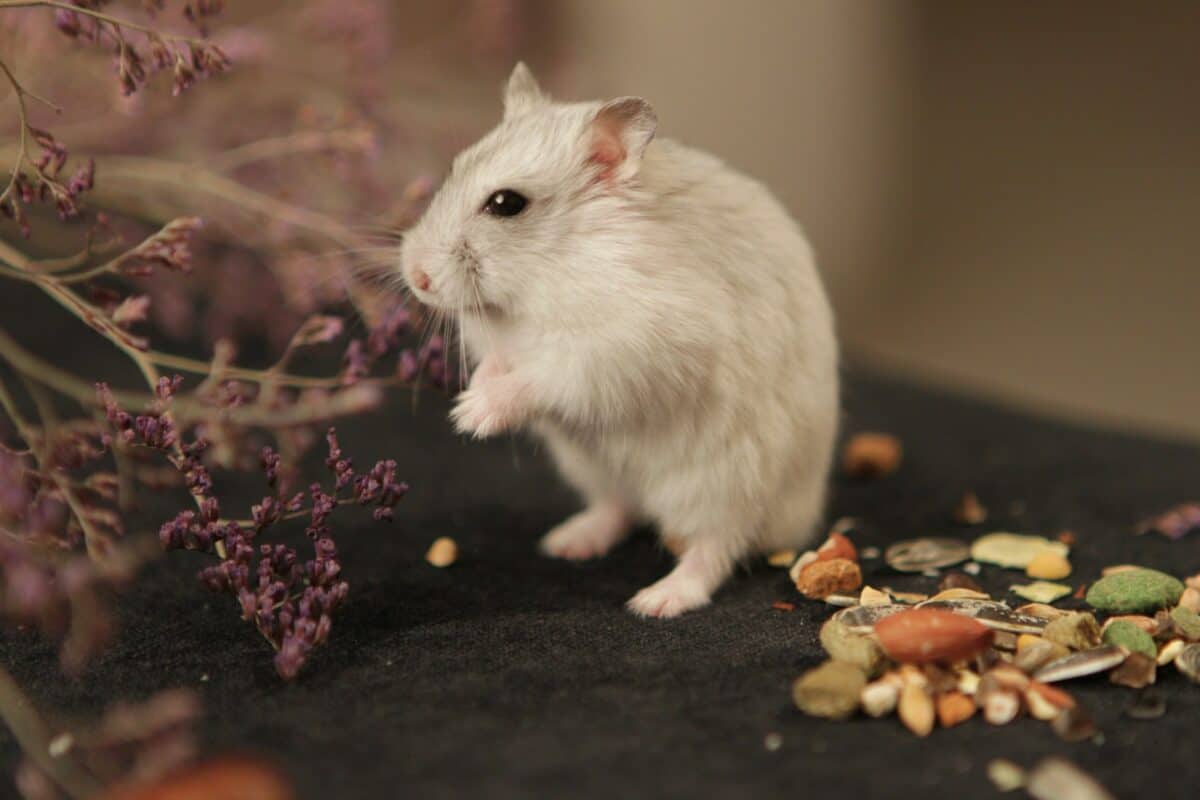
While exercising is essential, too much of it can lead to exhaustion or injury. Certain signs, such as intense panting or lethargy post-exercise, may indicate overexertion. It’s important for hamster owners to monitor their pets to ensure they take breaks and do not push themselves to unhealthy limits, especially on wheels that may not be appropriately sized or have adverse features like crossbars or rotating mechanisms that can catch fur and limbs.
Understanding Hamster Activity Patterns

Hamsters display crepuscular behavior, meaning they are most active during the dawn and dusk periods. Understanding these activity patterns can assist owners in planning interactions and feedings to align with the times when hamsters are naturally more alert and responsive. This alignment can foster a harmonious relationship and ensure the happiness of both pet and owner.
Setting Up the Ideal Hamster Habitat
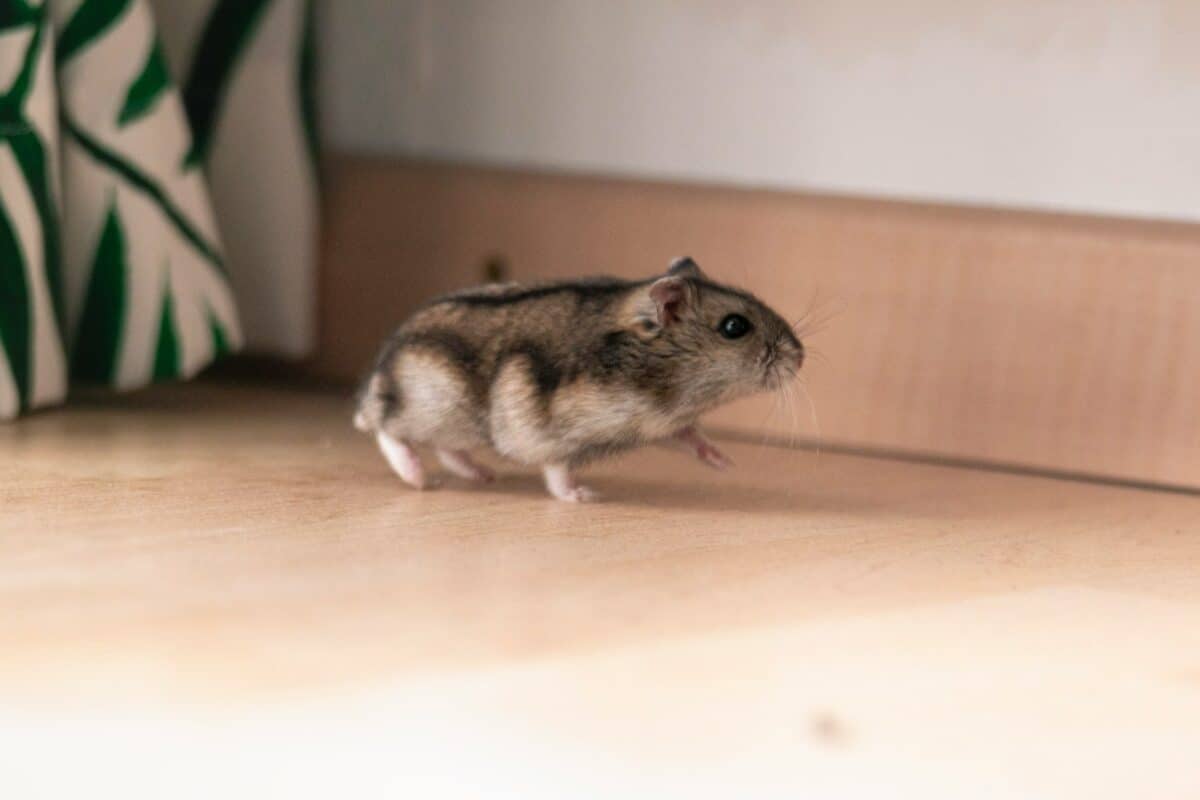
To support a hamster’s natural behaviors, it’s imperative to create an environment that offers ample opportunities for exploration and exercise. This includes providing a spacious cage, safe and appropriately sized running wheels, tunnels, and a variety of toys and materials for burrowing. A stimulating habitat encourages movement and exploration, reducing stress and promoting better health in hamsters.
The Importance of a Balanced Diet

A nutritious diet complements a hamster’s active lifestyle by providing the necessary energy and nutrients. This includes high-quality pellet food, fresh vegetables, occasional fruit, and protein sources like mealworms. Proper nutrition supports healthy bones, muscles, and overall vitality, allowing hamsters to fully enjoy their nightly exercise routines.
Is Running All Night Healthy for Hamsters?

In essence, running for extended periods during the night is generally healthy for hamsters, provided their environment is optimized for such activities. Ensuring that they have access to well-designed exercise equipment and a safe space to expel their energy minimizes the risk of injury and ensures that their physical and mental health needs are met.
Signs of a Satisfied and Healthy Hamster

A happy and healthy hamster is often seen exploring its environment, eating normally, grooming itself, and showing consistent energy levels. Observing these behaviors and monitoring for any changes can help owners take proactive steps in addressing potential health concerns. Routine veterinary check-ups are also essential to maintaining a hamster’s overall well-being.
Understanding the nighttime antics of hamsters leads to a greater appreciation of these fascinating creatures and their unique needs. By providing an enriching environment and caring for their nutritional and physical requirements, pet owners can ensure their hamsters enjoy a vibrant, healthy life. The rhythmic hum of a hamster wheel spinning through the night is a testament to the importance of respecting and nurturing the inherent traits of our beloved nocturnal athletes.

- How Crickets Chirp Using Their Wings - July 20, 2026
- The Largest Sea Turtle Ever Rescued Off North Carolina - July 20, 2026
- The Ocean’s Escape Artist: Why Octopuses Outsmart Us All - July 20, 2026