


When you think of bald eagles, majestic images of their white heads and powerful wings soaring through the sky probably come to mind. However, these iconic birds are not just symbols of freedom and strength; they are fierce predators with a savage side that might surprise you. From their hunting tactics to their aggressive behavior, bald eagles are more ruthless than many people realize. Let’s delve into these fascinating creatures and uncover the wild side of bald eagles through ten compelling examples.
The Power of Their Talons

Bald eagles possess incredibly powerful talons that are essential for their survival. These talons can exert a force of up to 400 pounds per square inch. To put this into perspective, that’s more than four times the grip strength of an average human hand. This immense power allows them to catch and carry prey that may be nearly as heavy as they are. Whether it’s a slippery fish or an unsuspecting rabbit, the bald eagle’s talons ensure that their catch has little chance of escape. It’s a testament to their savage hunting prowess.
Stealthy Aerial Attacks

Bald eagles are masters of the sky, using their keen eyesight and stealth to launch surprise attacks on their prey. With eyesight that is four to five times sharper than that of humans, they can spot a fish from several hundred feet above the water. Once they lock onto their target, they dive at speeds of up to 100 miles per hour. This high-speed descent is both thrilling and terrifying as the eagle swoops down to snatch its prey with deadly precision. Their aerial attacks are a perfect blend of grace and ferocity.
Opportunistic Scavengers

While bald eagles are formidable hunters, they are also opportunistic scavengers. They often feed on carrion, the remains of animals that have already died. This behavior might seem less glamorous, but it showcases their adaptability and resourcefulness. By scavenging, bald eagles ensure they have a steady food supply, especially during harsh winters when live prey is scarce. Their willingness to scavenge highlights a savage practicality that ensures their survival in the wild.
Territorial Aggression

Bald eagles are fiercely territorial, especially during the breeding season. They defend their nests with unwavering determination, often engaging in aggressive aerial battles with intruders. These confrontations can be intense and sometimes even deadly. The eagles lock talons mid-air, spinning and tumbling in a dramatic display of dominance. Their territorial aggression is a testament to their protective instincts and their willingness to fight for their domain.
Feeding Frenzies

When food is plentiful, bald eagles can engage in feeding frenzies that are both chaotic and mesmerizing. These frenzies often occur around abundant food sources, such as fish runs or large carcasses. Dozens of eagles may gather, squabbling and jostling for the best position. The scene can be a whirlwind of flapping wings and piercing calls as each eagle tries to secure its share. These feeding frenzies are a vivid example of their competitive nature and survival instincts.
Ruthless Nesting Habits

Bald eagles build some of the largest nests of any bird species, and they are not afraid to expand their homes by taking over nests built by other birds. They often oust other raptors, such as ospreys, from their nests, demonstrating their dominance. Once they’ve claimed a nest, they continuously add to it, sometimes reaching weights of over a ton. Their nesting habits reveal a ruthless determination to provide a safe and secure environment for their offspring.
Sibling Rivalry

Life for young bald eagles is not without its challenges, especially when it comes to sibling rivalry. In some cases, the older or stronger chick may dominate its siblings, ensuring it receives the majority of the food. This behavior is known as “siblicide,” and while it may seem harsh, it’s a survival strategy that ensures the strongest chick thrives. The intense competition among siblings is a stark reminder of the savage realities of life in the wild.
Vigilant Parents

Bald eagles are devoted parents, but their vigilance can be intimidating. They fiercely guard their nests and young from potential threats, including other birds, mammals, and even humans. With piercing cries and aggressive postures, they warn intruders to stay away. Their protective nature ensures the survival of their offspring, even in the face of danger. This fierce parental dedication is a testament to their savage commitment to their family’s future.
Harsh Environmental Adaptations
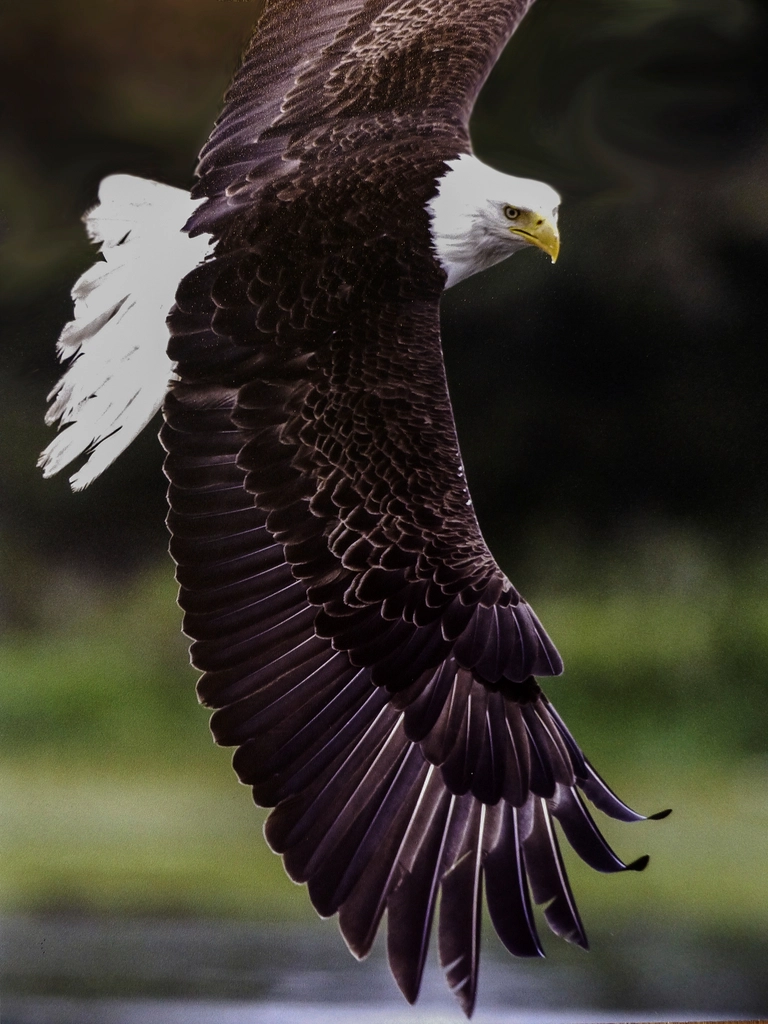
Bald eagles are well-adapted to survive in harsh environments, from icy northern climates to the sweltering heat of the south. They have a high tolerance for cold temperatures, thanks to their thick plumage and specialized circulatory adaptations. In the heat, they use their wings to shade their young and keep them cool. These adaptations highlight their resilience and ability to thrive in diverse and challenging conditions.
Impressive Longevity

Despite the challenges they face, bald eagles can live remarkably long lives, often exceeding 20 years in the wild. Their longevity is a testament to their survival skills and adaptability. They weather storms, evade predators, and overcome food shortages. Their ability to endure and thrive in the wild is a testament to their savage resilience and tenacity.
Conclusion
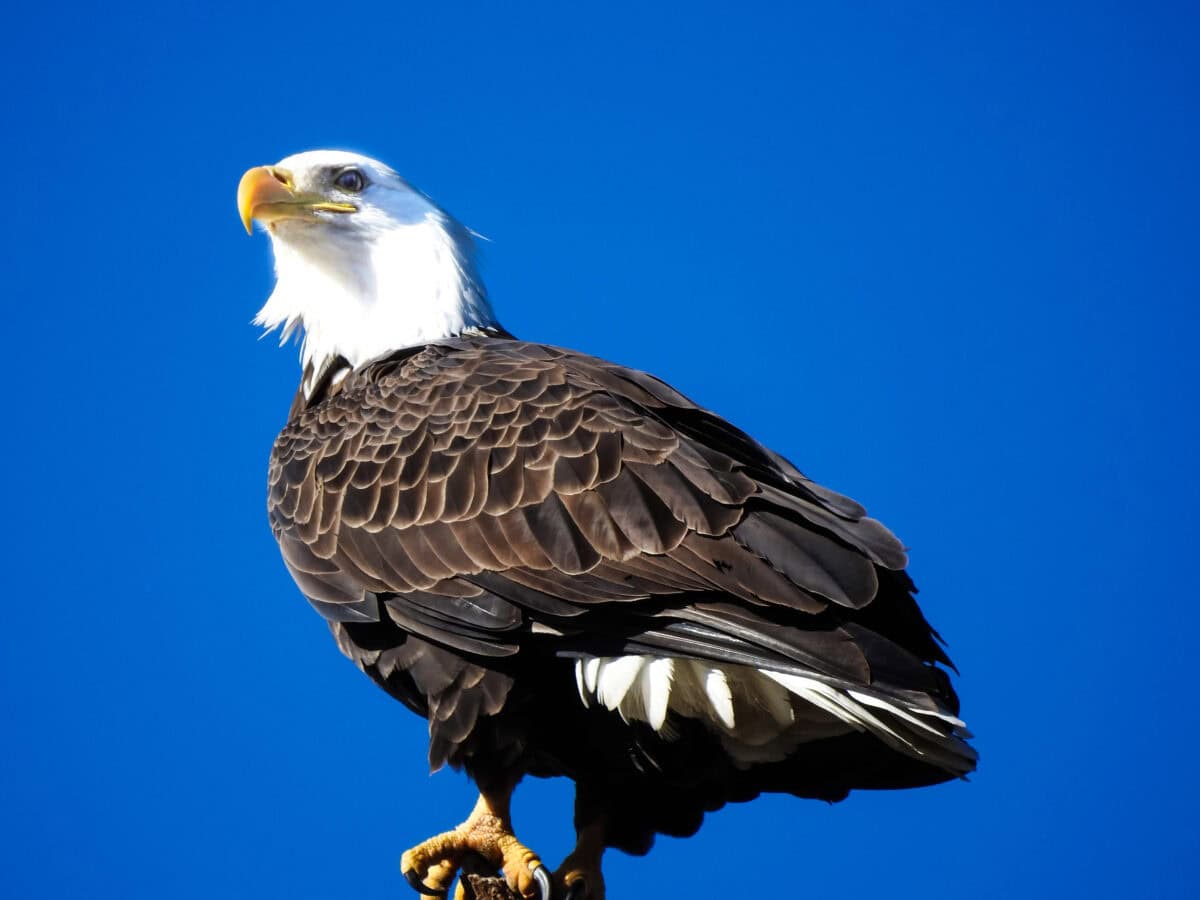
In conclusion, bald eagles are far more savage and complex than their iconic image might suggest. Their powerful talons, stealthy hunting techniques, and fierce territoriality paint a picture of a predator that is both majestic and ruthless. These birds embody the raw and untamed spirit of the wild, reminding us of the intricate balance of nature. So, the next time you see a bald eagle soaring above, remember the savage prowess that lies beneath those graceful wings. What surprised you most about these incredible birds?

As a little kid, I fell in love with nature, wildlife, and animals. Living in the USA, South Africa, Italy, China and Germany gave me the opportunity to discover the world's Wildlife. My favorite animals are Mountain Gorillas, Siberian Tigers, and Great White Sharks.
I'm a certified PADI Open Water Diver, went to Everest Base Camp and Trekked Gorillas in Uganda. I hold a Master of Science in Economics and Finance.
Please send any feedback to feedback@animalsaroundtheglobe.com
- 13 Cat Breeds That Get Along with Dogs - July 20, 2026
- The 12 Largest Dog Breeds That Still Love to Cuddle - July 20, 2026
- 12 Pet Habits That Secretly Mean They Love You - July 20, 2026