


In the heart of Africa flows a river so majestic and teeming with life that it hosts one of the most spectacular natural phenomena on Earth: the world’s largest animal migration. The Mara River, stretching across Kenya and Tanzania, becomes the stage for an awe-inspiring wildlife spectacle as millions of wildebeest, accompanied by hundreds of thousands of zebras and gazelles, make their perilous journey across its waters in search of greener pastures.
This remarkable migration, driven by ancient instincts and the eternal cycle of seasons, represents one of nature’s most dramatic displays of survival and perseverance. The river becomes both a lifeline and a deadly obstacle in this grand theater of life and death, where predators lurk beneath the surface and along the banks, ready to capitalize on this annual feast. Let’s explore the fascinating story of this extraordinary river and the epic migration it hosts.
The Mara River: A Geographical Marvel
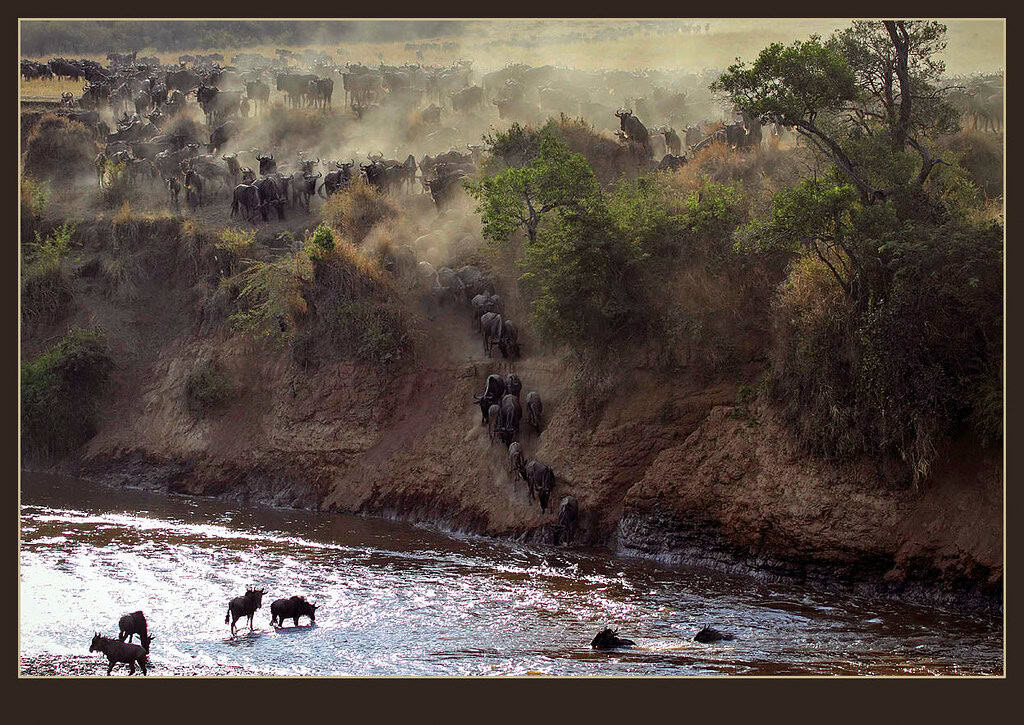
The Mara River originates in the Mau Escarpment in Kenya, flowing for approximately 395 kilometers (245 miles) before emptying into Lake Victoria in Tanzania. This transboundary river forms a crucial water source within the Serengeti-Mara ecosystem, one of Africa’s most biodiverse regions. The river’s course cuts through varied landscapes, from highland forests to expansive savannas, creating diverse microhabitats along its banks.
Its watershed covers roughly 13,504 square kilometers, supporting not only wildlife but also human communities who depend on its waters. The river’s flow fluctuates dramatically with seasonal rainfall patterns, swelling during the rainy seasons and diminishing during dry periods. These natural variations in water volume and flow have shaped the timing and nature of the great migration for countless generations, demonstrating the intricate relationship between geography and animal behavior in this remarkable ecosystem.
The Great Migration: By the Numbers

The scale of the Great Migration is simply staggering. Approximately 1.5 to 2 million wildebeest make this journey annually, accompanied by roughly 200,000 zebras, 350,000 Thomson’s gazelles, and smaller numbers of other antelope species. Collectively, these animals traverse about 800 kilometers (500 miles) in a clockwise circuit between the Serengeti National Park in Tanzania and the Maasai Mara National Reserve in Kenya.
The sheer biomass involved—estimated at over 500,000 tons of animal weight—makes this the largest terrestrial mammal migration on Earth. During peak crossing periods, up to 10,000 wildebeest can cross the Mara River in a single day. The energy expended is enormous: each animal may travel up to 2,000 kilometers annually when accounting for the winding nature of their route. This represents a collective journey of over 3 billion animal-kilometers each year, truly earning its reputation as nature’s greatest marathon.
Ecological Drivers: Why They Migrate

The Great Migration is fundamentally driven by the search for fresh grazing and water sources, following the seasonal rainfall patterns across the Serengeti-Mara ecosystem. The animals move in a perpetual pursuit of optimal conditions, with their timing precisely tuned to the region’s climatic cycles. When the short rains begin in the southern Serengeti around November, herds move south to feast on the fresh, nutritious grasses that emerge in the nutrient-rich volcanic soils of this region.
As these areas dry out by May or June, the animals begin their northward journey toward the Maasai Mara, where the long rains have created abundant grazing opportunities. This synchronization with rainfall patterns is critical: wildebeest can detect rain up to 50 kilometers away, sensing changes in air pressure and hearing distant thunder. The migration has evolved over thousands of years as an adaptive response to the region’s unpredictable rainfall and resulting patchy distribution of resources, a powerful example of how large-scale animal movements are intricately linked to environmental conditions.
The River Crossing: Drama and Danger

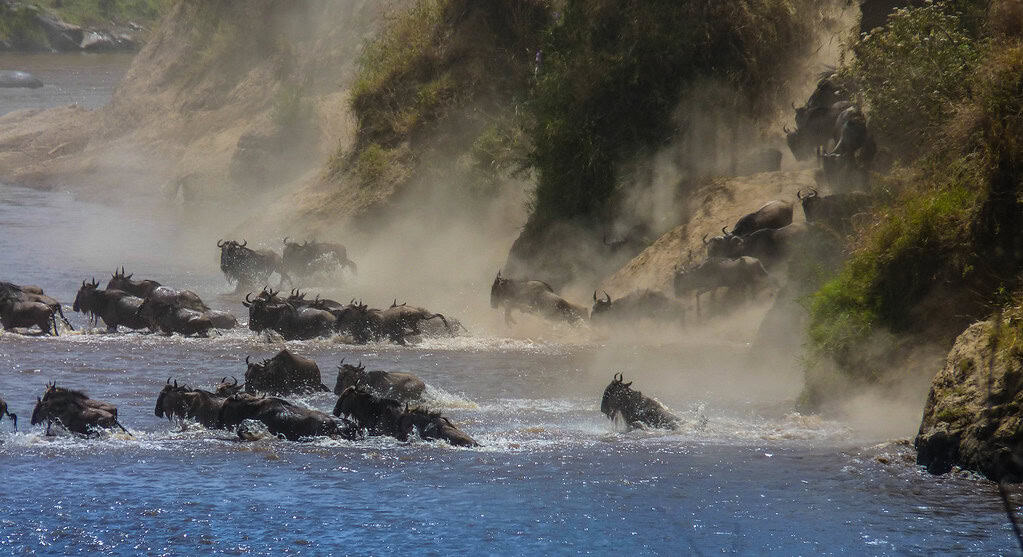
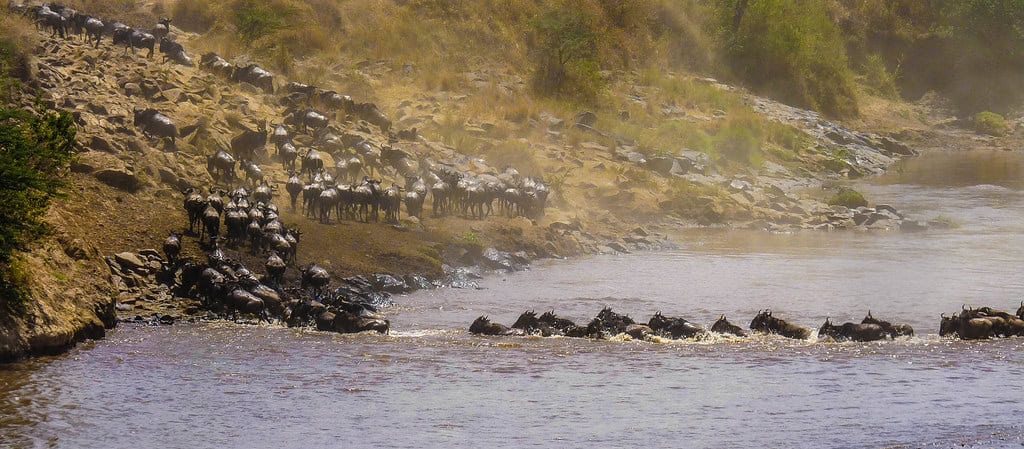
The crossing of the Mara River represents the most dramatic and perilous phase of the Great Migration. These crossings typically occur between July and October, when the herds must overcome this formidable barrier to reach the lush grasslands of the Maasai Mara. The scene at crossing points is one of primal chaos and raw survival instinct. Thousands of animals gather at the riverbanks, sometimes waiting for days as if gathering courage before the first brave individuals take the plunge, triggering a mass crossing.
The dangers are numerous and lethal: powerful currents can sweep away even strong swimmers, while steep banks make both entry and exit treacherous. Many animals drown from exhaustion or get trampled in the frantic rush. However, perhaps the most iconic danger comes from the massive Nile crocodiles that have evolved to synchronize their own life cycles with the migration. These prehistoric predators, some measuring over 5 meters long and weighing up to 1,000 kilograms, can remain motionless for hours before exploding into action to seize their prey. The crossings represent a significant mortality event, with estimates suggesting that up to 6,000 wildebeest may die during each migration season.
Predators and the Bounty of Migration

The Great Migration creates a moving feast that supports an impressive array of predators throughout the ecosystem. While the Nile crocodiles dominate the river crossings, the surrounding plains host large populations of lions, leopards, cheetahs, and hyenas that follow the migrating herds. During the migration period, predator behavior notably changes, with many adapting their hunting strategies to capitalize on this abundance. Lions, typically nocturnal hunters, become more active during daylight hours when crossings typically occur.
Research has shown that pride territories near crossing points see significantly higher cub survival rates during migration months. The relationship between predator and prey in this system has evolved over millennia into a delicate balance; the migration provides a critical food source that sustains healthy predator populations, which in turn help maintain the health of the herbivore herds by removing sick and weak individuals. This natural selection process contributes to the genetic strength of the migrating species, demonstrating how this spectacular event serves as a crucial regulator of the entire ecosystem’s health.
The Role of Wildebeest as Ecosystem Engineers
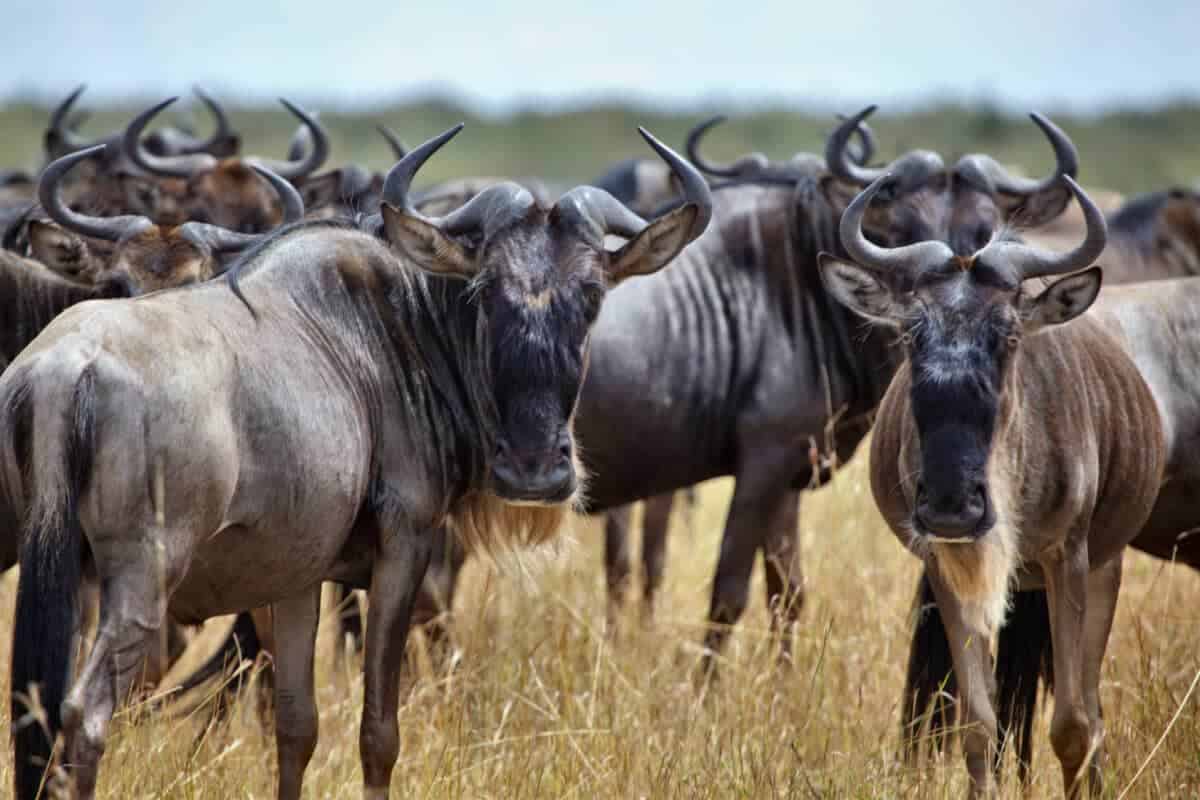
Wildebeest serve as powerful ecosystem engineers, fundamentally altering and maintaining the habitats through which they migrate. Each animal consumes approximately 4.5 kilograms of grass daily, collectively removing more than 4,000 tons of vegetation per day during peak migration periods. This intensive grazing prevents the dominance of any single grass species and stimulates fresh growth, maintaining the savanna’s characteristic structure. Their hooves disturb the soil, creating microhabitats for various insects and improving water infiltration.
Perhaps most significantly, the approximately 40,000 wildebeest that perish during the annual migration provide roughly 1,100 tons of biomass that enriches the ecosystem. This massive nutrient transfer—from bones, flesh, and bodily fluids—fertilizes the soils and supports decomposer communities from vultures to microbes. Research has shown that areas within the migration corridor contain soil with significantly higher nitrogen and phosphorus levels compared to adjacent areas, demonstrating how these animals literally transform the landscape through which they move in a continuous cycle of life, death, and renewal.
Climate Change and Threats to the Migration
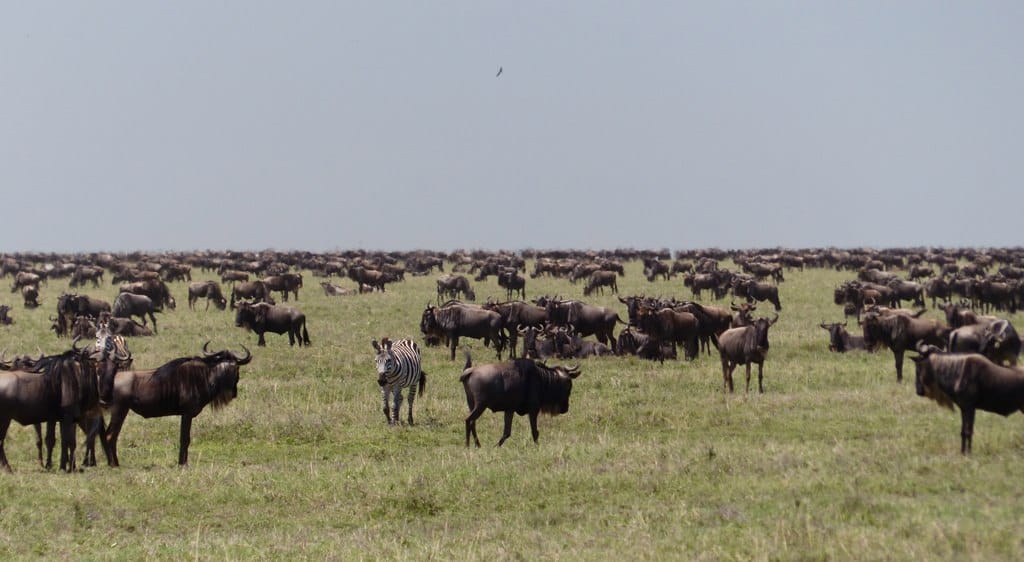
The Great Migration faces increasing pressure from climate change, which threatens to disrupt the delicate timing and patterns that have evolved over thousands of years. Rising temperatures and changing rainfall patterns directly impact the growth cycles of the grasses upon which the migrating herds depend. Recent studies indicate that parts of East Africa are experiencing more frequent droughts interspersed with increasingly intense rainfall events. This volatility complicates the animals’ ability to predict resource availability, potentially leading to mistimed movements and increased mortality.
The Mara River itself has seen concerning fluctuations in flow volume, with some tributaries that once ran year-round now becoming seasonal. Human activities compound these challenges: deforestation in the Mau Forest complex, where the river originates, has reduced water retention capacity within the watershed. Additionally, water extraction for agriculture and settlement has increased dramatically in recent decades. Models suggest that if current trends continue, the river could experience critically low flows during dry seasons by 2050, potentially making some crossings impossible and fundamentally altering the migration patterns that have defined this ecosystem for millennia.
Human Dimensions: Communities and Conservation
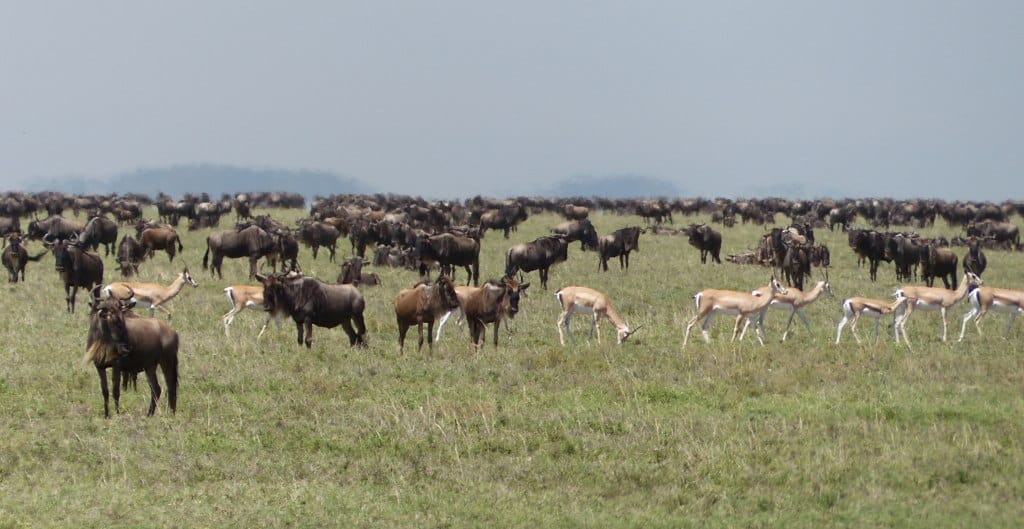
The lands surrounding the Mara River have been home to human communities for thousands of years, with the Maasai people being the most prominent traditional inhabitants. These pastoralists have historically lived alongside wildlife, developing cultural practices that allowed for coexistence. However, modern pressures have complicated this relationship. Population growth in the region has led to increased conversion of migratory corridors and dispersal areas into cropland and settlements. The river itself faces pollution from agricultural runoff, erosion from deforested areas, and waste from tourist facilities and growing towns. Despite these challenges, innovative conservation approaches are emerging.
Community conservancies, where local landowners collectively manage land for both wildlife and sustainable livelihoods, have shown promise in maintaining critical migration corridors. Payment for ecosystem services programs incentivize watershed protection upstream. Tourism revenue-sharing initiatives provide communities with tangible benefits from conservation, though the COVID-19 pandemic exposed the vulnerability of such approaches. The future of the migration will depend largely on finding sustainable balances between human development needs and conservation imperatives, recognizing that local communities must be central participants in and beneficiaries of conservation efforts.
The River’s Hidden Life: Aquatic Biodiversity
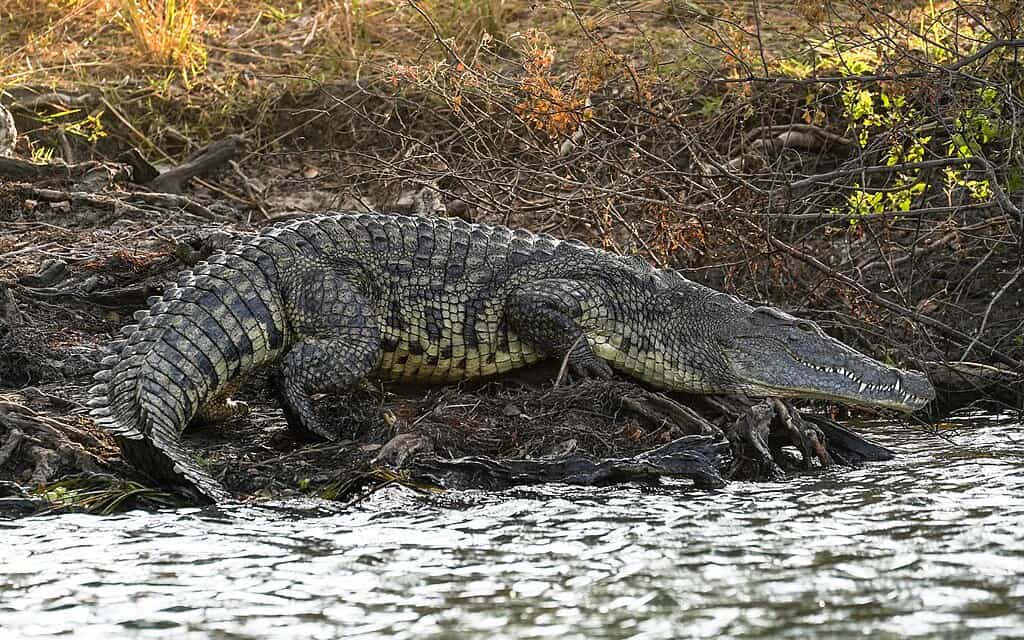
While the terrestrial migration captures most attention, the Mara River itself hosts a remarkable diversity of aquatic life that plays crucial roles in the broader ecosystem. Approximately 40 fish species inhabit the river system, including the commercially important Nile tilapia and African catfish. These fish populations serve as important food sources for various predators, including the African fish eagle and, of course, the infamous Nile crocodiles. The river’s hippo population—numbering around 4,000 individuals—creates important connections between aquatic and terrestrial ecosystems. Hippos feed on land at night but spend days in the river, where their excrement provides vital nutrients that support aquatic food webs.
Recent research has revealed that hippo pools create biogeochemical hotspots that significantly influence downstream ecosystems, with measurable effects on oxygen levels, nutrient cycling, and fish communities. The river also supports diverse invertebrate communities, from freshwater crabs to various insect larvae that form the foundation of aquatic food chains. During the migration, the decomposition of animals that perish in river crossings creates temporary but intense inputs of nutrients, triggering complex ecological responses throughout the aquatic system and demonstrating how thoroughly interconnected the terrestrial and aquatic components of this ecosystem truly are.
Tourism Impact: Economic Benefits and Challenges
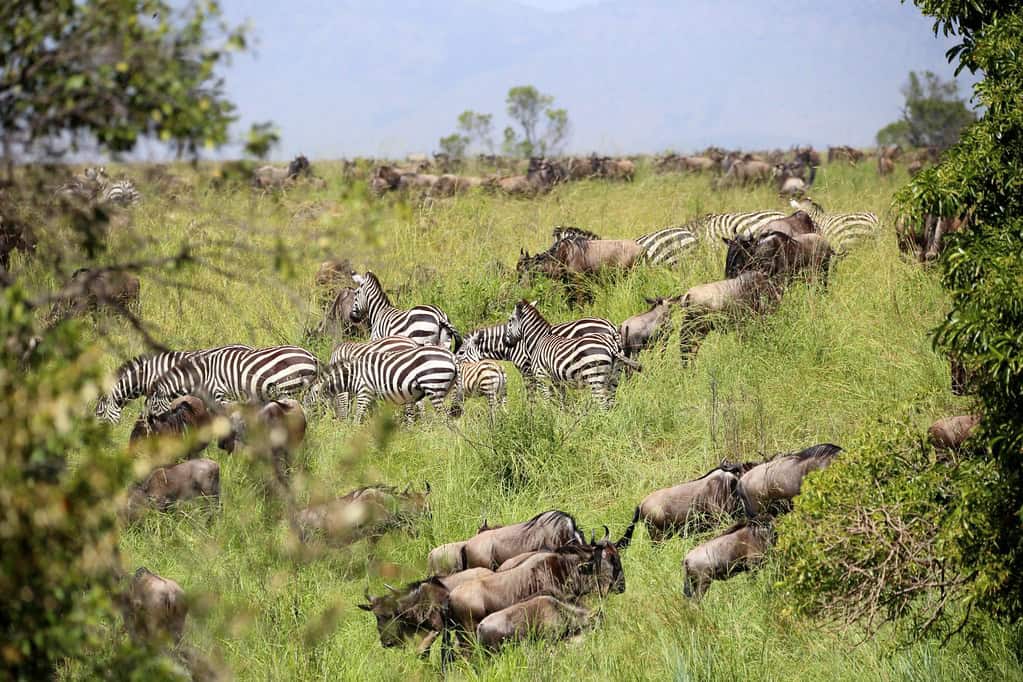
The spectacle of the Great Migration, particularly the dramatic river crossings, has developed into one of Africa’s premier wildlife tourism attractions. The economic impact is substantial: tourism in the Maasai Mara-Serengeti ecosystem generates an estimated $800 million annually, supporting approximately 35,000 direct jobs and many more in adjacent sectors. The migration season sees accommodation prices in prime viewing locations increase by up to 300%, with some luxury lodges charging over $1,000 per person per night during peak crossing periods.
This tourism creates important revenue streams for conservation efforts and local communities. However, this popularity also creates challenges. Visitor pressure at crossing points can be intense, with up to 100 vehicles sometimes gathered at popular crossing sites. Research indicates that this concentration of vehicles can influence wildebeest behavior, sometimes delaying crossings or causing herds to choose more dangerous crossing points. The development of tourism infrastructure along the river has in some cases encroached on critical habitat. Finding sustainable approaches to tourism management remains a delicate balancing act, requiring thoughtful regulations that maximize economic benefits while minimizing ecological disruption to ensure this natural wonder remains viable for future generations to witness.
Cultural Significance and Indigenous Knowledge
The Great Migration holds profound cultural significance for the indigenous peoples of the region, particularly the Maasai, who have coexisted with wildlife in this landscape for centuries. In Maasai cosmology, Enkai (God) originally owned all cattle but entrusted them to the Maasai, creating a sacred responsibility for pastoralism that shapes their entire way of life. Traditional Maasai knowledge includes sophisticated understanding of the relationship between rainfall patterns, grass growth cycles, and wildlife movements. This indigenous knowledge is increasingly valued by conservation scientists for its insights into subtle ecological relationships and historical baselines against which to measure change.
The Maasai have developed cultural practices that facilitate coexistence with wildlife, including avoidance of certain areas during migration periods and complex systems of seasonal resource allocation. Their traditional songs and stories often reference the wildebeest migration as a symbol of the natural abundance upon which their pastoral lifestyle depends. While modern conservation approaches initially excluded indigenous communities, there is growing recognition that effective protection of the migration requires integrating scientific approaches with the deep traditional ecological knowledge held by these communities, representing a valuable confluence of different knowledge systems in service of preservation.
Scientific Research and Monitoring Efforts
The Mara River and its famous migration have become important subjects of scientific research, with monitoring efforts becoming increasingly sophisticated. Long-term studies using GPS collars on wildebeest have revealed previously unknown details about migration routes, timing, and decision-making processes within the herds. Aerial surveys conducted regularly since the 1970s allow researchers to track population trends and distribution patterns. River monitoring stations equipped with automated sensors provide continuous data on water quality, flow rates, and sediment loads, helping scientists understand the hydrological systems that support the ecosystem.
Camera traps at crossing points offer insights into crossing behaviors and predator-prey interactions without human interference. Perhaps most innovative are emerging eDNA (environmental DNA) techniques that can detect the genetic material of various species in water samples, allowing scientists to monitor biodiversity changes throughout the river system with minimal disturbance. Collaborative research initiatives, such as the Mara River Basin Management Initiative, bring together scientists from Kenya, Tanzania, and international institutions to ensure comprehensive understanding across political boundaries. These research efforts are vital not only for scientific knowledge but also for developing evidence-based conservation strategies as the ecosystem faces mounting pressures in the coming decades.
The Future of the World’s Greatest Migration

The future of the Mara River and the magnificent migration it hosts stands at a critical crossroads, facing both significant threats and promising conservation opportunities. Climate projections suggest the region will experience increasing variability in rainfall patterns, potentially disrupting the fine-tuned timing that has governed the migration for millennia. Population growth and agricultural expansion continue to fragment migration corridors, while water extraction threatens river flows during critical periods. Despite these challenges, there are reasons for cautious optimism. Innovative conservation approaches, including transboundary collaboration between Kenya and Tanzania, are gaining momentum.
The economic value of wildlife tourism has created powerful incentives for preservation, though more equitable benefit-sharing mechanisms are needed. Technology offers new tools for monitoring and protection, from satellite tracking of herds to blockchain applications that ensure transparent distribution of conservation funds. Most importantly, there is growing recognition that successful conservation must integrate scientific knowledge with indigenous wisdom and fully engage local communities as stewards rather than spectators. The continued existence of this spectacular natural phenomenon will depend on our collective ability to implement holistic, adaptive management approaches that preserve the ecological integrity of the entire system while supporting sustainable human development in this remarkable landscape.

From exploring the marine wonders in the Azores and witnessing the vast savannas of Kenya, to delving deep into the rich biodiversity of South Africa and traversing iconic landscapes in Australia and the US like Yellowstone, Chris's experiences are vast.
With a penchant for diving alongside sharks, the ocean holds a special place in his heart.
Through his academic insights, he champions wildlife conservation, striving with 'Animals Around The Globe' to cultivate a profound connection between humans and animals, enhancing our mutual appreciation.
Connect with him at Feedback@animalsaroundtheglobe.com.
- 13 Ways the Right Trees Coax Vanishing Birds Back to Your Yard - July 23, 2026
- What Happens If Bees Go Extinct Faster Than Expected? - July 23, 2026
- The Fastest-Reflex Animal Snatches Prey in Milliseconds - July 23, 2026