

In the vast depths of our oceans exists a creature that seems to defy one of nature’s most fundamental laws—the inevitability of aging and death. The immortal jellyfish, scientifically known as Turritopsis dohrnii, possesses an extraordinary ability that has captivated scientists worldwide: it can reverse its aging process and potentially live forever. This remarkable organism challenges our understanding of biological mortality and opens up fascinating possibilities for human longevity research. Let’s dive into the mysterious world of this age-defying jellyfish and explore what makes it one of the most extraordinary creatures on our planet.
The Discovery of Immortality in the Ocean

The immortal jellyfish was first discovered in the Mediterranean Sea in 1883, but its incredible regenerative abilities weren’t recognized until the 1990s. Dr. Ferdinando Boero and his colleagues observed something unprecedented while studying these tiny creatures—when faced with environmental stress, physical injury, or even natural aging, these jellyfish underwent a biological transformation that effectively reset their life cycle. This discovery stunned the scientific community, as no other multi-cellular organism was known to possess such a remarkable capability. The finding emerged from careful observation of these jellyfish in laboratory conditions, where researchers noticed that instead of dying, some adult specimens would revert to their earlier life stage—essentially becoming young again in a biological sense that defies conventional understanding of animal mortality.
Understanding the Jellyfish Life Cycle
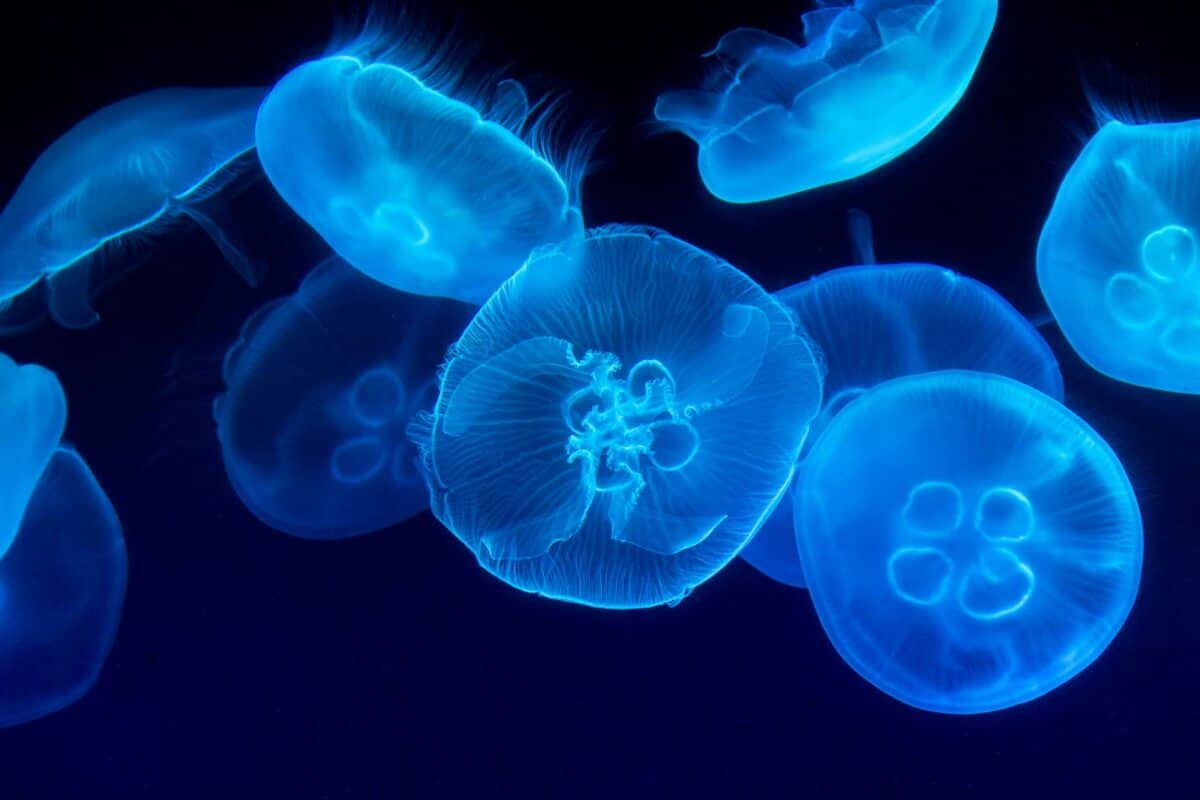
To appreciate the extraordinary nature of Turritopsis dohrnii’s immortality, we must first understand the typical jellyfish life cycle. Most jellyfish begin life as fertilized eggs that develop into free-swimming planula larvae. These larvae eventually settle on a surface and develop into polyps—stationary, plant-like structures. The polyps then bud off ephyrae (juvenile jellyfish), which grow into the familiar bell-shaped medusae—the adult stage of jellyfish. Normally, after reproducing, these adult jellyfish die, completing their life cycle. However, the immortal jellyfish breaks this cycle by reversing it, transforming from the mature medusa stage back to the polyp stage through a process called transdifferentiation. This is equivalent to a butterfly turning back into a caterpillar or a frog reverting to a tadpole—something previously thought impossible in the animal kingdom.
The Biological Mechanism of Age Reversal

The secret to the immortal jellyfish’s age-reversing ability lies in a process called cellular transdifferentiation. During this remarkable transformation, the jellyfish’s existing cells change their cellular type—effectively reprogramming themselves to become different types of cells. When stressed or injured, the bell and tentacles of the adult medusa degenerate, and the remaining cells form a cyst-like structure. Within this cyst, cells transform and reorganize to create a new polyp. This is not simply healing or regeneration; it is a complete reversal of development from a sexually mature adult back to an immature, earlier life stage. The process involves sophisticated cellular and genetic mechanisms that allow differentiated cells to lose their specialized characteristics and adopt new identities. Scientists have identified various genes and transcription factors involved in this process, including those related to stem cell regulation, cellular differentiation, and DNA repair mechanisms that play crucial roles in this biological reset.
Physical Characteristics of Turritopsis dohrnii

Despite its extraordinary biological capabilities, the immortal jellyfish is surprisingly unassuming in appearance. Measuring merely 4-5 millimeters in diameter (about the size of a small fingernail), Turritopsis dohrnii is virtually invisible in the ocean. The bell-shaped body is transparent with a bright red stomach visible in the center, surrounded by 80-90 white tentacles arranged in four to five clusters. Their diminutive size makes them challenging to study in the wild, contributing to why their remarkable ability remained undiscovered for so long after their initial classification. These jellyfish begin their lives with eight tentacles, and as they mature, they develop more. Unlike many jellyfish species known for painful stings, the immortal jellyfish’s sting is too weak to penetrate human skin, making them harmless to humans despite possessing cnidocytes (stinging cells) like other jellyfish species.
Triggers for the Rejuvenation Process

What causes the immortal jellyfish to initiate its remarkable age-reversal process? Research has identified several environmental and physiological triggers. Physical injury, starvation, drastic temperature changes, salinity fluctuations, and even the natural aging process can prompt this regenerative response. Essentially, when the jellyfish experiences conditions that threaten its survival, instead of dying, it activates its biological reset button. Laboratory studies have shown that even simple mechanical stress, such as squeezing the jellyfish with forceps, can trigger this reversal. Moreover, researchers have observed that aging medusae will spontaneously revert to the polyp stage, suggesting that this process serves as a natural response to senescence. This adaptive strategy represents an evolutionary solution to environmental challenges that would be fatal to other organisms, effectively allowing Turritopsis dohrnii to escape death by reverting to an earlier life stage.
Is the Jellyfish Truly Immortal?

While the term “immortal jellyfish” has captured the public imagination, scientists emphasize that these creatures are not truly immortal in the absolute sense. Rather, they possess biological immortality—the theoretical ability to live indefinitely under ideal conditions. In practice, these jellyfish can still be consumed by predators, die from disease, or succumb to catastrophic injury before they can initiate their regenerative process. Additionally, not every individual successfully completes the transdifferentiation process. However, barring these external threats, a single Turritopsis dohrnii theoretically has the potential to live indefinitely through countless cycles of development, maturity, and regeneration. This is fundamentally different from the limited lifespans programmed into most animals, including humans, where cellular senescence and telomere shortening create a biological clock that eventually runs out.
Global Distribution and Ecological Impact

Originally native to the Mediterranean Sea, the immortal jellyfish has now been found in ocean waters worldwide, from Japan to Panama, and from Florida to New Zealand. This wide distribution is attributed to their ability to travel in the ballast water of shipping vessels, making them an invasive species in many regions. Their remarkable adaptability and potential immortality raise interesting ecological questions about their impact on marine ecosystems. Because they can proliferate rapidly through both sexual reproduction and their unique life cycle reversal, they have the potential to outcompete native species for resources. Each polyp can produce multiple medusae, and with the ability to revert to the polyp stage, a single individual could theoretically produce an unlimited number of offspring. Marine biologists are carefully monitoring their populations, as their spread may influence plankton communities and marine food webs in ways that are still not fully understood.
Implications for Human Longevity Research

The extraordinary capabilities of Turritopsis dohrnii have captured the attention of researchers studying human aging and longevity. While humans cannot naturally reverse their development like these jellyfish, understanding the genetic and cellular mechanisms behind this process could provide valuable insights into regenerative medicine. Scientists are particularly interested in the genes involved in cellular transdifferentiation and how they might be applied to human cell rejuvenation. The study of telomeres—protective caps on chromosomes that shorten with age—in these jellyfish has revealed interesting patterns, as they appear to maintain telomere length during the regeneration process. This research intersects with studies on human stem cells, cellular reprogramming, and age-related diseases. While we are far from achieving anything resembling the jellyfish’s ability in humans, these creatures provide a biological proof-of-concept that cellular aging is not necessarily a one-way process, inspiring new directions in longevity research.
Challenges in Studying the Immortal Jellyfish

Despite growing scientific interest in the immortal jellyfish, researchers face significant challenges in studying these enigmatic creatures. Their tiny size makes them difficult to track in the wild, and their transparency renders them nearly invisible in ocean water. Maintaining them in laboratory conditions is notoriously difficult, as they require specific water conditions and food sources to thrive. Additionally, the transdifferentiation process itself is complex and does not always occur under laboratory conditions, making it challenging to study systematically. Genetic research is also complicated by the complexity of the jellyfish genome and the lack of established genetic tools for this species. These limitations explain why, despite being discovered decades ago, many aspects of the immortal jellyfish’s biology remain mysterious. Advanced imaging techniques, genetic sequencing technologies, and improved laboratory cultivation methods are gradually overcoming these challenges, enabling more detailed studies of these fascinating creatures.
Recent Scientific Breakthroughs

Recent years have seen significant advances in our understanding of the immortal jellyfish’s remarkable abilities. In 2022, scientists published the first complete genome sequence of Turritopsis dohrnii, comparing it with related but non-immortal jellyfish species to identify genetic differences potentially responsible for its age-reversal capabilities. This research revealed unique genetic variations and gene expression patterns related to DNA repair, stem cell function, and telomere maintenance. Another breakthrough came from studies using advanced microscopy techniques that allowed researchers to visualize the cellular transformation process in unprecedented detail, tracking individual cells as they dedifferentiated and formed new structures. Researchers have also made progress in identifying the specific signaling pathways and genetic switches that trigger the transdifferentiation process, potentially opening the door to artificially inducing similar processes in other cellular systems. These advances are gradually unraveling the molecular mechanisms behind biological immortality, though many questions remain unanswered.
Other Long-Lived and Regenerative Species
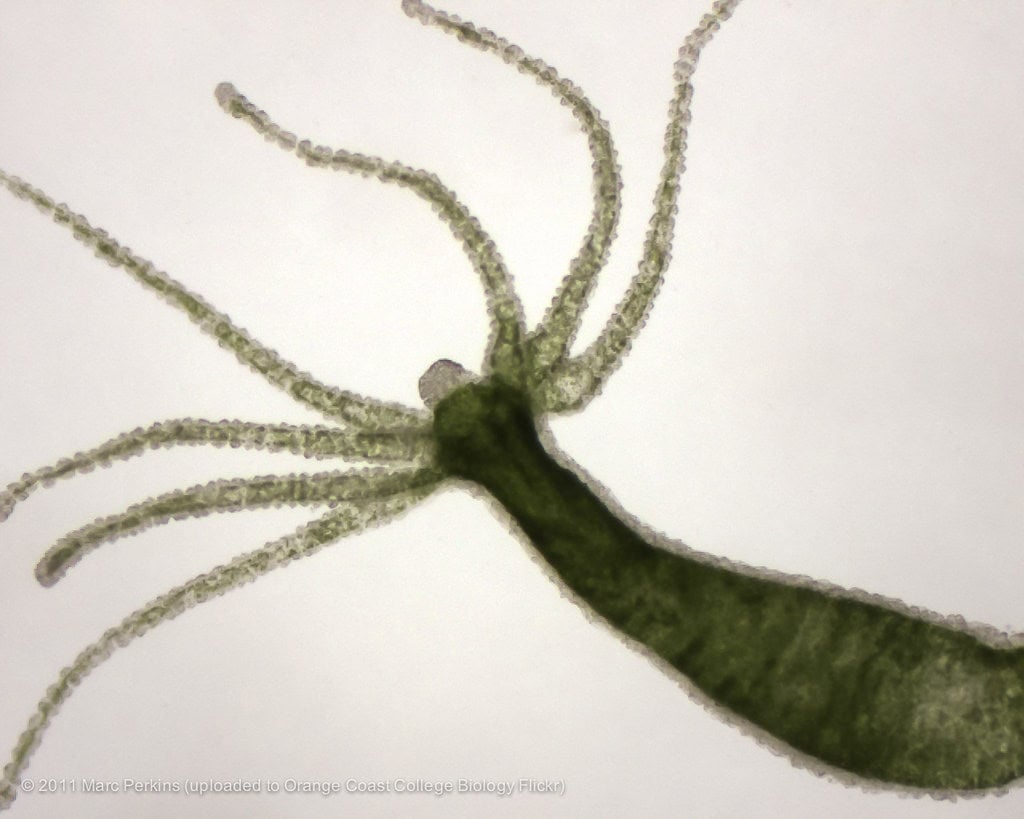
While the immortal jellyfish stands out for its complete life cycle reversal, other organisms also exhibit remarkable longevity or regenerative abilities. The hydra, another cnidarian, shows negligible senescence (lack of aging) through continuous cell renewal. Certain species of lobsters produce enzymes that can repair their DNA indefinitely, potentially allowing them to live for centuries if not caught or killed. Planarian flatworms can regenerate entire bodies from tiny fragments, thanks to an abundance of stem cells. The naked mole rat lives over 30 years—extraordinarily long for a rodent—and shows remarkable resistance to cancer. Some species of tortoises can live well over 100 years with little sign of aging. Each of these organisms offers unique insights into the biology of aging and regeneration, but Turritopsis dohrnii remains unique in its ability to not just slow aging or regenerate parts, but to completely reset its biological clock by reverting to an earlier developmental stage. Studying these various examples of extreme longevity and regeneration across different evolutionary lineages helps scientists understand the diverse biological strategies that have evolved to overcome the limitations of cellular aging.
Popular Culture and Philosophical Implications

The concept of an immortal jellyfish has captured the public imagination, appearing in literature, art, and popular science writings as a symbol of the quest for eternal youth. Beyond scientific interest, the immortal jellyfish raises profound philosophical questions about the nature of life, death, and identity. If an organism can revert to an earlier stage of development, is it still the same individual? Does biological immortality change how we should think about the natural cycles of life? These questions extend into bioethics discussions surrounding human longevity research. As science progresses in understanding aging and potentially extending human lifespan, the immortal jellyfish serves as both inspiration and cautionary tale—highlighting both the possibilities and complexities of manipulating natural life cycles. The creature has become a potent metaphor in discussions about human mortality, the ethics of life extension, and our relationship with the natural world, demonstrating how a tiny marine organism can influence thinking far beyond the realm of marine biology.
Conclusion: The Ongoing Mystery of Biological Immortality
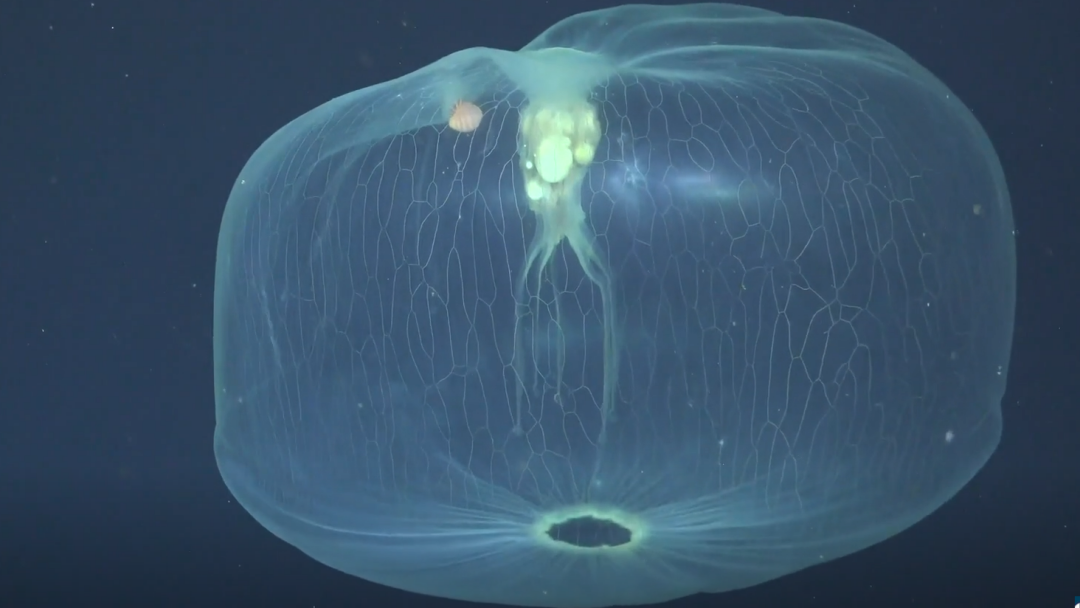
The immortal jellyfish, Turritopsis dohrnii, represents one of nature’s most fascinating evolutionary innovations—a creature that has found a way to cheat death through cellular reprogramming and life cycle reversal. As research continues to unravel the genetic and cellular mechanisms behind this remarkable ability, these tiny, transparent organisms may hold keys to understanding fundamental aspects of aging, cellular differentiation, and regeneration. While true biological immortality remains firmly in the realm of science fiction for humans, the immortal jellyfish demonstrates that the boundaries between life and death, youth and old age, are more fluid than we once believed. As we face the challenges of an aging global population and seek treatments for age-related diseases, these humble jellyfish remind us that sometimes, the most extraordinary scientific insights come from the most unexpected places in nature’s vast repertoire of evolutionary adaptations.

- The Story of the Arctic Fox’s Incredible Seasonal Transformation - July 18, 2026
- 10 Most Venomous Snakes in US National Parks - July 18, 2026
- The Moth That Drinks Blood - July 18, 2026