

In the quiet darkness of night, a mouse scurries across a field, unaware that death looms silently above. A barn owl glides through the air, its wings slicing through the darkness without the slightest whisper. The mouse continues its journey, hearing nothing until the exact moment talons pierce its body. This perfect execution of silent flight and deadly precision isn’t just impressive—it’s the result of millions of years of evolutionary refinement that has turned owls into nature’s stealthiest aerial predators.
While many birds make distinctive whooshing sounds as they fly, certain owl species have mastered the art of silent hunting. This remarkable adaptation allows them to detect prey using their exceptional hearing while remaining completely undetected themselves. The physics, biology, and evolutionary advantages behind this silent flight capability represent one of nature’s most sophisticated hunting adaptations—a perfect symphony of form and function that scientists are still working to fully understand.
The Masters of Silent Flight
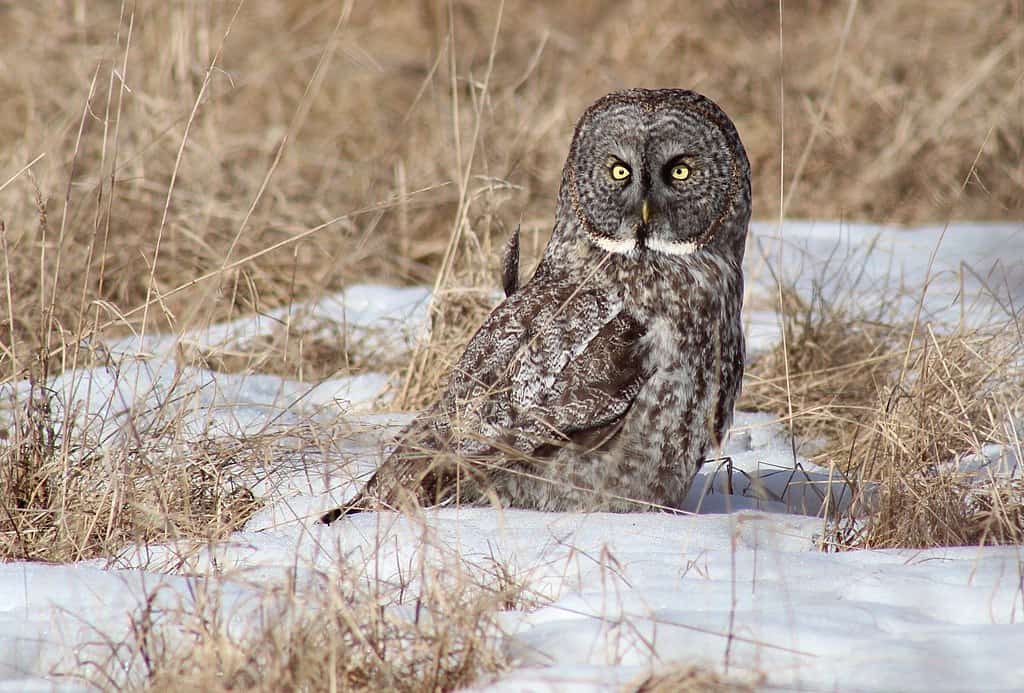
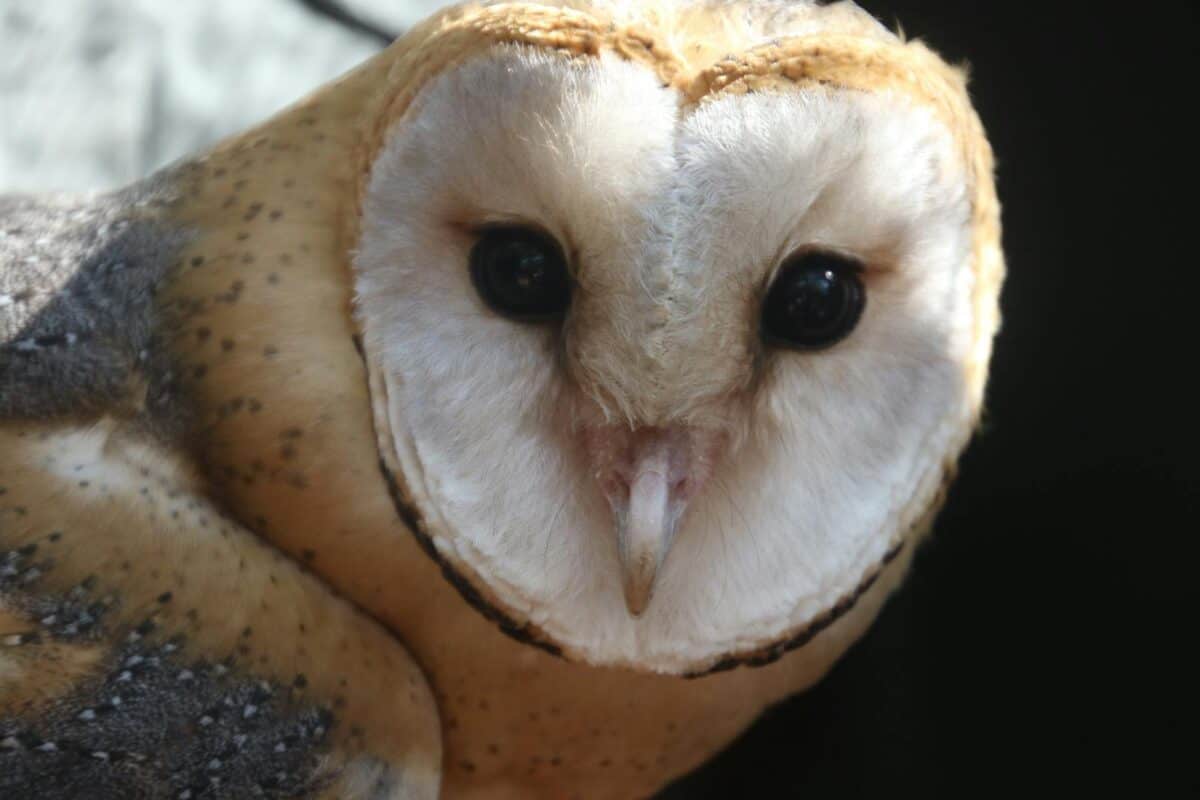
Not all owls hunt silently, but those that do have perfected the technique to an astonishing degree. Barn owls (Tyto alba), great gray owls (Strix nebulosa), and great horned owls (Bubo virginianus) are among the most accomplished silent flyers. These nocturnal hunters have evolved specialized adaptations that allow them to move through the air with virtually no sound production.
Research has shown that barn owls, in particular, can fly just inches above sensitive microphones without registering more noise than the ambient environment. This silence is not just impressive—it’s essential to their hunting success, as many of their prey species, like mice and voles, have excellent hearing that would otherwise alert them to an approaching predator.
The Specialized Wing Structure
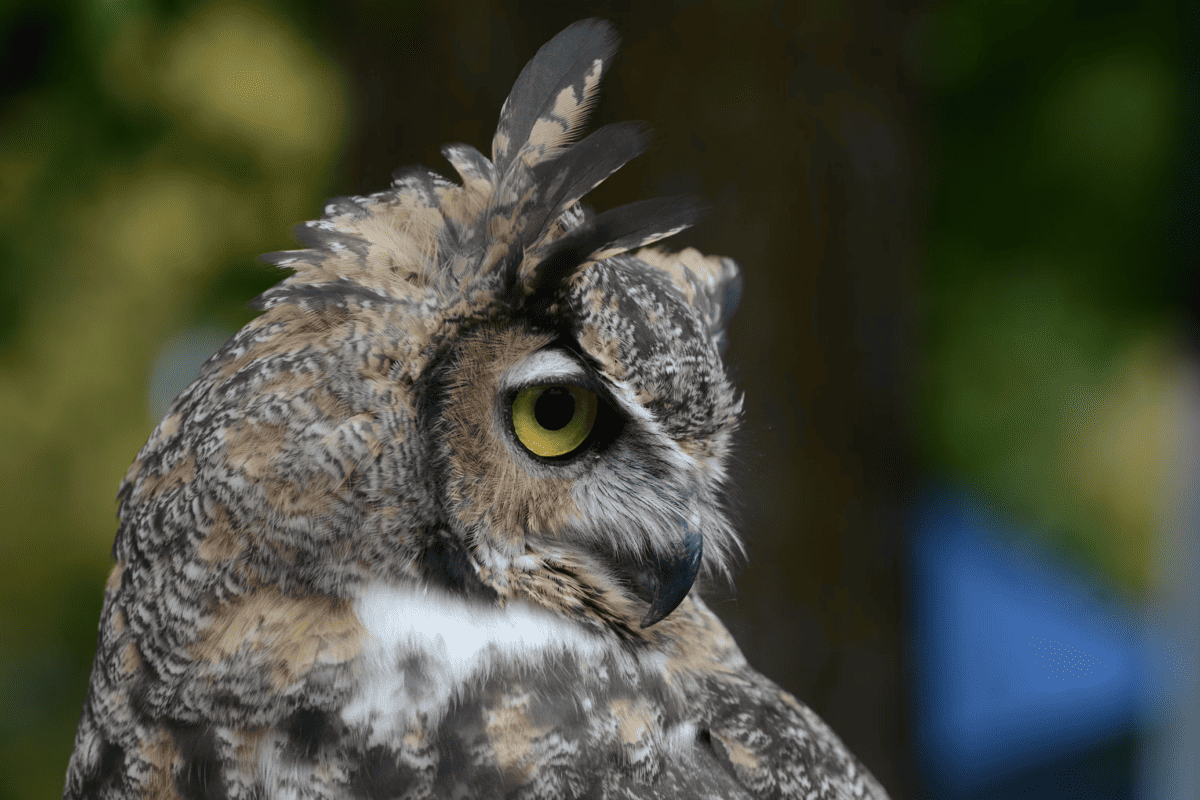
The secret to an owl’s silent flight begins with its unique wing structure. Unlike other birds, owls possess wings with several specialized features. First, their wings are proportionally larger compared to their body size, allowing them to fly more slowly without stalling. This slower flight inherently produces less noise. Additionally, owl wings have evolved a softer, more flexible leading edge.
While most birds have stiff, smooth leading edges on their wings that cut efficiently through the air but create noise, owls have developed a comb-like fringe of feathers called serrations. These serrations break up the air flow over the wing, significantly reducing the sound of air rushing over the surface. This adaptation allows owls to maintain lift and maneuverability while eliminating the whooshing sound typically associated with bird flight.
The Role of Feather Velvet

Perhaps the most remarkable adaptation enabling silent flight is what scientists call “feather velvet.” Close examination of owl feathers reveals a velvety texture on the upper surface of their wings. This microscopic structure consists of tiny barbs and hooks that create a forest-like surface rather than a smooth one. While traditional aerodynamic design favors smooth surfaces, this seemingly counterintuitive adaptation serves a crucial acoustic purpose.
The soft, velvet-like surface absorbs high-frequency sounds that would otherwise be produced as air flows over the wing. Acoustic studies have shown that this velvet structure can dampen sound frequencies between 2,000 and 8,000 hertz—precisely the range that many small mammals can hear best. This specialized surface effectively eliminates the swishing sounds that would otherwise alert prey to the owl’s approach.
Trailing Edge Fringes

Another key adaptation for silent flight appears at the trailing edge of owl wings. While most birds have cleanly defined wing edges, owls possess soft, fringed edges formed by specialized feathers. These fringes serve a critical acoustic function by eliminating the turbulence and associated noise that typically occurs as air passes from the top to the bottom surface of the wing.
By smoothing this transition, the fringes prevent the formation of small, noisy vortices that would otherwise create audible disturbances. High-speed cameras and wind tunnel tests have confirmed that these trailing edge modifications significantly reduce aerodynamic noise without compromising flight efficiency. The result is a wing that slices through the air with minimal disturbance—both physical and acoustic.
The Acoustic Advantage of Broad Wings
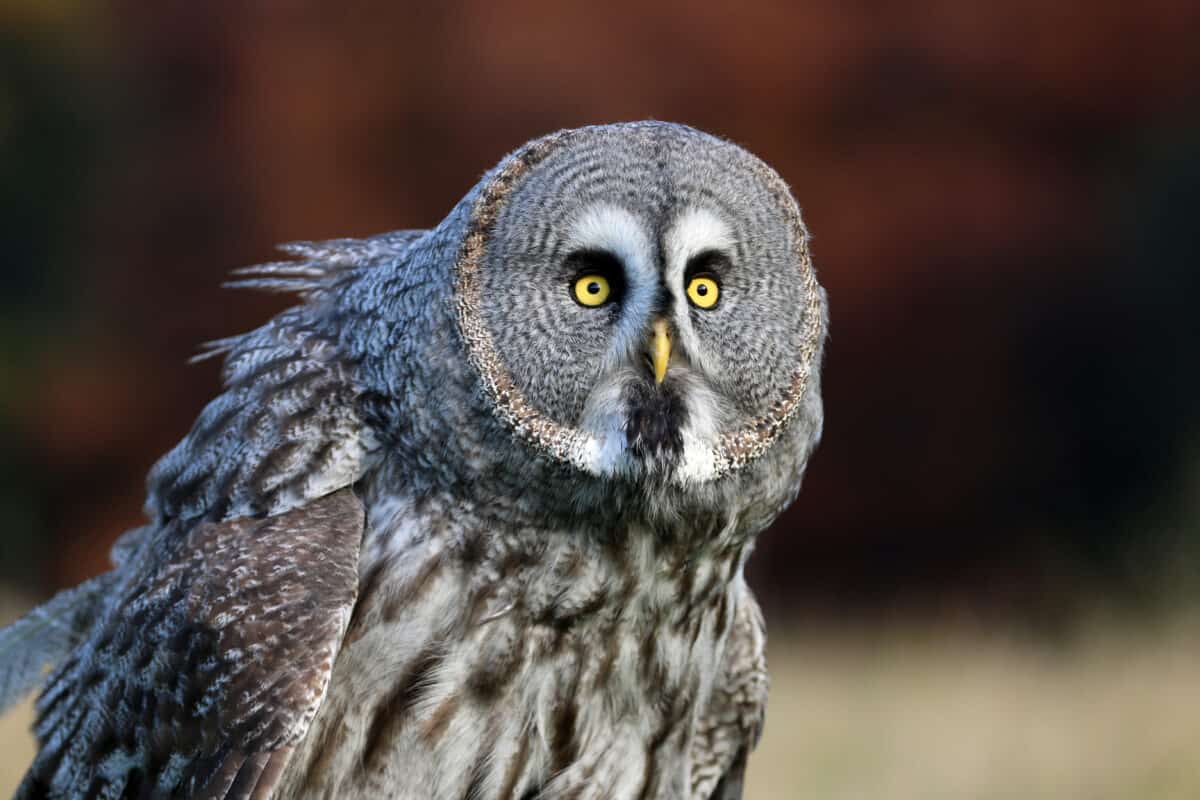
Owl wings are not only silent but also distinctively broad and rounded compared to those of other birds of prey such as falcons or hawks. This shape provides multiple advantages for silent hunting. The increased surface area allows for greater lift at slower speeds, enabling owls to fly at speeds as low as 5-7 mph without stalling.
This slow flight capability serves two important purposes: it gives owls more time to precisely locate prey using their exceptional hearing, and it inherently produces less aerodynamic noise. The broad wing shape also means air pressure is distributed more evenly across the wing surface, reducing the intensity of vortices that form at the wingtips. Research using particle image velocimetry has demonstrated that these broader wings generate significantly less turbulence and, consequently, less noise than the narrower wings of similarly sized birds.
Silent Flight Feathers and Molting Patterns
The remarkable adaptations for silent flight extend to how owls maintain their specialized feathers. Unlike many birds that molt all their flight feathers at once, owls typically replace their feathers gradually over time. This sequential molting pattern ensures they never lose too many of their noise-suppressing feathers simultaneously, which would compromise their hunting ability.
Additionally, owls devote significant time to feather maintenance, preening and realigning the microscopic structures that enable silent flight. Studies of captive owls have shown they may spend up to 30% of their waking hours maintaining their feathers—an investment that pays dividends in hunting success. The barbs and barbules of owl feathers must remain properly aligned to maintain their noise-dampening properties, making this regular maintenance essential to their survival strategy.
The Perfect Predator’s Ears

Silent flight represents only half of the owl’s specialized hunting system. Complementing this stealth capability is the bird’s extraordinarily sophisticated hearing. Many owl species possess asymmetrically placed ear openings—one higher than the other—hidden beneath their facial feathers. This unusual arrangement creates minute differences in the time and intensity at which sounds reach each ear, allowing owls to precisely triangulate the source of sounds in three dimensions.
Barn owls, for example, can locate prey by sound alone with an accuracy of less than one degree in both horizontal and vertical planes. Their facial disc of stiff feathers works like a satellite dish, collecting and focusing sound waves toward their ear openings. This exceptional hearing ability, combined with silent flight, creates a predatory system of unparalleled efficiency. The owl can detect the rustle of a mouse moving through grass from 75 feet away, then approach without creating any sound that would alert its prey.
Evolutionary Development of Silent Flight
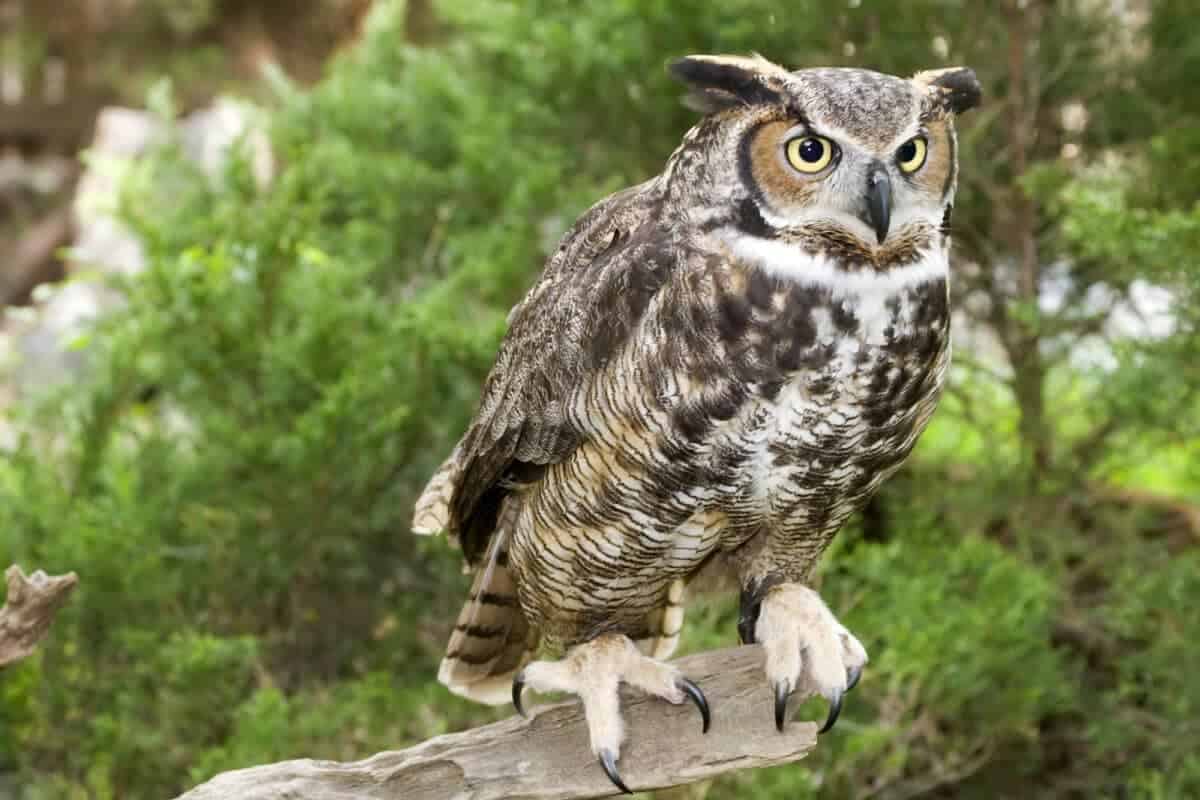
The silent flight capabilities of owls didn’t develop overnight but represent millions of years of evolutionary refinement. Fossil records suggest that owl ancestors began developing specialized feather structures at least 60 million years ago, though the full suite of adaptations seen in modern silent-flying species likely emerged more gradually. Evolutionary biologists believe this adaptation developed in response to the increasing auditory capabilities of small mammals, creating an evolutionary arms race between predator stealth and prey detection.
Different owl lineages have evolved varying degrees of silent flight capability, with species that hunt primarily by sound having the most pronounced adaptations. Comparative studies between owl species show a direct correlation between the development of these specialized feather structures and their reliance on acoustic stealth for hunting success, demonstrating how natural selection has fine-tuned this remarkable adaptation over countless generations.
Scientific Research and Biomimicry Applications

The silent flight abilities of owls haven’t just fascinated biologists—they’ve captured the attention of engineers and designers seeking to develop quieter technologies. Scientists studying owl wing structures have applied these principles to reduce noise in various applications, from wind turbine blades to aircraft components. In 2016, researchers at Lehigh University developed a surface treatment inspired by owl feather velvet that reduced aerodynamic noise by up to 10 decibels without compromising performance.
Similar biomimetic approaches have been applied to fan blades, drone propellers, and even high-speed train components. The aerospace industry has shown particular interest in these adaptations, as noise reduction remains a significant challenge in both military and civilian aircraft design. These biomimicry applications demonstrate how understanding nature’s solutions can lead to technological innovations with significant real-world benefits.
Hunting Behavior and Silent Flight Strategy

Silent flight capabilities influence not just how owls fly but their entire hunting strategy. Many silent-flying owls employ a distinctive pattern of flight when hunting: they alternate between several flaps and a glide, minimizing the already quiet sound of their wingbeats. They typically approach prey from above, using gravity to their advantage and positioning themselves so their sound-dampening lower surfaces face their prey. Thermal imaging studies have revealed that owls often maintain optimal attack angles that balance aerodynamic efficiency with acoustic stealth.
Researchers have documented that barn owls adjust their flight approach based on wind conditions and ground cover, demonstrating a sophisticated understanding of how these factors affect sound propagation. When closing in for the kill, they extend their legs forward and spread their talons wide, often striking with such precision that prey is captured without ever detecting the approaching predator. This complete hunting sequence represents one of nature’s most perfect predatory systems—an integrated combination of sensory capability, silent movement, and precise execution.
Threats to Silent Hunters

Despite their remarkable adaptations, many owl species face significant threats in the modern world. Habitat loss remains the primary challenge, as the fragmentation of forests and conversion of grasslands eliminates crucial hunting territories. Light pollution disrupts the darkness these nocturnal hunters require, while noise pollution can interfere with their ability to locate prey using sound. Additionally, rodenticides pose a serious threat through secondary poisoning when owls consume contaminated prey.
Climate change also affects prey availability and distribution, potentially creating mismatches between owl breeding seasons and peak prey abundance. Conservation efforts focusing on habitat protection, reducing light and noise pollution, and limiting the use of harmful pesticides are essential to preserving these silent hunters. Several species with specialized silent flight adaptations, including the spotted owl (Strix occidentalis), now face endangered or threatened status, highlighting the urgency of conservation measures to protect these remarkable birds.
The Silence That Speaks Volumes

The silent flight of owls represents one of nature’s most elegant examples of specialized adaptation. Through millions of years of evolution, these birds have developed a suite of features that work in concert to eliminate flight noise while maintaining aerodynamic efficiency. From microscopic structures on their feathers to the distinctive shape of their wings, every aspect of owl morphology contributes to their acoustic stealth.
This adaptation hasn’t just ensured their survival—it has made them among the most efficient nocturnal predators on Earth. As we continue to study the remarkable mechanisms behind silent owl flight, we gain not only a deeper appreciation for nature’s engineering prowess but also inspiration for our own technological innovations. The owl’s mastery of silent flight stands as a testament to the incredible sophistication that can emerge through natural selection, reminding us that sometimes in nature, it’s not the loudest but the quietest that ultimately prevail.

- The Perfect Pet for Each Zodiac Sign - July 7, 2026
- The Wild Animal That Embodies Your Zodiac Sign’s Spirit - July 6, 2026
- 7 Steps to Planting Admirably Beautiful Bluebonnets - July 6, 2026