

Alaska stands as the undisputed leader in wolf population density among all U.S. states. With an estimated 7,000 to 11,000 wolves roaming its vast wilderness, Alaska hosts approximately 65% of America’s entire wolf population. This remarkable concentration is no accident—it’s the result of extensive habitat preservation, relatively limited human development, and wildlife management policies that have allowed wolves to maintain healthy populations across the state. While other states like Minnesota, Wisconsin, and Michigan have worked to restore wolf populations in recent decades, none come close to matching Alaska’s wolf numbers or density per square mile of suitable habitat.
The Gray Wolf’s Historical Range

Before European colonization, gray wolves (Canis lupus) inhabited nearly all of North America. Their range extended from the Arctic regions to Mexico and from coast to coast. These apex predators played crucial roles in maintaining ecological balance across diverse ecosystems. However, as settlement expanded westward in the 19th and early 20th centuries, systematic persecution through hunting, trapping, and government-sponsored eradication programs decimated wolf populations throughout the contiguous United States. By the mid-20th century, wolves had been virtually eliminated from all U.S. states except Alaska and northern Minnesota. This historical context makes Alaska’s sustained wolf population all the more significant as a living connection to North America’s natural heritage.
Understanding Alaska’s Wolf Subspecies

Alaska is home to two primary subspecies of gray wolves. The Alaska Peninsula wolf (Canis lupus alces) inhabits the southern coastal regions, while the larger Mackenzie Valley wolf (Canis lupus occidentalis) dominates the interior and northern parts of the state. These Alaskan wolves are generally larger than their counterparts in the lower 48 states, with adult males sometimes exceeding 120 pounds. Their size represents an adaptation to the harsh northern environment, where larger body mass helps conserve heat during brutal winters. Additionally, Alaskan wolves typically display coats in varying shades of gray, black, white, or mottled combinations—colorations that provide camouflage advantages in Alaska’s diverse landscapes from coastal forests to tundra.
Wolf Population Density Across Alaska

Wolf distribution isn’t uniform across Alaska’s 665,000 square miles. The highest densities occur in the state’s southeastern regions, where the abundance of prey species like Sitka black-tailed deer supports concentrated wolf packs. The Interior regions host moderate wolf populations, while the North Slope and western coastal areas maintain lower but stable numbers. According to Alaska Department of Fish and Game research, wolf density ranges from approximately 1 wolf per 25 square miles in prey-rich areas to 1 wolf per 300 square miles in less productive habitats. These density patterns reflect the wolves’ remarkable ability to adapt to different Alaskan ecosystems—from temperate rainforests to boreal woodlands and open tundra—further explaining the state’s success in maintaining robust wolf populations.
The Predator-Prey Relationship in Alaska

Alaska’s large wolf population exists in direct relationship to the state’s abundant prey species. Moose, caribou, Dall sheep, and various deer species provide the primary food sources for Alaskan wolves. In some coastal areas, wolves have even adapted to hunt marine mammals and fish, demonstrating remarkable behavioral flexibility. This rich prey base supports not only wolves but also bears, wolverines, and other predators. Research indicates that a typical wolf in Alaska consumes approximately 23 pounds of meat per week, which translates to about 1,200 pounds annually. With thousands of wolves across the state, this predation plays a crucial role in naturally regulating prey populations and maintaining ecosystem health. Unlike many ecosystems in the lower 48 states, Alaska retains complete predator-prey relationships that have existed for thousands of years.
Wolf Management in Alaska

Alaska’s approach to wolf management differs significantly from that of other states. The Alaska Department of Fish and Game manages wolves as both a valuable wildlife resource and as a species that requires regulation to balance predator-prey relationships. Unlike the endangered status wolves hold in much of the contiguous United States, Alaska classifies wolves as both game animals and furbearers, allowing regulated hunting and trapping. This management strategy remains controversial, with conservation groups often opposing intensive management practices such as aerial hunting that have been permitted in certain areas. The state justifies these policies as necessary for maintaining sustainable ungulate populations that support subsistence hunters, particularly in rural communities. This tension between conservation and hunting interests continues to shape Alaska’s unique approach to maintaining the nation’s highest wolf population.
Comparison with Other Wolf-Populated States

While Alaska leads by a substantial margin, other states have made significant progress in wolf recovery. Minnesota ranks second with approximately 2,700 wolves, followed by Wisconsin with about 1,200, and Michigan with roughly 700. The Northern Rocky Mountain states of Montana, Idaho, and Wyoming collectively host around 2,000 wolves. Washington and Oregon have growing populations approaching 250 wolves each. However, even combined, these states’ wolf populations equal only about half of Alaska’s minimum estimated wolf numbers. The density difference is even more pronounced—Alaska has approximately one wolf per 60-100 square miles of total land area, while Minnesota, with the second-highest density, has about one wolf per 30 square miles of wolf range, but this range constitutes a much smaller portion of the state’s total area than in Alaska.
Cultural Significance of Wolves in Alaska

Wolves hold profound cultural significance for Alaska’s indigenous peoples, particularly among Athabascan, Tlingit, Haida, Yupik, and Inupiat communities. In many Alaska Native traditions, wolves represent family strength, loyalty, and hunting prowess. Some origin stories describe kinship relationships between humans and wolves, emphasizing spiritual connections that extend beyond mere ecological relationships. Traditional knowledge about wolf behavior has been passed down through generations, contributing valuable insights that complement scientific research. Today, this cultural significance exists alongside recreational, economic, and ecological values attached to wolves. The complex interweaving of these perspectives makes Alaska’s high wolf concentration not just a biological phenomenon but also a culturally significant aspect of the state’s identity.
Ecological Impact of Alaska’s Wolf Population

As apex predators, Alaska’s wolves generate cascading effects throughout the ecosystems they inhabit. Research in Alaska and other regions has demonstrated how wolves influence prey behavior, potentially altering grazing patterns and indirectly affecting vegetation communities. In riparian areas, these changes can improve habitat conditions for beavers, songbirds, and fish species. Wolves also provide significant benefits through their scavenging activities, with wolf kills feeding dozens of other species from ravens and eagles to smaller mammalian scavengers. Additionally, wolves help control mesopredator populations (such as coyotes) and can reduce disease transmission among prey species by removing sick individuals. Alaska’s high wolf concentration thus contributes significantly to maintaining biodiversity and ecological resilience across the state’s varied landscapes.
Challenges to Alaska’s Wolf Population

Despite their strong numbers, Alaska’s wolves face several challenges. Climate change poses perhaps the most significant long-term threat, as warming temperatures alter prey distribution, denning habitat, and even disease patterns. Some research suggests parasites like ticks may expand northward as winters moderate. Resource development presents another challenge, with mining operations, oil and gas extraction, and associated infrastructure potentially fragmenting important wolf habitat. While Alaska’s vast wilderness provides substantial buffer against development impacts, key corridors and denning areas require protection. Additionally, negative public attitudes toward wolves persist in some communities, particularly among those who perceive wolves as competition for huntable game animals. Balancing these various pressures while maintaining North America’s highest wolf density requires ongoing adaptive management approaches.
Viewing Wolves in Alaska

For wildlife enthusiasts, Alaska offers the best opportunities in the United States to observe wolves in their natural habitat. Denali National Park and Preserve stands as one of the premier wolf-watching destinations, with wolves occasionally visible from the park road. Patience, powerful optics, and often guided expertise increase viewing success. Katmai National Park, Lake Clark National Park, and the Kenai Peninsula also offer possibilities for wolf sightings, particularly during salmon runs when wolves may frequent streams. Winter provides enhanced viewing opportunities as wolves become more visible against snowy backgrounds and travel more frequently on frozen waterways. While sightings are never guaranteed due to wolves’ naturally wary behavior, Alaska’s high wolf density significantly improves the chances compared to any other U.S. state.
Wolf Research in Alaska
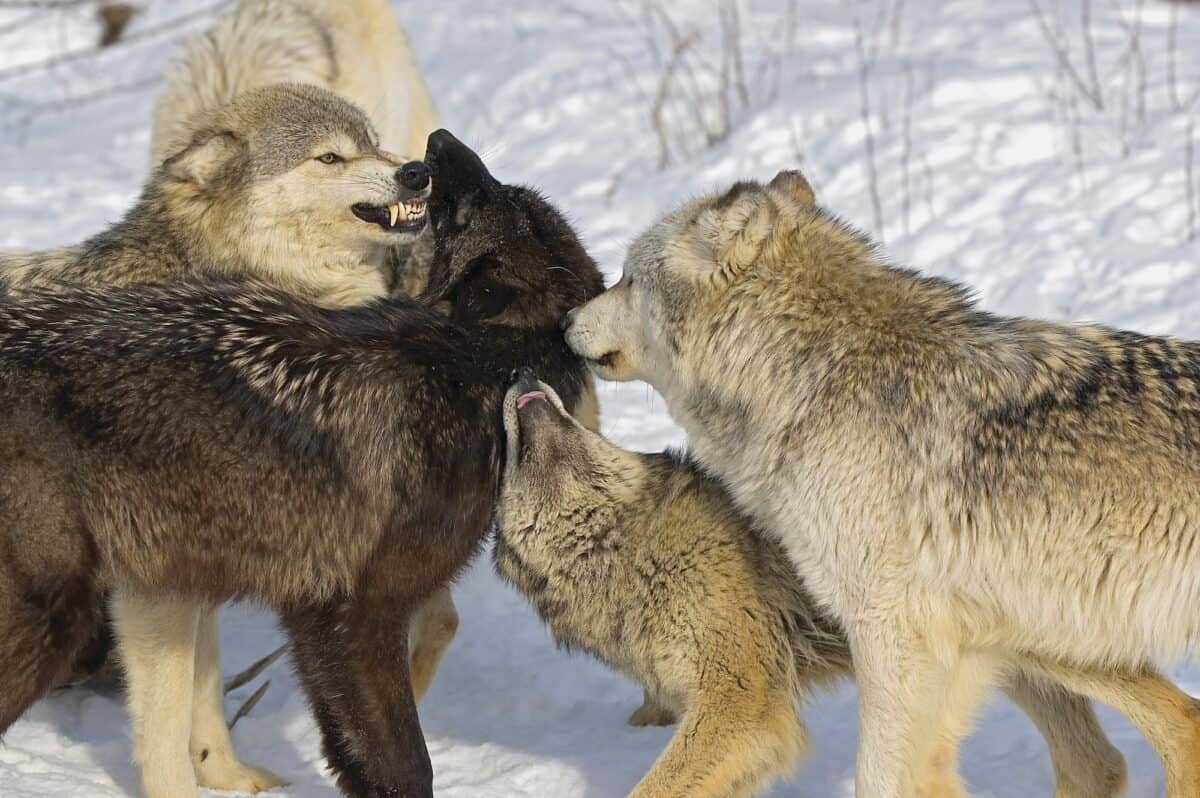
Alaska serves as a living laboratory for understanding wolf ecology in relatively intact ecosystems. Pioneering wolf researchers like Adolph Murie conducted groundbreaking studies in Denali National Park beginning in the 1930s, establishing foundations for modern understanding of wolf behavior and ecology. Today, sophisticated GPS collaring studies track wolf movements, hunting success, and territory use across the state. Genetic research examines population connectivity and potential hybridization with coyotes in southeastern regions. Non-invasive techniques including camera trapping, scat analysis, and howl surveys complement traditional research methods. This robust research program provides critical information for management decisions while advancing scientific understanding of predator ecology. Alaska’s exceptional wolf population density makes it invaluable for studying how wolves function at natural abundances—research impossible in regions where wolves exist at artificially low densities.
Alaska’s Wolf Legacy: A National Treasure
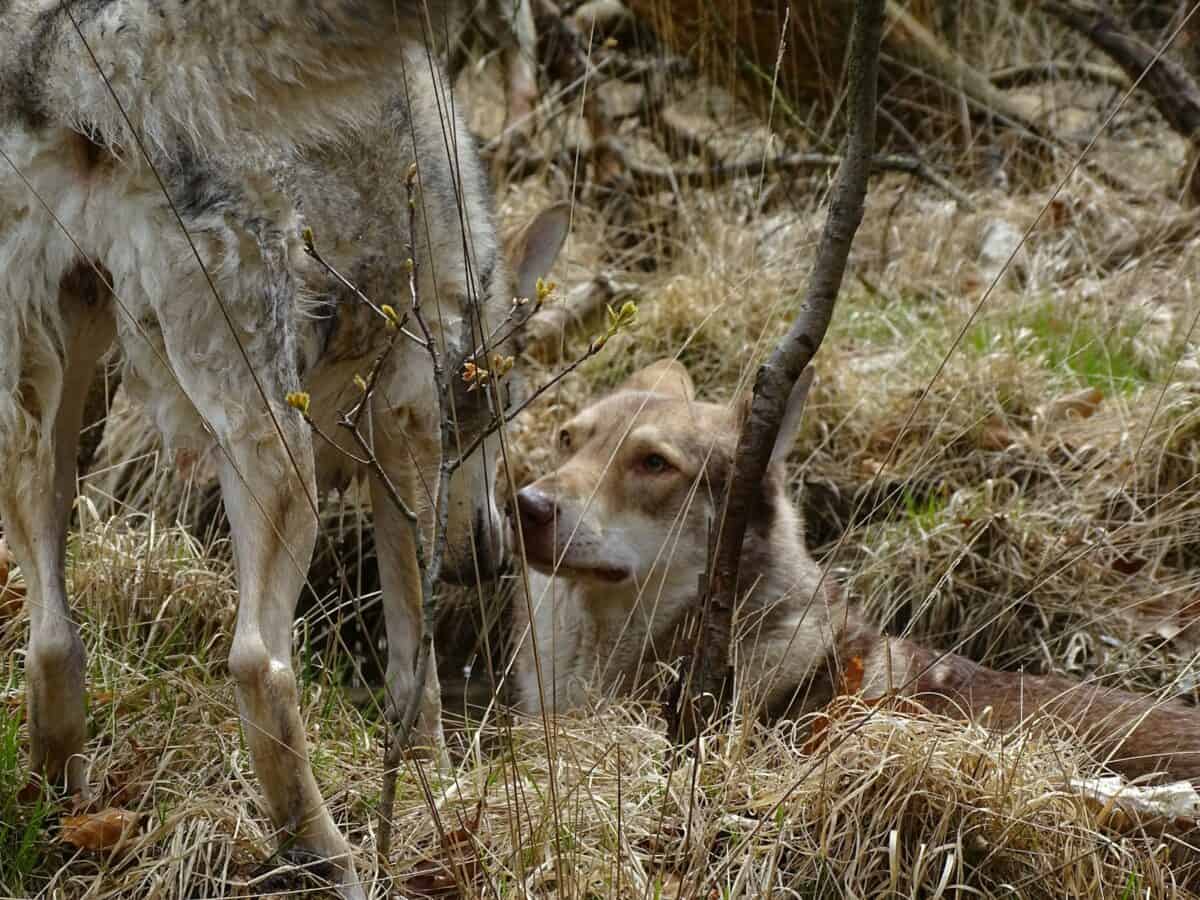
Alaska’s distinction as the state with America’s highest wolf concentration represents not just a biological statistic but a national conservation achievement. While wolves were systematically eliminated from most of their historical range in the contiguous United States, Alaska maintained viable populations throughout the 20th century when wolves faced their darkest days elsewhere. This continuity provides an unbroken ecological and evolutionary link to North America’s pre-colonial past. The state’s success in maintaining healthy wolf populations offers valuable lessons for ongoing recovery efforts in the lower 48 states. As climate change and development pressures increase, Alaska’s vast protected areas will become even more crucial as refuges for this iconic species. The state’s wolf legacy reminds us that with sufficient habitat and balanced management approaches, humans and wolves can coexist across landscapes, maintaining the ecological integrity that defined North America for millennia before European settlement.

- The Story of the Arctic Fox’s Incredible Seasonal Transformation - July 18, 2026
- 10 Most Venomous Snakes in US National Parks - July 18, 2026
- The Moth That Drinks Blood - July 18, 2026