

In the depths of Earth’s oceans lives a remarkable creature that scientists believe holds the key to revolutionary advances in human health. The axolotl (Ambystoma mexicanum), a salamander native to Mexico, possesses extraordinary regenerative abilities that could transform medicine as we know it. Unlike humans, who can only repair damaged tissue to a limited extent, axolotls can regrow entire body parts, including limbs, spinal cord, heart, and even portions of their brain—all without scarring. Recent breakthroughs in genetic research have allowed scientists to decode the axolotl’s complex genome, revealing mechanisms that could potentially be harnessed to enhance human healing capabilities. From treating degenerative diseases to extending human lifespan, this amphibian’s genetic secrets may unlock the future of healthcare and fundamentally change our understanding of human biology.
The Remarkable Axolotl: A Living Medical Marvel

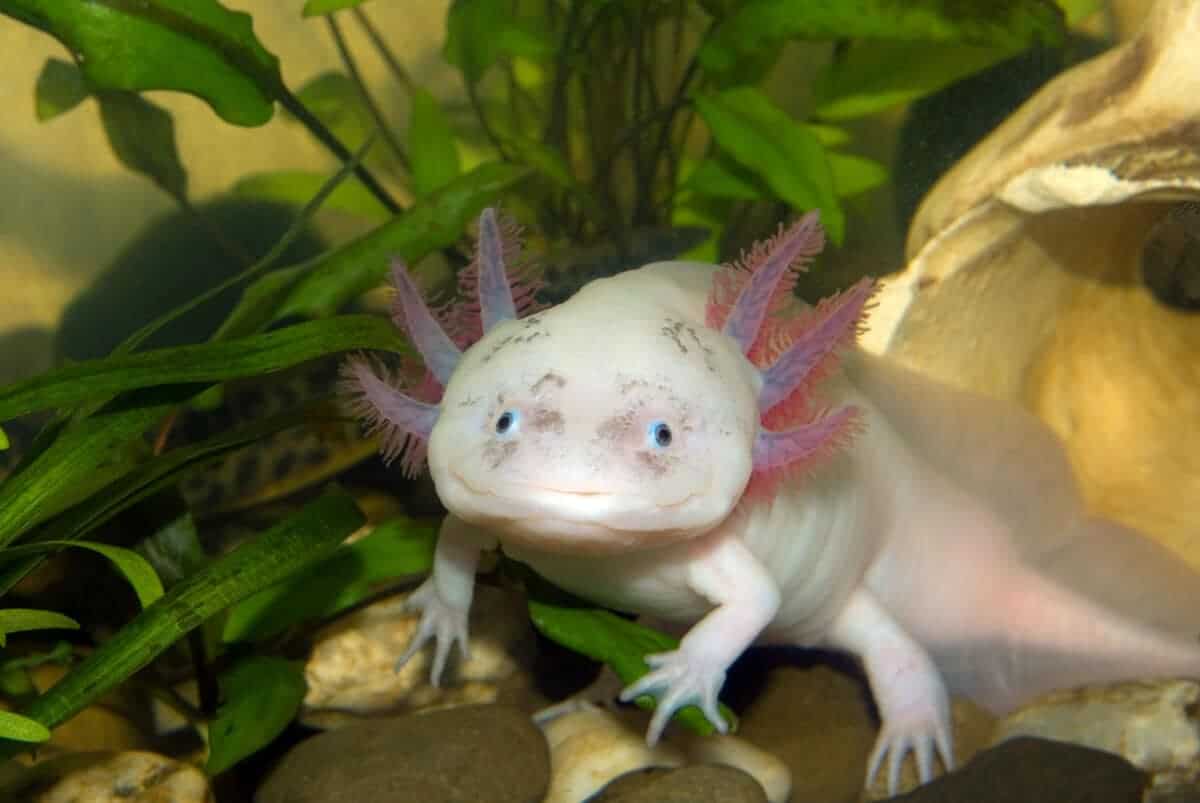
The axolotl is often described as one of nature’s most fascinating oddities. Unlike most salamanders, axolotls exhibit neoteny, meaning they retain juvenile features throughout adulthood, including their external gills that resemble a crown of feathery appendages. Native only to Lake Xochimilco in the Valley of Mexico, these critically endangered creatures have become vital research subjects in laboratories worldwide. Their most astonishing characteristic is their unparalleled regenerative capacity. When an axolotl loses a limb, it doesn’t merely heal the wound—it grows an entirely new, fully functional replacement. This process involves complex cellular mechanisms that scientists are only beginning to understand, including the dedifferentiation of mature cells back into stem-like cells that can rebuild tissues with remarkable precision. The comprehensive regenerative abilities of the axolotl extend beyond limbs to include organs, spinal cord, parts of the heart, and even portions of the brain—making them potentially invaluable models for treating human injuries and diseases.
Decoding the Giant Genome

The axolotl’s genome presented a formidable challenge to scientists, being ten times larger than the human genome—a staggering 32 billion base pairs compared to our 3 billion. This extraordinary size made it difficult to sequence using traditional methods. In 2018, an international team of researchers finally succeeded in assembling a comprehensive map of the axolotl genome, marking a watershed moment in regenerative medicine research. The genome’s unusual size stems partly from the presence of numerous repeated sequences and transposable elements—sometimes called “jumping genes”—that can move throughout the genome. Far from being “junk DNA,” some of these sequences appear to play critical roles in the axolotl’s regenerative capabilities. The sequenced genome has revealed unique genes and regulatory regions that control tissue regeneration, including genes that are absent or inactive in mammals. This genetic blueprint provides researchers with unprecedented insights into the molecular mechanisms of perfect healing and offers potential pathways for translating these abilities to human medicine.
Cellular Secrets of Perfect Regeneration
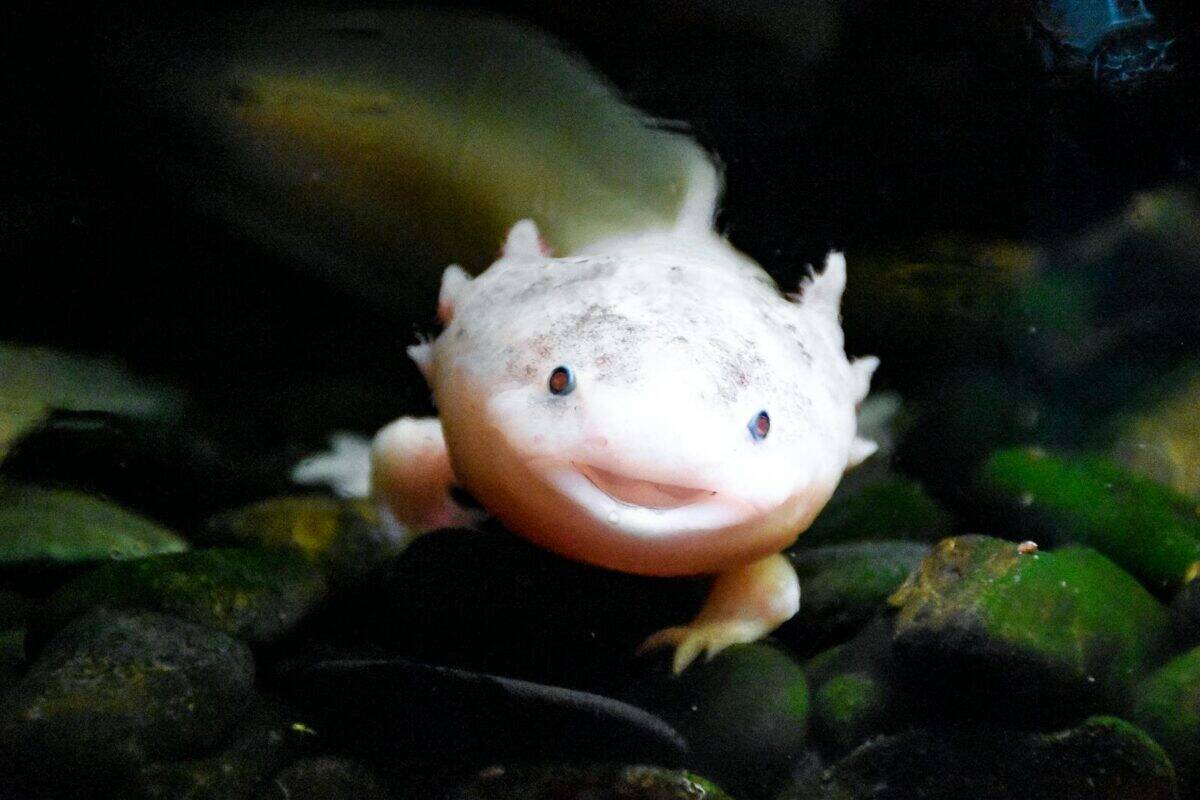
The axolotl’s regenerative process begins with a remarkable cellular event known as dedifferentiation. When tissue is damaged or a limb amputated, mature specialized cells near the injury site transform back into a stem cell-like state. These cells form a structure called a blastema—a collection of dedifferentiated cells that will eventually rebuild the missing body part. Unlike human healing, which typically results in scar tissue formation, the axolotl’s regeneration process recreates the original tissue architecture with astonishing precision. Researchers have identified specialized immune responses in axolotls that promote regeneration rather than scarring. Their macrophages (a type of white blood cell) secrete unique factors that encourage tissue regrowth instead of the inflammation and scarring that characterizes mammalian wound healing. Additionally, axolotls utilize distinctive signaling pathways that activate regeneration genes while suppressing scar formation genes. Understanding these cellular mechanisms could potentially allow scientists to reprogram human cells to follow similar regenerative pathways, essentially teaching our bodies to heal more like an axolotl than a typical mammal.
Implications for Spinal Cord Injuries

One of the most promising applications of axolotl research lies in treating spinal cord injuries, conditions that affect approximately 17,000 new patients annually in the United States alone. Unlike humans, who suffer permanent paralysis after severe spinal cord damage, axolotls can regenerate their spinal cords completely, regaining full functionality. Studies have shown that axolotls accomplish this feat through specialized neural stem cells that proliferate after injury and rebuild the complex neural architecture of the spinal cord. They also maintain an environment conducive to nerve regrowth, lacking the inhibitory factors that prevent neural regeneration in mammals. Recent experiments have identified specific proteins and growth factors in axolotls that could potentially be adapted for human treatments. In preliminary research, applying certain axolotl-derived compounds to damaged mammalian neural tissue has shown promising results in promoting nerve regrowth. Scientists are developing targeted therapies based on these discoveries, working toward treatments that could potentially restore mobility to patients with spinal cord injuries—a prospect that would revolutionize rehabilitation medicine and improve countless lives.
Cardiac Regeneration: Healing Broken Hearts

Cardiovascular disease remains the leading cause of death globally, responsible for approximately 17.9 million deaths annually. Unlike humans, whose heart muscle cells (cardiomyocytes) have very limited regenerative capacity, axolotls can recover from significant cardiac damage. When an axolotl’s heart is injured, it can regenerate up to 20% of the ventricular mass without forming debilitating scar tissue. This remarkable ability stems from cardiomyocytes that retain their proliferative capacity throughout the axolotl’s life. After injury, these heart cells dedifferentiate, divide, and redifferentiate to create new, functional heart tissue. Recent studies have identified specific molecular signals in axolotl hearts that trigger this regenerative response. Scientists are developing therapeutic approaches based on these discoveries, including gene therapies that might activate dormant regenerative pathways in human heart cells. Preliminary research using modified versions of axolotl regenerative factors has shown promise in encouraging human cardiomyocytes to proliferate in laboratory settings. If successfully translated to clinical applications, such therapies could potentially revolutionize the treatment of heart attack survivors, reducing heart failure rates and improving recovery outcomes for millions of patients worldwide.
Limb Regeneration: Beyond Prosthetics

For the estimated 2 million people living with limb loss in the United States alone, the axolotl’s ability to regenerate entire limbs represents a tantalizing possibility. When an axolotl loses a limb, a perfect replacement—complete with bones, muscles, nerves, and blood vessels—regrows within weeks. This process begins with the formation of a wound epidermis, followed by the development of a blastema from which the new limb emerges. The regenerated limb maintains positional information, ensuring that the correct structures form in the right locations. Scientists have identified key genetic regulators in this process, including proteins like Sonic hedgehog and Wnt, which control pattern formation during regeneration. Recent breakthroughs include the identification of a salamander-specific gene called Pax3, which appears crucial for their superior regenerative abilities. While complete limb regeneration in humans remains distant, researchers are developing intermediary approaches. These include biodegradable scaffolds seeded with growth factors derived from axolotl regeneration studies, designed to enhance healing and tissue regeneration in amputees. Such innovations could bridge the gap between current prosthetic technologies and the ultimate goal of biological limb replacement.
Aging and Longevity Insights

The axolotl’s unique biology extends beyond regeneration to include remarkable longevity and resistance to aging-related degeneration. In their natural environment, axolotls can live up to 15 years, but in captivity, they have been documented to survive for over 25 years—exceptional longevity for a relatively small amphibian. Their cells show unusual resistance to senescence (cellular aging), maintaining robust telomeres throughout their lives. Telomeres, the protective caps at the ends of chromosomes that typically shorten with age in most animals, remain stable in axolotls due to high telomerase activity. Furthermore, axolotls demonstrate minimal immune system decline with age—a stark contrast to the immunosenescence observed in aging humans. Researchers have identified unique DNA repair mechanisms in axolotl cells that efficiently correct genetic damage, potentially reducing cancer risk despite their long lifespans. Studies of these mechanisms have revealed novel proteins and pathways that could inspire new approaches to preventing age-related diseases in humans. While directly transferring axolotl longevity to humans isn’t feasible, understanding the molecular basis of their resistance to aging could lead to targeted interventions that slow certain aspects of human aging or reduce age-related disease burden.
Cancer Resistance Mechanisms
Despite their remarkable cell proliferation during regeneration, axolotls display an intriguing resistance to cancer development. This apparent paradox has captured researchers’ attention, as rapid cell division typically increases cancer risk in mammals. Studies suggest that axolotls possess sophisticated tumor suppression mechanisms that actively prevent malignant transformation during the vulnerable regeneration process. Their cells maintain strict genetic fidelity even during rapid proliferation, with enhanced DNA damage checkpoints and repair systems that exceed those found in mammals. Researchers have identified several axolotl-specific tumor suppressor genes that function more efficiently than their human counterparts. One particularly promising discovery involves a modified p53 protein—a critical tumor suppressor that is mutated in approximately 50% of human cancers. The axolotl version appears to provide superior protection against cancer formation while simultaneously permitting the cellular plasticity needed for regeneration. Pharmaceutical companies are currently developing compounds based on these findings, aiming to enhance human tumor suppression without interfering with normal cell functions. If successful, such therapies could significantly improve cancer prevention and treatment, potentially transforming oncology practices and reducing cancer mortality rates.
Immune System Innovation

The axolotl’s immune system represents another frontier in medical research, functioning differently from human immunity in ways that promote healing rather than scarring. Unlike mammals, whose inflammatory responses often cause collateral damage to tissues, axolotls exhibit a more balanced immune reaction that supports regeneration. Their macrophages (important immune cells) can switch between pro-inflammatory and anti-inflammatory states more fluidly than human macrophages, creating an environment conducive to tissue rebuilding rather than scarring. Recent studies have identified unique antimicrobial peptides in axolotl skin that provide powerful protection against pathogens while promoting tissue repair. These natural antibiotics could potentially be developed into novel treatments for antibiotic-resistant infections—a growing global health crisis. Additionally, axolotls possess distinctive T-cell populations that modulate inflammation without compromising pathogen defense. Researchers are developing immunomodulatory therapies based on these findings, aiming to reduce harmful inflammation in conditions like arthritis, inflammatory bowel disease, and multiple sclerosis. By mimicking aspects of the axolotl’s regeneration-friendly immune response, these approaches could potentially transform the treatment of chronic inflammatory conditions that affect millions worldwide.
Ethical and Practical Challenges

Despite the tremendous potential of axolotl-inspired medicine, significant ethical and practical challenges remain. The axolotl is critically endangered in the wild, with fewer than 1,000 individuals estimated to remain in their native Mexican habitat due to pollution, urban development, and the introduction of invasive species. This raises important conservation concerns as research demand increases. Scientists must balance research needs with conservation efforts, implementing sustainable laboratory breeding programs while supporting habitat protection initiatives. Additionally, the translation of axolotl regenerative mechanisms to human applications faces substantial biological hurdles. The evolutionary distance between salamanders and humans—approximately 360 million years of separate evolution—means that direct gene transfer approaches are unlikely to succeed. Instead, researchers must identify the fundamental principles of axolotl regeneration and develop human-compatible methods to achieve similar outcomes. This process requires careful consideration of safety concerns, particularly regarding the cancer risk potentially associated with enhanced cellular proliferation in humans. Regulatory frameworks for such novel therapies are still evolving, necessitating close collaboration between researchers, ethicists, and regulatory bodies to ensure that axolotl-inspired treatments are developed responsibly and equitably.
Current Research Breakthroughs

The field of axolotl-inspired regenerative medicine has accelerated dramatically in recent years, with several groundbreaking studies pushing the boundaries of what’s possible. In 2023, researchers at the Max Planck Institute identified a network of regulatory elements in the axolotl genome that orchestrates the precise timing and location of regenerative gene expression. This discovery has provided unprecedented insights into how regeneration is controlled at the genetic level. At Harvard University, scientists successfully induced partial digit regeneration in mice using factors derived from axolotl blastemas, representing one of the first successful transfers of salamander regenerative capacity to mammals. Meanwhile, a team at the University of Kentucky has developed an artificial intelligence system that analyzes thousands of potential drug candidates against axolotl regeneration pathways, identifying several promising compounds currently advancing to preclinical testing. Perhaps most excitingly, researchers at the Karolinska Institute recently demonstrated that human stem cells can be programmed to follow axolotl-like regeneration patterns when exposed to specific signaling molecules identified in salamander tissues. These cells showed enhanced ability to repair damaged heart tissue in laboratory models, suggesting potential clinical applications may be closer than previously thought. Collectively, these studies indicate that while challenges remain, the translation of axolotl regenerative mechanisms to human medicine is making tangible progress.
Future Therapeutic Horizons

Looking ahead, axolotl-inspired therapies are poised to transform multiple areas of medicine within the coming decades. Near-term applications will likely focus on enhancing wound healing and reducing scarring, with several pharmaceutical companies already conducting clinical trials of topical treatments based on axolotl skin secretions. These products show promise for treating diabetic ulcers, burns, and surgical wounds—conditions that currently present significant healing challenges. Medium-term developments may include targeted regenerative therapies for specific tissues, particularly nerve and cardiac muscle regeneration. Advanced gene therapies that temporarily activate salamander-like regenerative pathways in damaged human tissues are in preclinical development, with potential applications for stroke recovery, heart attack treatment, and peripheral nerve damage. The most ambitious goal—complete limb or organ regeneration in humans—remains a longer-term objective that will require significant additional research. However, intermediary approaches combining biological scaffolds with axolotl-derived growth factors show promise for enhancing the body’s natural healing abilities while biomedical technology continues to advance. Perhaps most importantly, axolotl research is fundamentally changing how scientists think about human healing potential, challenging long-held assumptions about the fixed nature of human tissue repair and opening new conceptual approaches to treating previously irreversible conditions.
Conclusion: From Salamander to Healthcare Revolution

The humble axolotl, once known primarily to aquarium enthusiasts and Mexican folklore, now stands at the frontier of medical innovation. Its remarkable genome contains biological instructions for perfect healing that could transform human healthcare in the coming decades. While the path from laboratory discovery to clinical application remains challenging, the accelerating pace of research suggests that axolotl-inspired treatments will gradually enter medical practice, potentially offering new hope for conditions currently considered permanent or degenerative. The story of the axolotl reminds us that solutions to human health challenges often come from unexpected sources, highlighting the vital importance of biodiversity conservation alongside scientific innovation. As we unravel more secrets from this extraordinary creature’s DNA, we move closer to a future where injuries heal without scars, damaged organs regenerate, and many of today’s incurable conditions become manageable or even curable—a healthcare revolution born from the genetic code of a critically endangered Mexican salamander.

- The World’s Smallest Vertebrate Was Discovered in a U.S. Forest - July 30, 2026
- How Tigers Are Reclaiming Lost Ground in Nepal - July 30, 2026
- The Animal That Drinks Fog - July 30, 2026