


In the diverse landscape of Australia and New Guinea, a peculiar creature waddles through the underbrush, moving with deliberate slowness. The echidna, often referred to as the spiny anteater, is one of Earth’s most fascinating evolutionary marvels. Despite its unhurried pace and seemingly vulnerable nature, this remarkable monotreme has survived for millions of years, outlasting countless faster and more formidable species. The echidna’s story is one of remarkable adaptation, unique biology, and surprising resilience. Its sluggish movements belie a creature perfectly adapted to its ecological niche, demonstrating that in the grand game of evolution, speed isn’t always the winning strategy. Let’s explore how this slow-moving survivor has defied the odds and thrived in a world where quickness often means the difference between life and death.
The Ancient Origins of Echidnas
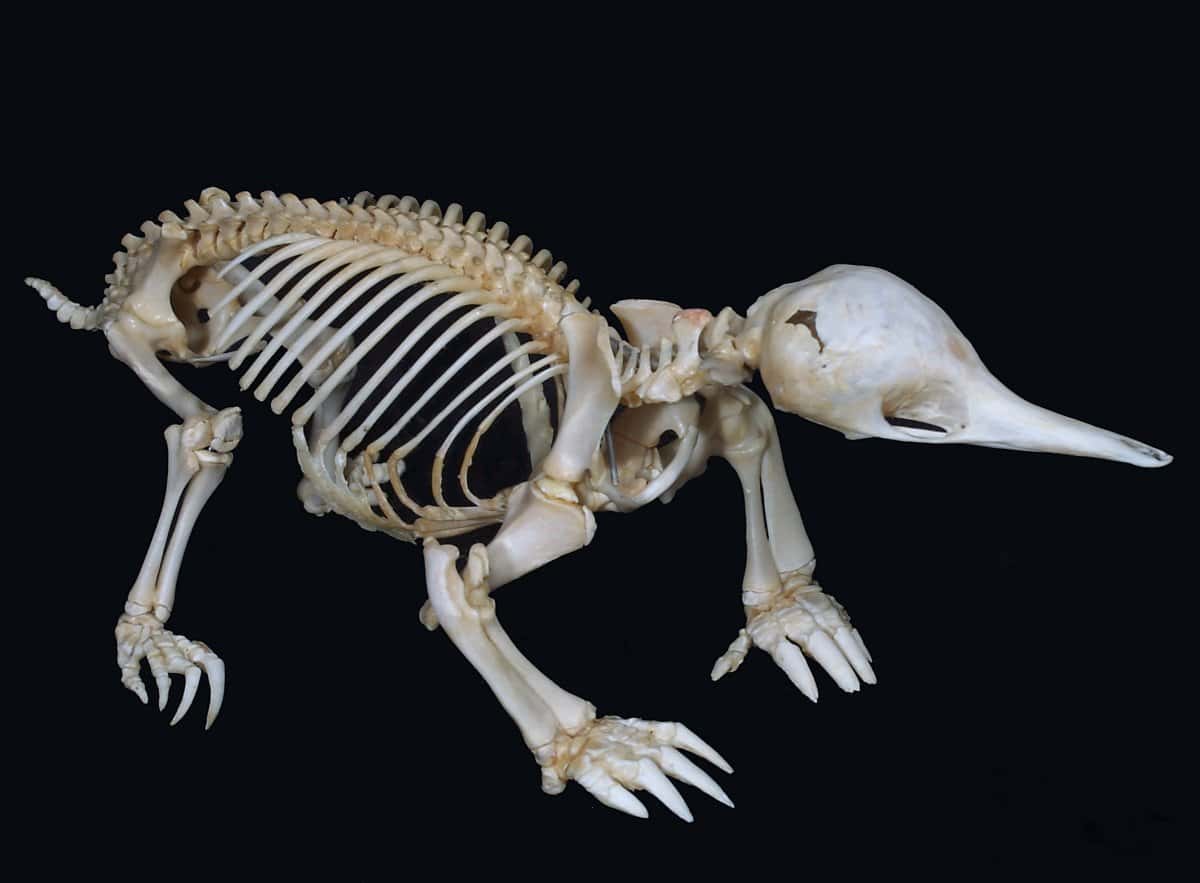
Echidnas belong to the order Monotremata, making them one of only five extant monotreme species in the world—the other being the equally peculiar platypus. Monotremes represent the oldest evolutionary branch of mammals, having diverged from other mammals approximately 200 million years ago during the Triassic period. Paleontological evidence suggests that echidna-like creatures have existed with relatively little change for about 50 million years, making them living fossils in the truest sense.
What makes this longevity particularly remarkable is that echidnas have survived multiple mass extinction events, climate changes, and the rise and fall of countless species. Their evolutionary persistence speaks to the effectiveness of their unique adaptations, despite their seemingly disadvantageous slow movement. While dinosaurs rose and fell, and numerous mammalian species evolved and went extinct, the slow-moving echidna continued its unhurried journey through evolutionary time, largely unchanged in its fundamental biology.
The Four Living Species
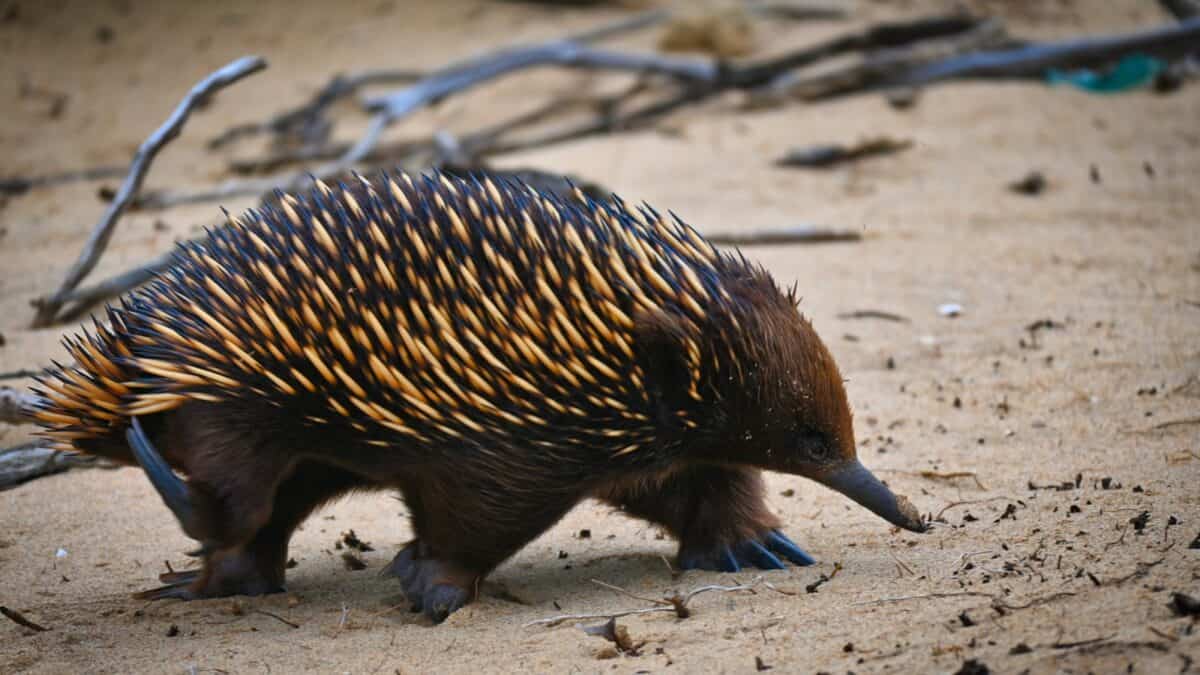
Today, echidnas are represented by four living species distributed across Australia and New Guinea. The short-beaked echidna (Tachyglossus aculeatus) is the most widespread, found throughout Australia and parts of New Guinea. The other three species are all long-beaked echidnas (genus Zaglossus) and are restricted to New Guinea: the western long-beaked echidna (Z. bruijni), the eastern long-beaked echidna (Z. bartoni), and Sir David’s long-beaked echidna (Z. attenboroughi), named after the famous naturalist.
Each species has evolved slightly different adaptations to suit their specific habitats, from the rainforests of New Guinea to the arid regions of Australia. The long-beaked species tend to be larger and have more specialized feeding habits, while the short-beaked echidna shows remarkable adaptability across diverse environments. Despite these differences, all share the characteristic slow movement that defines the family, with top speeds rarely exceeding 2.3 kilometers (1.4 miles) per hour—truly a testament to their “sluggish” reputation.
The Armor That Allows Slowness

One of the primary reasons echidnas can afford to move so slowly is their formidable defensive armor. An adult echidna’s back and sides are covered with thousands of modified hairs that have evolved into sharp, rigid spines. These spines, made of keratin (the same material as human fingernails), can be up to 7 centimeters (2.8 inches) long in some species and provide formidable protection against would-be predators.
When threatened, an echidna doesn’t need to outrun its predators. Instead, it employs a simple yet effective defensive strategy: it either digs into the ground, leaving only its spiny back exposed, or curls into a ball similar to a hedgehog, presenting nothing but sharp spines to the attacker. The echidna’s strong digging forelimbs allow it to anchor itself firmly into the soil, making it extremely difficult for predators to dislodge. This passive defense mechanism has proven remarkably effective, eliminating the evolutionary pressure to develop speed as a survival strategy.
Metabolic Adaptations for a Slow Life

The echidna’s sluggish movement is reflected in its remarkably slow metabolism—one of the lowest among mammals. Their body temperature averages around 32°C (89.6°F), significantly lower than most mammals, which typically maintain temperatures closer to 37°C (98.6°F). This lower metabolic rate means echidnas require less food and energy to survive, allowing them to thrive in resource-limited environments.
During periods of food scarcity or extreme weather, echidnas can enter a state of torpor—a temporary hibernation-like condition where they lower their body temperature even further and reduce their metabolic rate by up to 80%. This remarkable adaptation allows them to survive for extended periods without food. In cooler regions, some echidnas enter true hibernation during winter months, with their body temperature dropping to near ambient levels and their heart rate slowing to just a few beats per minute. This metabolic flexibility is a key survival mechanism that compensates for their inability to quickly flee to new territories when conditions become unfavorable.
Feeding Habits: Slow But Efficient
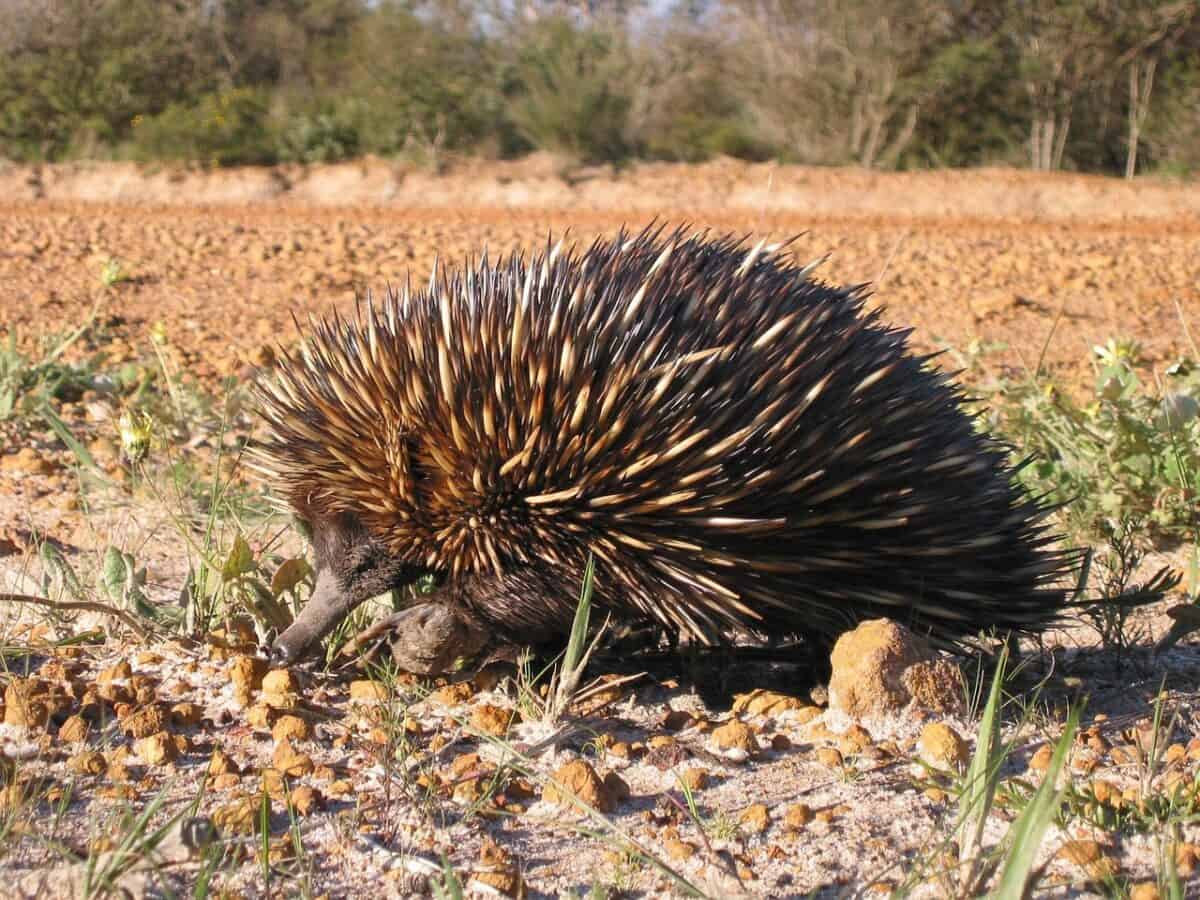
Echidnas are specialized myrmecophages, feeding primarily on ants and termites, though they will also consume other invertebrates when available. Their feeding process is unhurried but remarkably efficient. Using their strong claws, they break open ant nests or termite mounds, then use their elongated, sticky tongue to collect the insects. An echidna’s tongue can extend up to 18 centimeters (7 inches) beyond its snout and can dart in and out up to 100 times per minute—one of the few quick movements in this otherwise slow animal.
They lack teeth, instead having keratinous pads in their mouth to crush their prey. Food passes quickly through their digestive system, with some studies showing retention times of just 5-7 hours. This rapid digestion compensates for the low nutritional value of their primary food sources. Interestingly, echidnas are highly efficient foragers despite their slowness—a single individual can consume up to 40,000 ants and termites in a day, methodically working through terrain at their own pace rather than rushing from resource to resource.
The Unusual Reproductive Biology

Perhaps one of the most fascinating aspects of echidna biology is their reproductive system, which reflects their ancient evolutionary position. As monotremes, echidnas lay eggs rather than giving birth to live young, setting them apart from all other mammals except the platypus. The male echidna has a four-headed penis (used two heads at a time), while females develop a temporary pouch during the breeding season.
After mating, a female typically lays a single small, leathery egg about 22 days later, which she deposits directly into her pouch. The egg hatches after about 10 days, and the jellybean-sized puggle (baby echidna) remains in the pouch for up to 55 days, depending on the species. Unlike marsupials, echidnas don’t have teats; instead, the puggle laps up milk that seeps from specialized patches on the mother’s skin inside the pouch. The slow pace of echidna reproduction—with females producing just one offspring every 2-3 years—aligns with their overall slow-life strategy, focusing on quality of offspring rather than quantity.
Navigating Their Environment

Despite their unhurried pace, echidnas are surprisingly adept at navigating diverse environments. They have strong, powerful limbs with long claws, particularly on their forefeet, making them excellent diggers. This allows them to burrow for protection, establish shelter, and access food sources. Their digging ability is so efficient that an echidna can completely bury itself in surprisingly soft ground within minutes.
Echidnas possess acute senses that compensate for their slow movement. Their sense of smell is exceptional, aided by an electrical sense detected through their snout that helps them locate prey underground—a rare ability among mammals. While their eyesight is relatively poor, they have excellent hearing. These sensory adaptations allow echidnas to detect both food and danger from a distance, giving them time to employ their defensive strategies despite their lack of speed.
Cognitive Abilities Beyond Their Pace

Despite their primitive evolutionary position and slow-moving lifestyle, echidnas possess surprisingly sophisticated cognitive abilities. Research has shown that their brain-to-body mass ratio is comparable to that of many marsupials and some small placental mammals. The neocortex—the part of the brain associated with higher function—is well-developed in echidnas, suggesting capabilities for complex problem-solving.
Studies in captivity have demonstrated that echidnas can solve simple mazes and remember solutions to problems they’ve encountered before. They display distinct individual personalities and can recognize human caretakers. Their spatial memory appears particularly strong, with individuals maintaining home ranges of up to 50 hectares and consistently returning to favored feeding and sheltering locations. These cognitive abilities likely help compensate for their physical limitations, allowing them to survive through intelligence rather than speed.
Longevity: The Slow Path to Old Age

The echidna’s slow pace extends to its aging process as well. These remarkable creatures are among the longest-lived mammals relative to their size. In the wild, echidnas regularly live for 30-45 years, with some individuals in captivity reaching over 50 years of age. This exceptional longevity is particularly notable given that similarly-sized mammals typically live only 5-15 years.
Scientists believe this longevity is directly connected to their slow metabolism and low reproductive rate. With fewer offspring to produce and a body that runs at a lower “speed,” echidnas experience less oxidative stress and cellular damage over time. They also seem to have enhanced mechanisms for DNA repair and cancer resistance, though these are still being studied. Their long lifespan represents yet another way in which their “slow and steady” life strategy has proven successful in evolutionary terms.
Conservation Challenges

While the short-beaked echidna remains relatively common across Australia, all species face increasing threats in the modern world. The three long-beaked species of New Guinea are classified as either endangered or critically endangered by the IUCN, primarily due to habitat loss and hunting. Their slow movement and reproduction rate make them particularly vulnerable to rapid environmental changes.
Climate change presents a significant challenge for echidnas, as their limited ability to regulate body temperature makes them susceptible to extreme heat events. Road mortality is another growing threat, as their slow movement and tendency to freeze when threatened makes them vulnerable to vehicle strikes. Introduced predators like foxes and cats have learned to attack the unprotected underbelly of echidnas, partially countering their defensive adaptations. Conservation efforts focus on habitat preservation, reduction of invasive predators, and captive breeding programs for the most endangered species.
Cultural Significance

The echidna holds special significance in the cultural traditions of Indigenous Australian peoples. In many Aboriginal Dreamtime stories, the echidna features as a character known for its wisdom and problem-solving abilities rather than its speed—reflections of the animal’s actual biological characteristics. These stories often position the echidna as a clever creature who uses intelligence to overcome physical limitations.
In modern Australian culture, the echidna has become an iconic native animal, featured on the 5-cent coin since 1966 and appearing as a mascot for various organizations and sporting events. Its unique appearance and status as one of Australia’s most distinctive animals have made it popular in tourism advertising and wildlife education programs. The echidna has even made its way into global pop culture through characters like Knuckles in the Sonic the Hedgehog franchise (though ironically portrayed as fast rather than slow) and as one of the most sought-after animals for wildlife photographers visiting Australia.
Ancient Survivors: The Enduring Legacy of the Echidna

The echidna stands as a powerful testament to the fact that in nature, there are many paths to evolutionary success. While the modern world seems to value speed and rapid adaptation above all else, the echidna’s 50-million-year journey proves that sometimes, being slow and steady truly does win the race. Their remarkable survival strategies—from their defensive spines to their metabolic efficiency—demonstrate that adaptation doesn’t always mean becoming faster or stronger, but sometimes means finding a different path entirely.
Through countless climate shifts, changing landscapes, and the rise and fall of numerous species around them, echidnas have persisted largely unchanged, a living link to the ancient history of mammalian evolution. Their continued presence in today’s ecosystems serves as a reminder that biodiversity takes many forms and that even the slowest creatures have their place in the complex web of life.
Slowness as Strength: Life Lessons from the Ancient Echidna

As we face an era of unprecedented environmental change, the echidna’s story offers valuable lessons about resilience and adaptation. Perhaps there is wisdom in their unhurried approach to life—a reminder that sustainable success sometimes comes not from racing ahead, but from finding the perfect ecological niche and filling it with measured, efficient precision. In a world increasingly focused on speed, the sluggish echidna stands as nature’s counterargument: a celebration of slowness as its own form of evolutionary genius.
The next time you encounter an image of this spiny, slow-moving survivor, take a moment to appreciate not just its peculiar appearance, but the profound evolutionary success story it represents—a testament to the power of taking life at your own pace, however slow that might be.

- This Lizard Can Breathe Underwater - July 22, 2026
- The Wild Horses of North Carolina’s Coast - July 22, 2026
- These Creatures Can Freeze Themselves to Survive - July 22, 2026