

America is home to some of the most jaw-dropping landscapes on the entire planet. Most people know Yellowstone, the Grand Canyon, and Niagara Falls. They are iconic for good reason. However, those celebrated giants are just a fraction of what this country quietly holds within its borders.
The truth is, scattered from the misty Pacific Northwest to the sun-scorched Southwest, from Wisconsin’s frozen lakeshores to the volcanic islands of Hawaii, there are breathtaking natural wonders that the majority of Americans have never even heard of. Some are remote. Some are hiding in plain sight. All of them are extraordinary. Be prepared to be surprised by what’s out there.
1. Shoshone Falls, Idaho – Taller Than Niagara and Almost Forgotten
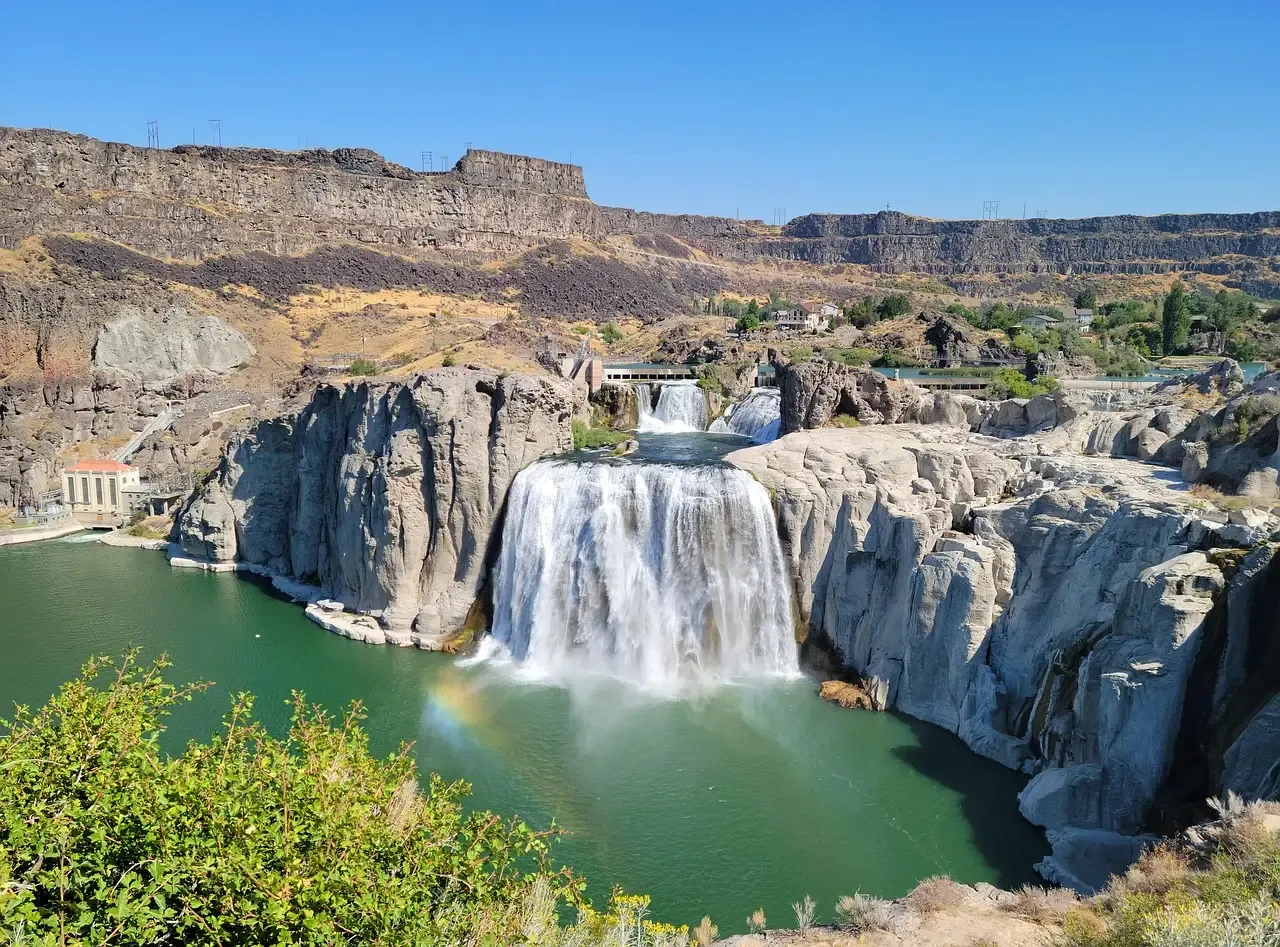
Here’s the thing – most people couldn’t point to Shoshone Falls on a map, and that is honestly a little shocking. Despite its lack of notoriety, this waterfall, which flows over a vertical horseshoe-shaped cliff in the Snake River, is one of the country’s tallest, a full 45 feet taller than New York’s Niagara Falls. Let that sink in for a moment.
The best time to see Shoshone Falls is in the spring, when the river is bloated with snowmelt from the Rocky Mountains, and unlike visiting the actual Niagara Falls, you’ll be one of just a handful of tourists standing on its edge. The solitude alone is worth the detour. Think of it as Niagara’s quieter, arguably more spectacular cousin who never got invited to the party.
2. The Bisti Badlands, New Mexico – America’s Best-Kept Alien Landscape
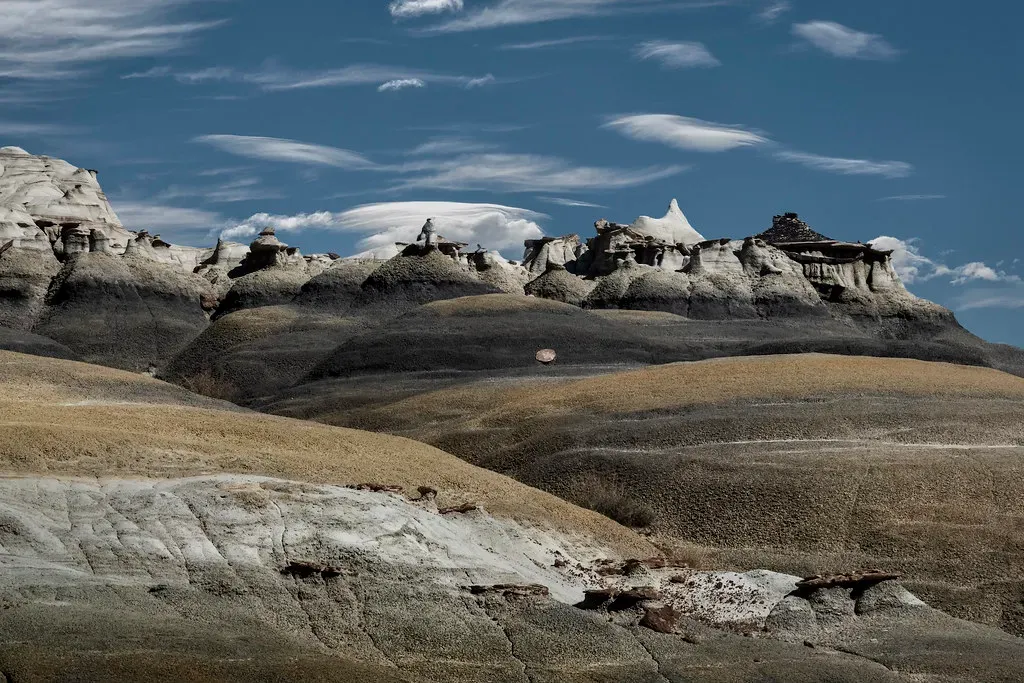
The Badlands are formally known as the Bisti/De-Na-Zin Wilderness Area – “bisti” translates to “among the adobe formations” in the Navajo language, and “de-na-zin” refers to a crane – but the area is still commonly referred to as the Bisti Badlands. The names alone feel like poetry.
This impressive geological formation is a maze of towering rocks and hoodoos that create a surreal landscape that looks like a sci-fi movie. The area is a popular destination for hikers, photographers, and nature enthusiasts who explore otherworldly formations, including petrified logs, strange rock formations, and colorful mineral deposits. Honestly, I think if you dropped someone here without context, they would genuinely believe they had landed on Mars.
3. Thor’s Well, Oregon – Nature’s Own Drain at the Edge of the Sea
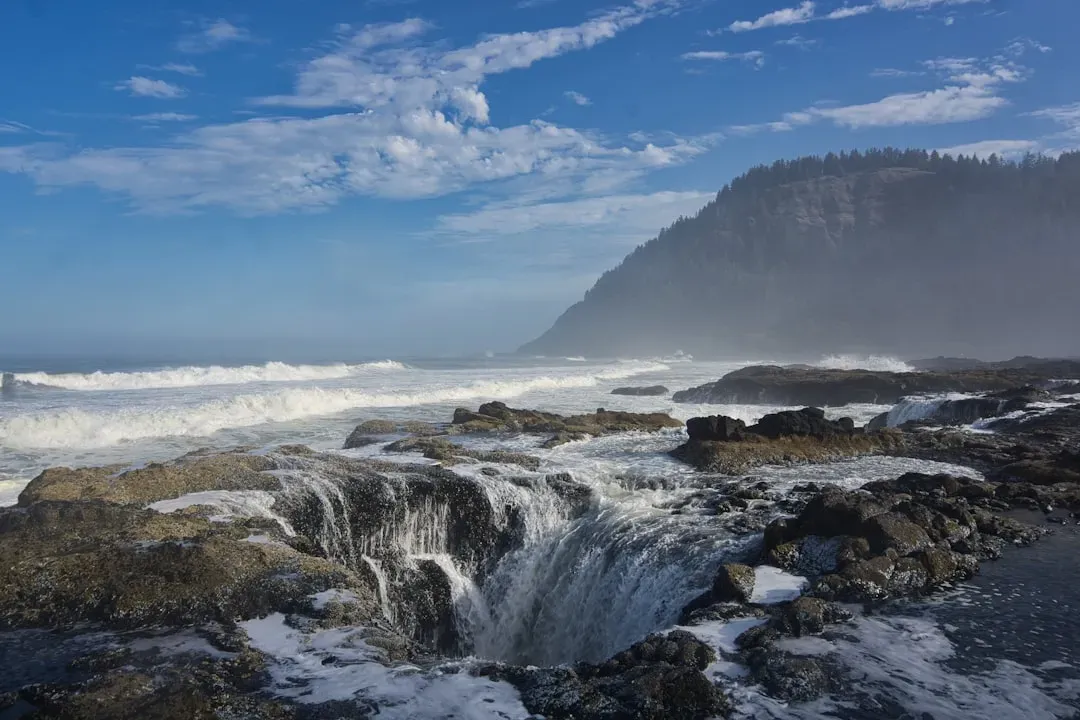
Thor’s Well is a unique natural wonder on the Oregon Coast that draws visitors worldwide. It’s a large, circular hole in the rock that appears bottomless. When waves crash in, it fills with water that shoots out in a dramatic explosion, creating a stunning display of natural power. Few things in nature feel as primal and hypnotic as watching that happen up close.
You’ll find a collapsed sea cave in Oregon that sucks in water like a drain and spits it back out 40 feet into the air. The best time to see this phenomenon is during high tide, when the waves are strongest. However, it’s essential to keep a safe distance from the edge and never turn your back to the ocean, as the waves can be unpredictable and dangerous. Beautiful, yes. Gentle, absolutely not.
4. Cumberland Falls, Kentucky – Where Moonbows Come to Life
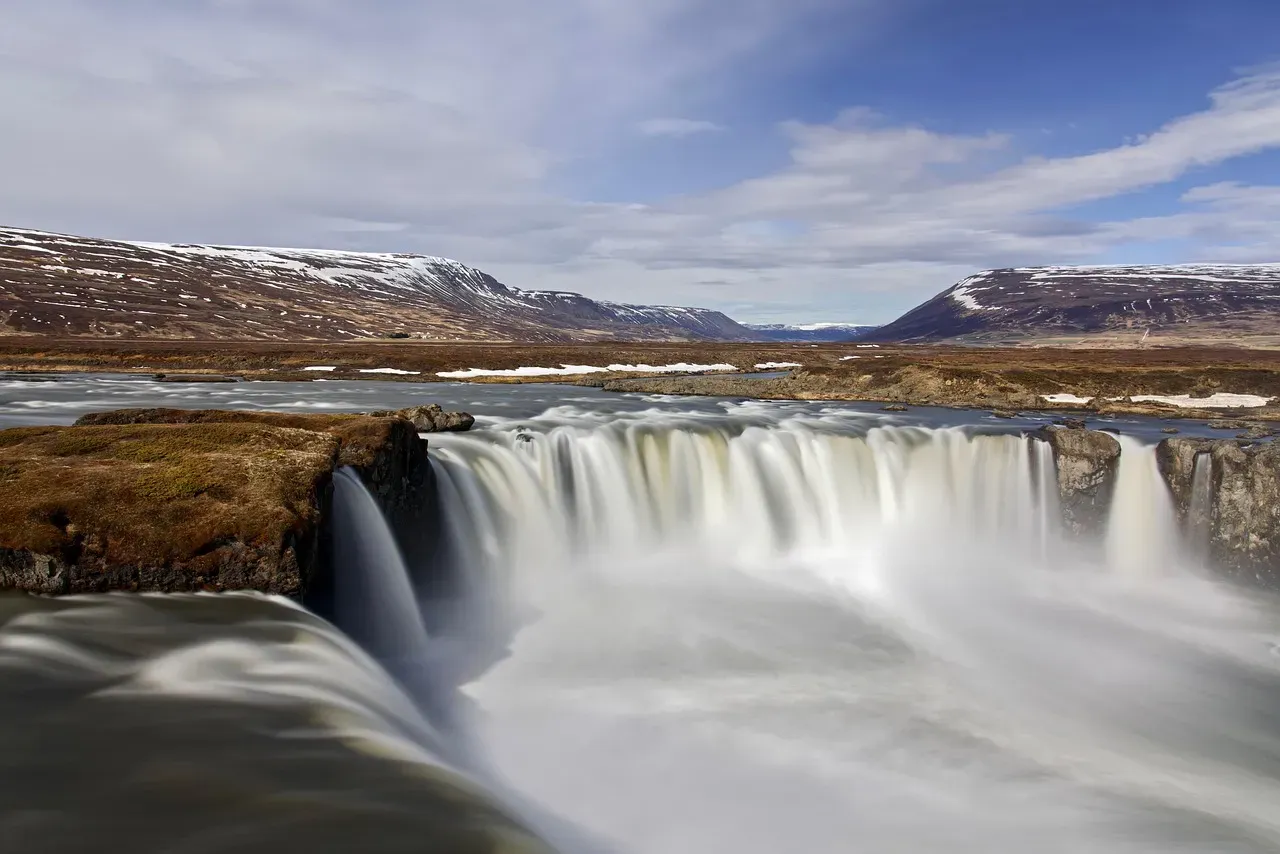
Most of us have only ever seen a rainbow during the day. In Kentucky’s Cumberland Falls State Resort Park, a full moon, a clear night and the mists of a waterfall combine to create a “rainbow” in the dark. The phenomenon stirs a sense of the mystical and dreamy, but is actually the product of science. It sounds like something from a fairy tale, but it is completely real.
The steep walls of the wide gorge, supporting the 68-foot-high, 125-foot-wide Cumberland Falls, capture large amounts of mist. If the moon is full or nearly full, the moonlight can create a lunar rainbow, also known as a “moonbow.” This nighttime counterpart to the sun’s rainbow may appear ghostly and white, but when it’s very cold and clear, the moonbow colors glow. Other places in the U.S. have occasional moonbows, but at Cumberland Falls, any full moon, year-round, could produce these memorable arcs.
5. The Apostle Islands Sea Caves, Wisconsin – A Winter World of Ice and Stone
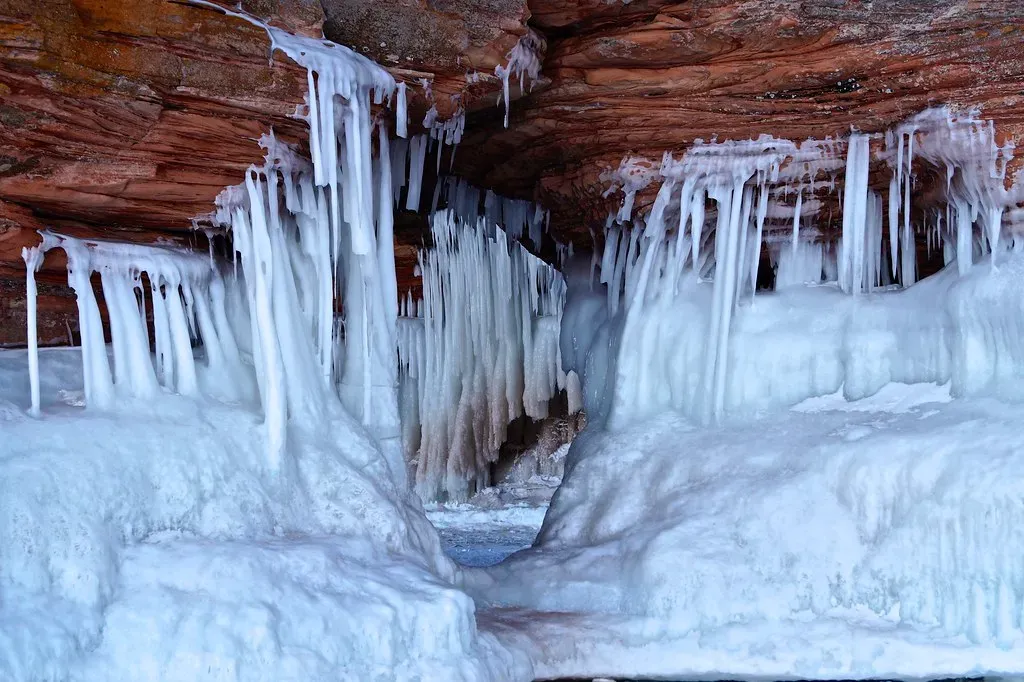
Located along the western boundary of Lake Superior, these sea caves are ancient formations shaped by water and ice. The red sandstone has been carved by the elements into delicate arches and vaulted chambers. In the frigid Wisconsin winter, dramatic giant icicles form inside them. The visual effect is otherworldly, like stepping inside a frozen cathedral.
It’s the only time of year when they’re accessible by foot, so it’s best to visit in February when the lake’s ice is usually at its thickest and safest to walk across. The reward for braving those sub-zero temperatures is a spectacle that very few humans on Earth will ever witness. That exclusivity, I think, makes it even more worth it.
6. North Cascades National Park, Washington – America’s Hidden Alps
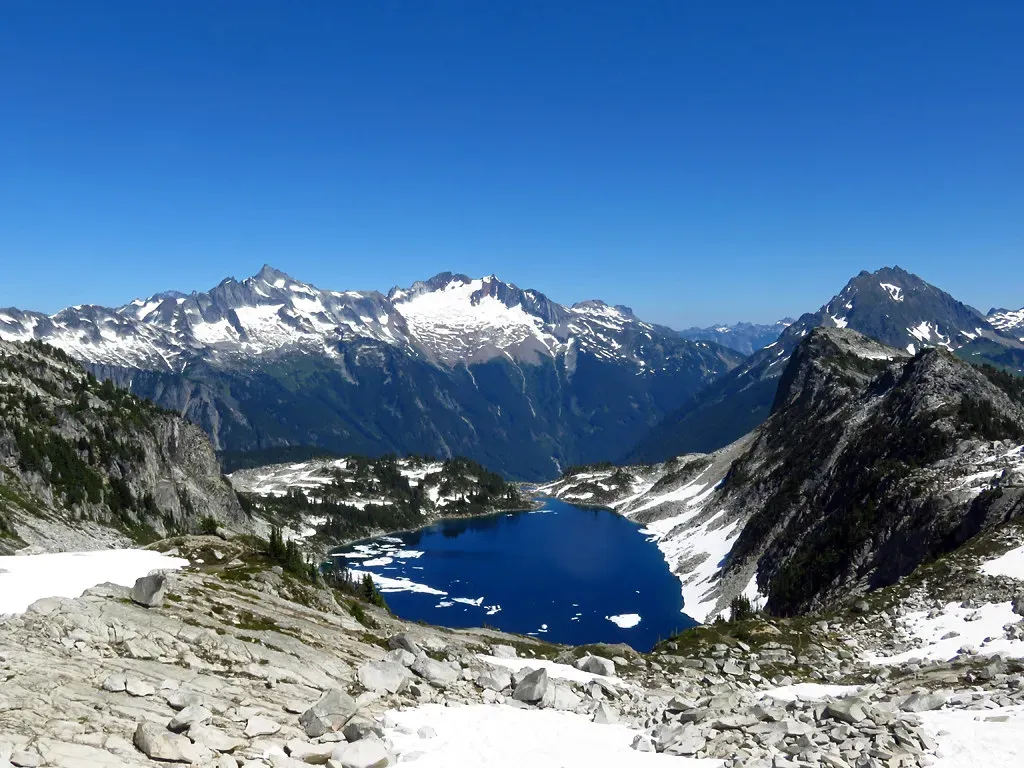
North Cascades offers alpine lakes, jagged peaks and glacier-fed rivers in a setting that feels exceptionally untouched. The park is sometimes referred to as the American Alps due to its sharp mountain silhouettes and deep valleys. You would think a place this stunning would be overrun with tourists. Yet, remarkably, it is not.
Montana’s Glacier National Park may often be ranked among the top ten most-visited US national parks, but around 500 miles away, North Cascades has a similar landscape – but blissfully, fewer crowds. It features more than 300 glaciers, compared with the now roughly 25 surviving ones in Glacier National Park. More glaciers, fewer selfie sticks. That feels like a win to me.
7. Palo Duro Canyon, Texas – The Grand Canyon Nobody Talks About
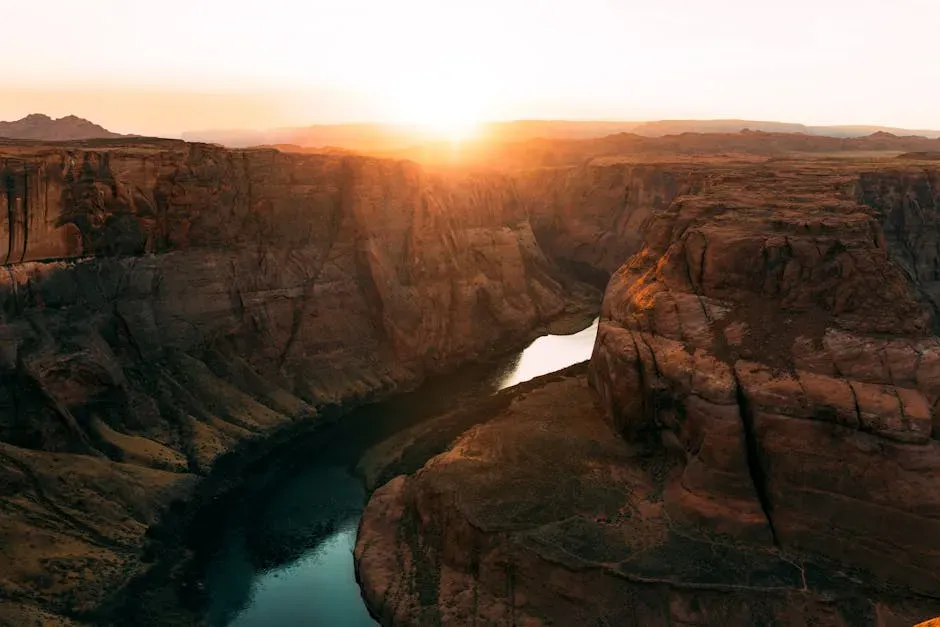
Let’s be real – Texas doesn’t usually come to mind when people think of dramatic canyon scenery. That’s exactly why Palo Duro Canyon remains so delightfully under the radar. Formed by millions of years of water erosion, the lesser-visited Palo Duro Canyon may be smaller than Arizona’s famous chasm, but it’s crammed with an equal amount of beauty and epic vistas, with more room to take it all in.
Located 25 miles from downtown Amarillo, it features 16 miles of paved road, plus rugged hiking and biking trails. The colors at sunset, painted in streaks of red, orange, and purple across those canyon walls, are the kind of sight that stays with you long after you’ve driven home. It’s the sort of place that makes you wonder why you hadn’t gone years earlier.
8. Anza-Borrego Desert State Park, California – The Superbloom Secret
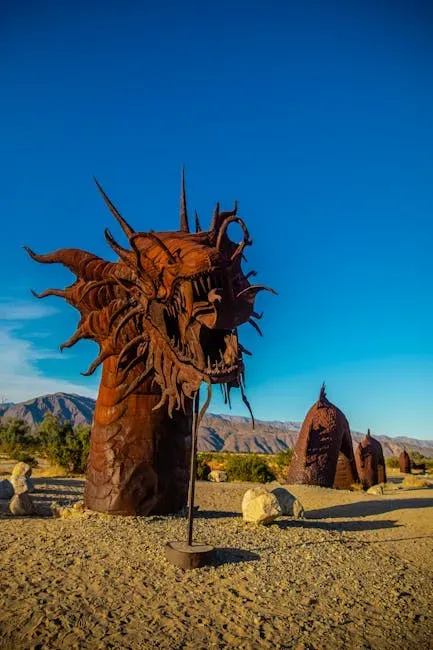
Anza-Borrego is the biggest state park in California, yet it often goes unnoticed compared to the state’s famous coastal and mountain destinations. The desert landscape stretches across badlands, slow canyons and wide-open vistas that glow with color at sunrise and sunset. Most Californians drive right past it heading to more famous spots.
In years with substantial winter rainfall, the park bursts into a superbloom of wildflowers, transforming the desert floor into a vivid, sweeping carpet of color. Visitors can explore quiet trails, observe bighorn sheep and stargaze under exceptionally dark skies. It’s like the desert decides, once in a while, to show everyone exactly what it’s capable of. Breathtaking doesn’t even begin to cover it.
9. Black Canyon of the Gunnison, Colorado – The Abyss You’ve Never Seen
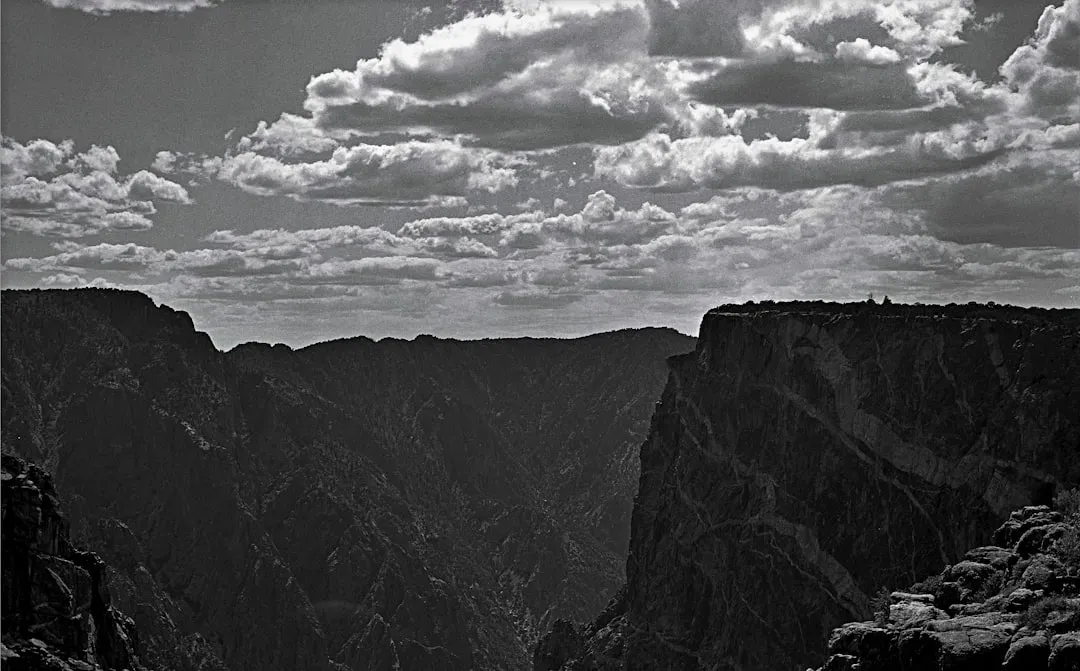
Black Canyon of the Gunnison is one of the deepest and narrowest canyons in North America. Its sheer, dark walls drop sharply into the Gunnison River, which creates a dramatic landscape that feels almost hidden compared to the more famous canyons of the Southwest. It’s the kind of place that makes your stomach drop just looking down.
The viewpoints along the rim offer expansive, commanding views that showcase the canyon’s scale and sharp geological contrasts. Despite its power and beauty, it remains less visited than many other national parks. Trails along the rim and into the inner canyon highlight how rugged the place truly is. It’s hard to say for sure why this one gets overlooked, but the lack of crowds means you can stand at the rim and feel truly alone with something ancient and immense.
10. Devil’s Kettle Falls, Minnesota – Where Water Simply Disappears
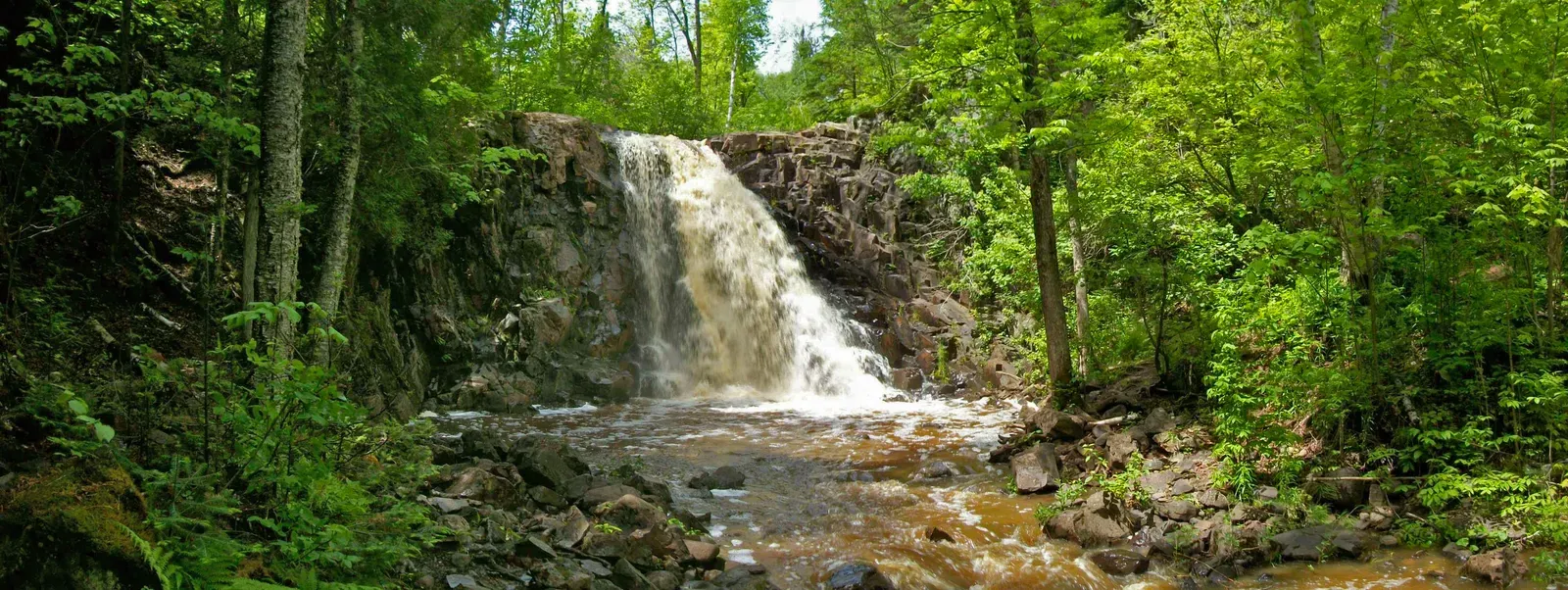
Some natural wonders confuse you. This one straight-up baffled scientists for decades. It wasn’t until 2017 that hydrologists solved the mystery of Devil’s Kettle Falls near Grand Marais, Minnesota. While the anomalous cascade’s east side drops 50 feet down a black rhyolite cliff into a pool below, the west side simply disappears into a hole in the rock. Objects thrown into the cataract disappeared too, with no explanation for where they went.
Scientists now believe the most likely explanation is that the west side flows into an underground stream that rejoins the Brule River from underneath. You can see it for yourself on a 2.5-mile round trip hike through Judge C.R. Magney State Park, which leads to the waterfall’s overlook. A waterfall that swallows itself whole. Nature really does have a flair for the dramatic.
11. Congaree National Park, South Carolina – Ancient Forest, Almost No Visitors
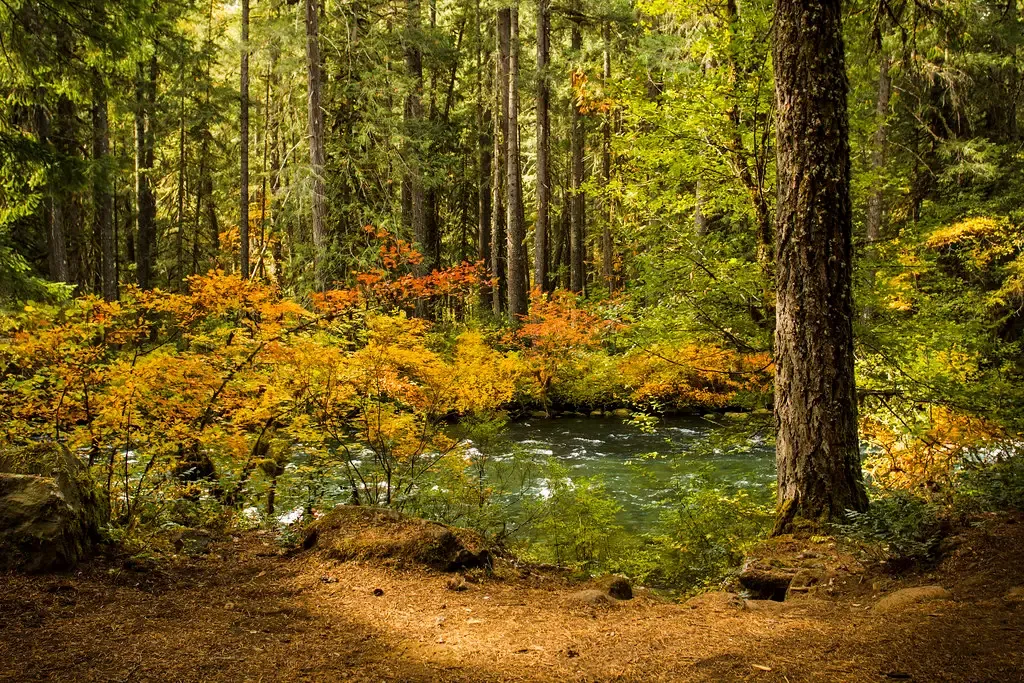
Congaree protects one of the tallest deciduous forests in North America. Walking along the elevated boardwalk puts you in the middle of towering hardwoods and rich wetlands. The scale of the trees overhead is genuinely humbling, like standing inside a living cathedral that took centuries to build.
These quieter, lesser-known natural sites in the U.S. offer just as much beauty as the big national parks, often with far fewer crowds. It feels unhurried and grounded, making it a refreshing escape for anyone who wants nature without heavy foot traffic. Congaree is the perfect embodiment of that idea. Most people in South Carolina haven’t even been there. Which means when you go, it will feel like it belongs entirely to you.
12. Craters of the Moon, Idaho – A Lava Field Straight Out of Another World
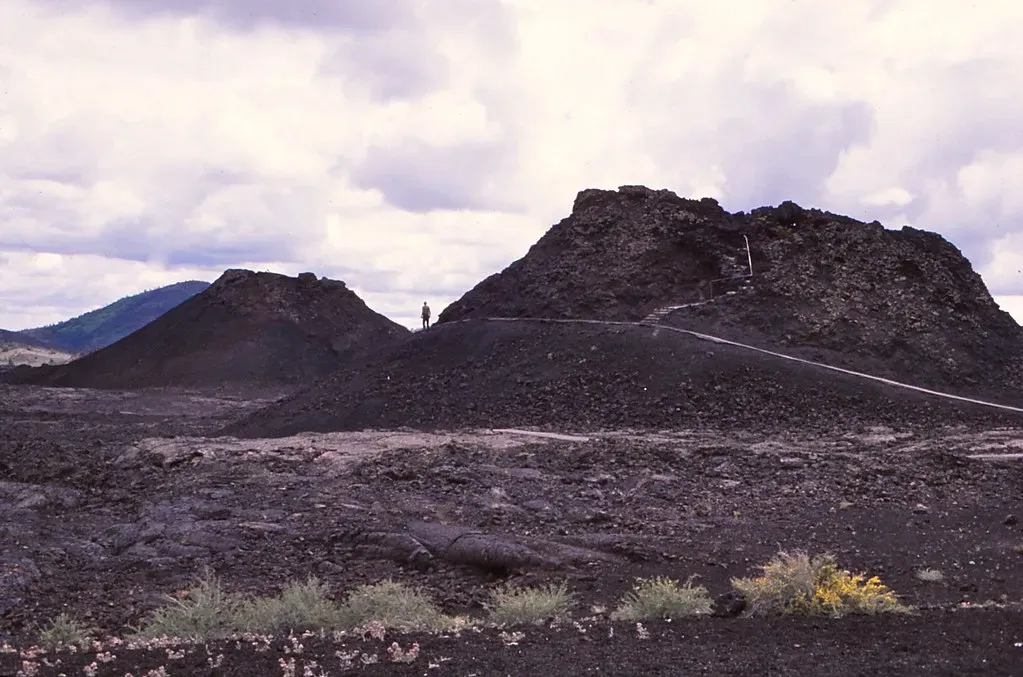
Craters of the Moon is a landscape shaped by ancient volcanic eruptions, leaving behind miles of lava fields, cinder cones and rugged rock formations. The terrain looks almost extraterrestrial and gives visitors a clear view of how volcanic forces once shaped large parts of the American West. Trails wind through lava tubes and past hardened rivers of rock, revealing the area’s dramatic geological history.
NASA actually used this location to train Apollo astronauts before the moon missions. Think about that for a second. You can walk on the same ground where men prepared to walk on the moon. There is even a large lava tube that can be walked through with no special equipment. Yet somehow, on a busy summer weekend, you might share the trail with only a handful of other visitors. This is America’s forgotten moonscape, and it is absolutely sensational.
The Wonders Are Out There – You Just Have to Look
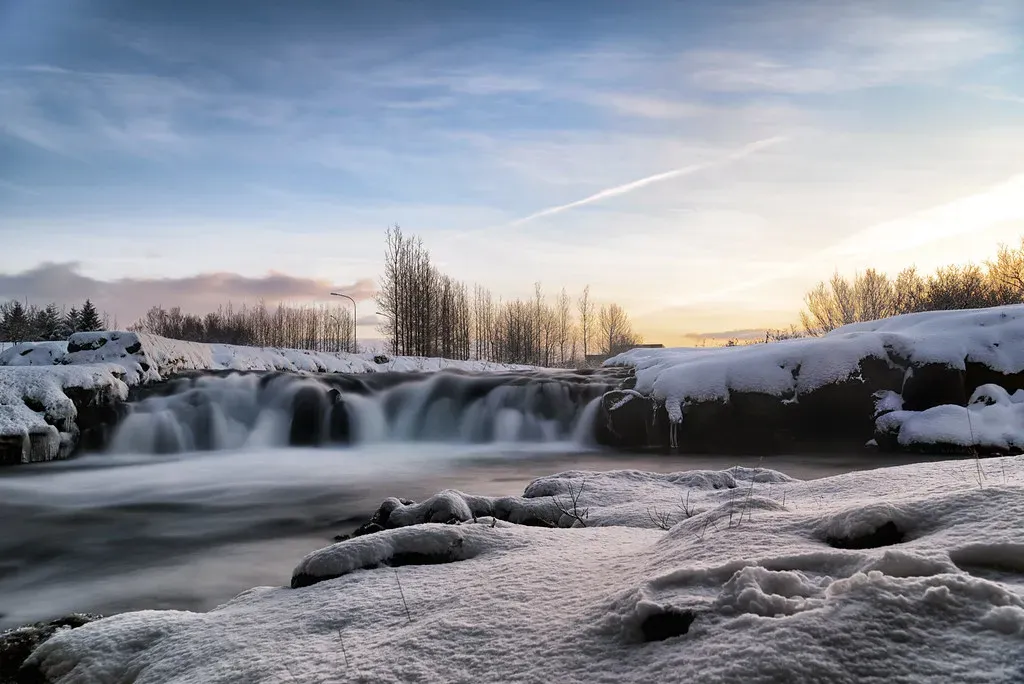
With 2,800 miles that span east to west, the hidden natural wonders in the U.S. are legion. While big-name sites like the Grand Canyon, Niagara Falls, and Old Faithful draw millions of visitors every year, these well-known icons are just the tip of the iceberg – there are other, more secret natural sites that tend to get overlooked throughout the country.
The places on this list aren’t hidden because they’re unremarkable. They’re hidden because the country is simply that vast, and our habit of following the crowd means we keep circling the same familiar destinations. Every single one of these 12 wonders is capable of stopping you in your tracks and reminding you how extraordinary the natural world truly is.
So next time you’re planning a trip, maybe skip the Instagram-famous overlook and choose the road that fewer people have traveled. The moonbow in Kentucky, the disappearing waterfall in Minnesota, the alien badlands of New Mexico – all of them are waiting. The question is, which one will you discover first?
